
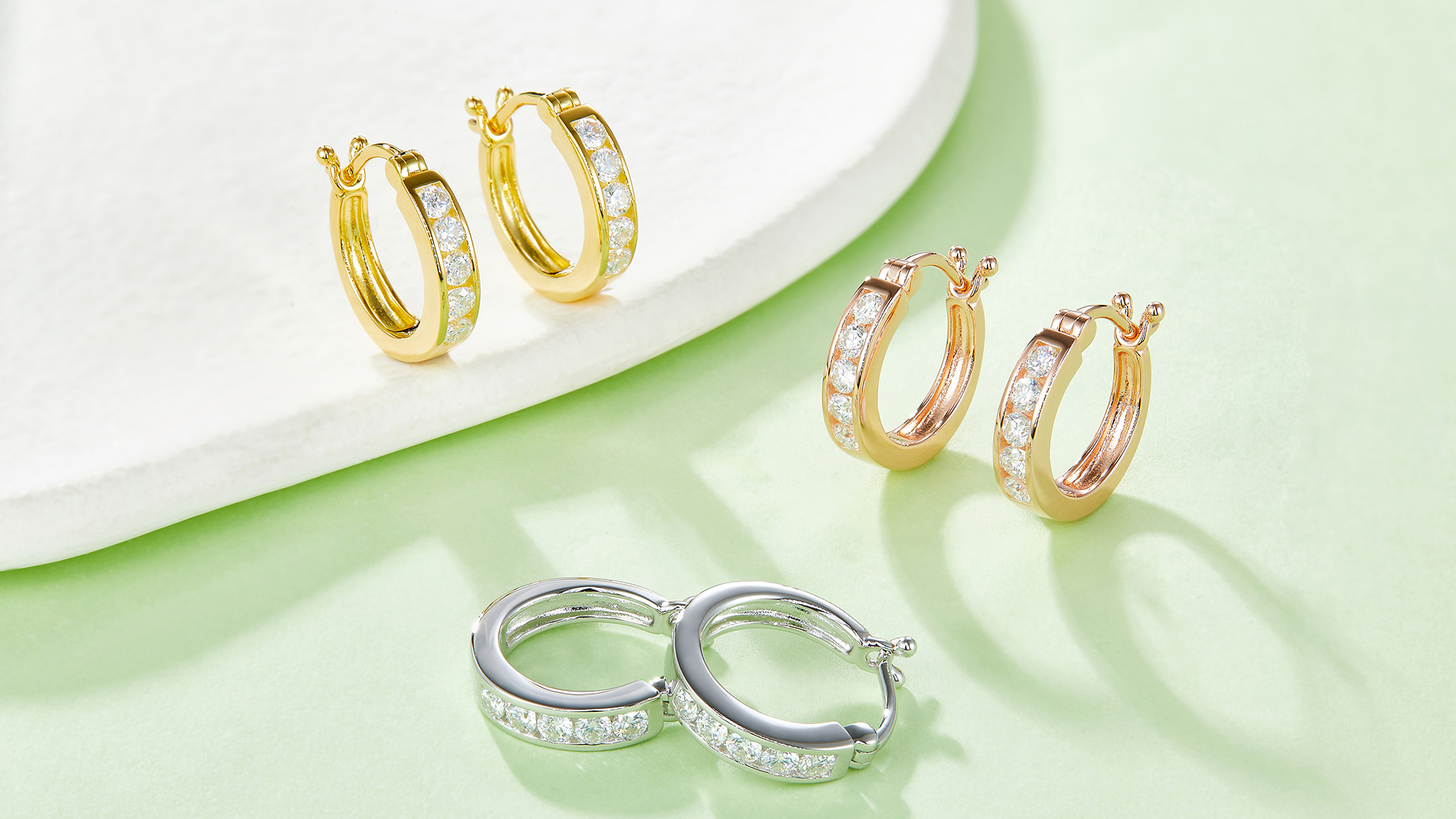
Many people have questions when buying K-gold jewelry: if all are 18K gold, why do they come in three different tones — yellow gold, rose gold and white gold?
This is not surface electroplating or dyeing. The secret lies in alloy color formulation technology. Pure gold is too soft for intricate stone setting. In the jewelry industry, other precious metals are blended with pure gold to create different hues while improving hardness.
Different metal ratios determine not only the appearance, but also directly affect color stability and tarnish resistance.
In this article, we’ll break down the color formulation principles and durability differences among the three mainstream 18K gold alloys.
1. How 18K gold gets its color
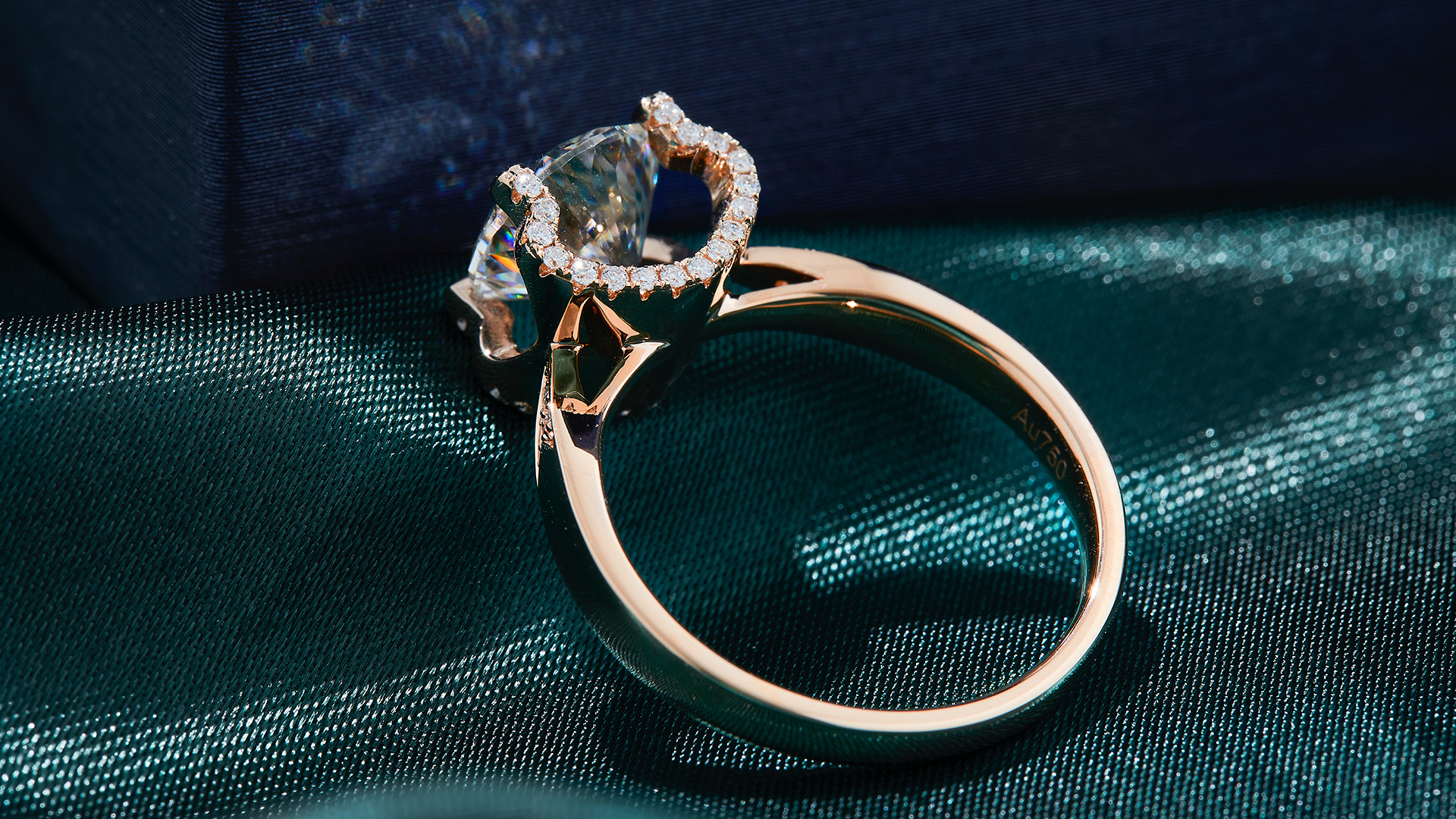
Most jewelry on the market is 18K gold, marked AU750. It contains 75% pure gold, and the remaining 25% is a mix of metals such as copper, silver, palladium and nickel.
Each metal has unique properties. Fine-tuning the alloy mix changes the base color, while boosting hardness and oxidation resistance.
All 18K gold variants have the same 75% gold content. The only difference is the other alloy metals, not gold purity.
2. Three 18K gold tones: metal composition breakdown
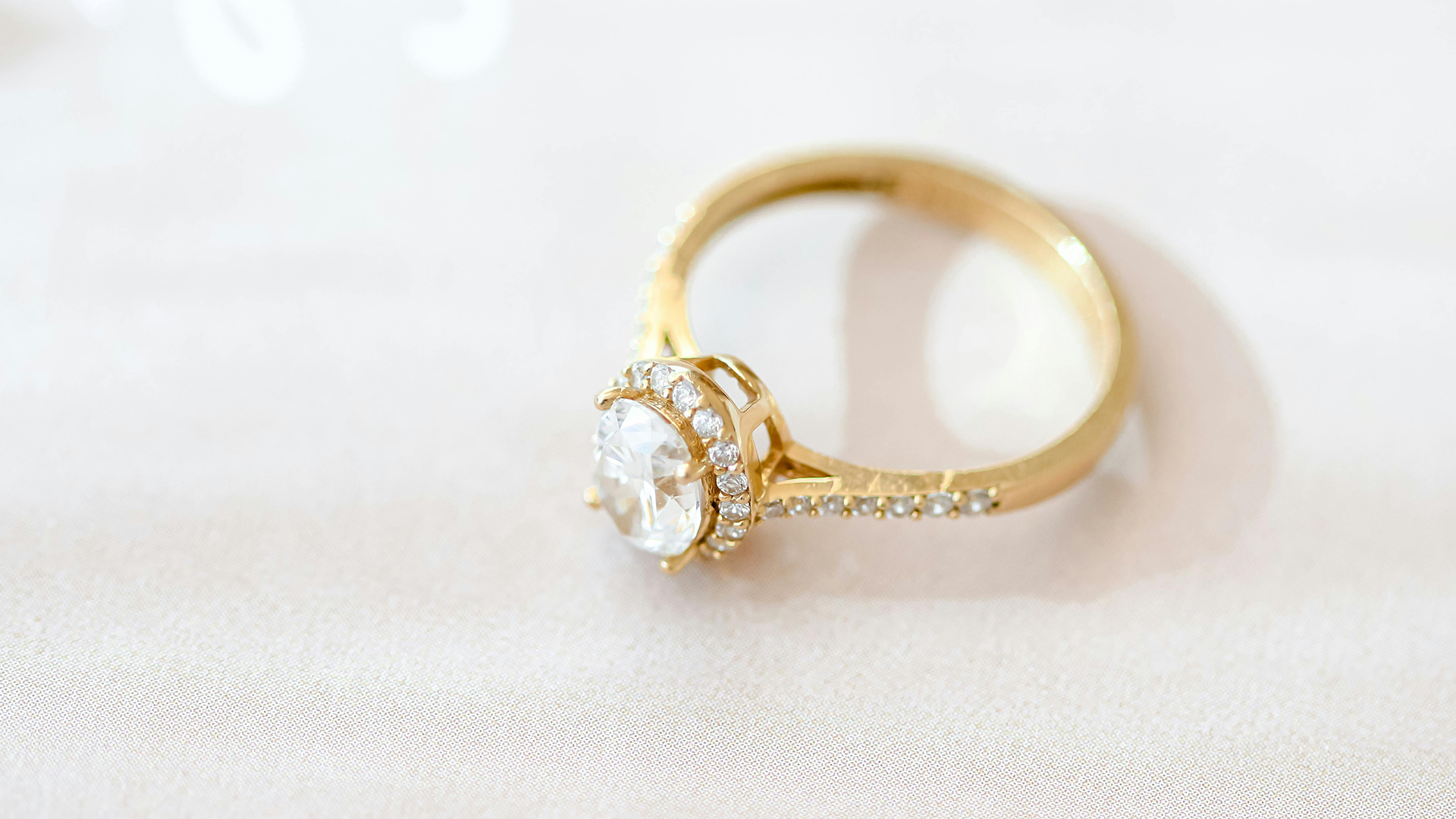
- 18K Yellow Gold – Classic Warm Gold Tone
Composition: 75% pure gold + silver + a small amount of copper. Silver brightens the tone, while copper adds warm depth. Balancing these two keeps the natural warm yellow hue, neutral with no red or pale cast. It is the alloy closest to the look of pure gold. - 18K Rose Gold – Soft Pinkish Tone
Composition: 75% pure gold + higher copper content + a small amount of silver. Copper is what creates rose gold’s pink-red hue. More copper brings richer pink tones. This gentle, romantic tone is very popular in jewelry today. - 18K White Gold – Cool Silvery White Tone
Composition: 75% pure gold + white alloy metals including palladium, silver and nickel. These white metals offset gold’s natural yellow undertone.
Raw 18K white gold is not stark white; it has a faint pale yellow base. The bright, crisp white finish you see comes from rhodium plating.
3. Color Stability Comparison: Which lasts best and tarnishes least?
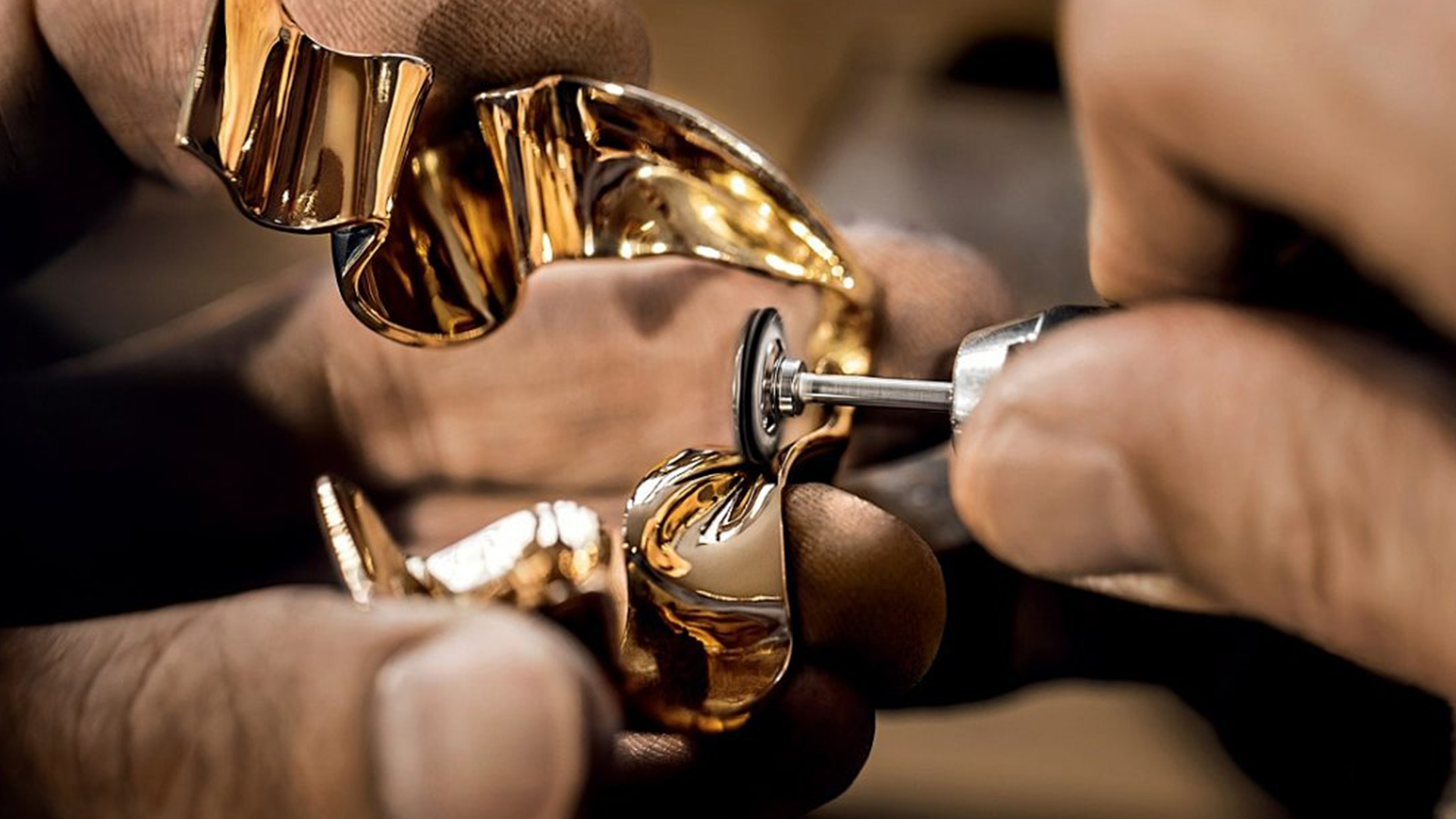
Ranking of tarnish resistance: 18K yellow gold > 18K rose gold > 18K white gold
The three alloys tarnish and oxidize at very different rates, determined by the oxidation resistance of the mixed metals — this is a key point for buyers.
- 18K Yellow Gold: Balanced silver-copper blend gives it the strongest anti-tarnish and corrosion resistance. It rarely discolors with regular wear and seldom needs re-plating. It maintains its shine well for daily wear, with the best durability.
- 18K Rose Gold: Higher copper content means copper can oxidize slightly. With prolonged contact with sweat and moisture, it may darken gently. It will not fade abruptly, only subtle tone shift, with limited visual impact.
- 18K White Gold: Its natural base is yellowish, so it relies entirely on the rhodium plating layer for its bright white look. Friction and daily wear gradually wear away the rhodium layer, revealing its pale yellow base and causing yellowing. It needs periodic re-plating among the three.
4. Selection & Care Tips
- If you want low-maintenance, long-lasting color retention: choose 18K yellow gold first.
- If you love soft romantic tones and accept minor color shift: go for rose gold.
- If you prefer cool, sleek white luxury: opt for white gold, but note it typically needs re-plating every 1–2 years.
For daily wear: Avoid prolonged contact with sweat, cosmetics and cleaning products. When not wearing, store it in a sealed pouch to slow metal oxidation. This helps preserve the finish and reduces re-plating frequency.
K-gold colors are not created by dyeing, but by precise alloy ratios. Yellow gold is stable, rose gold is soft, white gold is bright. All three share the same gold content — they only differ in hue and durability.


