
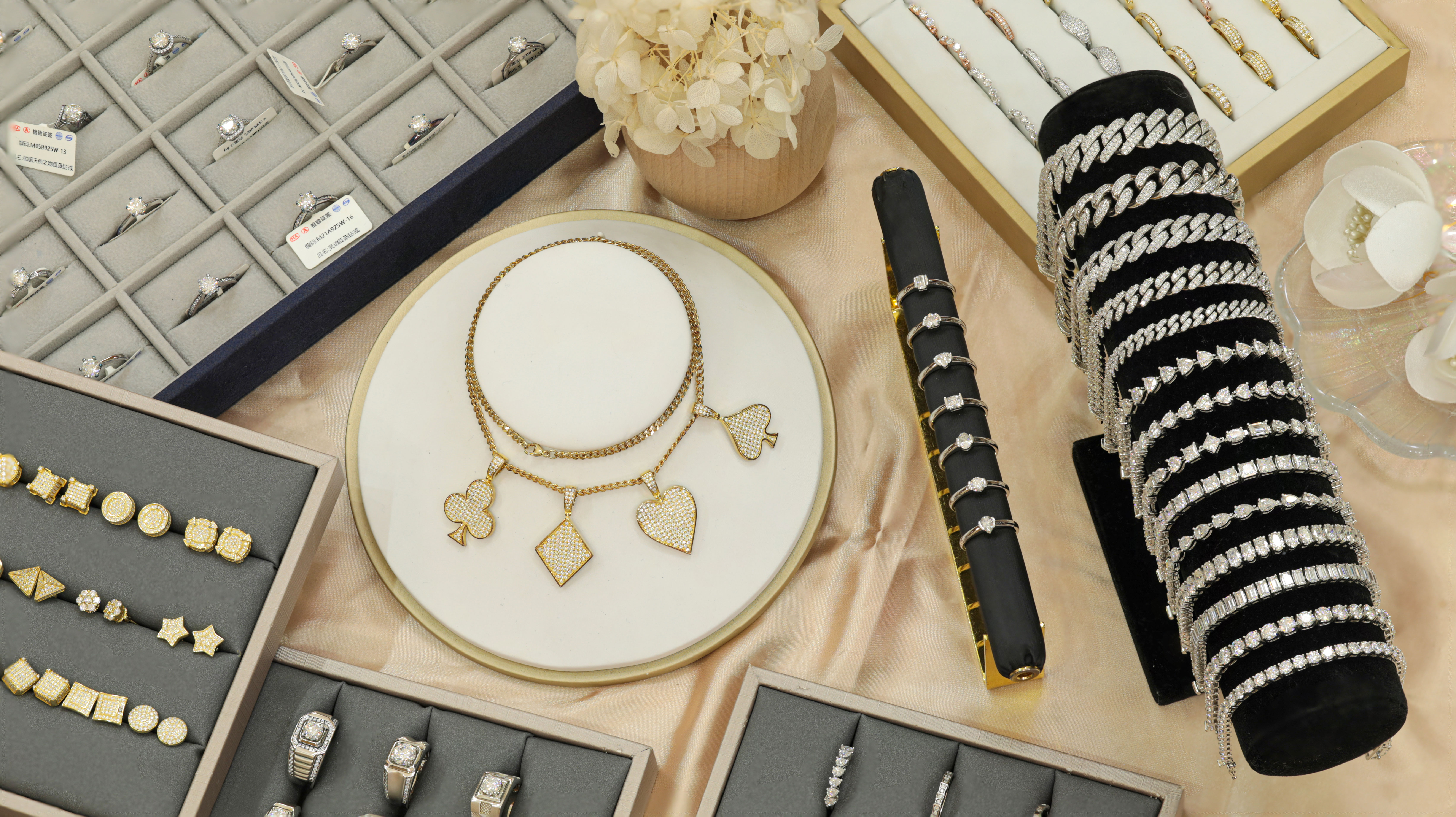
The jewelry market is entering a new phase in 2026. In the past, many consumers evaluated jewelry primarily through brand prestige, precious-metal content and traditional ideas of long-term value. Today, younger buyers are reshaping those priorities. Design, personal expression, price-to-value ratio and interest in newer materials are becoming more important parts of the purchasing decision.
This shift is influencing more than consumer taste. It is changing how jewelry brands plan collections, how retailers manage inventory and how wholesale buyers evaluate suppliers. Rings remain an important jewelry category, while lab-grown diamond jewelry, personalized pieces and accessible fine jewelry continue to attract strong attention. At the same time, moissanite and lab-grown diamonds are becoming more established options for consumers who want a strong visual impact at a more accessible price point.
For jewelry brands and wholesale buyers, understanding these trends is no longer just a matter of following fashion. It directly affects product development, assortment planning, inventory risk and competitive positioning.
1. Lab-Grown Diamond Jewelry Continues to Gain Market Share
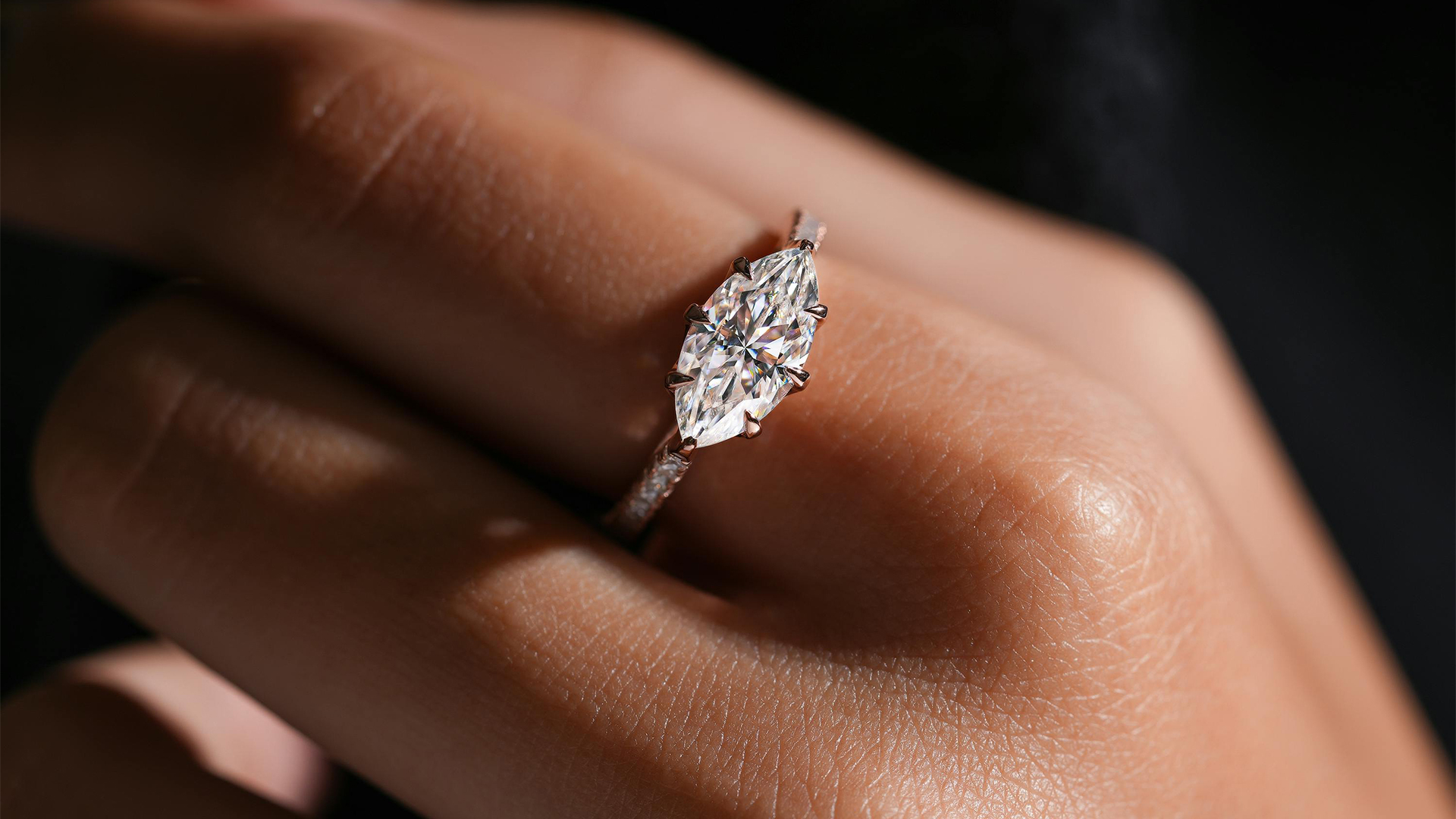
Lab-grown diamonds have moved far beyond the position of a niche alternative. For many younger consumers, especially in bridal and fashion jewelry, the appeal is straightforward: the same budget can often support a larger center stone, a higher color grade or a more elaborate finished design.
This has changed the way consumers think about value. A buyer who might previously have considered a smaller natural diamond may now choose a larger lab-grown diamond while keeping more of the budget available for the setting, metal or overall design. That shift is particularly visible in engagement rings. Consumers are increasingly paying attention to whether the ring feels personal, whether the design matches their style and whether the piece offers the visual presence they want rather than simply carrying the highest possible brand premium.
1.1 Oval Lab-Grown Diamond Rings
Oval shapes remain popular because they create a longer face-up appearance and can make the center stone look visually larger on the finger. The silhouette feels modern and elegant, making it especially suitable for contemporary bridal collections.
1.2 Emerald-Cut Lab-Grown Diamond Rings
Emerald cuts appeal to customers who prefer a cleaner and more architectural look. Their step-cut faceting creates broad flashes rather than the smaller, more fragmented sparkle associated with brilliant cuts, giving the ring a more restrained and modern luxury character.
1.3 Hidden Halo Settings
Hidden halos continue to attract younger bridal customers because they add visual detail without changing the main face-up shape of the center stone. The effect is subtle from the top but more decorative from the side, allowing brands to create a more detailed product without relying on a traditional full halo.
2. Moissanite Remains Strong in the Accessible Luxury Segment
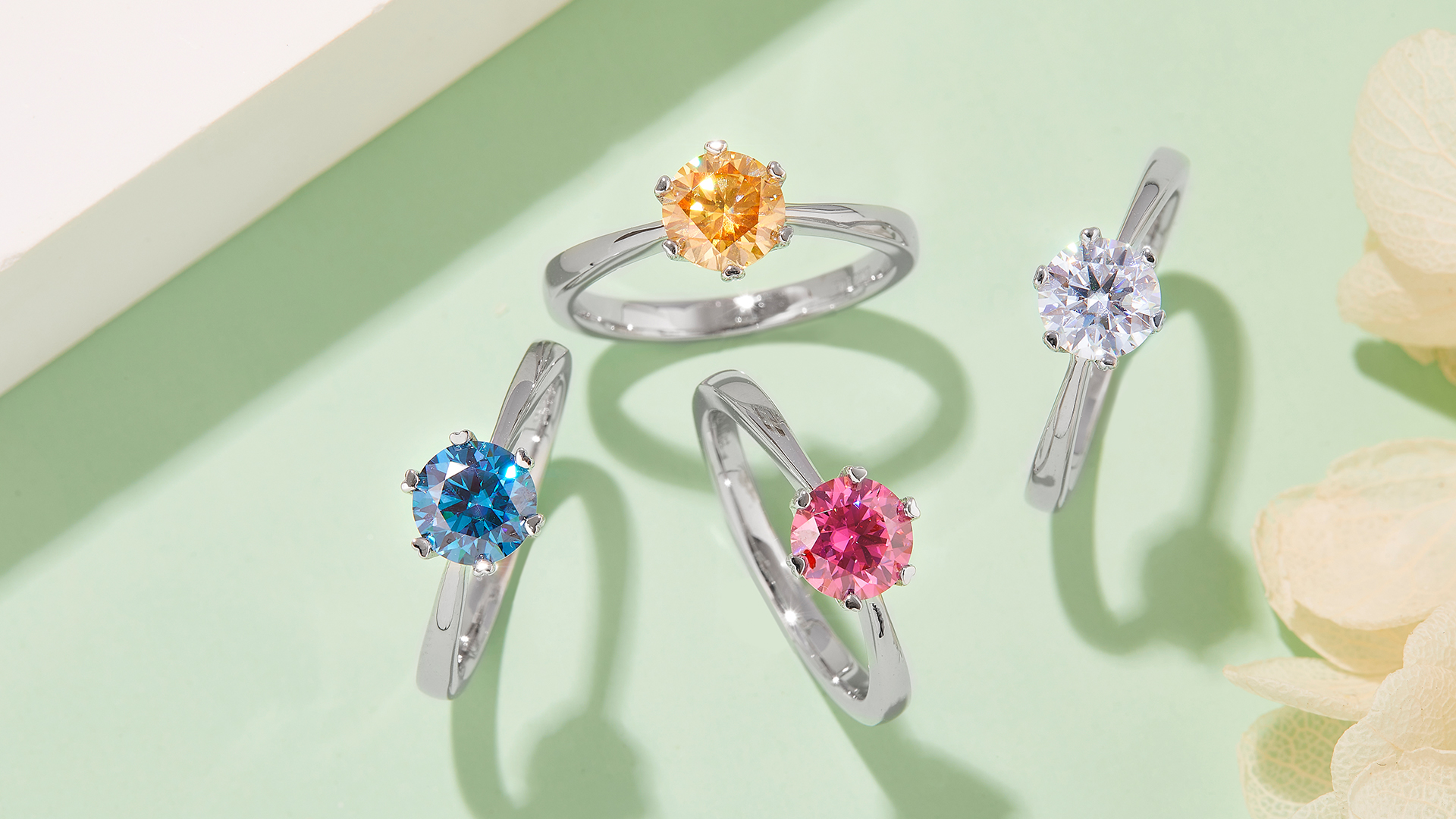
Lab-grown diamonds are growing, but moissanite continues to hold an important position in the global jewelry market. It remains especially relevant for ecommerce, bridal and fashion jewelry because of its strong brilliance, accessible pricing and flexibility across different product types.
For retailers, moissanite also offers an advantage beyond engagement rings. It can be developed into a wider assortment of everyday products that are easier for customers to purchase as gifts or repeat purchases.
2.1 Moissanite Rings
Classic six-prong rings, crown-inspired settings, snowflake-style designs and halo rings continue to work well across different price points. The appeal is simple: strong visual impact, recognizable bridal styling and a lower purchase threshold compared with many traditional diamond products.
2.2 Moissanite Necklaces
Smaller everyday pendants and fine chain necklaces are becoming increasingly important. Consumers are showing more interest in jewelry that can be worn frequently rather than saved for special occasions. Solitaire pendants, delicate chokers and minimalist designs fit naturally into this shift. For retailers, these products can also work well as gifting items because the purchase decision is usually easier than for a higher-ticket ring.
2.3 Moissanite Earrings
Stud earrings, mini hoops and ear cuffs continue to perform well in daily-wear collections. From a wholesale perspective, smaller jewelry items can offer faster turnover, more flexible retail pricing and broader customer reach.
They also give brands an easier way to introduce moissanite to customers who may not yet be ready to purchase a larger bridal piece.
3. Personalized Jewelry Is Driving More OEM and ODM Demand
One of the clearest changes in jewelry consumption is the growing demand for products that feel personal. Consumers increasingly want pieces that reflect a relationship, a milestone, a personal symbol or a more individual design language. This is creating more demand for custom engagement rings, engraved jewelry, personalized pendants and brand-exclusive collections.
For suppliers, this means OEM and ODM capability is becoming more important. A brand may not need to develop every piece from zero. In many cases, an existing structure can be adjusted through ODM by changing the center stone, gemstone type, metal, finish or selected design details. For more original collections, OEM development can begin from a sketch, reference image, CAD file or physical sample. This gives brands a more flexible path: Existing Style → Market Test → ODM Modification → OEM Development
For wholesale buyers, this approach can reduce inventory risk while still creating meaningful product differentiation.
4. Everyday Fine Jewelry Is Becoming a Core Sales Category
Jewelry purchasing is becoming less dependent on weddings, anniversaries and major holidays. More consumers now buy jewelry for everyday wear. This is changing what retailers need to keep in stock. Minimal rings, fine necklaces and small stud earrings are increasingly important because they fit naturally into daily routines. These products are easier to style, easier to gift and often easier to purchase without a long decision process.
A thin band with a small center stone may not have the same visual impact as a large bridal ring, but it can serve a different commercial purpose: higher wear frequency and broader customer reach. The same applies to fine chain necklaces. Single-stone pendants, initial necklaces and symbolic charms can be worn every day and layered easily with other pieces. Their gifting potential also makes them useful for ecommerce and seasonal promotions. Small stud earrings remain another stable category because they combine low styling risk with frequent wear.
For brands, this means that a successful assortment does not need to focus only on high-ticket statement jewelry. A balanced collection often includes both aspirational pieces and easier everyday purchases.
5. Colored Gemstones Are Returning as a Strong Design Direction
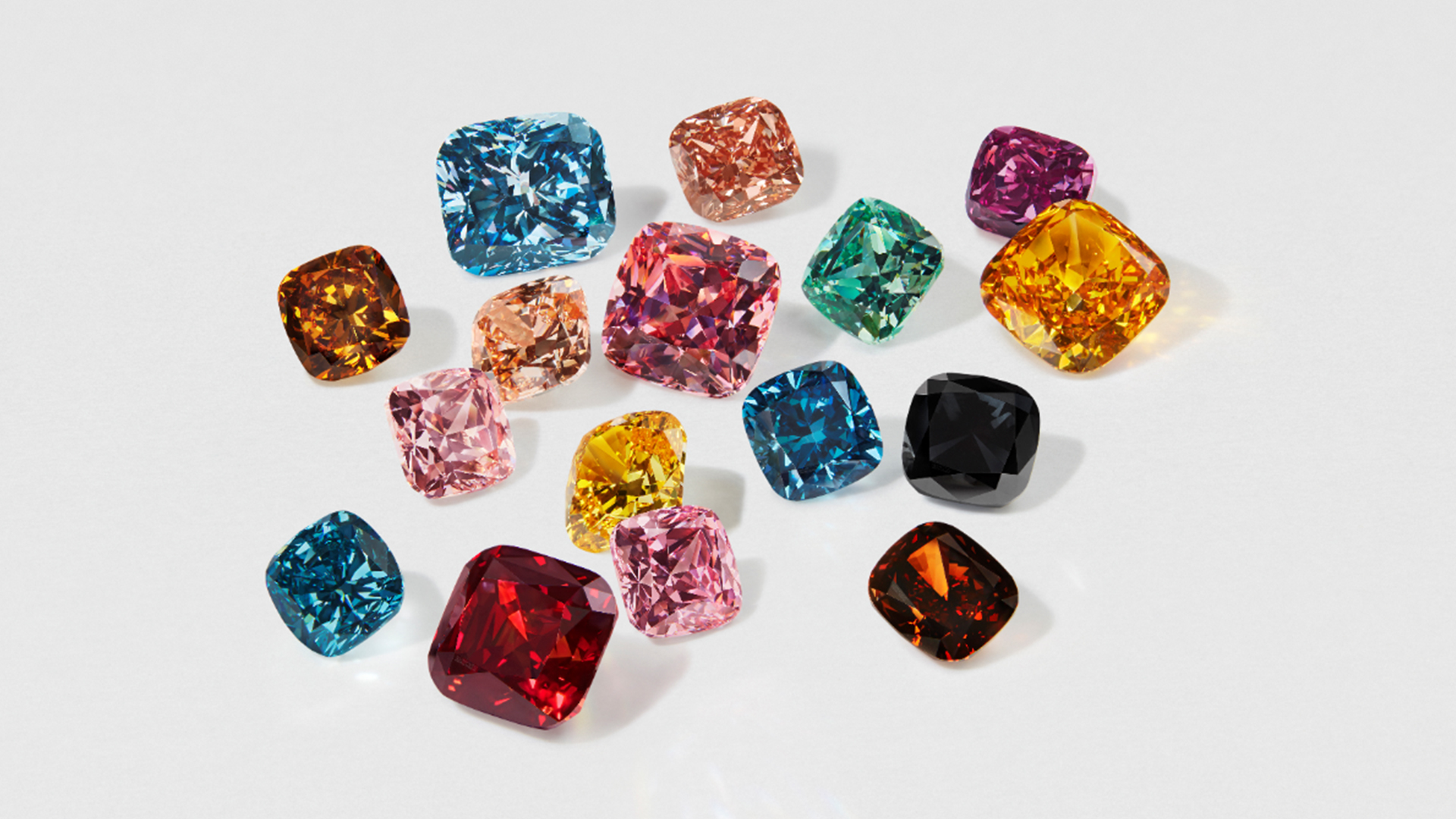
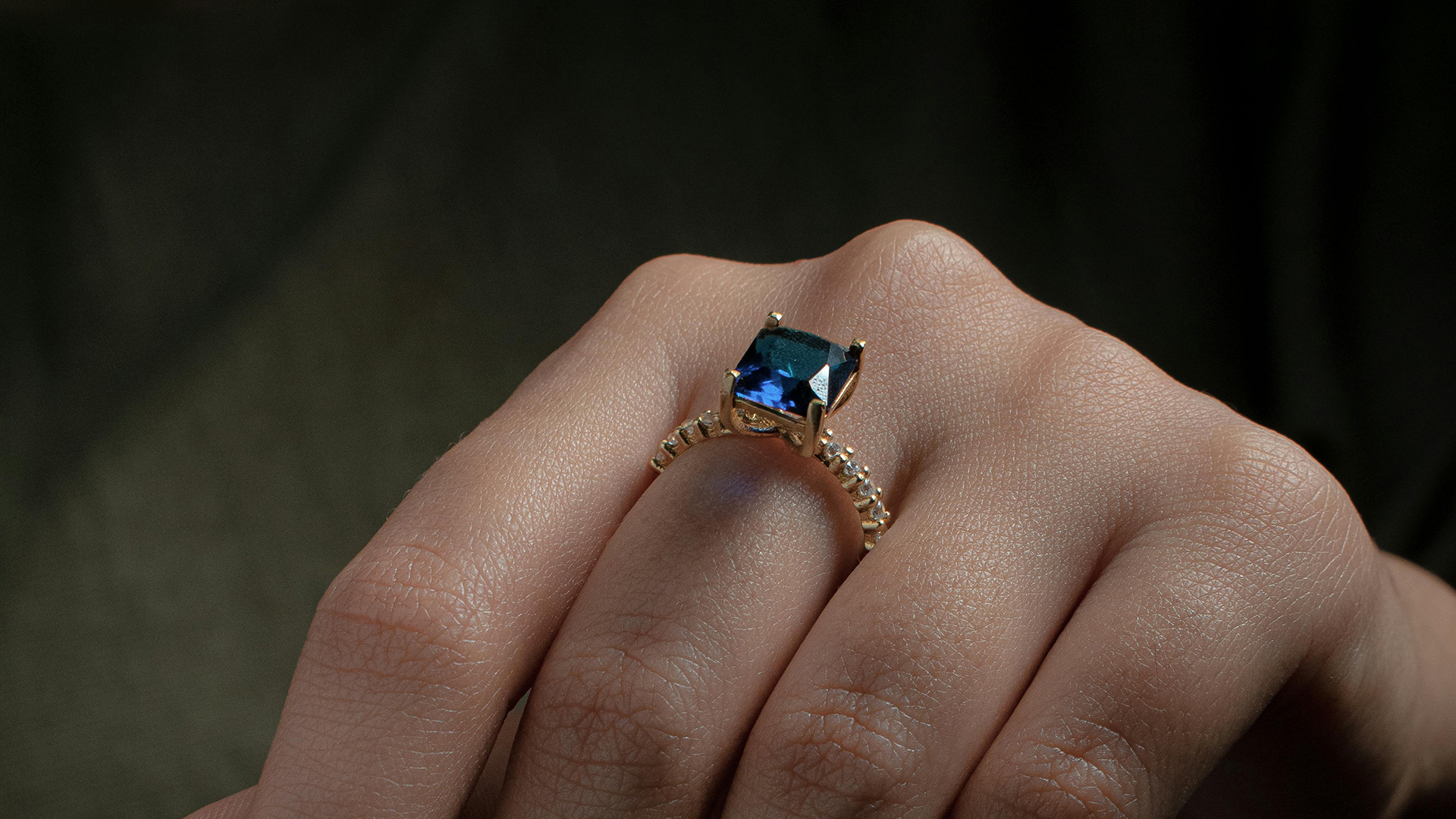
Colored gemstones are becoming more visible again across both bridal and fashion jewelry. Blue, red and green stones allow designers to create stronger visual identities than a collection based entirely on colorless stones. This is particularly relevant as consumers look for more individual products. Sapphire, ruby, emerald and lab-created colored gemstones can all support collections built around color, seasonality or symbolic meaning. Green gemstones, for example, can create a natural and sophisticated aesthetic. They work well in both modern and vintage-inspired settings. Blue stones can support a more classic or contemporary direction depending on the cut and metal.
For jewelry brands, colored gemstones are also useful because they create differentiation without requiring a completely new product structure. An existing ring or bracelet can often be reinterpreted simply by changing the center stone, surrounding accents or metal tone. This makes colored stones especially suitable for ODM development.
6. Larger and More Artistic Jewelry Is Returning
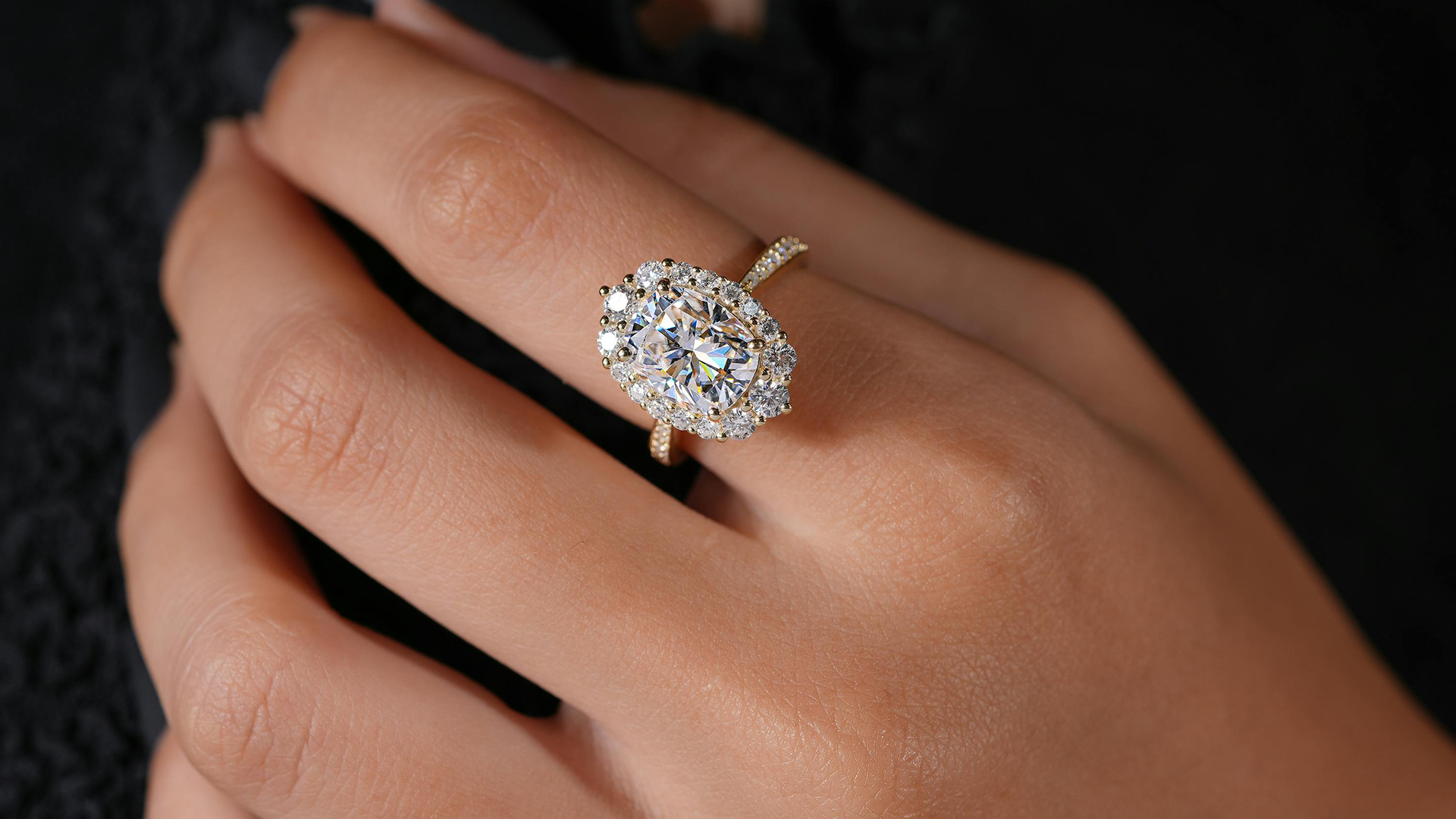
Minimalism remains important, but 2026 is also seeing renewed interest in jewelry with stronger visual presence. Consumers are increasingly open to oversized rings, sculptural silhouettes, layered necklaces and larger gemstone designs. The reason is not simply that bigger jewelry is returning. The more important change is that jewelry is increasingly being used as a visible expression of personal style. An oversized ring can function almost like a small sculpture on the hand. A long layered necklace can become part of an outfit rather than just an accessory. A large colored gemstone can act as the visual center of an entire collection.
This creates opportunities for brands that want to move beyond highly standardized designs. However, larger statement pieces usually require more careful product planning. Weight, comfort, setting security and price become more important as scale increases. For wholesale buyers, these products are often better treated as selective statement styles rather than the entire core assortment.
7. What Should Jewelry Retailers and Wholesalers Prioritize in 2026?
A strong product strategy should not depend on one category alone. The better approach is to build a balanced assortment that combines high-demand products, everyday pieces and a smaller number of distinctive designs.
| Product Category | Market Potential | Recommended Focus |
|---|---|---|
| Lab-Grown Diamond Jewelry | ★★★★★ | Engagement rings, necklaces, tennis jewelry |
| Moissanite Jewelry | ★★★★★ | Rings, studs, pendants |
| Everyday Fine Jewelry | ★★★★☆ | Minimal rings, necklaces, small earrings |
| OEM / ODM Jewelry | ★★★★☆ | Brand-exclusive collection development |
| Colored Gemstone Jewelry | ★★★★★ | Rings, bracelets, statement pieces |
| Large Artistic Designs | ★★★☆☆ | Premium and statement collections |
The key is not to stock every trend. Buyers should identify which categories fit their target customer, retail price range and brand identity, then test those products before increasing inventory. A product with strong market momentum is only useful if it also fits the brand's actual customer.
8. MOSUP Industry View: Turning Trends Into Commercial Jewelry Products
For jewelry brands, understanding a trend is only the first step. The real challenge is turning that trend into a product that can be sampled, produced, priced and replenished. MOSUP works with jewelry brands, retailers and wholesale buyers across moissanite, lab-grown diamond and custom jewelry categories. Our role is not simply to provide products. It is to help buyers move from market opportunity to commercially workable jewelry.
8.1 Ready-Stock and Supply Support
For brands that want to test demand quickly, ready-stock products can provide a lower-risk starting point. Instead of developing every design from zero, buyers can first evaluate existing styles, select products that fit their market and test them in smaller quantities. This allows a brand to learn from actual customer response before investing more deeply in product development.
8.2 Moissanite and Lab-Grown Diamond Jewelry
MOSUP focuses on moissanite jewelry, lab-grown diamond jewelry and related custom development. These categories allow brands to build collections across bridal, everyday fine jewelry, gifting and fashion-oriented segments. Products can be developed in materials such as S925 sterling silver, 10K, 14K and 18K gold, depending on the design and project requirements.
8.3 OEM and ODM Jewelry Development
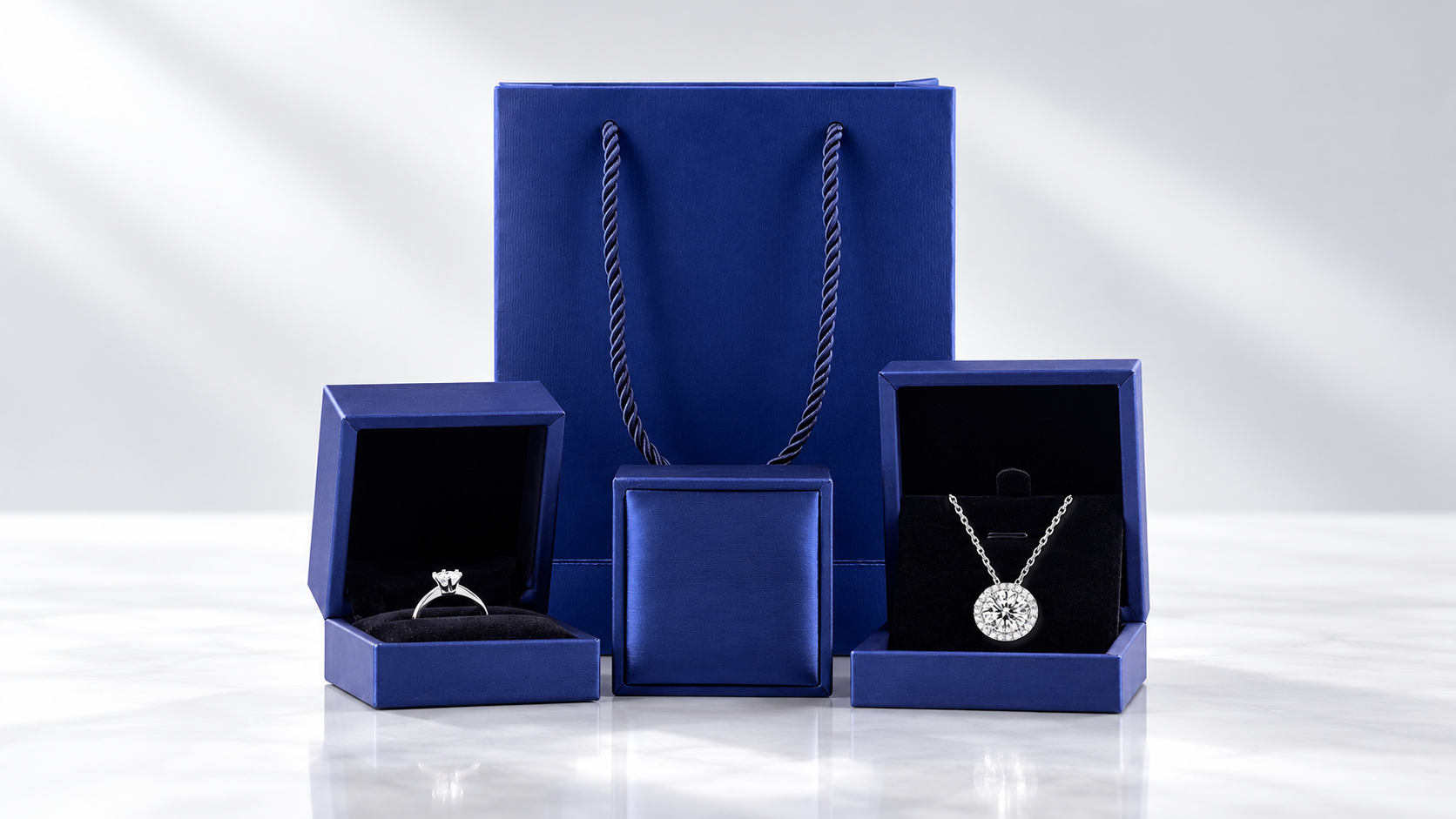
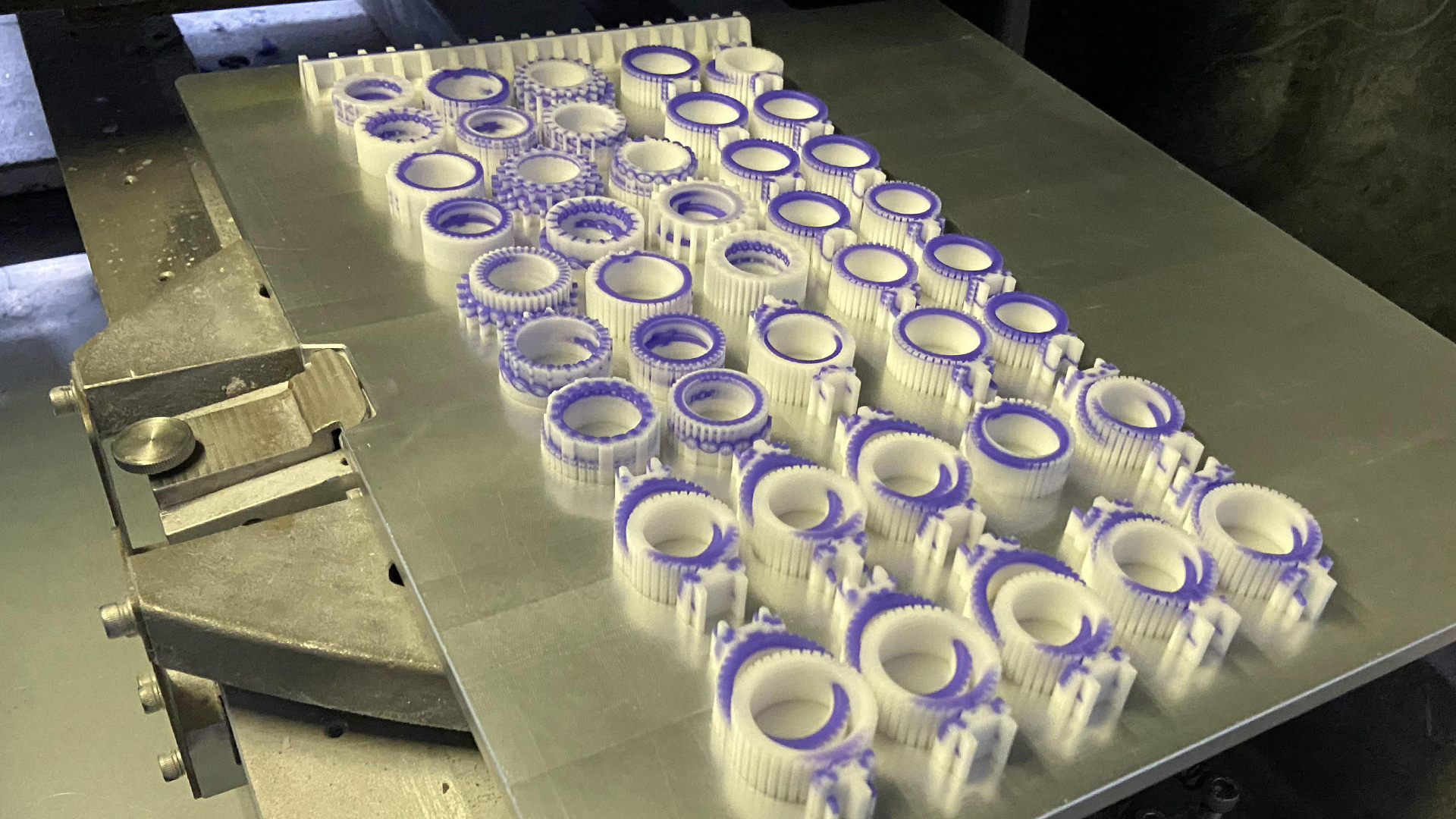
For brands that need more differentiation, MOSUP supports both ODM modification and OEM product development. ODM can begin from an existing style and adjust elements such as the center stone, gemstone type, metal or selected details. OEM projects can begin from a reference image, sketch, CAD file or physical sample.
The typical development path may include: Design Review → CAD → Sample → Approval → Production For brands building their own identity, private-label services such as logo engraving and branded packaging can also be included depending on the project. This gives buyers a more flexible way to respond to trends without committing immediately to a large collection.
9. In 2026, Speed and Flexibility Matter as Much as Product Selection
The jewelry market is becoming more design-driven and more fragmented. Consumers want more choice, but that does not mean retailers should simply carry more inventory. In many cases, the competitive advantage comes from being able to test a product quickly, learn from the market and reorder or modify the designs that actually perform.
This is especially important in categories such as lab-grown diamonds, moissanite and colored gemstones, where pricing, design preferences and consumer awareness can change quickly. For brands and wholesale buyers, the goal should therefore be: test selectively, replenish efficiently and customize what proves itself. This approach can reduce unnecessary inventory while still allowing the collection to evolve with market demand.
10. Conclusion: The 2026 Jewelry Market Is Moving Toward Design, Value and Faster Product Development
The jewelry market in 2026 is no longer defined only by precious-metal content or traditional brand prestige. Design, value, individuality and sourcing flexibility are becoming increasingly important. The strongest opportunities are appearing across several directions: lab-grown diamond bridal jewelry, moissanite fine jewelry, everyday minimalist pieces, OEM and ODM collections, colored gemstones and selective statement designs.
For consumers, this creates more choice. For jewelry brands and wholesale buyers, it creates a different challenge: deciding which trends are worth turning into actual products. The brands that respond best will not necessarily be the ones carrying the most SKUs. They will be the ones that can identify demand, test products efficiently, develop differentiated designs and scale the styles that actually sell.
MOSUP supports jewelry brands and wholesale buyers in turning market trends into commercially workable collections through ready-stock sourcing, moissanite and lab-grown diamond jewelry, OEM/ODM development and private-label support.


