
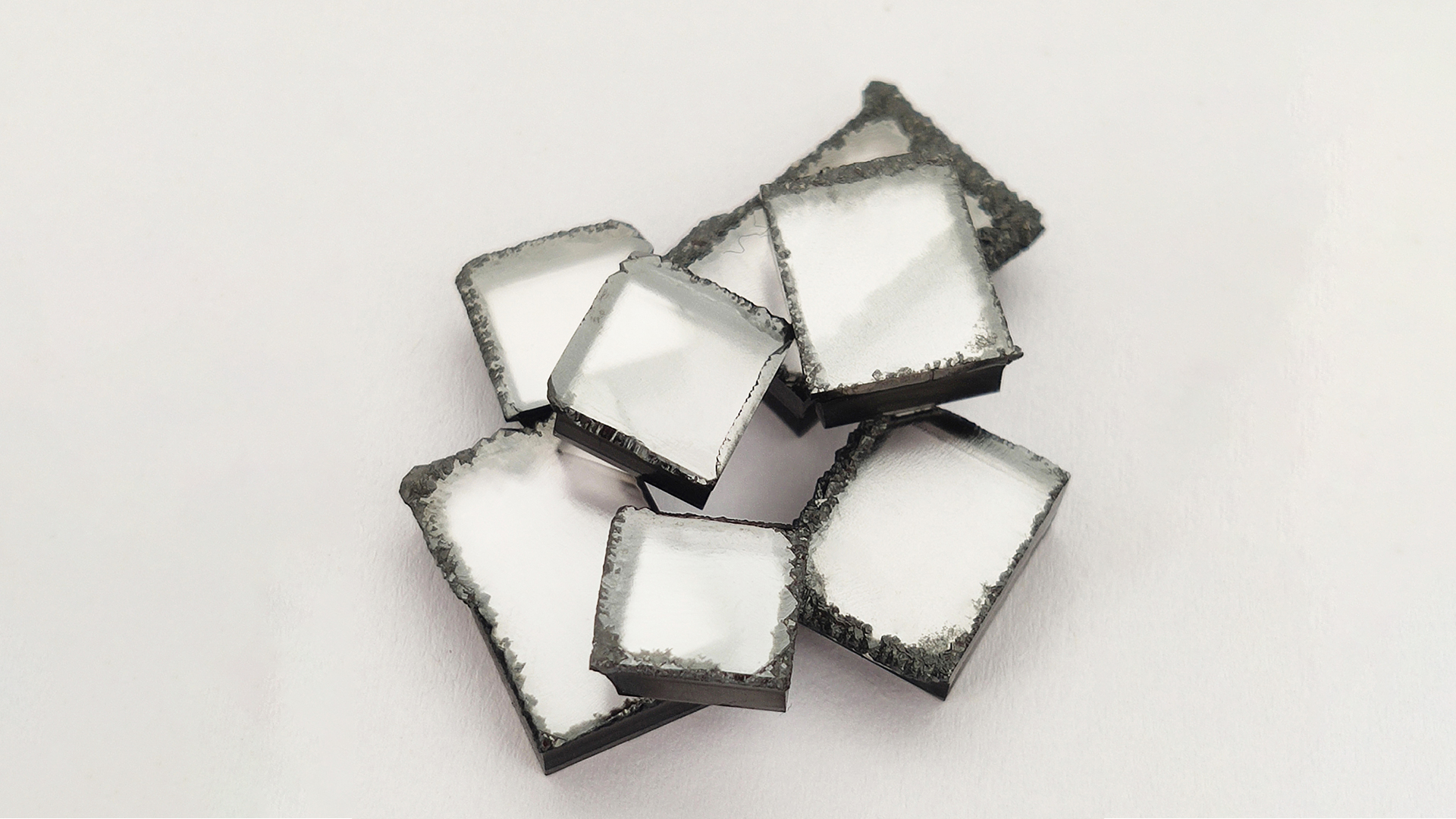
Why CVD Lab-Grown Diamonds Are Transforming the Jewelry Industry
Over the past few years, the global jewelry market has experienced a significant shift in consumer preferences. Modern buyers are no longer focused only on traditional luxury symbols; they are increasingly looking for ethical sourcing, competitive pricing, advanced technology, and personalized jewelry experiences.
Among these emerging trends, CVD Lab-Grown Diamonds have become one of the fastest-growing categories in the diamond industry.
With the same chemical composition, crystal structure, and optical properties as natural diamonds, CVD diamonds provide a new option for jewelry brands, retailers, and wholesalers seeking high-quality diamond products with greater flexibility and value.
For jewelry businesses, CVD technology is not simply an alternative diamond solution — it represents a new direction for the future of diamond manufacturing.
1. What Are CVD Lab-Grown Diamonds?
CVD stands for Chemical Vapor Deposition, an advanced technology used to create diamonds in a controlled laboratory environment.
Unlike traditional diamond mining, which requires millions or even billions of years of natural geological formation, CVD diamonds are created by replicating the natural diamond-growing process under controlled conditions.
During the CVD process:
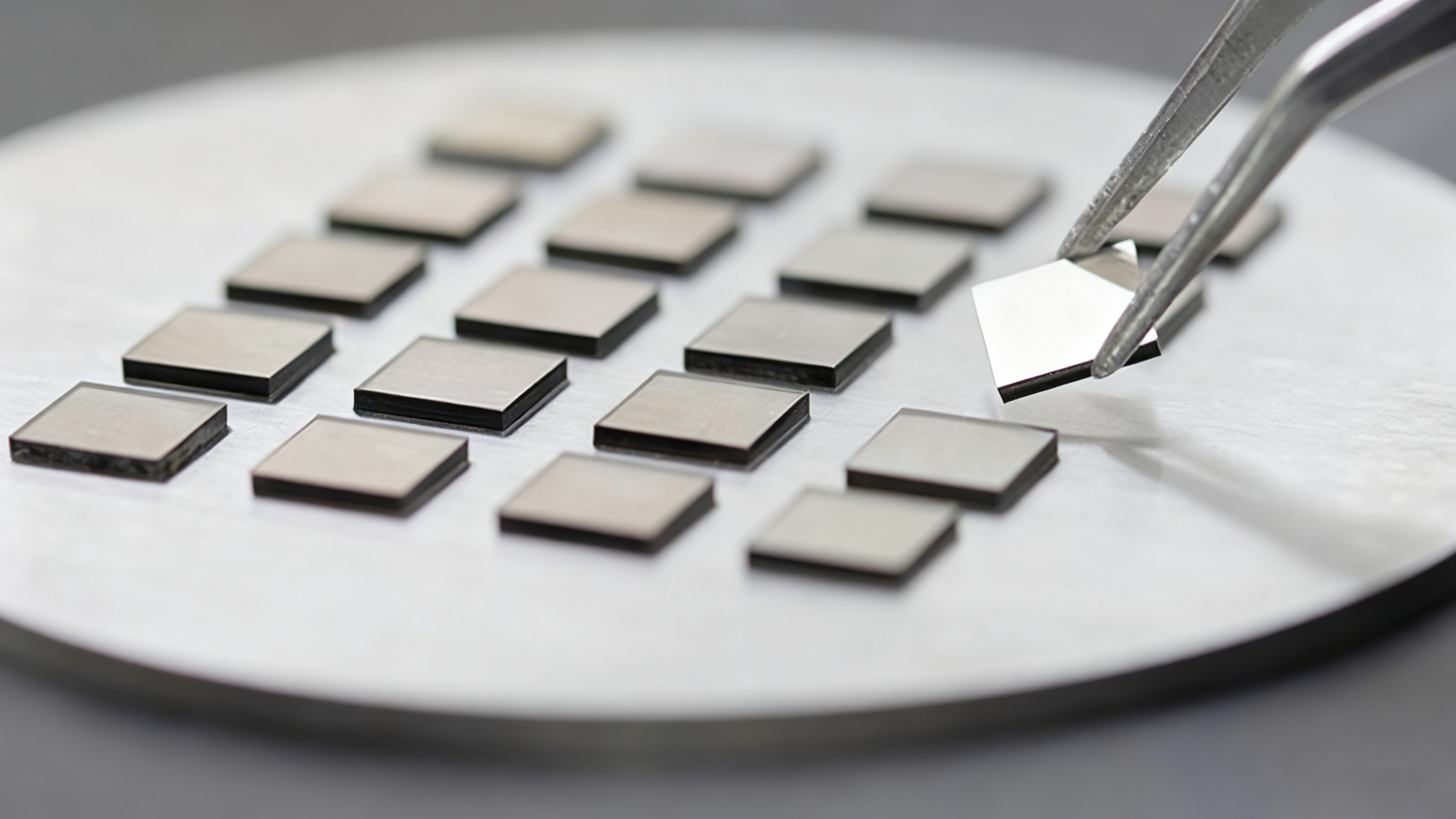
1. A small diamond seed crystal is placed inside a vacuum chamber.
2. Carbon-containing gases are introduced into the chamber.
3. Under high-energy conditions, carbon atoms separate from the gas and gradually deposit onto the diamond seed.
4. Layer by layer, the diamond crystal grows into a complete gemstone.
The result is a genuine diamond with the same physical and chemical characteristics as a mined diamond.
CVD diamonds are not diamond imitations such as cubic zirconia or synthetic gemstones. They are real diamonds created through modern technology.
2. CVD Diamonds vs Natural Diamonds: What Is the Difference?
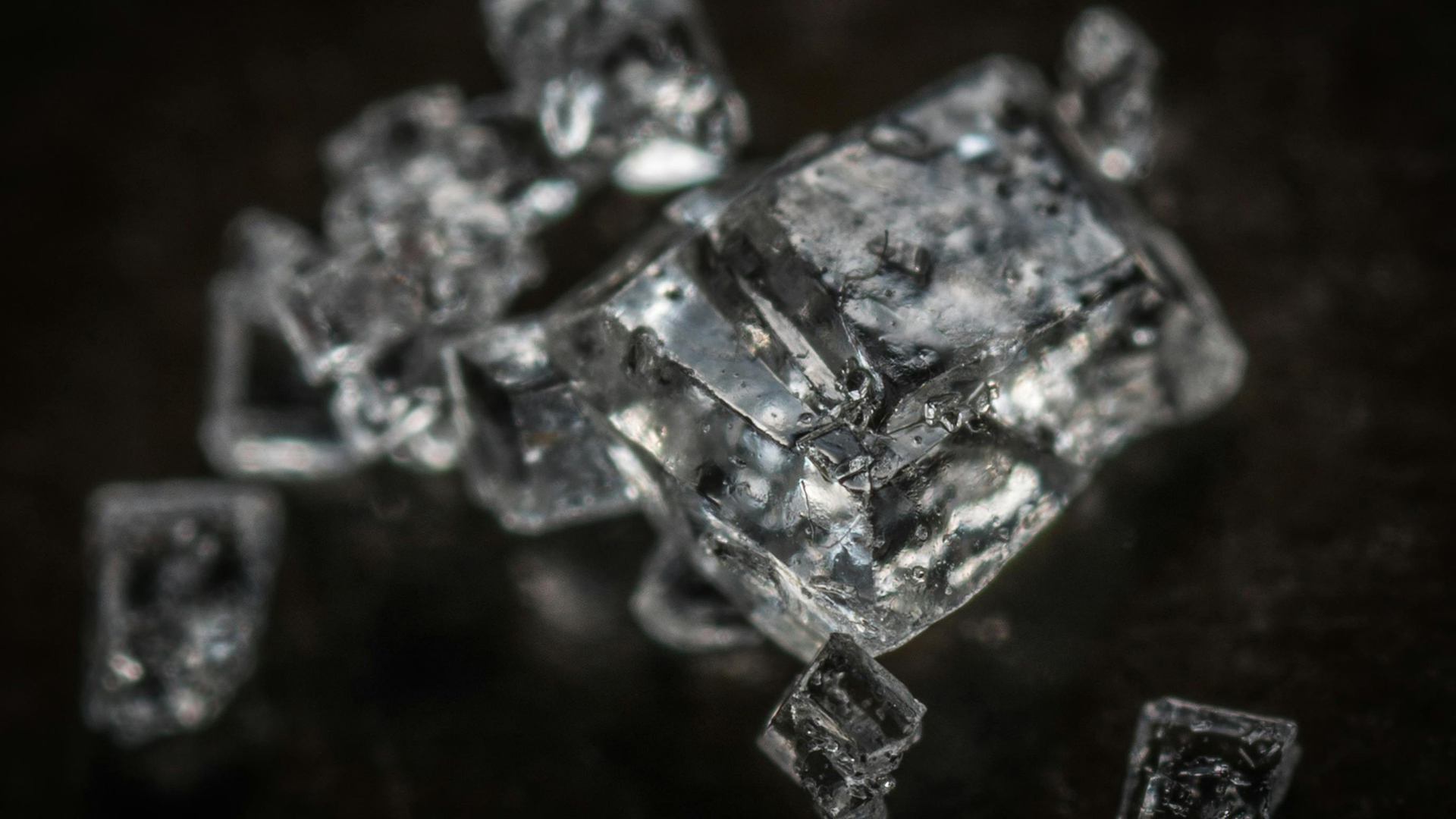
Many consumers and jewelry professionals ask: “Are CVD diamonds real diamonds?”
The answer is yes.
Both natural diamonds and CVD lab-grown diamonds are composed of pure carbon arranged in the same crystal structure.
| Feature | Natural Diamond | CVD Lab-Grown Diamond |
|---|---|---|
| Chemical Composition | Carbon | Carbon | Carbon |
| Crystal Structure | Cubic crystal structure | Cubic crystal structure |
| Hardness | Mohs 10 | Mohs 10 |
| Optical Performance | Excellent | Excellent |
| Formation Time | Millions to billions of years | Several weeks |
| Origin | Natural geological process | Laboratory technology |
| Price Level | Higher due to rarity | More accessible |
The biggest difference is not quality, but origin and market positioning.
Natural diamonds represent geological rarity, while CVD diamonds represent technological innovation and accessible luxury.
3. Why Are CVD Lab-Grown Diamonds Becoming Popular?
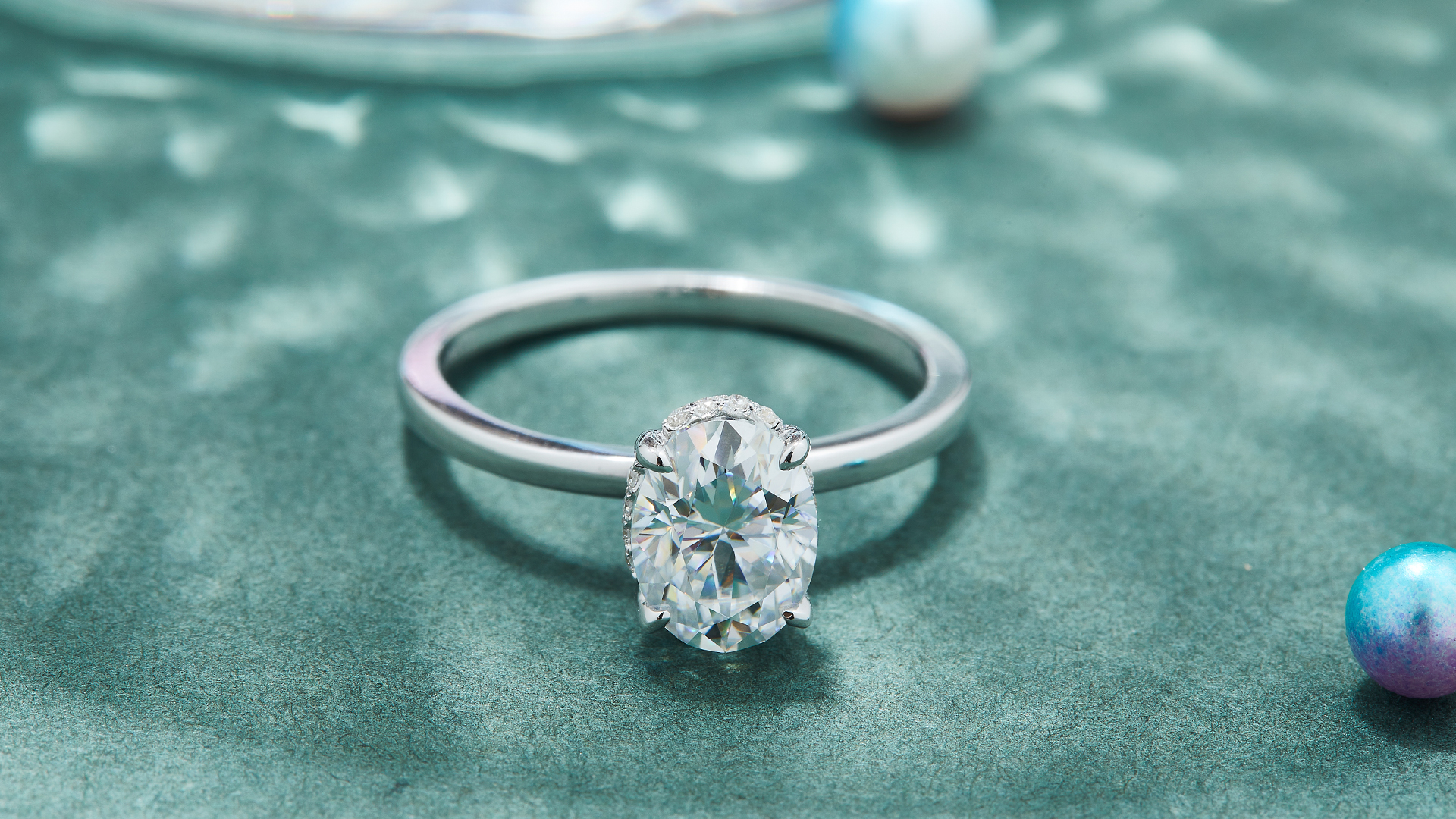
3.1 Better Value for Modern Jewelry Consumers
One of the biggest advantages of CVD diamonds is cost efficiency. Traditional diamond pricing includes factors such as mining operations, global supply chains, and scarcity premiums.
CVD diamonds remove many of these additional costs while maintaining diamond quality.
For consumers, this means:
Larger carat sizes within the same budget
Higher clarity and color grades
More freedom in jewelry customization
For jewelry brands, this creates opportunities to offer premium-looking collections at competitive price points.
3.2 Growing Demand for Sustainable Jewelry
Sustainability has become a major purchasing factor, especially among younger generations.
Today’s customers increasingly care about:
- Responsible sourcing
- Environmental impact
- Transparent supply chains
- Ethical production
CVD diamonds provide jewelry companies with a more traceable production model, making them attractive for brands developing sustainable luxury collections.
3.3 Perfect Match for Custom Jewelry Development
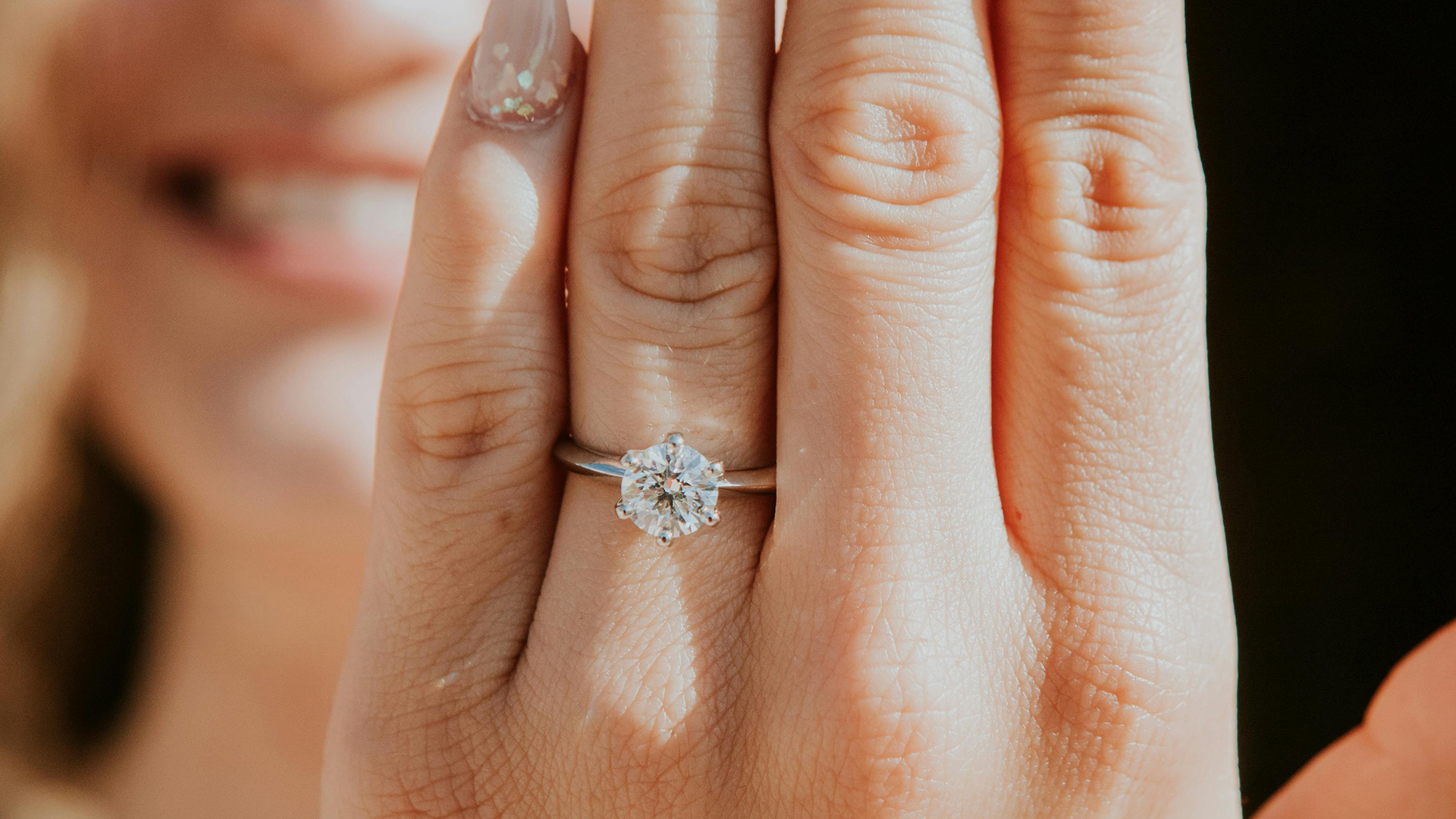
The flexibility of CVD diamond production makes it ideal for customized jewelry.
Popular applications include:
- Engagement rings
- Custom diamond rings
- Tennis necklaces
- Diamond earrings
- High-carat statement jewelry
Because CVD technology allows manufacturers to produce diamonds in different sizes, shapes, and specifications, jewelry designers have greater creative freedom.
4. Popular CVD Diamond Jewelry Trends in 2026
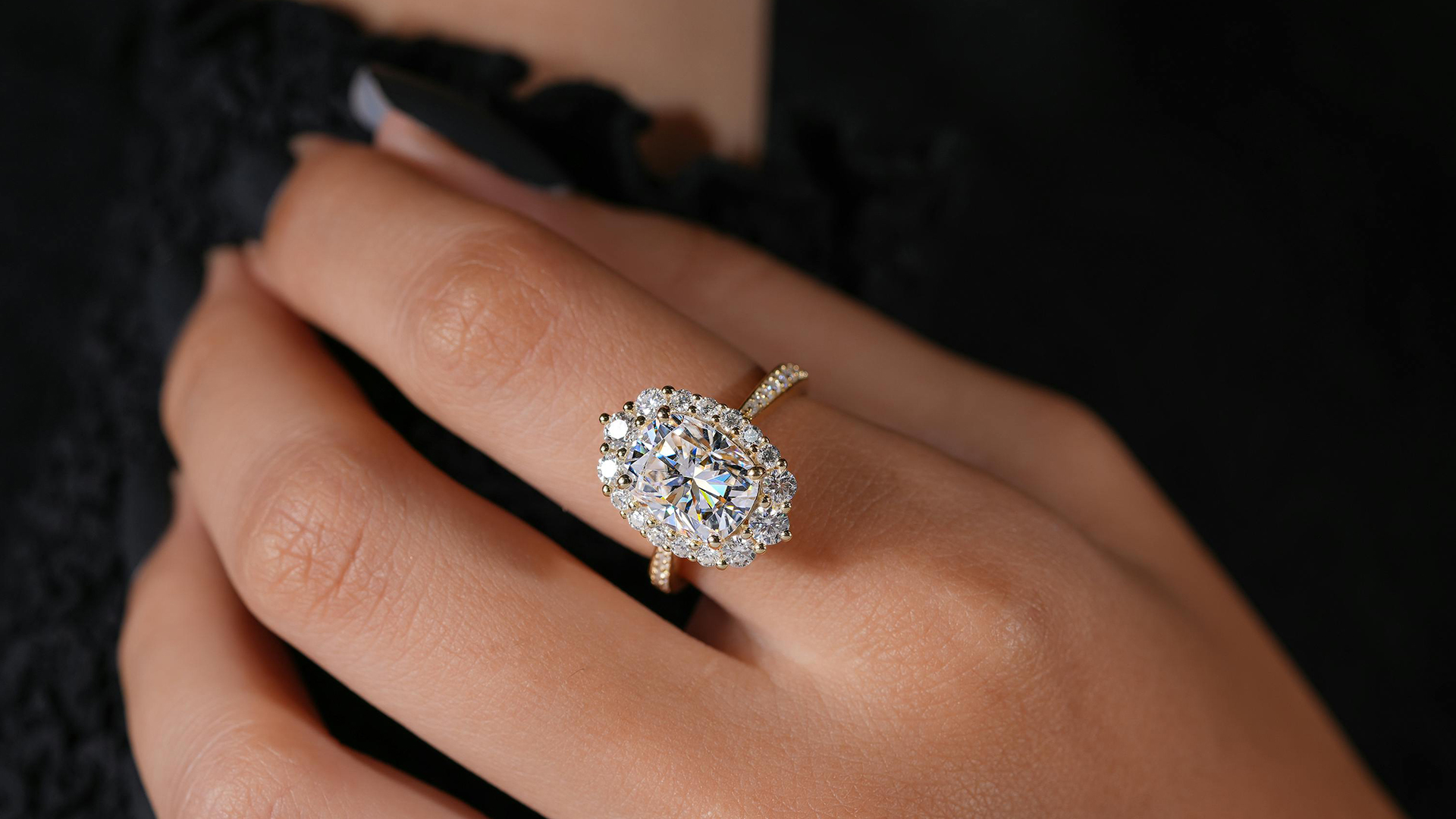
As the jewelry market evolves, several CVD diamond categories are showing strong growth.
1. Large Carat Engagement Rings
Large center stones continue to attract consumers who want maximum visual impact.
Popular choices include:
- 1ct CVD diamond rings
- 2ct–5ct statement engagement rings
- Oval cut diamonds
- Emerald cut diamonds
- Radiant cut diamonds
The combination of larger size and accessible pricing makes CVD diamonds especially popular among younger couples.
2. Minimalist Everyday Diamond Jewelry
The market is moving beyond traditional special-occasion jewelry.
Growing categories include:
- Small diamond necklaces
- Diamond stud earrings
- Stackable rings
- Everyday luxury pieces
Consumers are looking for jewelry that can be worn daily rather than stored for special events.
3. Customized Luxury Jewelry Collections
More brands are developing exclusive collections using CVD diamonds.
Customization trends include:
- Personalized engagement rings
- Unique gemstone combinations
- Custom diamond shapes
- Private label jewelry production
For wholesalers and jewelry brands, CVD diamonds provide opportunities to create differentiated product lines.
5. Why Jewelry Wholesalers Are Choosing CVD Diamonds
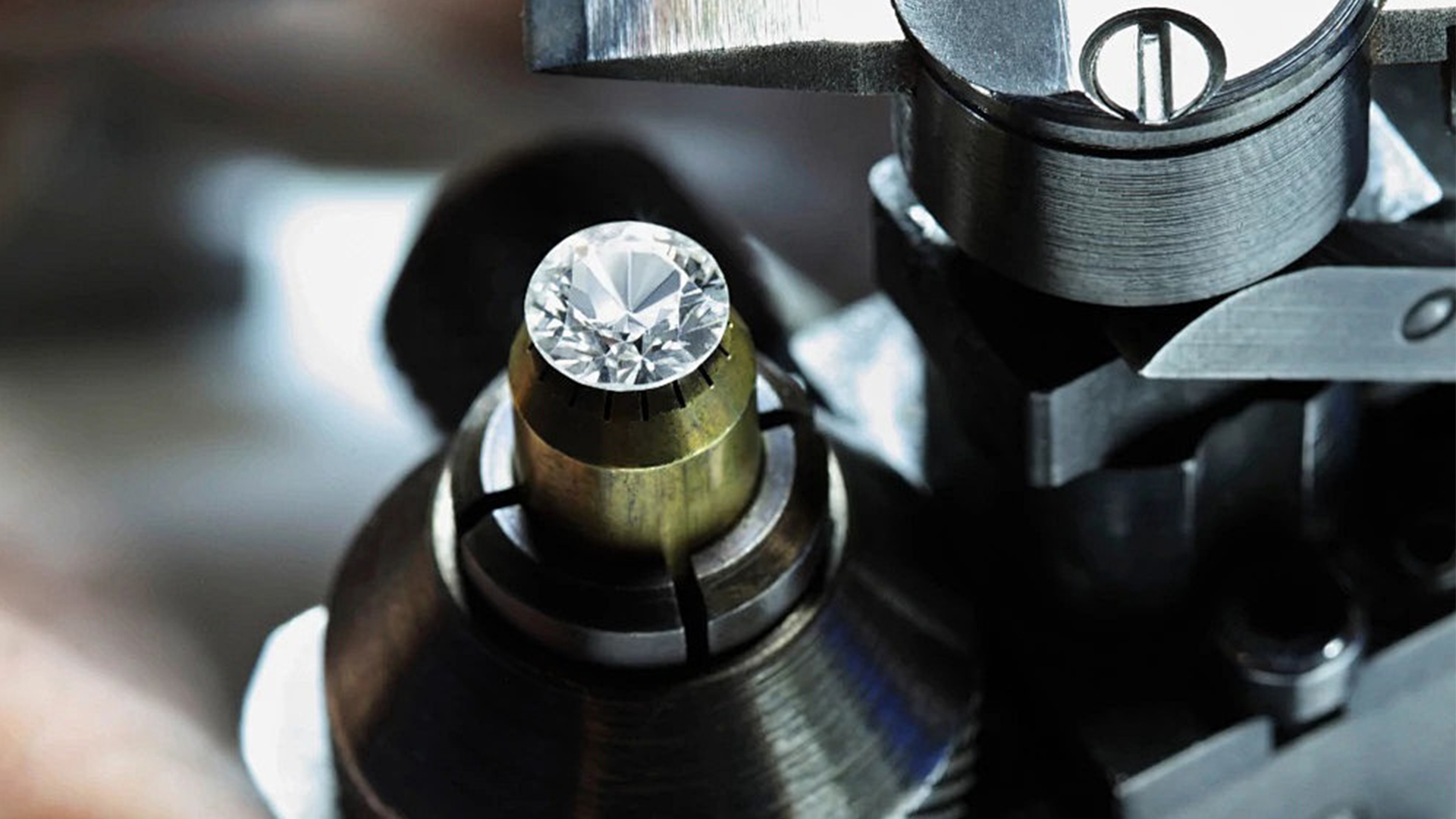
For B2B jewelry businesses, CVD diamonds provide several advantages.
Stable Supply Chain
Unlike mined diamonds, CVD production is not dependent on mining conditions or geological availability.
This allows manufacturers to provide:
- More stable inventory
- Faster production cycles
- Flexible customization
Higher Product Margin Opportunities
With lower raw material costs, wholesalers can create attractive pricing strategies while maintaining healthy margins.
CVD diamonds allow businesses to enter premium jewelry markets without requiring extremely high inventory investment.
Strong OEM/ODM Potential
CVD diamonds work especially well with OEM and ODM jewelry models.
Manufacturers can support:
- Custom designs
- Private label collections
- Bulk production
- Seasonal jewelry launches
This makes CVD diamonds an important category for international jewelry supply chains.
6. How to Choose High-Quality CVD Lab-Grown Diamonds?
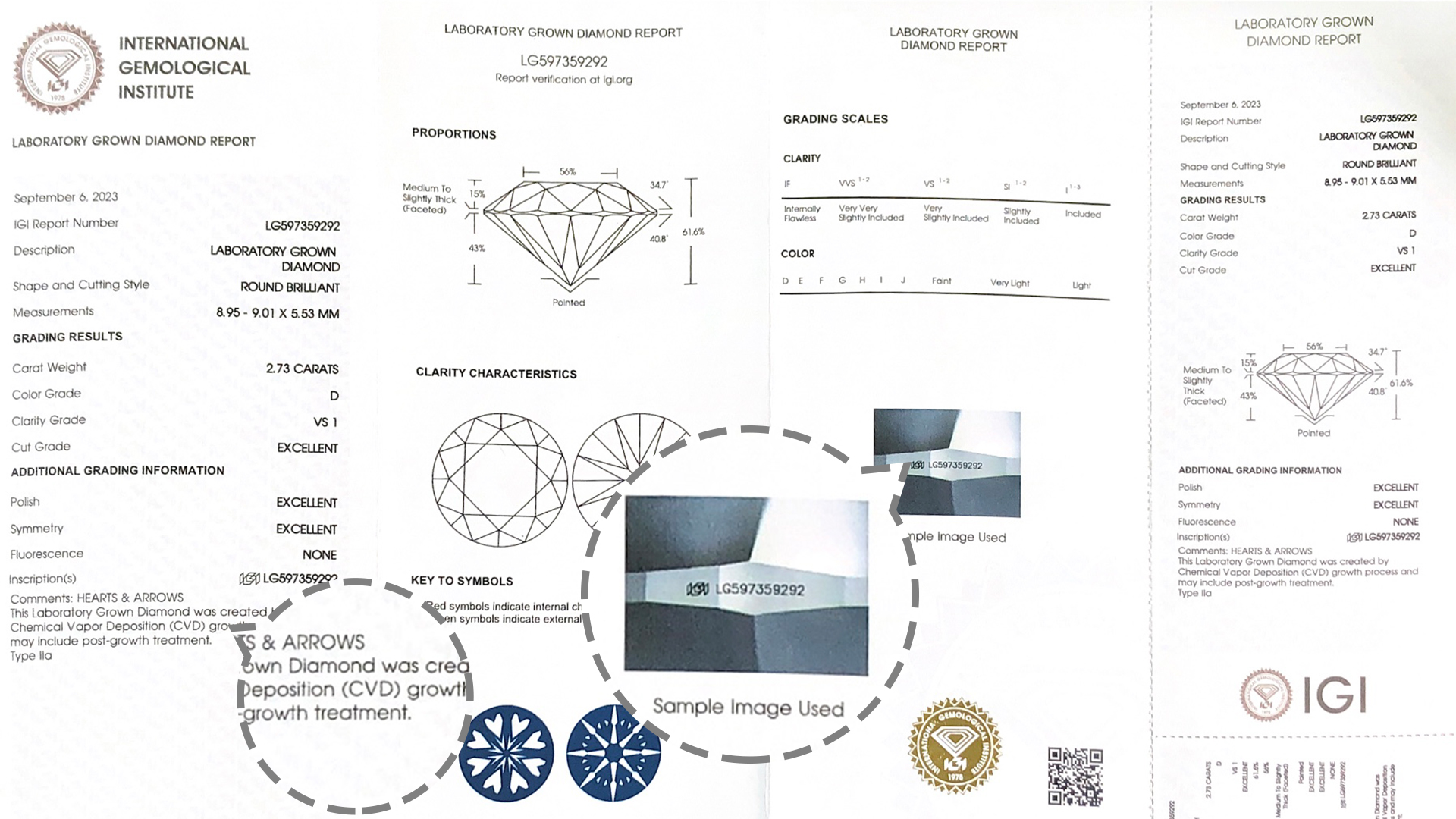
Professional buyers should focus on several key factors:
1. Diamond Certification
Reliable CVD diamonds should come with recognized certification, including:
IGI certification
GIA certification
Other internationally recognized gemological reports
2. The 4Cs Standard
Like natural diamonds, CVD diamonds are evaluated through:
Cut
Color
Clarity
Carat Weight
For premium jewelry collections, many brands prefer:
D–F color grades
VS clarity or higher
Excellent cut quality
3. Manufacturing Capability
For wholesalers and brands, choosing the right supplier is equally important.
A professional CVD diamond supplier should provide:
- Stable production capacity
- Quality inspection systems
- Custom design support
- OEM/ODM services
- Reliable international shipping
7. The Future of CVD Lab-Grown Diamonds
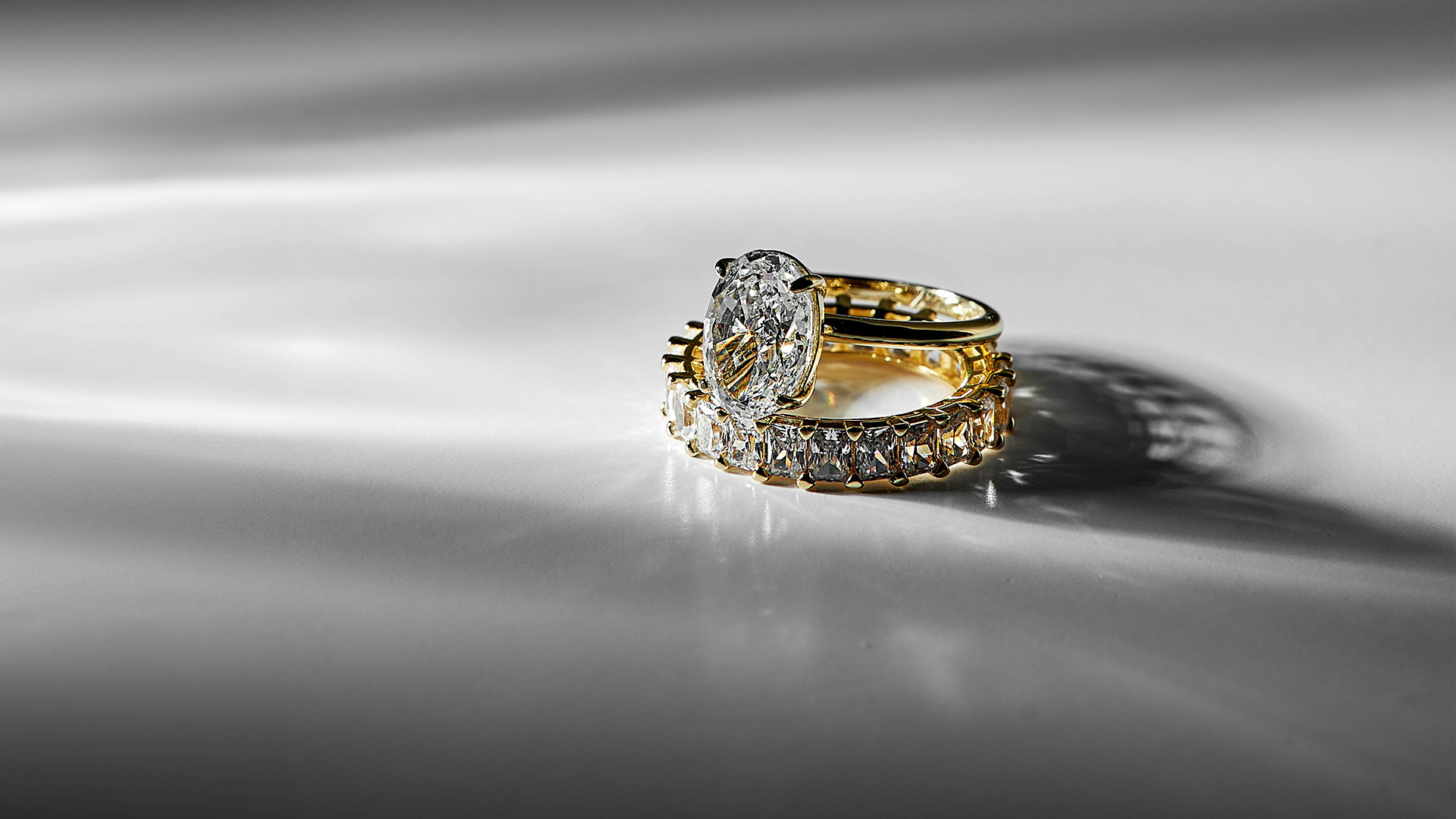
The growth of CVD diamond technology represents a major transformation in the jewelry industry.
Future trends include:
- Larger and higher-quality lab-grown diamonds
- More customized jewelry production
- Integration with digital design technology
- Growth of sustainable luxury brands
- Expansion of global wholesale markets
Rather than replacing traditional diamonds, CVD diamonds are creating a new segment of the jewelry market — one focused on technology, accessibility, and modern luxury.
Conclusion: CVD Diamonds Are Redefining Modern Jewelry
CVD Lab-Grown Diamonds combine advanced technology, exceptional beauty, and competitive value.
For consumers, they provide more choices and greater flexibility.
For jewelry brands, retailers, and wholesalers, they offer new opportunities in product development, customization, and global market expansion.
As the jewelry industry continues to evolve, CVD diamonds are becoming one of the most important innovations shaping the future of diamond jewelry.


