
A practical sourcing guide for jewelry brands, independent designers, retailers, and wholesale buyers.
Launching an original jewelry collection involves more than turning a sketch into a beautiful product. Successful custom jewelry manufacturing requires production-ready designs, suitable materials, reliable stone setting, sample approval, and a clear plan for costs and quantities. For an emerging jewelry brand, the challenge is often knowing where to begin. Do you need a professional CAD file? Can you order just one sample? What are the mold fees? And how do you protect your designs before working with a manufacturer? At MOSUP, we support OEM/ODM jewelry development, sample orders, private label projects, and wholesale sourcing. Our product expertise includes moissanite jewelry, lab-grown diamond jewelry, and lab-created gemstone jewelry.
This guide explains the manufacturing process and the practical decisions buyers should make before placing their first custom order.
1. What Is OEM/ODM Jewelry Manufacturing?
OEM (Original Equipment Manufacturing) generally means producing jewelry according to a customer's existing design and agreed specifications. ODM (Original Design Manufacturing) involves additional design and product development support. A project may begin with a sketch, inspiration image, physical sample, or initial concept rather than a finished manufacturing file. Consider a new jewelry brand developing its first three original pieces:
- A signature charm.
- A delicate gemstone necklace.
- A pair of minimalist earrings.
The founder may already have the CAD skills to design all three pieces. In that case, the manufacturer can focus on reviewing the files, preparing prototypes, sourcing materials, and producing samples. Another founder may have only hand sketches and product references. That project would require more design development before manufacturing. Both approaches can work. The essential requirement is an approved design that can be manufactured consistently.
2. Who Can Work With MOSUP?
Jewelry Brands
Independent and established jewelry brands can develop new collections, original designs, and production-ready samples. Our services can support early-stage product development as well as repeat production once a design has been approved.
Retailers & Wholesalers
Retailers and wholesale buyers can explore existing jewelry styles, discuss customized specifications, and source products in quantities suited to their business. For brands testing a new market, purchasing existing styles before investing in original tooling can be a practical first step.
Independent Jewelry Designers
Designers can submit sketches, technical drawings, CAD files, reference images, or physical samples. If you already create your own 3D models, you can retain control of the design process while working with a manufacturing partner on technical review, sampling, and production.
Individual Customers
Selected one-piece custom projects are also welcome, including engagement rings, wedding bands, personalized gifts, and meaningful one-of-a-kind jewelry. Project feasibility, materials, pricing, and delivery requirements are reviewed individually.
3. What Types of Jewelry Can Be Customized?
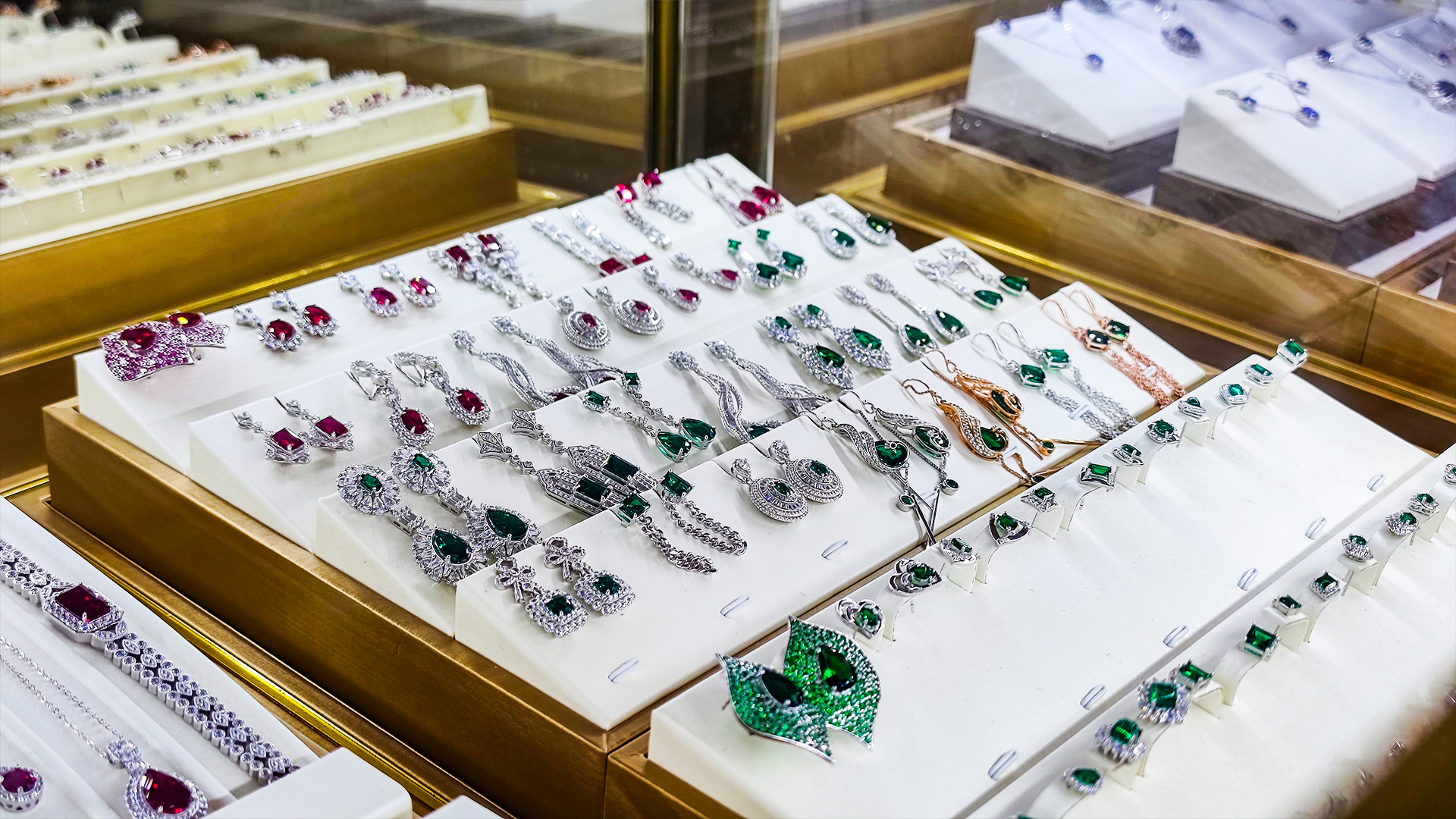
MOSUP supports a wide range of custom jewelry categories.
Custom Rings
Engagement rings, wedding bands, eternity rings, couple rings, anniversary rings, cocktail rings, and stacking rings. Customizable features may include ring size, band width, gemstone proportions, setting style, and metal choice.
Custom Necklaces
Name necklaces, initial necklaces, cross necklaces, tennis necklaces, zodiac necklaces, layered necklaces, and pendant necklaces. Development may involve chain length, pendant dimensions, gemstone placement, engraving, and clasp selection.
Custom Earrings
Stud earrings, hoop earrings, drop earrings, iced-out earrings, halo studs, bridal earrings, initial studs, and three-stone studs. For earrings, a manufacturing review should consider weight, balance, post dimensions, backing security, and symmetry between matching pieces.
Custom Bracelets
Tennis bracelets, Cuban link bracelets, charm bracelets, birthstone bracelets, iced-out bangles, single-row bracelets, and double-row bracelets. Links, clasps, hinges, and other moving components need particular attention during sampling. Not every design requires an entirely new development process. Some can be created by modifying an existing style, while others need original CAD work and dedicated tooling.
4. Four Key Technologies Behind Custom Jewelry Manufacturing
Understanding how jewelry is made helps buyers evaluate quality, production feasibility, and development costs.
4.1 Jewelry CAD Design: Turning Ideas into Production-Ready Models
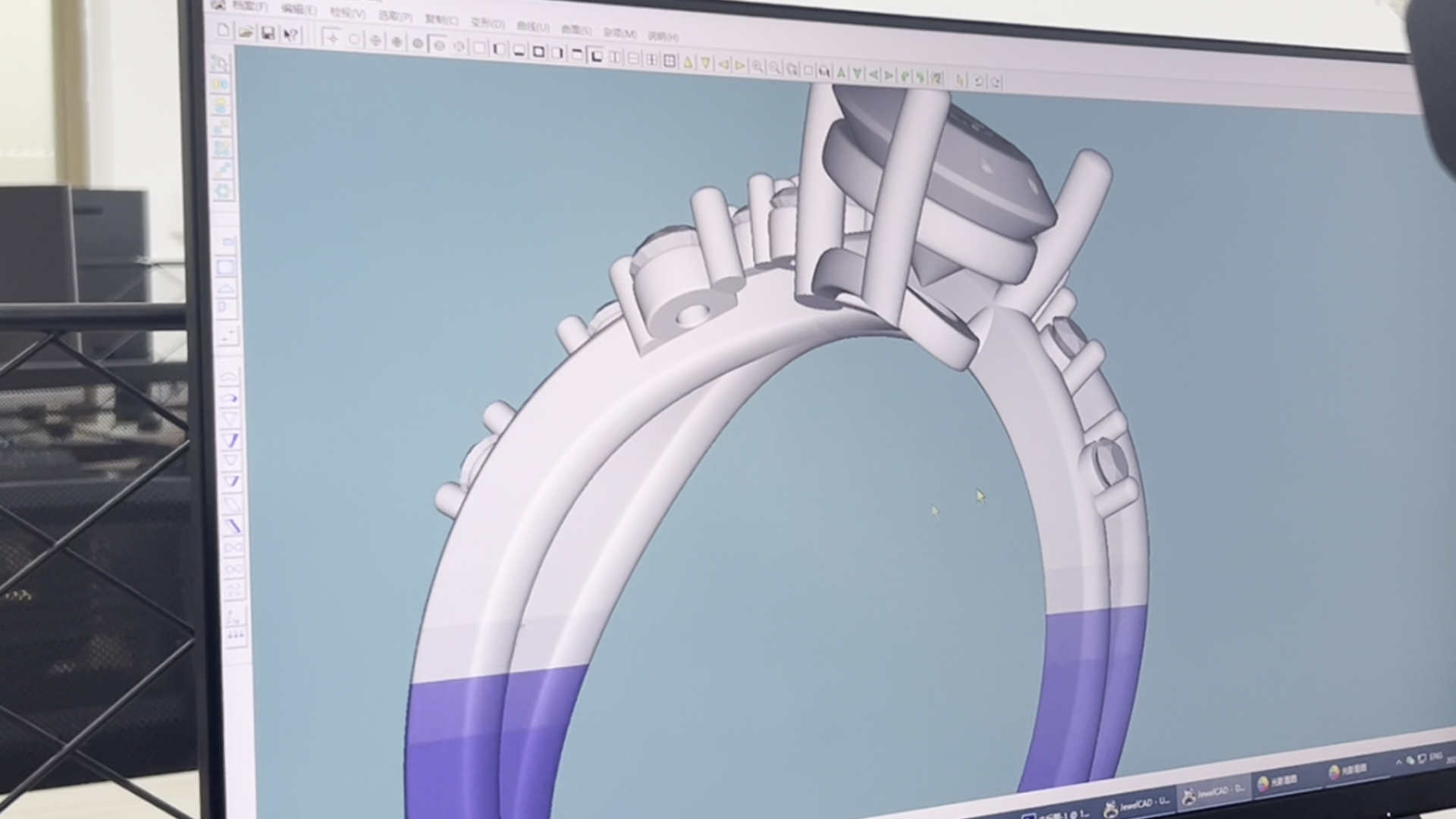
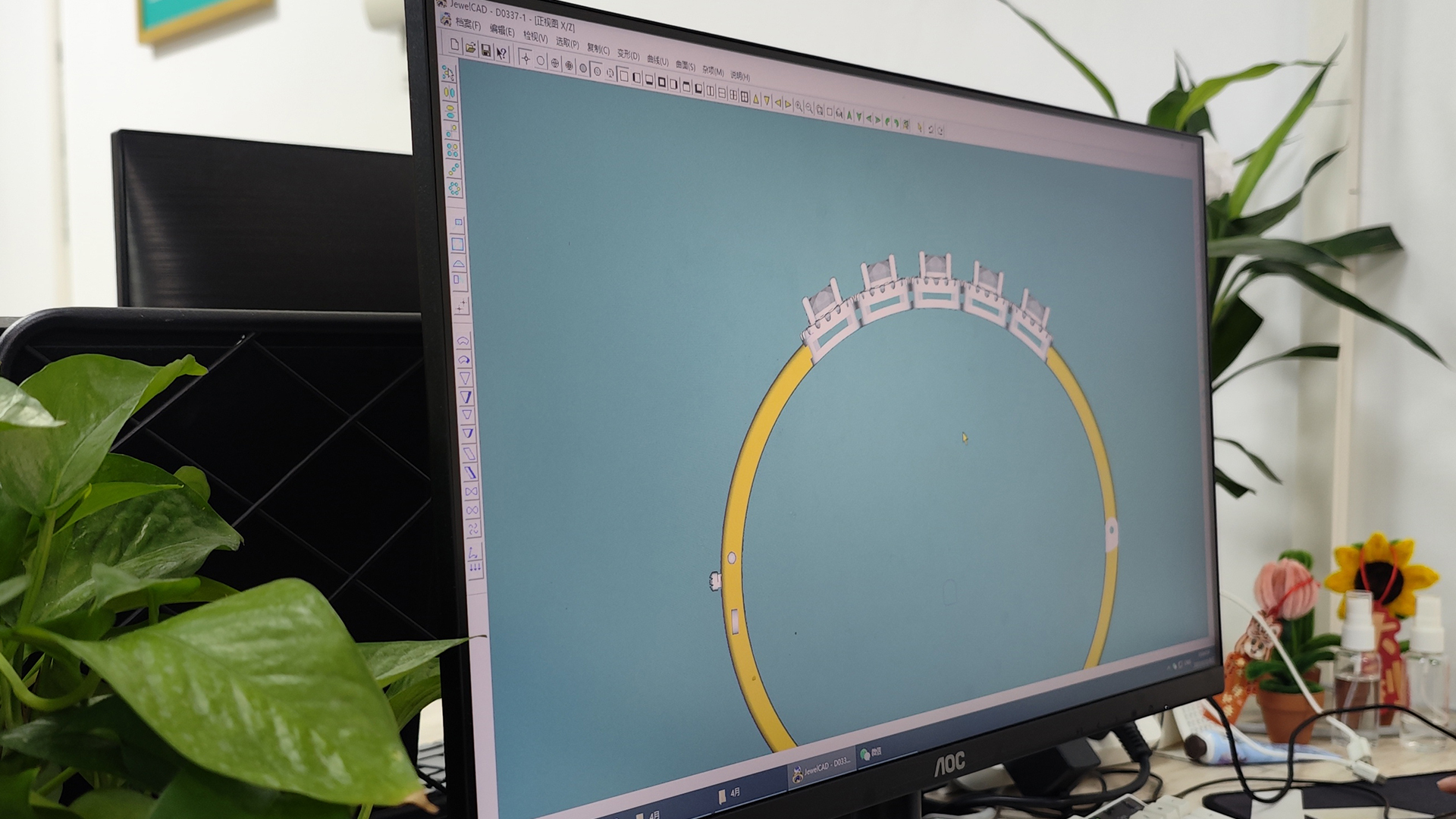
Jewelry CAD / ZBrush / Rhino
Computer-Aided Design (CAD) allows manufacturers and jewelry designers to develop accurate three-dimensional models before physical production begins. Rhino is commonly used for dimensional modeling and complex jewelry structures. ZBrush is useful for sculptural and organic details, while specialized jewelry CAD tools support tasks such as gemstone placement and design visualization. A custom jewelry project may begin with:
- Hand sketches or technical drawings.
- Photographs or inspiration images.
- Existing CAD designs.
- Physical jewelry samples.
- Requests to modify existing styles.
CAD development can help clarify the overall shape, gemstone dimensions, ring profile, metal thickness, and assembly structure. It also allows buyers to review design proportions before committing to physical production.
What should buyers check?
A visually attractive CAD rendering does not automatically mean the design is ready to manufacture. Check whether the model provides sufficient metal thickness, properly designed stone seats, workable prongs, and realistic clearances for casting, finishing, and assembly. If your brand already has a complete CAD file, you may not need a new modeling service. However, a design-for-manufacturing review remains important.
4.2 Precision 3D Wax Printing: From Digital Design to Physical Models
3D Wax Printing — 5000 DPI / 6.35 μm Layer Thickness
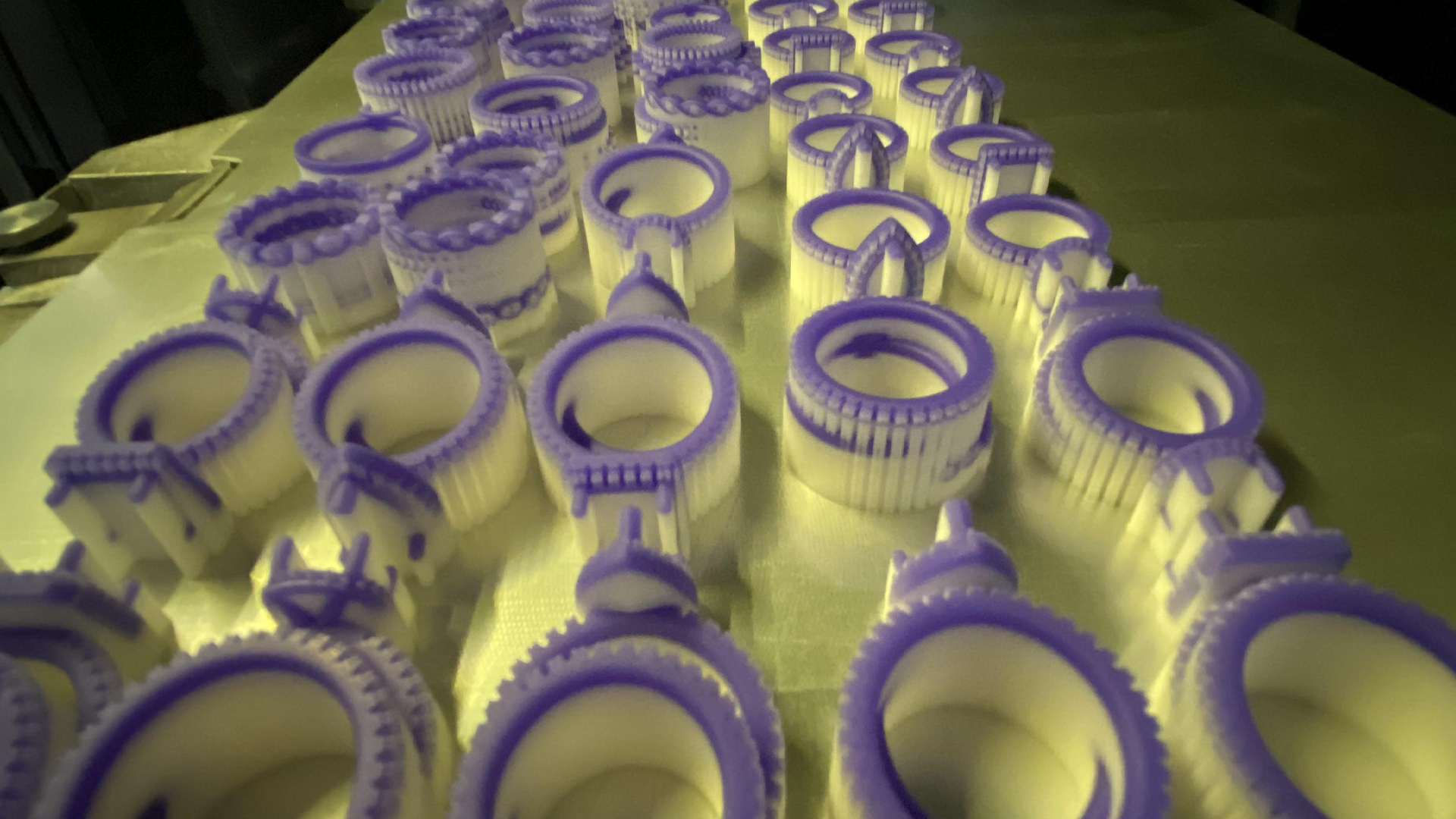
Once the CAD design has been prepared, 3D wax printing can be used to produce a detailed physical pattern for jewelry casting. MOSUP's stated custom manufacturing specifications include 5000 DPI printing resolution and a fine layer thickness of 6.35 μm for applicable wax-printing workflows.
These figures describe printing capabilities rather than guaranteed dimensional accuracy in the finished metal jewelry. A typical manufacturing sequence includes:
- Preparing the approved CAD model.
- Printing a wax pattern.
- Preparing the pattern for investment casting.
- Casting the chosen metal.
- Removing casting material and refining the metal.
- Stone setting and final finishing.
3D printing can reduce the need for traditional tooling during early prototype development, particularly when only one sample is required. However, this does not mean that molds are never needed. Depending on the design and planned production volume, reusable molds or additional tooling may be required for repeat manufacturing. Buyer tip: Ask whether your quotation includes wax printing, casting, reusable molds, and any tooling needed for future reorders.
4.3 Professional Stone Setting: Detail, Security, and Appearance
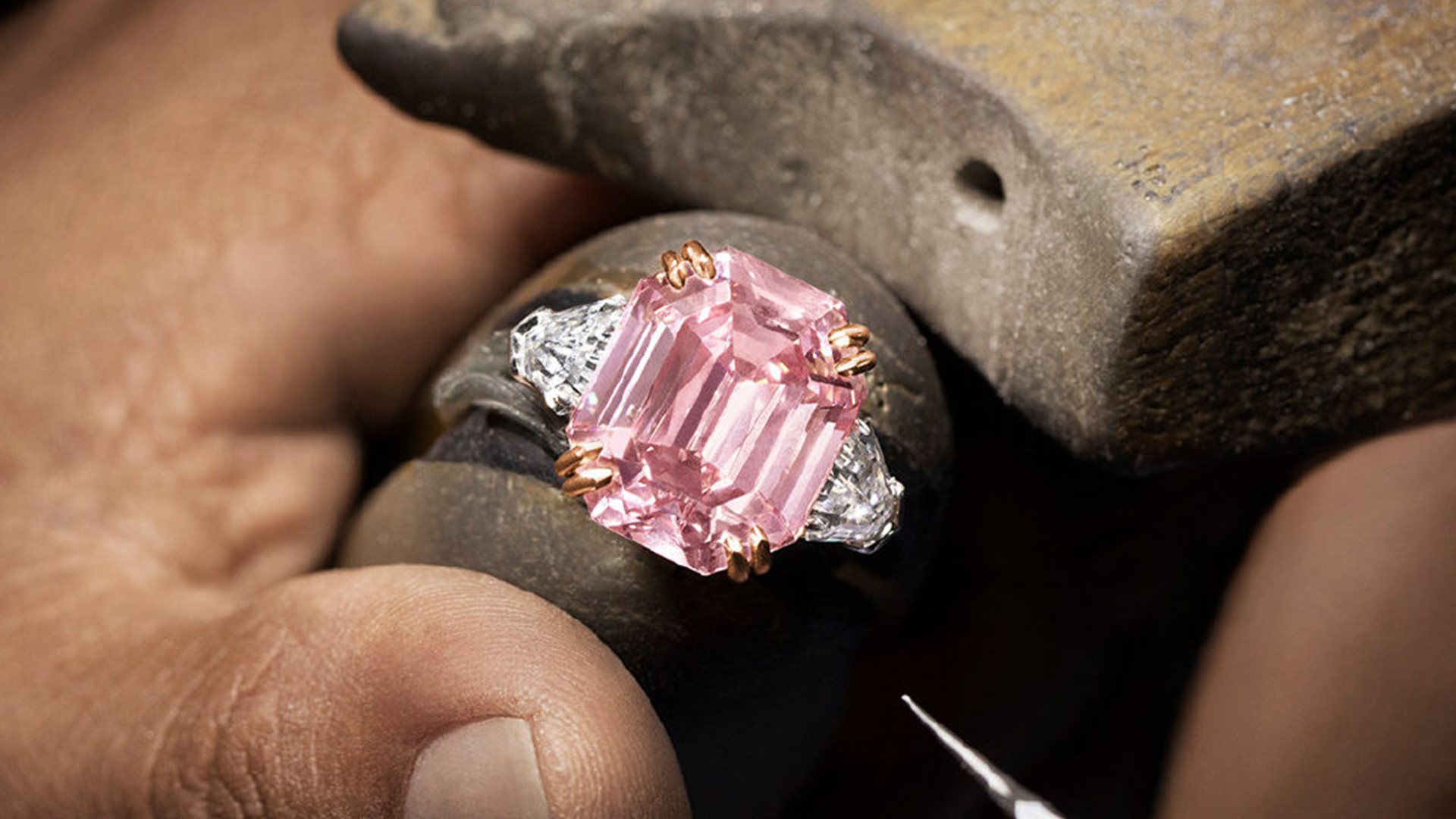
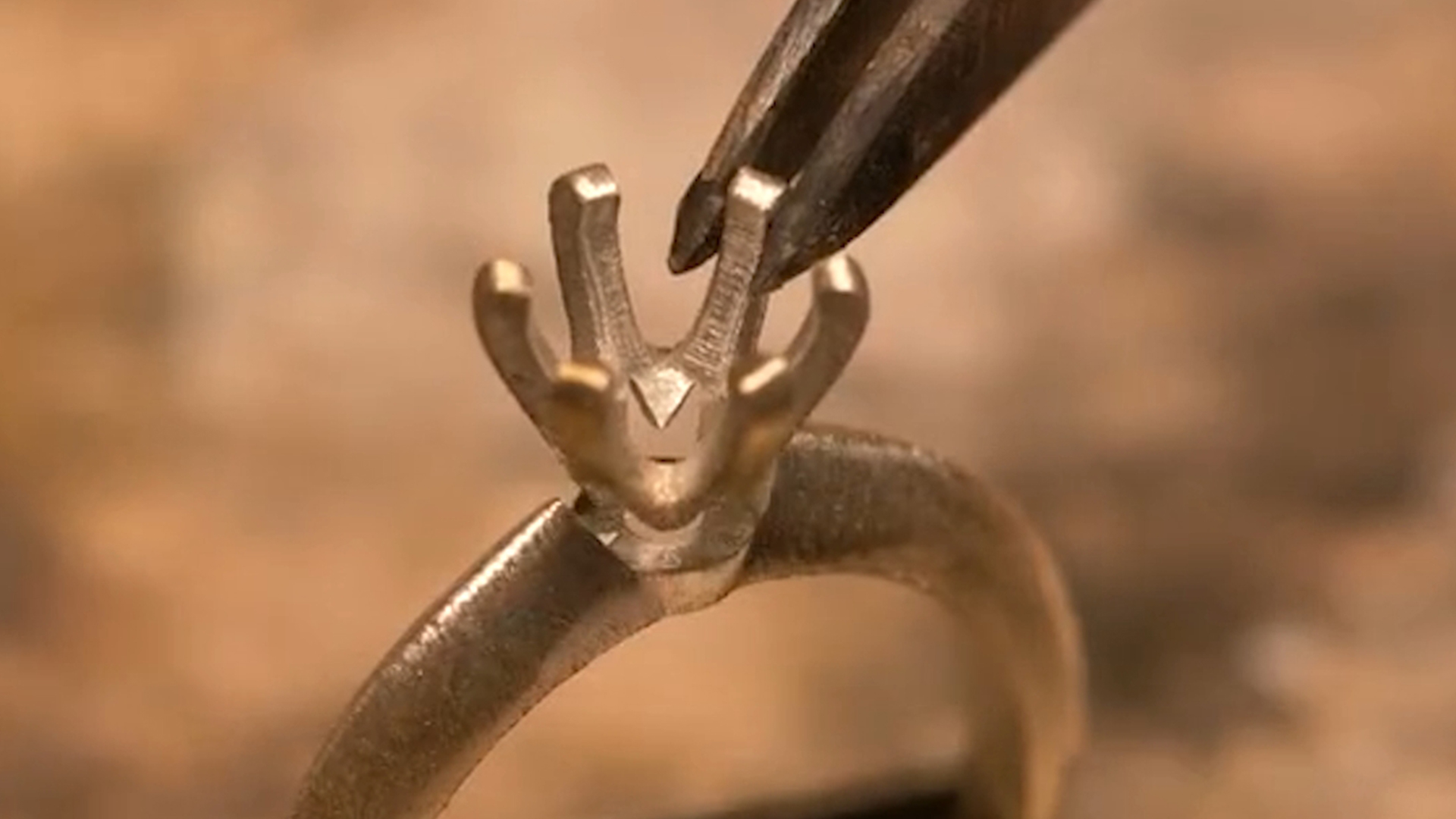
Stone setting is one of the most important stages of gemstone jewelry production. A well-designed setting should hold the gemstone securely while achieving the intended visual result. Common options include:
Prong Setting
Metal prongs secure a gemstone in place. This is widely used for moissanite and lab-grown diamond engagement rings, particularly when the design emphasizes a center stone.
Micro-Pavé Setting
Small gemstones are positioned closely together, typically with magnification-assisted setting techniques. Micro-pavé is frequently used on ring bands, halo settings, and decorative surfaces.
Bezel Setting
A metal rim surrounds part or all of the gemstone's perimeter. It can offer a clean appearance and greater edge protection in suitable designs.
Wax Setting / Stone-in-Place Casting
Certain gemstones may be positioned in the wax model before casting. This is a specialized process rather than conventional hand setting, and not every gemstone is suitable for the temperatures and conditions involved.
For larger center stones, setting design should also account for stone dimensions, prong strength, setting height, and the intended use of the finished piece.
What should buyers check?
Review stone alignment, prong contact, visible gaps, setting security, and consistency across matching pieces. A successful sample should demonstrate both attractive craftsmanship and reliable construction.
4.4 Multi-Stage Polishing, Plating, and Surface Finishing
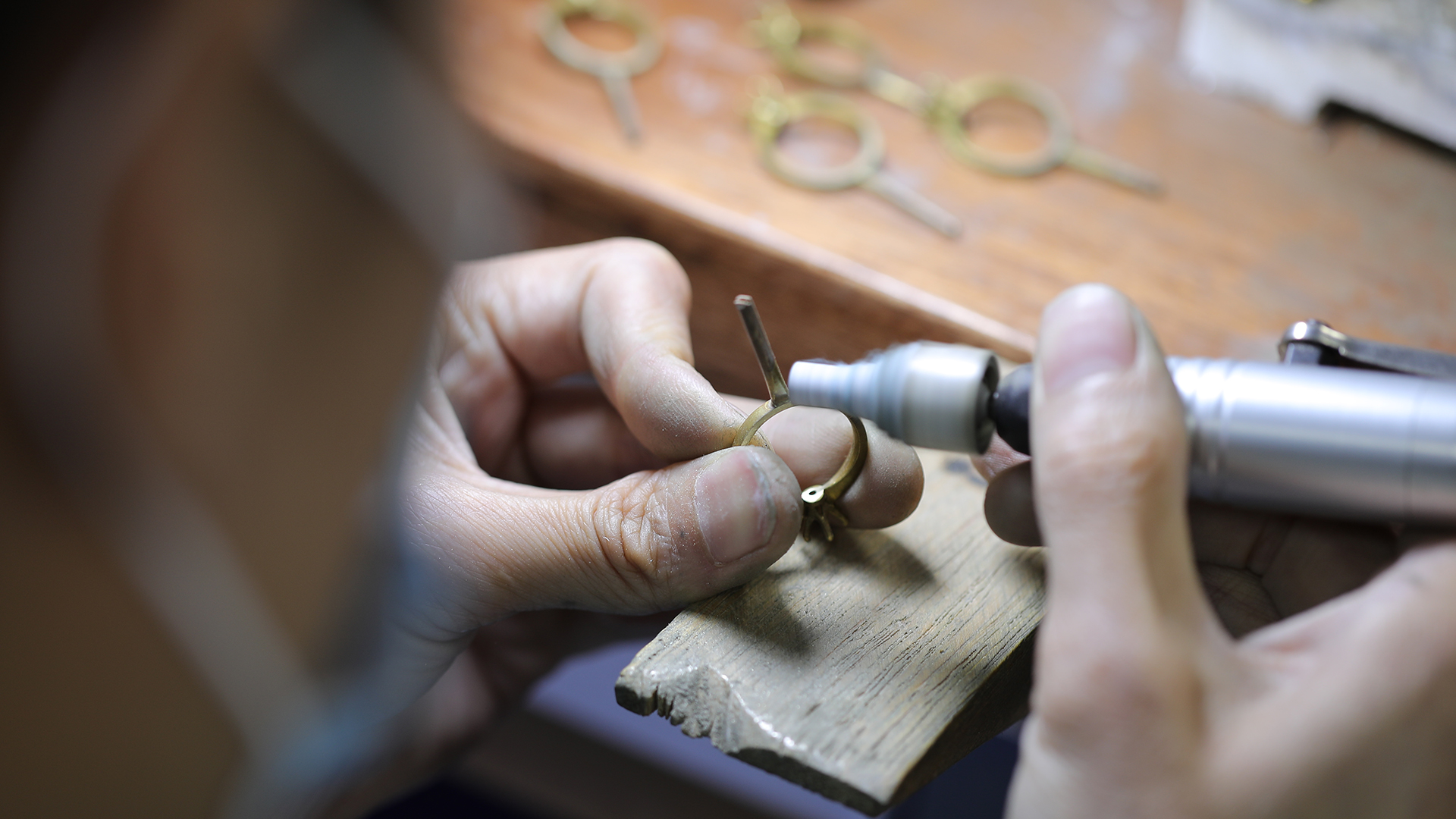
Multi-Stage Polishing & Plating
The final appearance of a jewelry piece depends on more than its original CAD design.
After casting and assembly, metal surfaces may require filing, grinding, polishing, cleaning, and additional finishing.
Depending on the intended design, finishes may include:
- High Polish
- Matte Finish
- Brushed Finish
- Satin Finish
- Textured Finish
- Hammered Finish
MOSUP can discuss projects in sterling silver, 10K, 14K, and 18K gold, as well as platinum. Additional options, including 9K gold, are subject to project requirements and manufacturing feasibility. Gold-plated sterling silver is another possible option for selected collections. It is important to distinguish between solid gold jewelry and gold-plated jewelry. An 18K gold ring is made from an 18K gold alloy. An 18K gold-plated silver ring has a sterling silver base covered with a gold plating layer. The two have different material costs, maintenance considerations, and pricing positions. For plated jewelry, buyers should confirm the plating material, thickness, color, and applicable quality requirements. A heavier plating specification may improve wear resistance in suitable applications, but no plating process should be described as permanently resistant to wear.
5. What Jewelry Details Can You Customize?
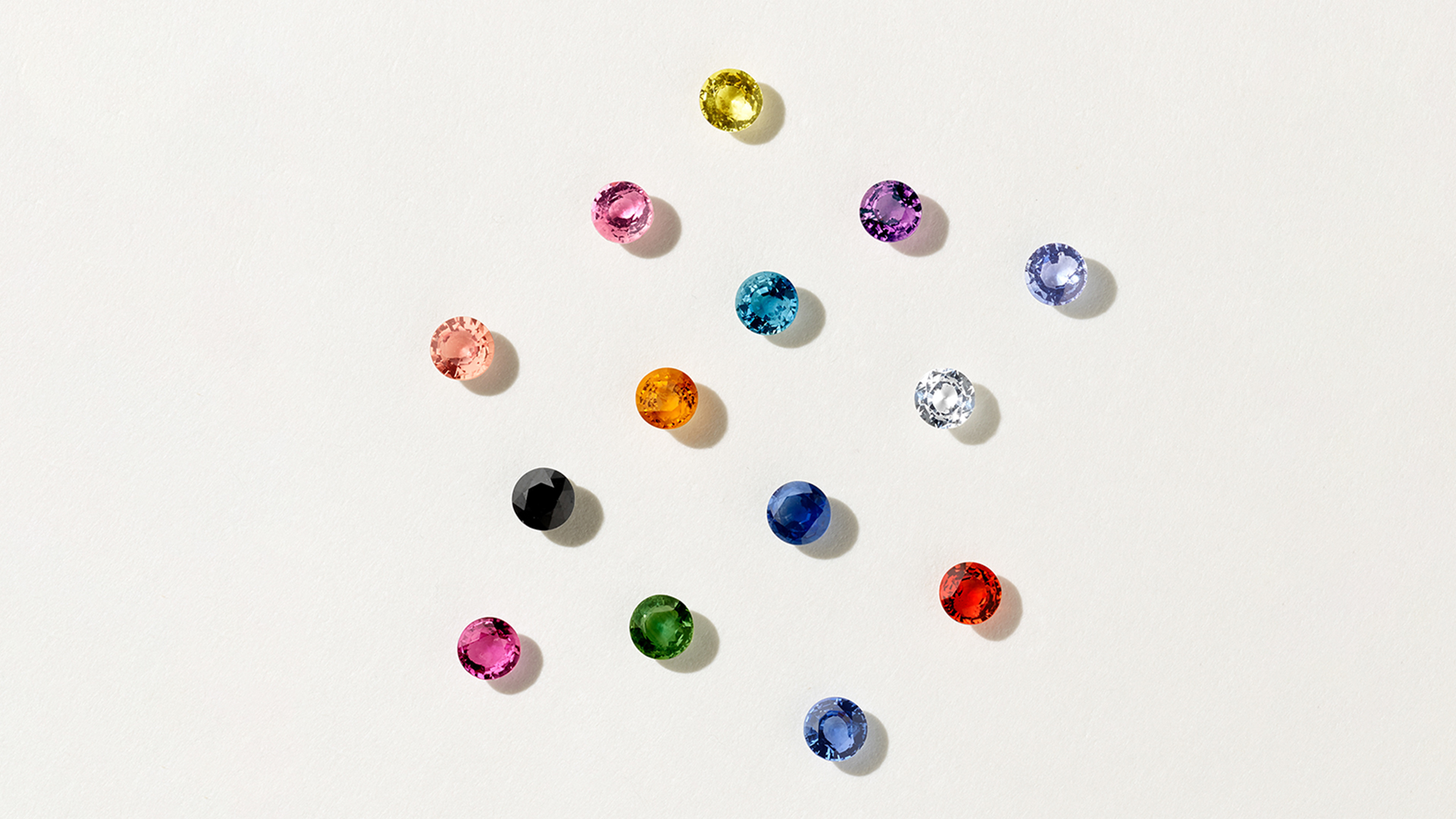
A custom jewelry project can involve much more than changing the gemstone.
Metal Materials
Available project options may include:
- S925 Sterling Silver
- 10K Gold
- 14K Gold
- 18K Gold
- Platinum
- Gold-Plated Sterling Silver
- Other suitable metals, subject to project review
Metal selection should reflect the design, durability requirements, target retail price, and intended customer.
Gemstone Materials
MOSUP can discuss a variety of gemstone options, including:
- Moissanite
- Lab-Grown Diamonds
- Lab-Created Gemstones
- Cubic Zirconia (CZ)
- Natural Gemstones
- Pearls
- Colored Stones
These materials differ in appearance, hardness, sourcing costs, and manufacturing requirements. For example, cubic zirconia and lab-grown diamonds are not interchangeable materials, even if a design uses similar gemstone dimensions.
Gemstone Cuts and Shapes
Available shapes for discussion include: Round Brilliant, Oval, Cushion, Princess, Radiant, Pear, Marquise, Heart, Trillion, Emerald, Asscher, Kite, Hexagon, and Shield. Specialty shapes and custom-cut stones require confirmation of availability, exact measurements, and production cost.
Jewelry Design and Structure
Customization may include overall shape, ring profile, band width and thickness, pendant dimensions, earring proportions, and component connections.
Engraving and Personalization
Names, initials, dates, personal messages, symbols, logos, custom patterns, and handwriting-inspired designs can add distinctive details.
Branding and Private Label
For jewelry businesses, branding options may include logo engraving, brand names, product tags, suitable metal marks, and customized packaging. Hallmarks and regulated metal markings must meet the applicable requirements of the destination market.
6. What Design Files Do You Need for Custom Jewelry Production?
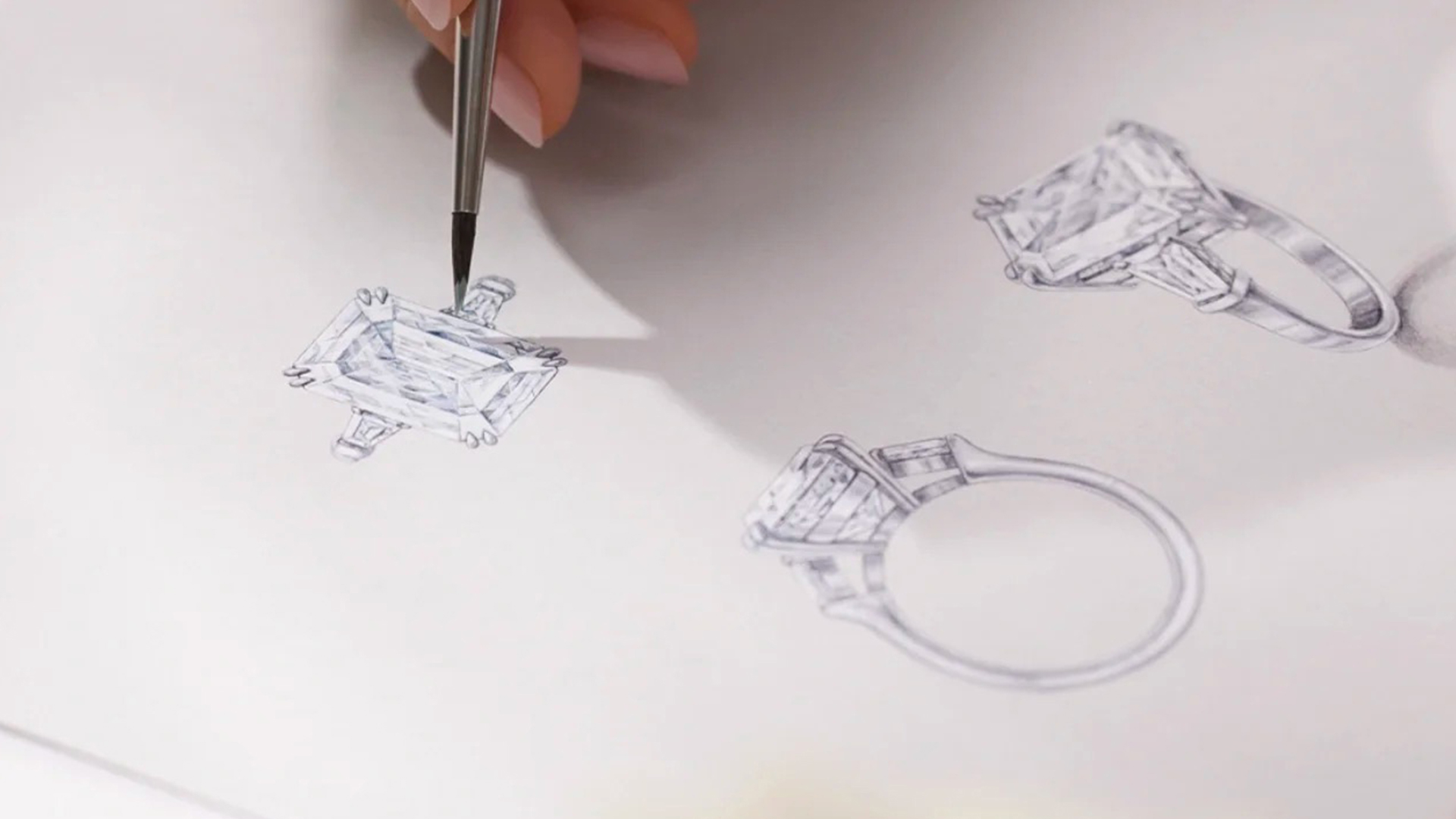
You do not always need a finished 3D model to begin a custom jewelry project. A sketch, technical drawing, inspiration image, or physical sample may be enough for an initial discussion. However, precise manufacturing generally requires a properly prepared design file and complete specifications.
For designers who create their own CAD models, the most common file formats include:
| Format | Typical use | Important considerations |
| STL | 3D printing preparation | Mesh quality, scale, geometry |
| 3DM | Rhino CAD models | Model structure, editable geometry, units |
| STEP / STP | CAD model exchange | Geometry compatibility, dimensions |
| Technical Drawing | Manufacturing specifications | Dimensions, materials, tolerances |
| Hand Sketch | Early design development | Additional CAD work may be needed |
These are commonly used industry formats. Exact file acceptance, software versions, and conversion requirements should be confirmed with MOSUP's technical team before submission.
What Should Be Included With Your CAD Files?
For a smoother production review, provide:
- The original CAD model and relevant exports.
- Reference images of the intended finished piece.
- Product dimensions in millimeters.
- Metal type and preferred finish.
- Gemstone shapes, sizes, and quantities.
- Setting details.
- Target product weight, if available.
- Sample quantity and expected production volume.
For a brand developing multiple designs, it is helpful to organize each style under a separate reference number.
7. Do Manufacturers Check Customer-Supplied CAD Files?
A CAD model may look correct on screen but still present problems during printing, casting, stone setting, or finishing. This is why a design-for-manufacturability (DFM) review matters. A technical review may examine:
Metal Thickness
Are the structural sections strong enough for casting, finishing, and everyday wear?
Prong and Setting Dimensions
Is there enough metal to secure the selected gemstones?
Gemstone Clearances
Are the stone seats correctly sized, and is there sufficient space around adjacent stones?
Casting Feasibility
Can the design be cast without unacceptable risks of incomplete filling, deformation, or difficult cleanup?
Finishing Allowances
Could polishing remove material from an already delicate section?
Assembly and Wearability
Will clasps, links, posts, and other components work as intended?
There is no single minimum wall thickness or prong dimension suitable for every jewelry design. Acceptable measurements vary according to the metal, gemstone, setting style, manufacturing method, and structural requirements. Before proceeding, buyers should ask whether the supplier provides a file review, whether that review carries a fee, and how minor corrections are charged.
8. How Does the Custom Jewelry Manufacturing Process Work?
A well-managed custom project should follow clear approval stages.
Step 1 — Submit Your Design Brief
Share your sketches, CAD files, reference images, or samples. Include your preferred metal, gemstones, estimated quantity, and target budget.
Step 2 — Feasibility Review and Initial Quotation
The manufacturing team reviews the project, identifies potential technical issues, and discusses suitable materials and production methods.
Step 3 — CAD Approval
If you provide finished CAD files, the project can move toward technical verification. If you begin with a sketch, CAD development may be needed before manufacturing.
Step 4 — Prototype and Sample Development
A physical sample is produced using the agreed materials and methods. For eligible designs, a single sample can be arranged before bulk production.
Step 5 — Sample Inspection and Approval
Check dimensions, gemstone alignment, surface finish, weight, structure, comfort, and overall appearance. Any necessary adjustments should be agreed before production begins.
Step 6 — Bulk Production
Once the sample and production specifications are approved, manufacturing can begin according to the agreed quantity, pricing, and schedule.
Step 7 — Quality Control
Inspection should cover the approved material and gemstone specifications, dimensions, setting quality, finish, engraving, and overall consistency.
Step 8 — Packaging and Worldwide Shipping
Products are prepared according to the confirmed packaging, logistics, and delivery arrangements.
9. How Much Does Custom Jewelry Manufacturing Cost?
There is no universal price for custom jewelry development. A simple sterling silver charm and an intricate gold ring with multiple gemstones require different materials, labor, and manufacturing processes. When requesting an initial quotation, buyers should ask for an itemized cost breakdown.
| Cost component | What to confirm |
| CAD Development | Is new modeling required? |
| File Review | Is DFM checking charged separately? |
| 3D Printing | Is the wax or resin model included? |
| Mold / Tooling | Is a reusable mold required? |
| Sample Production | Which metal, stones, and finishing steps are included? |
| Unit Price | What is the price at the planned production quantity? |
| Shipping | What are the delivery costs and terms? |
Example: Requesting a Comparative Quote
Suppose you are developing a delicate pendant for a new collection. You could request four configurations:
Option A: S925 sterling silver with cubic zirconia.
Option B: S925 sterling silver with lab-grown gemstones.
Option C: Gold-plated S925 silver with cubic zirconia.
Option D: Gold-plated S925 silver with lab-grown gemstones.
Comparing these options can help establish the relationship between production cost, design appearance, and intended retail pricing. If you already have production-ready CAD files, mention this in your request. It may reduce the need for new modeling work, although technical checks or corrections may still be required. A reliable quotation should distinguish between one-time development charges and repeat production costs.
10. Can You Start With Three Samples and Then Order 50–99 Pieces?
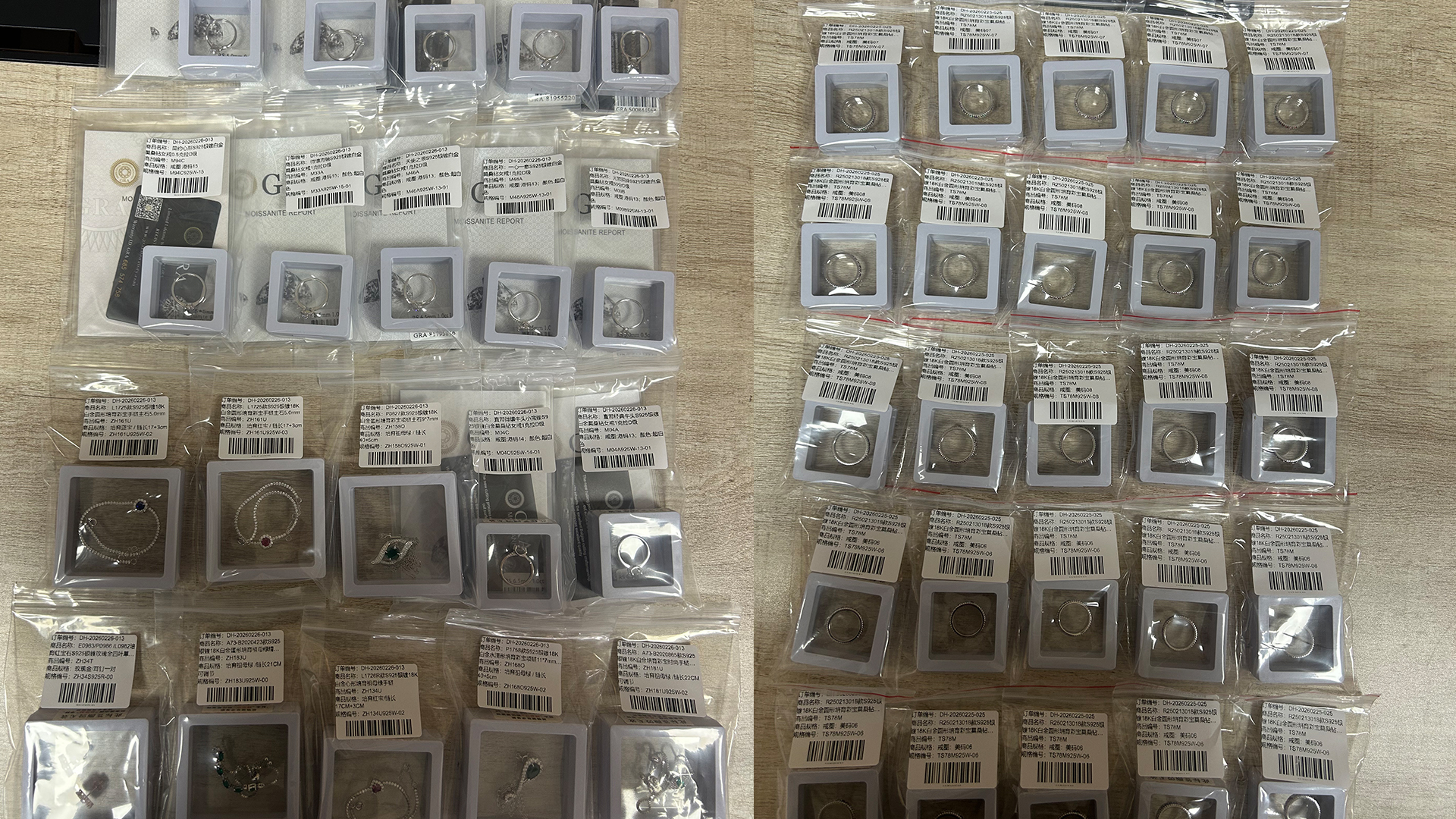
For a new brand, sampling each original design before ordering production inventory is a sensible approach. Imagine a collection consisting of three designs:
| Original design | Initial samples | Planned production |
| Signature Charm | 1 | 20–30 pieces |
| Fine Necklace | 1 | 20–30 pieces |
| Matching Earrings | 1 pair | 20–30 pairs |
| Total | 3 sample styles | 60–90 units |
The first samples allow you to evaluate dimensions, metal finishing, stone quality, overall proportions, and consistency with your original design. Once the samples are approved, you can discuss the intended production quantity. MOSUP offers no minimum order quantity for its ready-to-ship wholesale range. Custom manufacturing quantities are evaluated separately according to the design, metal, gemstones, tooling, and production requirements. For some custom projects, small production runs starting around 10 pieces may be discussed. However, a combined first order of 50–99 pieces does not automatically mean that every individual design qualifies for the same MOQ. Ask your manufacturing partner to confirm the minimum quantity for each design, material, and finish before committing to production.
An Alternative: Modify Existing Jewelry Designs
If you are still finalizing your original collection, another option is to start with existing jewelry styles that already suit your brand. You may be able to modify elements such as the gemstone, metal, dimensions, finish, or engraving. Depending on the design, this can reduce the amount of original development work required. It also allows brands to test product categories and price points while continuing to develop proprietary designs.
11. How Long Does Custom Jewelry Sampling and Production Take?
Lead times vary depending on the design, materials, manufacturing process, and number of revisions. MOSUP's current custom service information lists the following general references:
| Development stage | General reference |
| Simple CAD drawings | Around 1–3 days |
| Custom samples | Around 10–15 days |
| Bulk production | Quoted according to quantity and complexity |
These are general planning references, not guaranteed completion dates for every project. Supplying your own CAD file may reduce the modeling stage, but it does not eliminate file review, prototype preparation, casting, stone setting, or sample inspection. Complex gemstone cuts, multiple revisions, or specialized tooling may extend the schedule. Likewise, ready-to-ship inventory and original custom manufacturing should be treated as different fulfillment processes.
12. How Can You Protect Your Original Jewelry Designs?
For jewelry brands, design confidentiality is often as important as manufacturing quality. MOSUP offers NDA support for confidential designs and commercial projects. Before sharing sensitive files or paying development fees, consider confirming the following in writing:
Design Ownership
Who owns the original sketches, CAD files, and design rights?
Confidentiality
How will the manufacturer handle private files, technical drawings, and commercially sensitive information?
Exclusivity
Can the same design be reproduced, displayed, or offered to other customers?
Mold Ownership
If the customer pays for a mold, who owns it, who stores it, and who may use it?
Future Production
Can the customer use the same mold for reorders, and under what conditions?
Project Completion
What happens to the design files and tooling if the manufacturing relationship ends? A Non-Disclosure Agreement can address confidentiality, but it does not automatically settle every question involving intellectual property, molds, and exclusive manufacturing rights. For original branded collections, these conditions should be clearly documented in the relevant agreement.
13. Can You Combine Private Label Jewelry With Original OEM Designs?
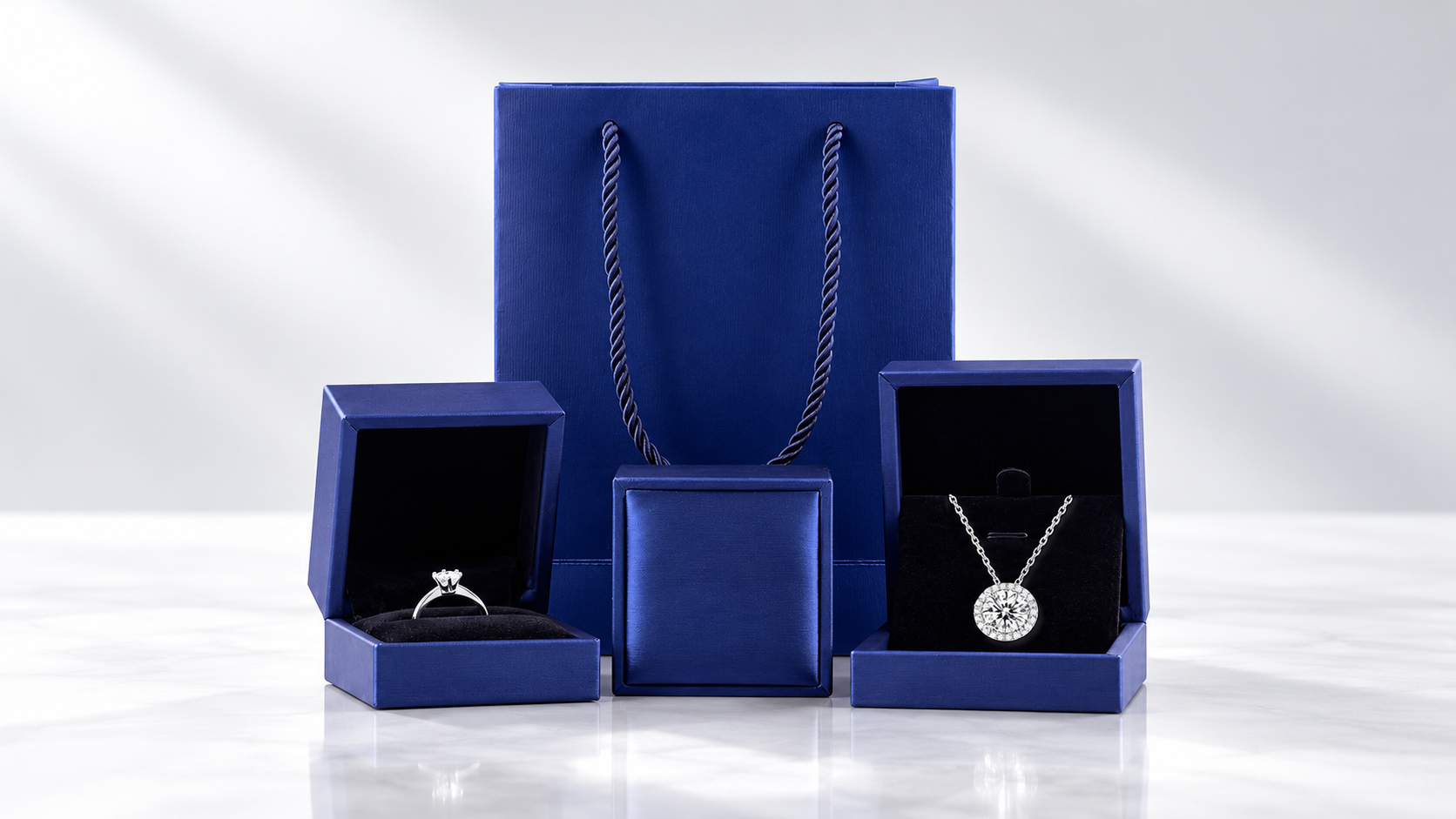
Yes. A brand can explore existing products and original manufacturing as complementary sourcing strategies.
Private Label and Existing-Style Sourcing
Start by reviewing existing styles that match your brand's aesthetic and target market. Depending on the product, customization may involve engraving, packaging, gemstone choices, or other approved modifications.
Original OEM Development
Provide your own sketches or CAD files and develop exclusive designs according to agreed technical specifications and commercial terms. These approaches can work together. For example, a new brand could test several existing necklace or earring styles while developing three original signature pieces. This allows product testing and original design development to progress without requiring the same investment in every style. Brands interested in existing products can explore the MOSUP catalog and request a curated selection or available Private Label information from the sales team.
14. Frequently Asked Questions About Custom Jewelry Manufacturing
Can I start with a hand sketch instead of a CAD file?
Yes. A sketch, reference image, technical drawing, or physical sample can be used to begin a project. Additional CAD development may be needed before manufacturing.
Do I need to pay for CAD design if I already have my own 3D files?
Not necessarily. Existing CAD files may reduce modeling work. Any manufacturability review, file repair, or substantial design changes should be discussed separately before quotation approval.
Does MOSUP accept STL, 3DM, or STEP files?
These are common formats in jewelry manufacturing. Please share your file format and software version so the technical team can confirm compatibility and any conversion requirements.
What are the minimum wall thickness and prong size requirements?
These depend on the metal, stone dimensions, setting method, and structure. The final manufacturing requirements should be confirmed after reviewing the specific design files.
Is a mold always required for a custom jewelry sample?
Not always. 3D printing can create individual wax or castable patterns without a traditional reusable production mold. Additional tooling may be needed for later production.
Can I order only one sample of each design?
For eligible designs, MOSUP supports one-piece custom samples. Pricing and lead time depend on the project specifications.
Can a first production order of 50–99 pieces be divided among three designs?
This can be proposed for review. The applicable MOQ must be confirmed for each design, material, and production process. Mixed-design quantities are not automatically combined.
How much does a sterling silver custom sample cost?
Sample pricing depends on metal weight, gemstone type, stone count, design complexity, finishing, and tooling. Send the design and specifications to receive an indicative quotation.
How much more does gold-plated sterling silver cost?
The difference depends on the base metal, plating method and thickness, finish, quantity, and other production requirements. Request comparable quotations for both material options.
Are sample or mold fees refundable against bulk production?
Any credit, discount, or reimbursement of development fees must be agreed in the quotation or order terms. It should not be assumed automatically.
How long does bulk production take after sample approval?
Production timing depends on order quantity, materials, design complexity, and the required manufacturing process. A project-specific lead time should be confirmed before ordering.
Can I request an NDA for my original designs?
Yes. MOSUP offers NDA support for confidential design projects. Design ownership, exclusivity, mold rights, and permitted use should also be addressed in the written agreement.
Can I request a Private Label jewelry catalog?
Yes. Buyers can review MOSUP's public catalog and contact the team for available Private Label information or a product selection suited to their brand.
Can I buy existing jewelry before developing my own collection?
Yes. MOSUP offers no-MOQ wholesale purchasing for ready-to-ship products, allowing brands to test styles and materials before moving into original manufacturing.
Start With a Sample, Then Build Your Collection
Your first custom jewelry order does not need to be your largest. For a brand developing its first original collection, beginning with a small number of samples can provide valuable information about manufacturing quality, design proportions, material choices, and production costs. Once the samples meet your expectations, you can decide which designs are ready for production and how much inventory your business needs. MOSUP supports different stages of jewelry development, from CAD and sample manufacturing to OEM/ODM production, existing-style sourcing, and Private Label customization.
Ready to develop your custom jewelry collection?
Share your sketches, CAD files, preferred materials, gemstone specifications, and estimated quantities with our team to discuss your project and request a quotation.


