
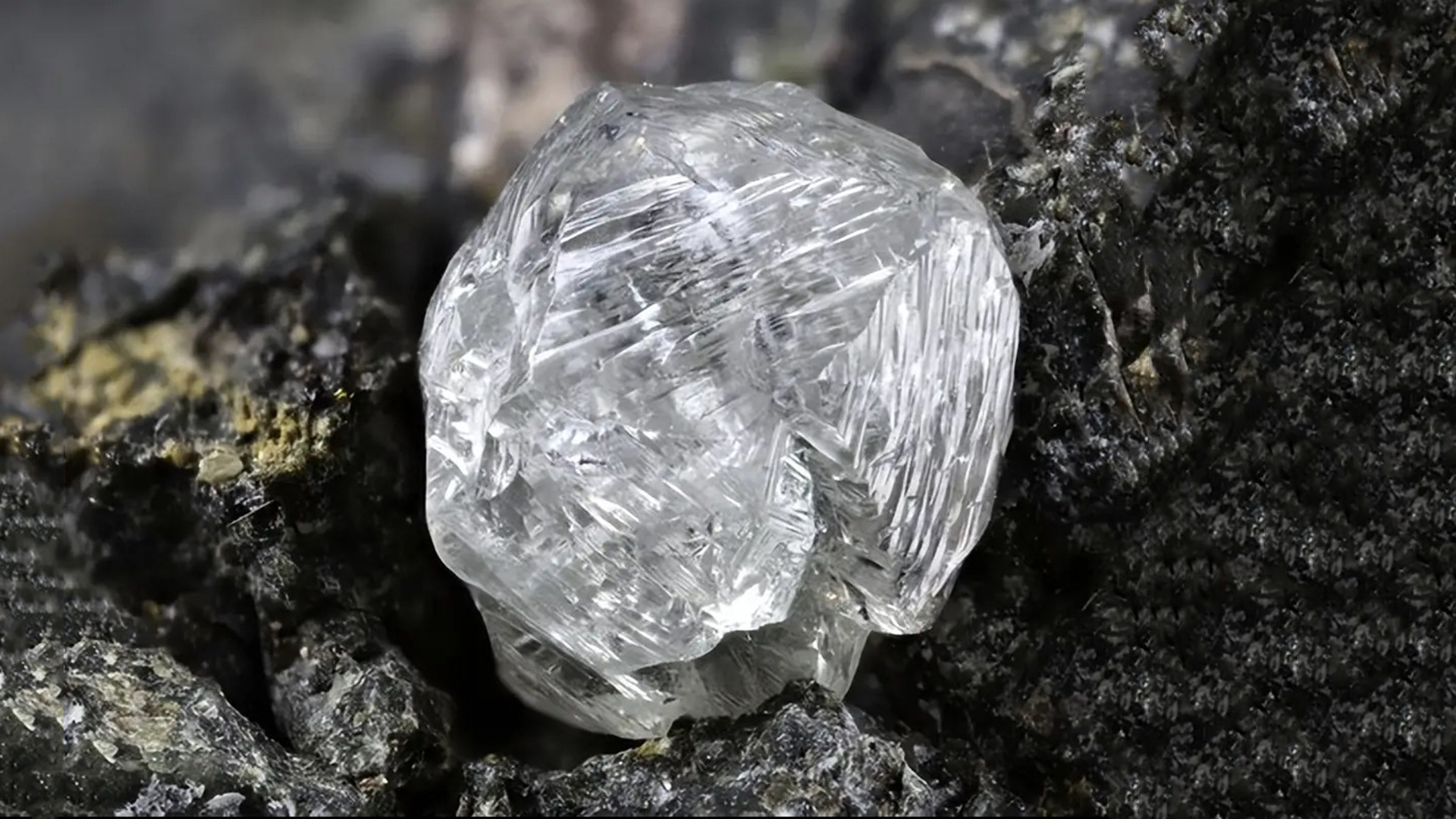
Over the past few years, lab-grown diamonds have transformed the global jewelry industry. Once considered an alternative product category, lab-grown diamonds have become a strategic choice for jewelry brands,
wholesalers, and manufacturers seeking higher flexibility, competitive pricing, and sustainable supply solutions.
Among all laboratory diamond technologies, HPHT (High Pressure High Temperature) remains one of the most important and mature production methods.
However, HPHT diamonds are not simply “lower-cost diamonds.” Behind every high-quality HPHT diamond is a combination of advanced technology, crystal engineering, precise quality control, and professional manufacturing experience.
For jewelry businesses, understanding HPHT technology is no longer optional — it has become a key factor in sourcing premium lab-grown diamond products.
1. What Are HPHT Lab-Grown Diamonds?
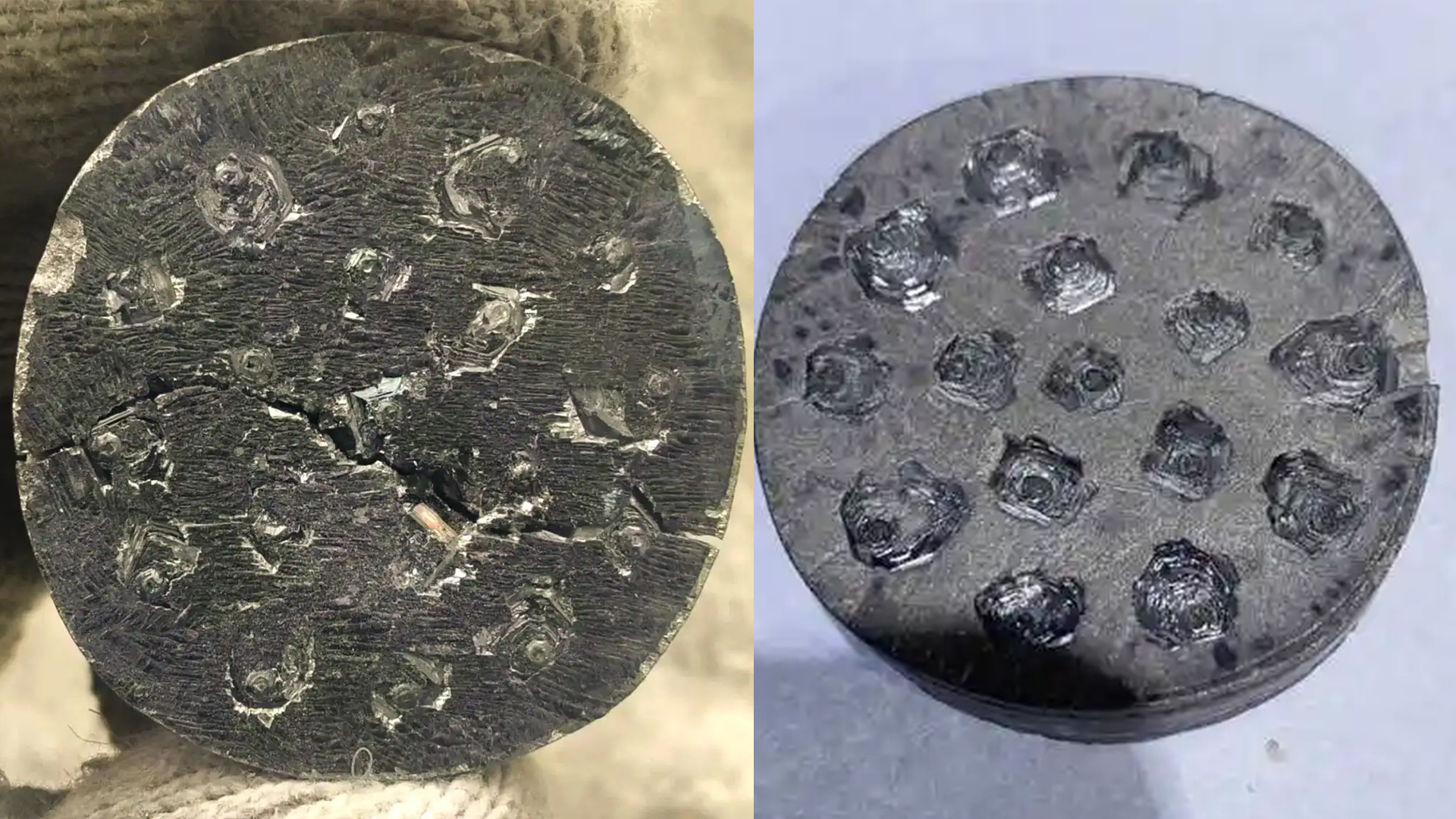
HPHT stands for High Pressure High Temperature, a diamond growth technology that replicates the natural diamond formation environment deep inside the Earth.
Natural diamonds are created under extreme geological conditions over billions of years. HPHT technology recreates similar conditions in controlled laboratory environments.
During the HPHT growth process:
- A small diamond seed is placed inside a growth chamber
- Carbon materials are exposed to extremely high pressure and temperature
- Carbon atoms gradually crystallize around the diamond seed
- A rough diamond crystal is formed and later cut and polished into a finished gemstone
The final product has the same:
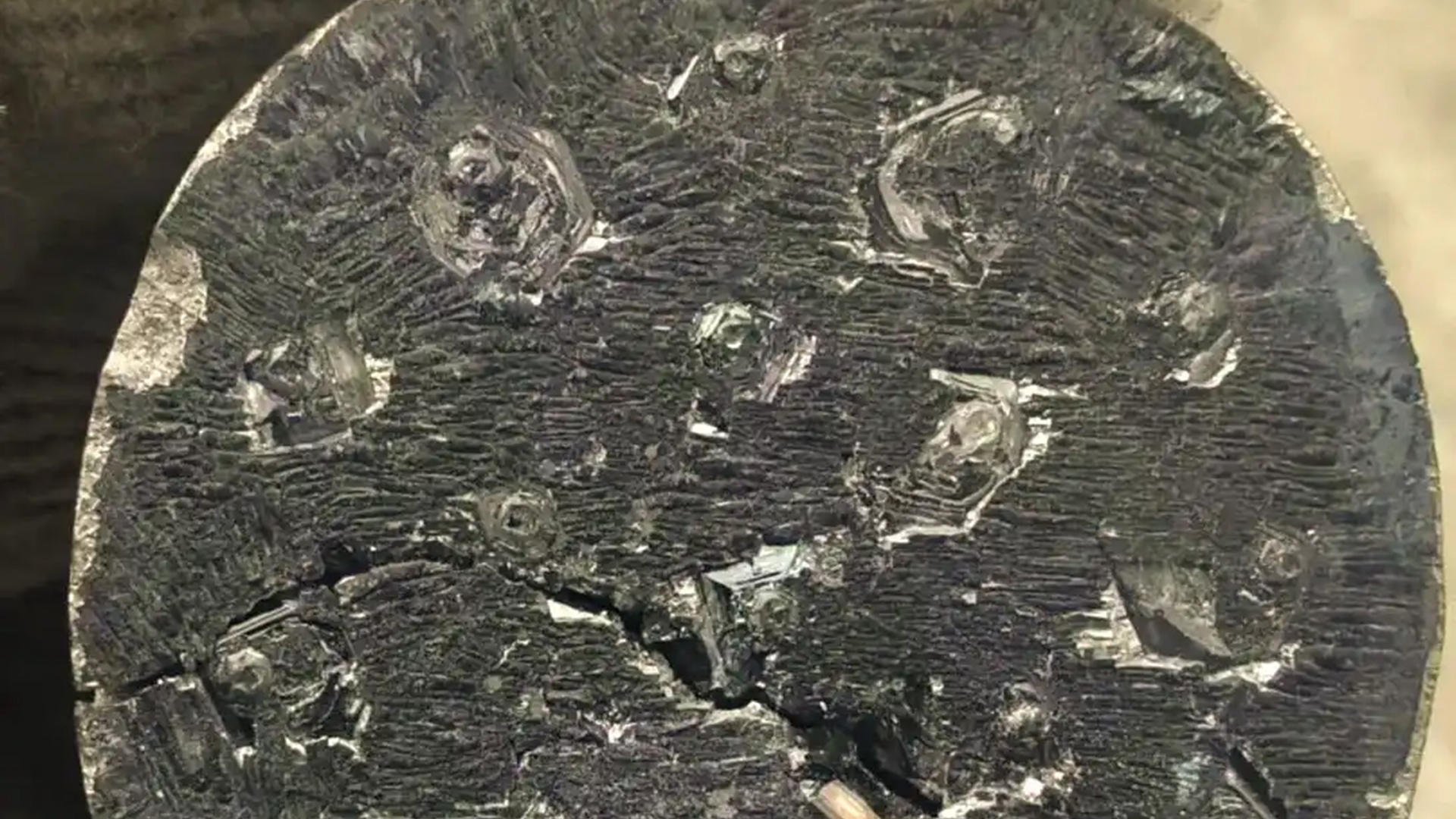
- Chemical composition (pure carbon)
- Crystal structure
- Mohs hardness (10)
- Optical characteristics
- as natural diamonds.
The difference is the origin:
Natural diamonds → formed by geological processes
HPHT diamonds → created through controlled technological processes
2. Why HPHT Technology Has Become Important in the Jewelry Market
The growth of HPHT diamonds is closely connected with changes in consumer behavior and jewelry industry demand.
2.1 Rising Demand for Larger Diamonds at Accessible Prices
Modern consumers increasingly prefer:
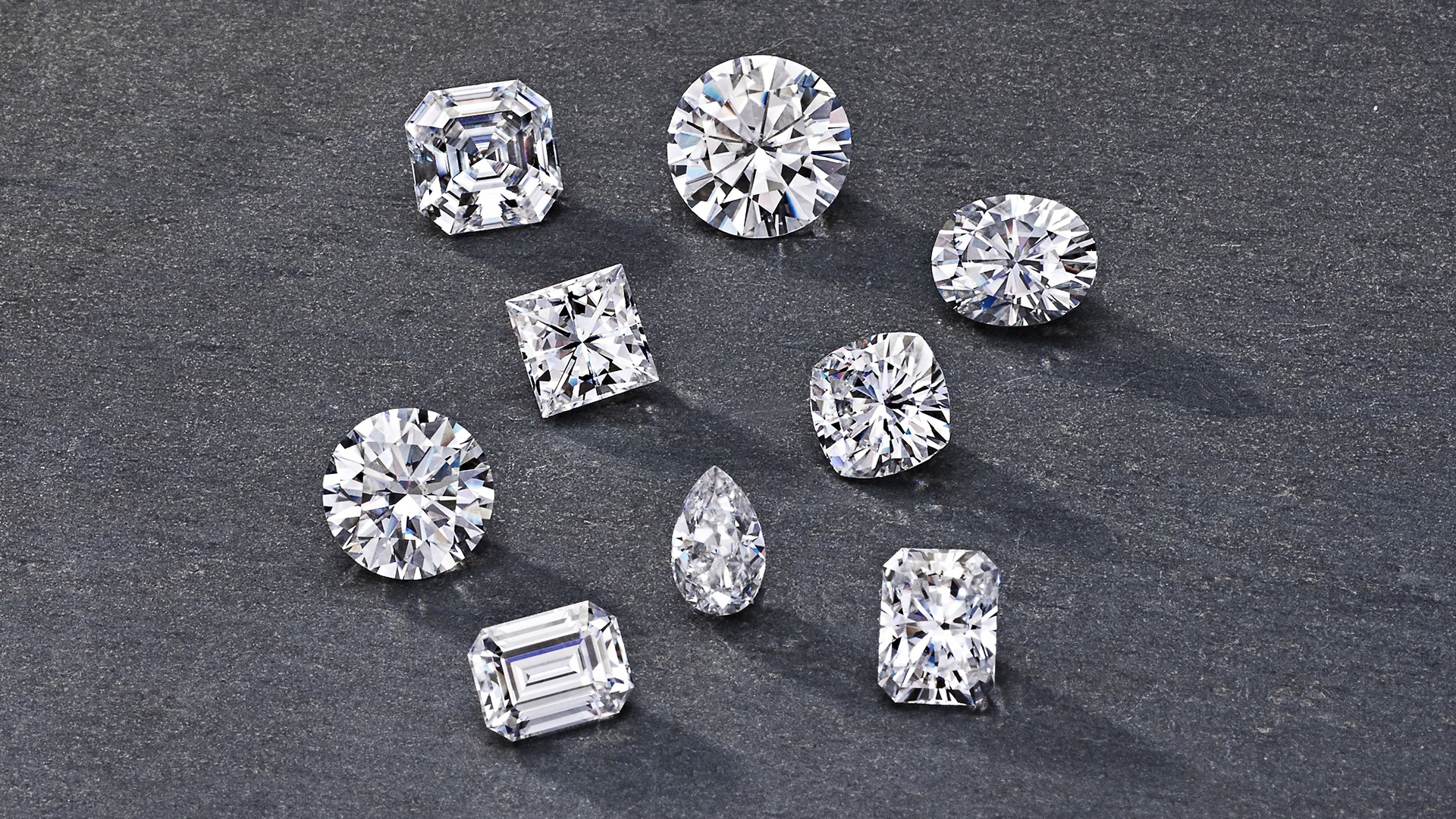
- Larger center stones
- Higher clarity grades
- Customized designs
- Personalized jewelry experiences
However, natural diamonds with larger sizes and higher quality grades often come with extremely high price premiums.
HPHT diamonds provide jewelry brands with the ability to offer:
- 1ct engagement rings
- 2ct luxury designs
- Fancy shape diamonds
- Customized collections
at significantly more competitive price points.
This has allowed brands to expand product lines and reach younger consumers who value design and experience over traditional diamond scarcity.
3. HPHT vs CVD Diamonds: What Is the Real Difference?
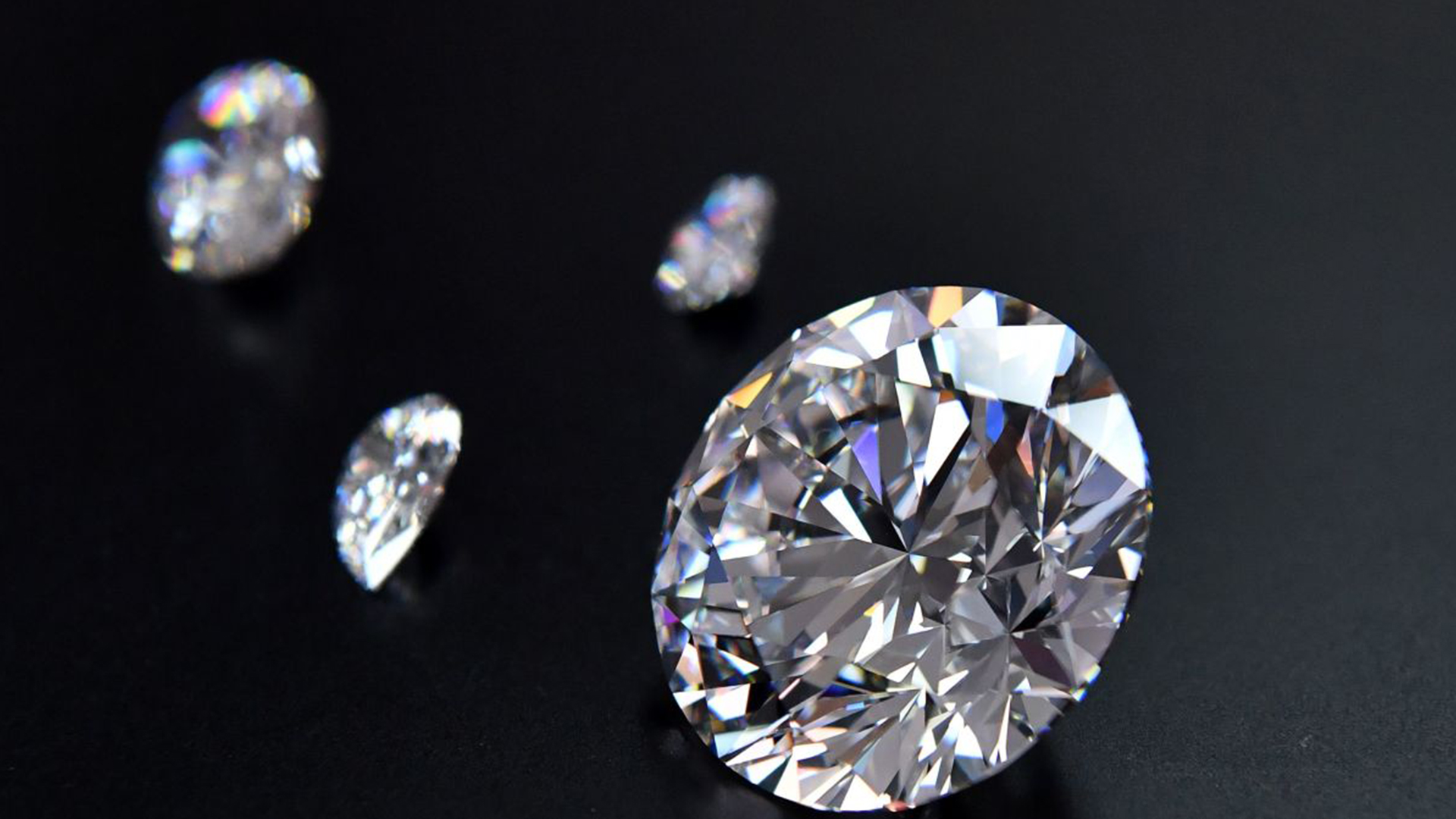
One of the most common questions from jewelry professionals is:
Which is better, HPHT or CVD?
The answer depends on the application.
HPHT Diamond Characteristics
Advantages:
1. Excellent Crystal Structure
HPHT technology produces diamonds under high-pressure conditions, creating strong crystal growth.
This makes HPHT diamonds especially suitable for:
Round brilliant diamonds
Fancy color diamonds
Larger carat stones
2. Natural Diamond-Like Growth Environment
Because HPHT simulates the natural diamond formation process, the crystal structure is highly stable.
Many high-quality HPHT diamonds achieve excellent:
Color grades
Clarity grades
Optical performance
3. Strong Supply Capability
HPHT production has become highly industrialized, allowing manufacturers to produce consistent diamond supply for:
Wholesale jewelry
Brand collections
OEM production
Custom projects
CVD Diamond Characteristics
CVD technology grows diamonds through chemical vapor deposition.
Its strengths include:
Large-area diamond growth
High purity production
Advanced technology applications
CVD diamonds are widely used in both jewelry and industrial fields.
4. Why HPHT Diamond Quality Can Be Very Different
A common misunderstanding is:
“All HPHT diamonds are the same.”
In reality, HPHT diamond quality varies significantly depending on:
1. Growth Technology
Different manufacturers use different:
- Equipment
- Growth cycles
- Temperature control systems
- Purification processes
These directly influence crystal quality.
2. Cutting Precision
A high-quality diamond is not only determined by growth.
The cutting process controls:
Light reflection
Fire
Brilliance
Symmetry
A poorly cut HPHT diamond may look ordinary even with excellent clarity.
3. Color Treatment and Optimization
Some HPHT diamonds undergo additional treatment processes.
Professional suppliers must provide transparent information regarding:
Growth origin
Treatment status
Certification details
This is especially important for international wholesale buyers.
5. HPHT Diamonds in Jewelry Design Trends
HPHT technology has influenced several major jewelry trends.
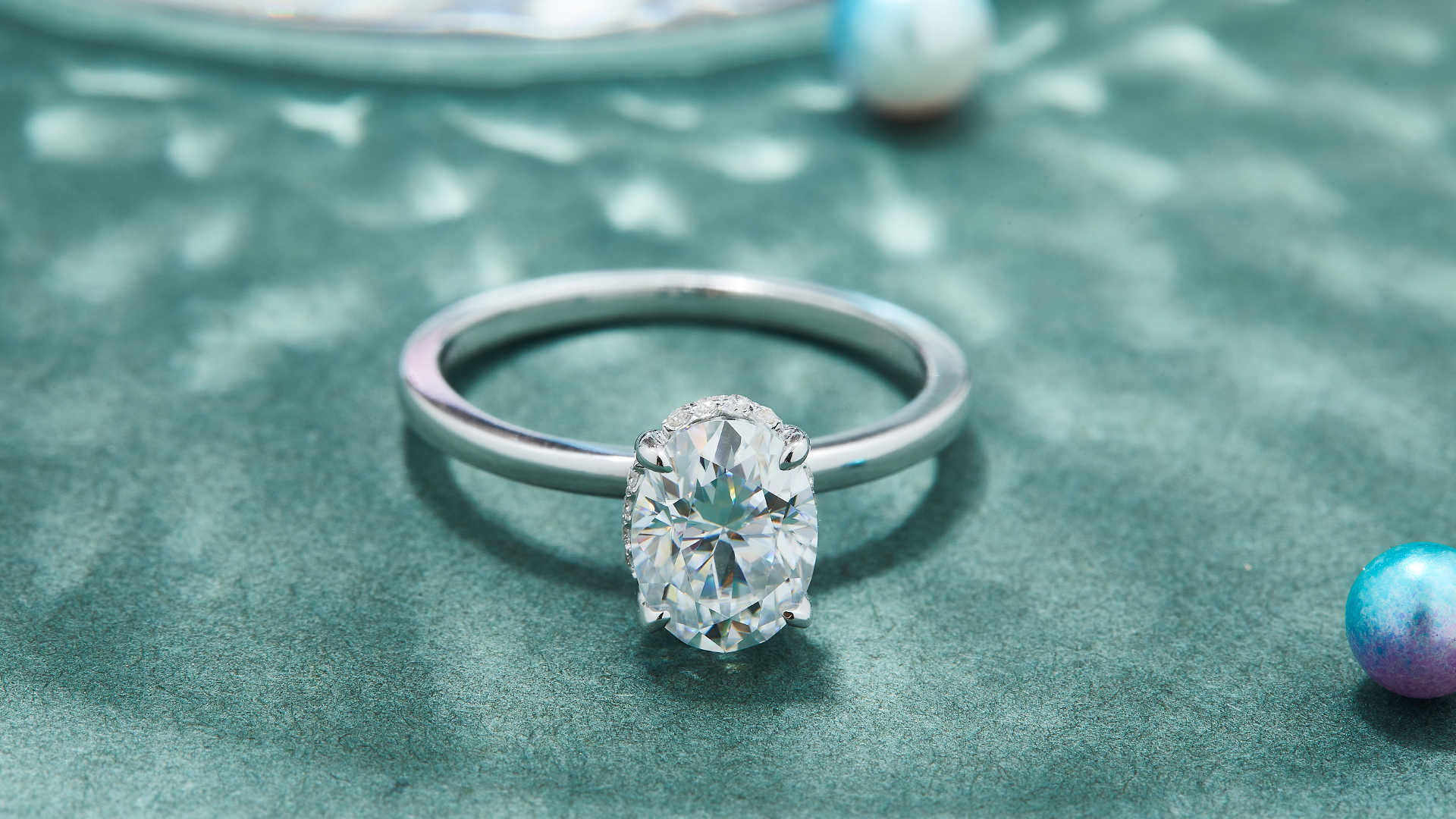
Trend 1: Large Center Stone Engagement Rings
Large diamond engagement rings have become one of the fastest-growing categories.
Popular styles include:
Oval cut
Emerald cut
Radiant cut
Cushion cut
HPHT diamonds allow designers to create visually impressive pieces without excessive material costs.
Trend 2: Fancy Color Lab-Grown Diamonds
Colored diamonds are traditionally extremely rare.
HPHT technology has expanded possibilities for:
Yellow diamonds
Blue diamonds
Pink diamonds
This has created new opportunities for luxury jewelry brands.
Trend 3: Customized Jewelry Manufacturing
OEM and ODM jewelry brands increasingly use HPHT diamonds because they provide:
- Stable supply
- Flexible production
- Competitive pricing
- Custom size availability
For jewelry wholesalers, this means faster product development and stronger market competitiveness.
6. How Jewelry Wholesalers Should Choose HPHT Diamond Suppliers
For international buyers, selecting the right supplier is more important than simply comparing prices.
A professional HPHT diamond supplier should provide:
Certification Support
Reliable suppliers should offer recognized laboratory certification options.
Stable Production Capacity
Wholesale businesses require:
- Consistent quality
- Reliable delivery
- Flexible quantity support
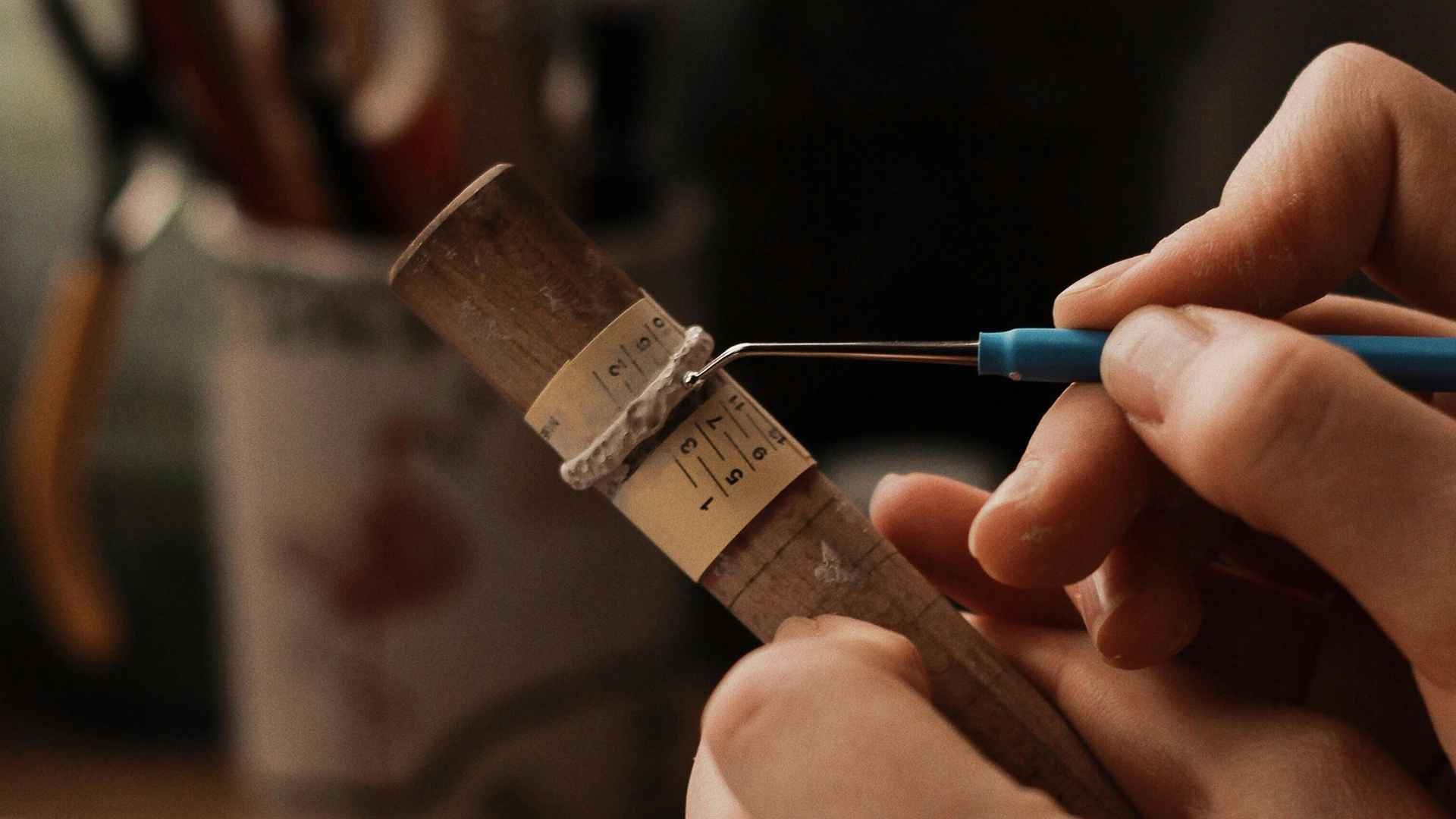
Custom Jewelry Development Ability
Beyond supplying loose diamonds, experienced manufacturers should support:
- Ring customization
- Necklace production
- Earrings development
- Private label projects
7. MOSUP: Supporting Global Jewelry Brands With HPHT Diamond Solutions

As a professional jewelry supply chain partner, MOSUP focuses on providing integrated solutions for global jewelry businesses.
Our advantages include:
Direct Factory Supply Network
Working with experienced jewelry manufacturers allows MOSUP to provide:
- Competitive wholesale pricing
- Stable production capacity
- Strict quality control
Lab-Grown Diamond Expertise
We support clients with:
HPHT diamond sourcing
Custom jewelry development
Diamond jewelry production
OEM & ODM Customization
From initial design concepts to finished jewelry production, MOSUP helps brands create unique collections.
Whether you are a jewelry retailer, distributor, or private label brand, our team provides flexible solutions based on your market requirements.
Conclusion: HPHT Diamonds Are Driving the Future of Jewelry Manufacturing
HPHT lab-grown diamonds represent more than a new diamond category.
They represent a transformation in how modern jewelry is designed, manufactured, and marketed.
For consumers, HPHT diamonds provide more design possibilities.
For jewelry brands, they create new opportunities for competitive product development.
For wholesalers, they offer a reliable supply solution in a rapidly changing global market.
The future of jewelry is not only about rarity — it is about technology, craftsmanship, and creating better value for modern customers.


