
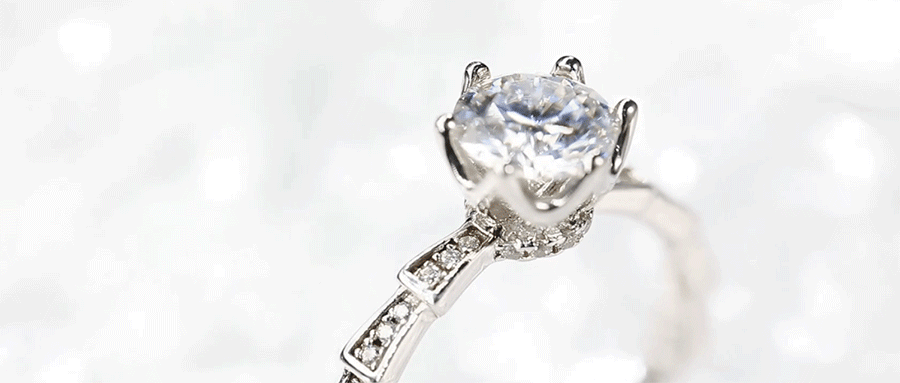
A finished diamond may appear to be nothing more than a precisely shaped, transparent gemstone. In reality, every polished diamond represents a highly controlled manufacturing process that combines
gemological knowledge, optical planning, precision cutting, polishing, and quality inspection.
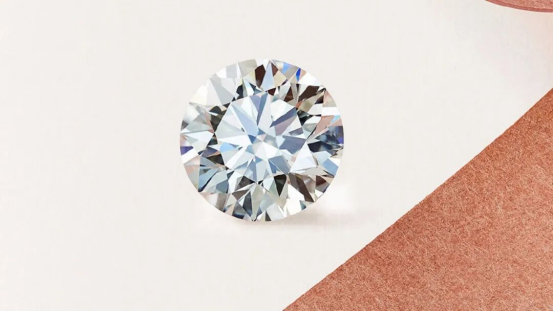
From the moment a rough diamond is selected to the time it becomes a finished loose stone, the process involves multiple stages. Each decision affects the final stone's carat weight, proportions, clarity appearance, symmetry, polish, and light performance.
For jewelry professionals, understanding how a diamond is transformed from rough material into a finished stone provides valuable insight into why cut quality matters so much.
So, what actually happens between a rough diamond and a finished polished diamond?
1. Rough Diamond Sorting and Evaluation
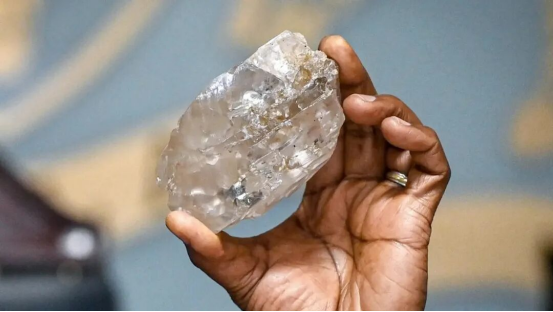
Selecting Rough Material Suitable for Cutting
The first stage begins with the rough diamond.
Natural rough diamonds can vary significantly in size, crystal shape, clarity, color, and internal characteristics. Before cutting begins, experienced rough-diamond specialists evaluate each stone to determine how it can be processed most effectively.
The assessment typically considers:
· Rough weight and dimensions
· Crystal shape and structure
· Natural inclusions
· Fractures and cleavage characteristics
· Color
· Potential polished yield
· Possible finished diamond shapes
The objective is not simply to find the largest possible finished stone. The cutting plan must balance carat retention with beauty, clarity, proportions, and market demand.
The natural shape of the rough can also influence the final design. For example, certain octahedral rough crystals may provide favorable starting material for round brilliant diamonds,
while other rough forms may be better suited to fancy shapes such as ovals, pears, or emerald cuts.
2. Planning and Marking the Rough
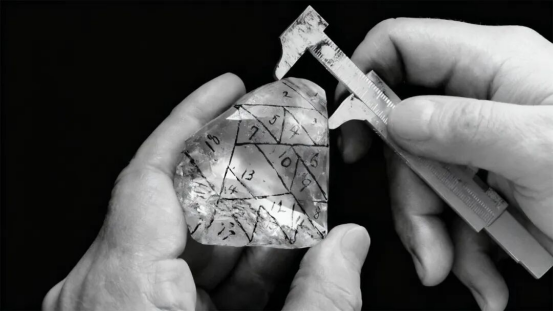
Designing the Cutting Strategy
Rough planning is one of the most important stages in diamond manufacturing.
Before the rough is divided or shaped, specialists analyze the stone using magnification, imaging technology, proportion analysis, and other planning tools.
The objective is to determine where the major cuts should be made and how the internal characteristics of the rough should influence the final design.
A cutting plan generally attempts to achieve several goals at once:
1. Maximize polished yield
2. Reduce the visual impact of inclusions
3. Achieve desirable proportions
4. Optimize light performance
5. Produce a commercially desirable shape and size
Once the plan has been established, precise reference marks are placed on the rough. These markings guide the following stages of sawing, splitting, shaping, and faceting.
Modern diamond manufacturing may combine traditional craftsmanship with advanced digital rough-planning technologies, allowing manufacturers to simulate different cutting outcomes before material is removed.
3. Rough Diamond Cleaving or Sawing
Dividing the Rough into Workable Pieces
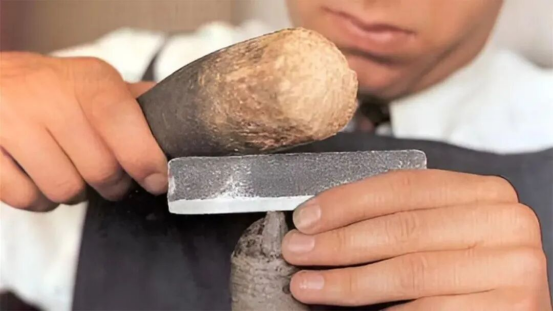
The next stage is to separate the rough into pieces that can be shaped and faceted.
Historically, cleaving was an important technique because diamond has directional cleavage properties. A skilled cutter could split a rough diamond along a suitable cleavage direction.
Today, precision sawing and laser technologies are also widely used, particularly when manufacturers need greater control over the cutting process.
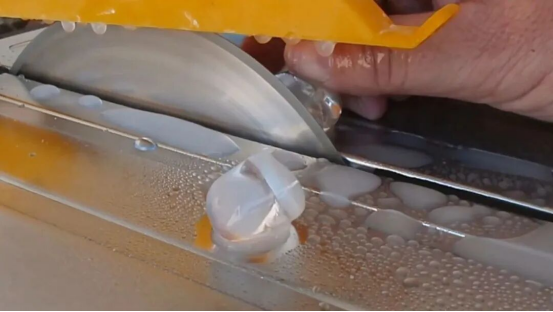
The choice of method depends on the rough diamond's characteristics and the intended finished stones.
The goal is to remove unnecessary material while maintaining as much valuable diamond as possible.
This stage requires considerable precision because an incorrect separation can result in unexpected weight loss or damage to the rough.
4. Bruting and Shaping
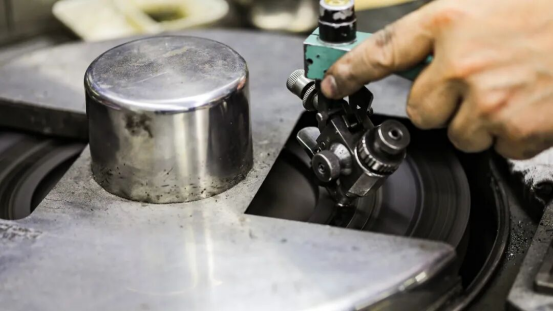
Creating the Basic Outline
After the rough has been divided, the next step is to establish the basic outline of the polished stone.
For a round brilliant diamond, this stage is traditionally associated with bruting, where the rough is shaped into a round outline.
The cutter gradually establishes the stone's girdle—the perimeter separating the crown from the pavilion.
This stage is particularly important because the final diameter, outline, and overall geometry begin to take shape.
For fancy-shaped diamonds, the process is adapted to the desired design. Oval, pear, marquise, heart, and emerald-cut diamonds each require different outline proportions and shaping techniques.
At this point, the stone still does not have the characteristic brilliance of a finished diamond. It is essentially a carefully shaped preform ready for faceting.
5. Faceting and Precision Cutting
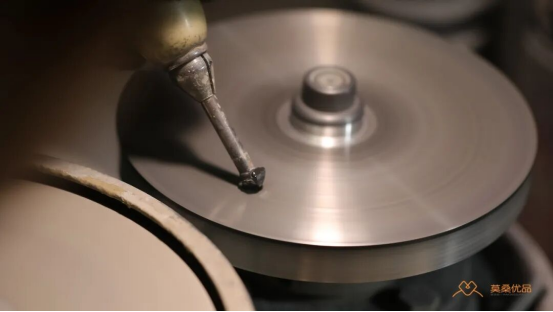
Building the Diamond's Optical Geometry
This is where the transformation becomes most visible.
A modern round brilliant diamond typically has 57 or 58 facets, depending on whether the culet is counted. Each facet has a specific position, angle, and relationship to the surrounding facets.
The cutter develops the pavilion and crown in carefully controlled stages.
The pavilion includes major structural facets that influence how light travels through the lower portion of the diamond. The crown contains the table, star facets, and upper main facets, which contribute to the stone's visual appearance and interaction with light.
The cutter must carefully control:
· Facet angles
· Proportions
· Symmetry
· Table size
· Crown geometry
· Pavilion geometry
· Girdle thickness
· Overall diameter and depth
Small variations can affect how light enters, travels through, and exits the diamond.
This is why diamond cutting is much more than simply grinding away material. It is essentially a combination of precision manufacturing and optical geometry.
6. Polishing and Final Quality Inspection
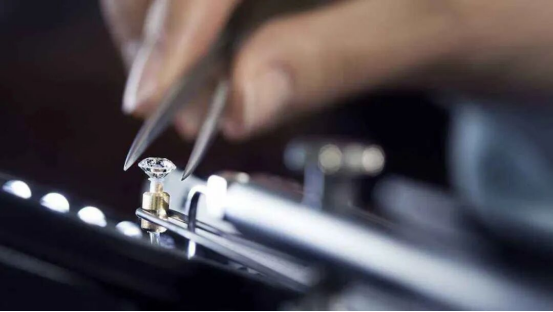
Refining the Surface and Evaluating the Finished Stone
After the main facets have been established, the diamond undergoes precision polishing.
Diamond-based polishing tools are used to refine the facet surfaces and remove microscopic cutting marks. A properly polished facet provides a smoother optical surface, allowing light to interact with the stone more efficiently.
Once polishing is complete, the diamond undergoes final inspection.
Professional evaluation may include examination of:
· Cut proportions
· Polish quality
· Symmetry
· Facet alignment
· Girdle condition
· Surface damage
· Clarity characteristics
· Final carat weight
· Measurements
For diamonds submitted to a gemological laboratory, additional grading and documentation may follow according to the laboratory's established grading standards.
Only after the stone passes the required quality checks does it become a finished polished diamond, ready to enter the jewelry supply chain.
How Much Rough Diamond Is Lost During Cutting?
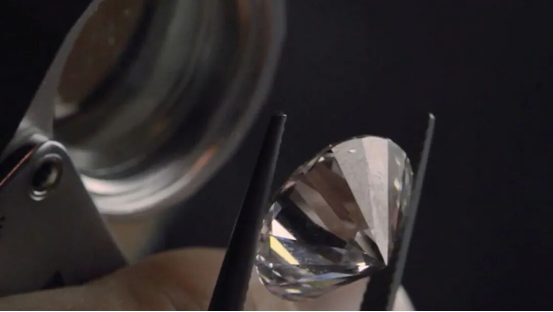
One of the most interesting aspects of diamond manufacturing is the relationship between rough weight and polished weight.
A significant portion of the original rough must be removed during cutting in order to create the correct proportions and optical geometry. However, there is no universal percentage of weight loss that applies to every diamond.
The final yield depends on factors such as:
· Rough crystal shape
· Original carat weight
· Clarity and inclusions
· Desired diamond shape
· Cutting proportions
· Color
· Market requirements
A cutter may sometimes choose a design that retains more weight, while another cutting plan may sacrifice additional weight to achieve better proportions or a more desirable finished stone.
This is one reason rough-diamond planning is such an important part of the manufacturing process.
Why Diamond Cutting Matters So Much
A diamond's beauty does not come from its rough material alone.
The final appearance of a polished diamond is influenced by the relationship between its cut proportions, symmetry, polish, clarity, color, and optical behavior.
This is why two diamonds with similar carat weights can have noticeably different visual performance.
For jewelry brands and manufacturers, understanding the cutting process is also important when selecting stones for engagement rings, bridal jewelry, diamond earrings, tennis bracelets, pendants, and other fine jewelry collections.
The finished diamond is the result of a chain of decisions made long before it reaches the jewelry bench.
From Rough Material to Fine Jewelry
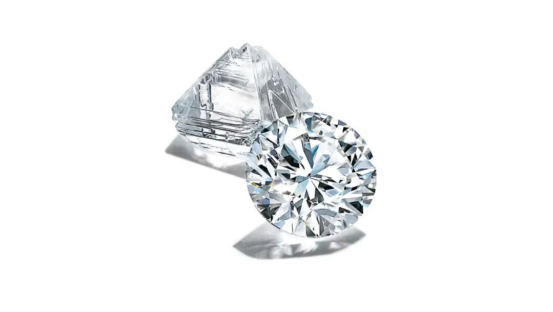
The journey from rough diamond to finished polished stone can be summarized into six major stages:
Rough Sorting → Cutting Planning → Cleaving/Sawing → Shaping → Faceting → Polishing & Inspection
Each stage requires a combination of technical knowledge, equipment, and skilled craftsmanship.
Ultimately, diamond cutting is not simply about removing material. It is about finding the right balance between weight retention, proportions, beauty, durability, and market requirements.
That combination of planning and craftsmanship is what transforms an irregular piece of rough material into the precisely engineered gemstone used in modern fine jewelry.
For jewelry brands and wholesale buyers, understanding this process can also make it easier to evaluate stone quality, communicate with manufacturers, and make informed sourcing decisions.


