
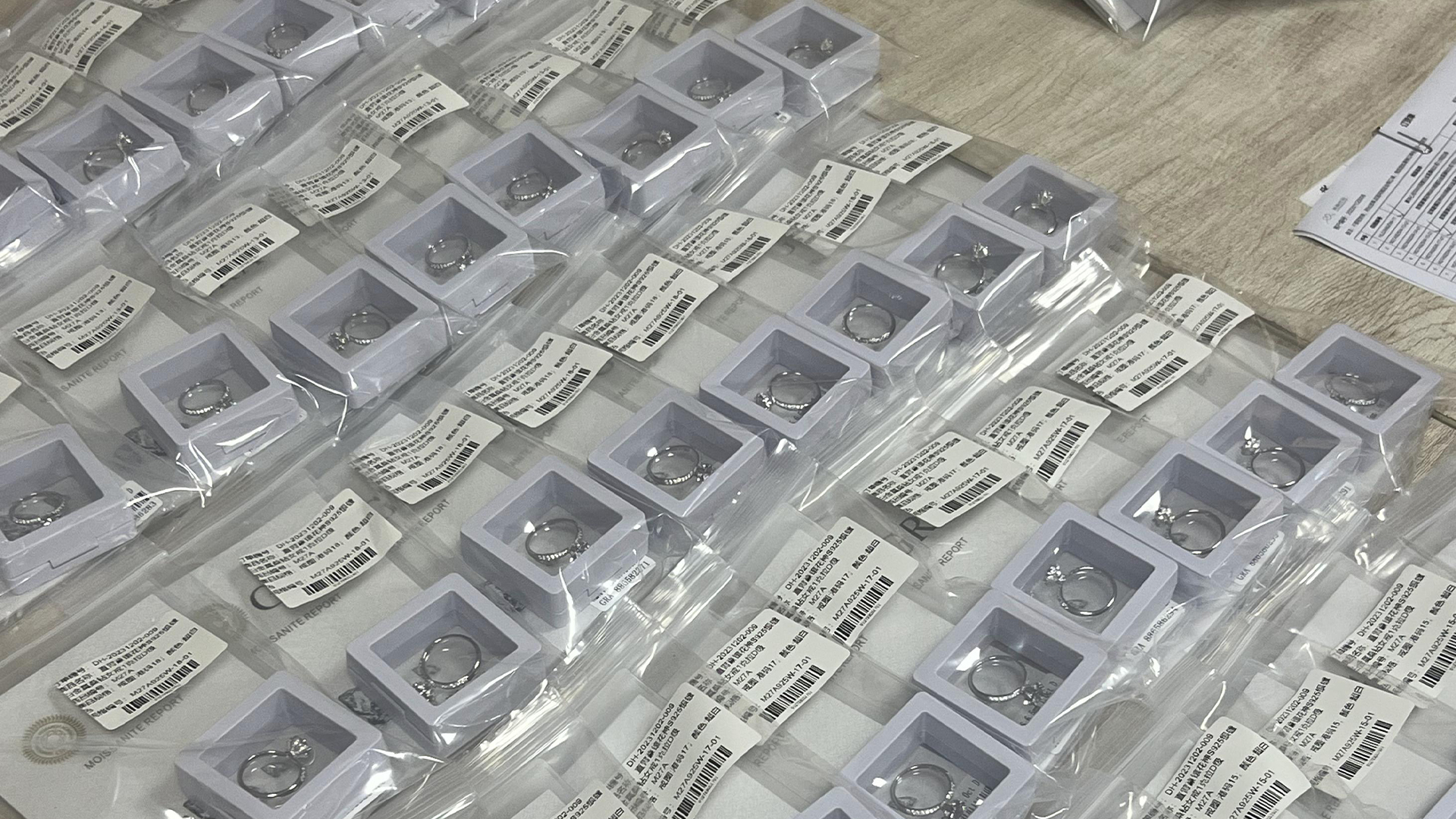
For a new jewelry brand, one of the first sourcing questions is usually: “What is your MOQ?”
But a more useful question is: “How much do I actually need to order to know whether this product is worth scaling?”
MOQ, or Minimum Order Quantity, affects purchasing cost. But for a growing jewelry brand, it also affects: cash flow, inventory pressure, product-testing risk, and the amount of capital tied up in products that may not sell.
If a brand orders hundreds of units simply to obtain a lower unit price before the product has been tested, the “cheaper” purchase may eventually become expensive unsold inventory.
At Mosup, we recommend treating sourcing as a gradual validation process: Sample → Small Test → Market Validation → Reorder → Scale
Your first order does not need to be your largest order. Its real value is helping you make a better second order.
1. What Does MOQ Actually Mean?
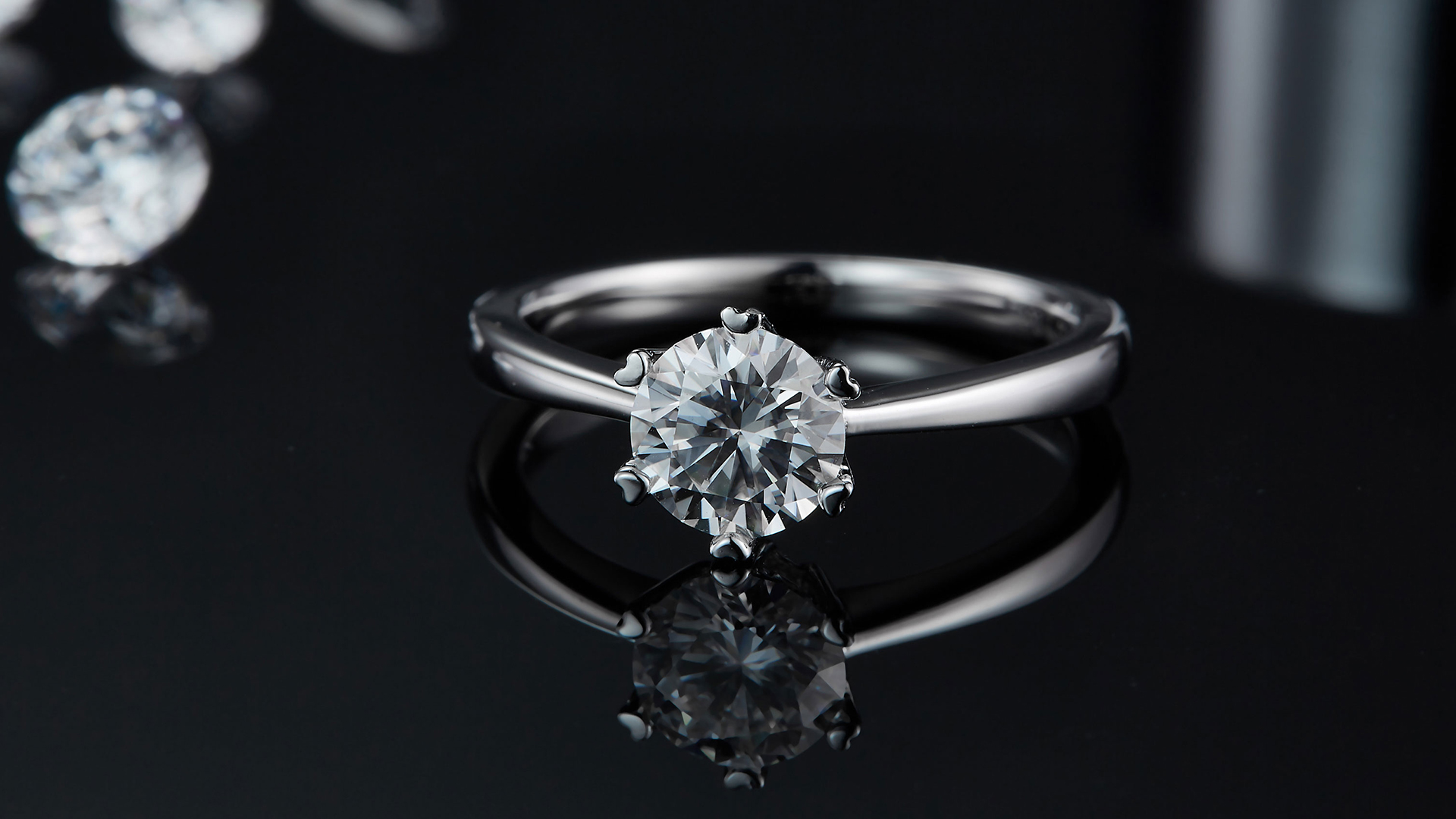
When buyers request a quote, they may see terms such as: No MOQ,MOQ 10 pcs,MOQ 50 pcs
But these numbers mean very little without context. You need to confirm exactly what the MOQ applies to. Is it: one SKU? one metal color? one ring size? one material? one stone option? or the total combined order?
You should also ask:
- Can different ring sizes be mixed?
- Can different gold colors be combined?
- Does custom packaging have a separate MOQ?
- Does logo engraving require a minimum quantity?
The difference can be significant. For example: 20 pieces across five styles and 20 pieces of one single style
represent very different inventory risks for a new brand.A professional sourcing discussion should therefore go beyond: What is your MOQ? A better question is: What exactly does the MOQ apply to?
2. Mosup Ready Stock and Custom MOQ Follow Different Logic
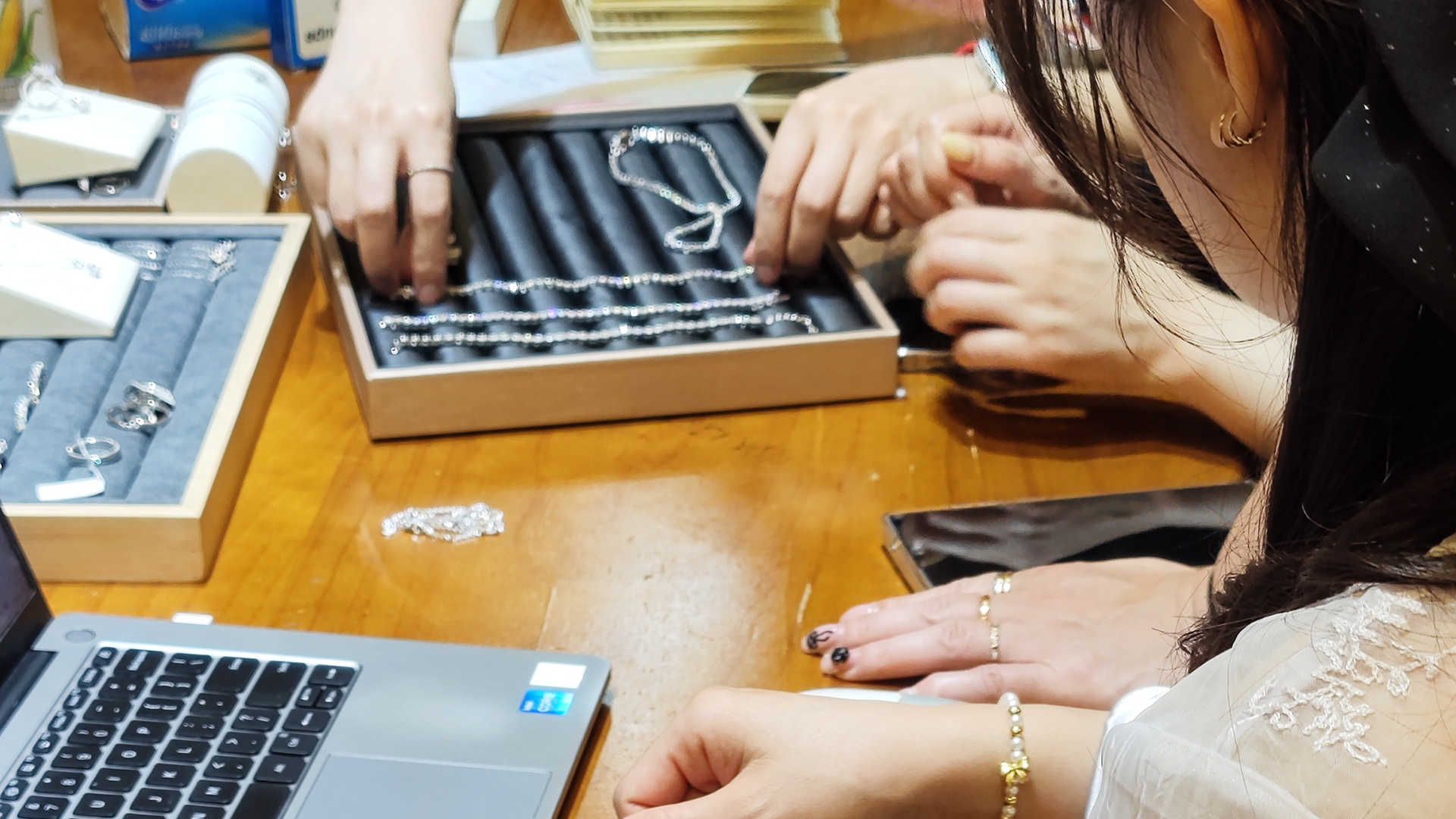
Mosup's in-stock wholesale jewelry is available with No MOQ. This allows brands to purchase according to actual demand instead of buying additional inventory simply to meet a minimum order requirement.
Custom projects work differently. The practical starting quantity depends on: design, material, production process, and customization depth.
In many cases, a custom project can begin at around 10 pieces, depending on the product. If a client wants to evaluate the product first, a single sample can also be discussed. These two sourcing models solve different business problems.
2.1 No-MOQ Ready-Stock Jewelry
This model is especially suitable for: new jewelry brands, retailers testing new products, social-commerce sellers, and businesses entering a new market for the first time.
The goal is not necessarily to achieve the lowest possible unit cost. The goal is: to discover which products customers actually want to buy.
2.2 Small-Batch Custom Jewelry
Once a brand identifies a successful style, material, or price point, it can move toward ODM or OEM development.
Possible modifications include: changing the center stone, changing the metal, adjusting the color, adding a logo, customizing packaging, or developing a more exclusive structure.
At this stage, MOQ starts to serve a different purpose. It is no longer only about testing demand. It becomes part of building stronger product differentiation.
3. Why New Jewelry Brands Should Not Focus Only on the Lowest Unit Price
One of the most common sourcing assumptions is: The larger the order, the lower the unit price — so the first order should be as large as possible.
From a unit-cost perspective, that may be true. But a brand should care about:
sell-through, not only purchase price. Consider two simple scenarios:
| Sourcing Plan | Unit Cost | Quantity | Outcome |
|---|---|---|---|
| A | Lower | 200 pcs | 30 sell; remaining inventory ties up capital |
| B | Slightly higher | 20 pcs | Sells out quickly; brand reorders 100 pcs |
| Lower-risk option | B |
The job of the first order is not to maximize purchasing efficiency. It is to identify: which products customers are willing to keep buying.
For an independent jewelry brand testing a new collection, ordering 10 fewer pieces can sometimes matter more than saving USD 2 per unit.
4. What Should a First Small Order Actually Test?
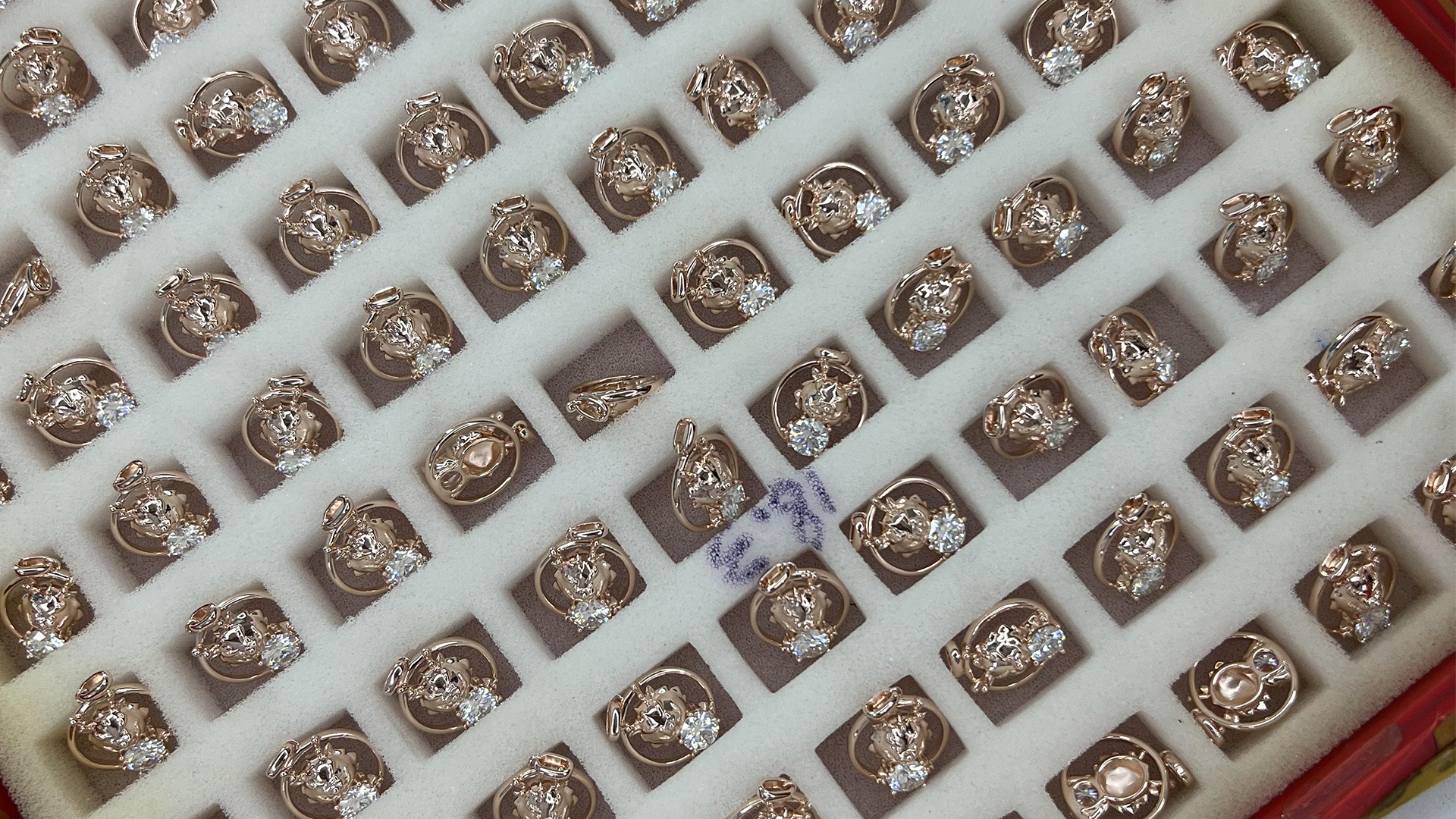
A small order should not simply mean: “Buy fewer pieces.”
It should function as a deliberate market test. For example, if a brand wants to test moissanite rings, ordering 20 identical rings may provide less useful information than testing several variables.
These may include: stone shape, carat size, S925 versus 14K or 18K gold, classic versus more distinctive designs, and different retail price points.
Then monitor real customer behavior:
- Which products receive more views?
- Which products are added to cart?
- Which styles generate the most qualified inquiries?
- Which products actually convert?
- Which designs create sizing, wearability, or after-sales problems?
The second purchase order should be based on this information. Not guesswork.
5. A Sample Is Not Just a Small Order — It Is a Production Standard
For a custom project, the purpose of a sample is not simply to create marketing photos. A confirmed sample should become the reference point for future production.
In B2B sourcing, this is often referred to as an: Approved Sample or Golden Sample
When evaluating the sample, the brand should check: stone dimensions and visual appearance, stone security, setting quality, metal color, polishing, plating,ring size or chain length, logo placement, clasp construction, packaging, and overall weight.
Once the final sample is approved, keep it. When the second or third production batch arrives, compare the new goods against the approved sample.
This helps answer one of the most important sourcing questions: “Why was the first batch good, but the next one different?”
A reliable supply chain is not defined by its ability to make one beautiful sample. It is defined by its ability to reproduce the approved standard consistently.
6. Look Beyond MOQ and Calculate the Real Landed Cost
Many brands compare suppliers using one number: Unit Price. But the number that actually affects margin is: Landed Cost.
Depending on the project, total sourcing cost may also include: sample fees, CAD or development fees, logo and branding, custom packaging, international freight, import duties and taxes, payment fees, and the cost of repairing, replacing, or reshipping defective products.
A useful quotation should therefore tell the brand more than: USD 25 / piece.
It should help answer: What does this product really cost by the time it is ready to sell?
Small orders may sometimes have a higher unit cost. But if they help a brand avoid 100 units of unsold inventory, the total business cost may still be lower.
7. Low MOQ Does Not Automatically Mean a Supplier Is Good for Long-Term Growth
Low MOQ is valuable. But once a product proves successful, another question becomes more important: Can the supplier restock it consistently?
A supplier that supports growing brands should ideally offer: Start Small + Scale Later
A brand may begin with 10 pieces. A successful style may then require 50. Once it becomes a stable seller, demand may increase to: 100, 500, or more.
This means the first sourcing conversation should also cover:
- Can the in-stock product be replenished regularly?
- Will metal colors remain consistent between batches?
- Can the same material specification be maintained?
- What happens if a component is discontinued?
- Will a custom design require redevelopment for the reorder?
- What is the normal replenishment lead time?
MOQ is mainly a first-order issue. Reorder capability is a long-term supply-chain issue.
8. How Can Small Orders Reduce Jewelry Inventory Risk?
For new products, a more controlled sourcing model often looks like this:
- Stage 1: Sample Confirm product quality and real-world appearance.
- Stage 2: Small Batch Release a limited number of SKUs into the market.
- tage 3: Validation Track sales, inquiries, returns, and customer feedback.
- Stage 4: Reorder Allocate more capital to products that have demonstrated real demand.
- Stage 5: Customization Use the strongest-performing product directions for ODM modification or OEM development.
The purpose of small-batch sourcing is not to remain small forever. It is the opposite. The purpose of a small order is to identify which products deserve a larger order.
One Spanish jewelry brand working with Mosup followed a similar approach. The client developed an 18K gold heart-cut moissanite ring for a new collection.
Instead of committing to a large inventory immediately, the brand tested the product first. After the design received strong market response, the client placed a repeat order for 500 pieces.
This is what small-batch testing is designed to achieve. It does not limit growth. It helps make growth more evidence-based.
9. What Should You Confirm Before Placing Your First Jewelry Order?
A clear RFQ or sourcing inquiry should normally include: product SKU or reference image, gemstone type, stone shape and dimensions, metal, metal color, ring size or chain length, expected quantity,
target market, logo requirements, packaging requirements, and desired delivery date.
For custom projects, also confirm: CAD version, sample version, revision history, final approver, and which approved version will be used for bulk production.
The clearer the specification, the more meaningful the supplier's MOQ, price, and lead-time quotation becomes.
10. FAQ: Jewelry Wholesale MOQ and Small Orders
10.1 Does Mosup Have an MOQ for In-Stock Wholesale Jewelry?
Mosup's in-stock wholesale jewelry is available with No MOQ. Brands can purchase according to their actual requirements, making this model particularly suitable for new product testing, smaller retailers, and startup jewelry businesses.
10.2 Do All Mosup Custom Projects Start at 10 Pieces?
No. Around 10 pieces can be a practical discussion starting point for some custom projects, but the final quantity depends on material, structure, process, and development requirements. The confirmed MOQ should appear in the formal quotation.
10.3 Can I Order Only One Sample?
A one-piece sample can be discussed for product or quality evaluation. Sample pricing, lead time, and subsequent production terms should be confirmed in the quotation.
10.4 Are Small Orders Always More Expensive?
Quantity usually affects unit pricing. However, brands should compare the higher unit cost of a small order against the risk of holding excess inventory. A lower unit cost does not automatically mean a lower total business cost.
10.5 Does No MOQ Also Apply to Logo Engraving and Custom Packaging?
Not automatically. Mosup's No-MOQ policy mainly applies to ready-stock purchasing. Logo engraving, customized packaging, material changes, and structural customization may have their own minimum requirements.
10.6 How Many Pieces Should a Brand Order for Its First Test?
There is no universal number. If the product has not yet been validated, the first order should be large enough to generate meaningful sales data but small enough to avoid unnecessary inventory pressure.
11. The Best MOQ Is Not Always the Lowest MOQ
For jewelry brands, a good sourcing strategy is not about permanently chasing the lowest MOQ.
It is about: remaining flexible while demand is uncertain and scaling quickly once demand is proven.
A brand can begin with no-MOQ ready stock. Then move into small-batch modifications. Once a product direction is validated, it can invest in OEM development and larger production runs.
This is often more practical than committing to a large inventory in the first purchase order. Mosup supports ready-stock wholesale and OEM/ODM customization across:
moissanite jewelry, lab-grown diamond jewelry, lab-grown gemstone jewelry, S925 sterling silver, 10K gold, 14K gold, 18K gold, and platinum.
Start small when demand is uncertain. Scale when the market gives you evidence.
12. Ready to Place Your First Order?
If you already have a target product, send Mosup:
product link / reference image + material + gemstone + quantity + target market + logo or packaging requirements + required delivery date
If you have not selected your products yet, you can begin with ready-stock jewelry and use real market feedback to decide which styles should be reordered or customized next.
→ Explore Mosup Ready-Stock Jewelry
→ Browse No-MOQ Wholesale Jewelry
→ Start an OEM / ODM Custom Jewelry Project
→ Contact Mosup for a Product-Specific Quote


