
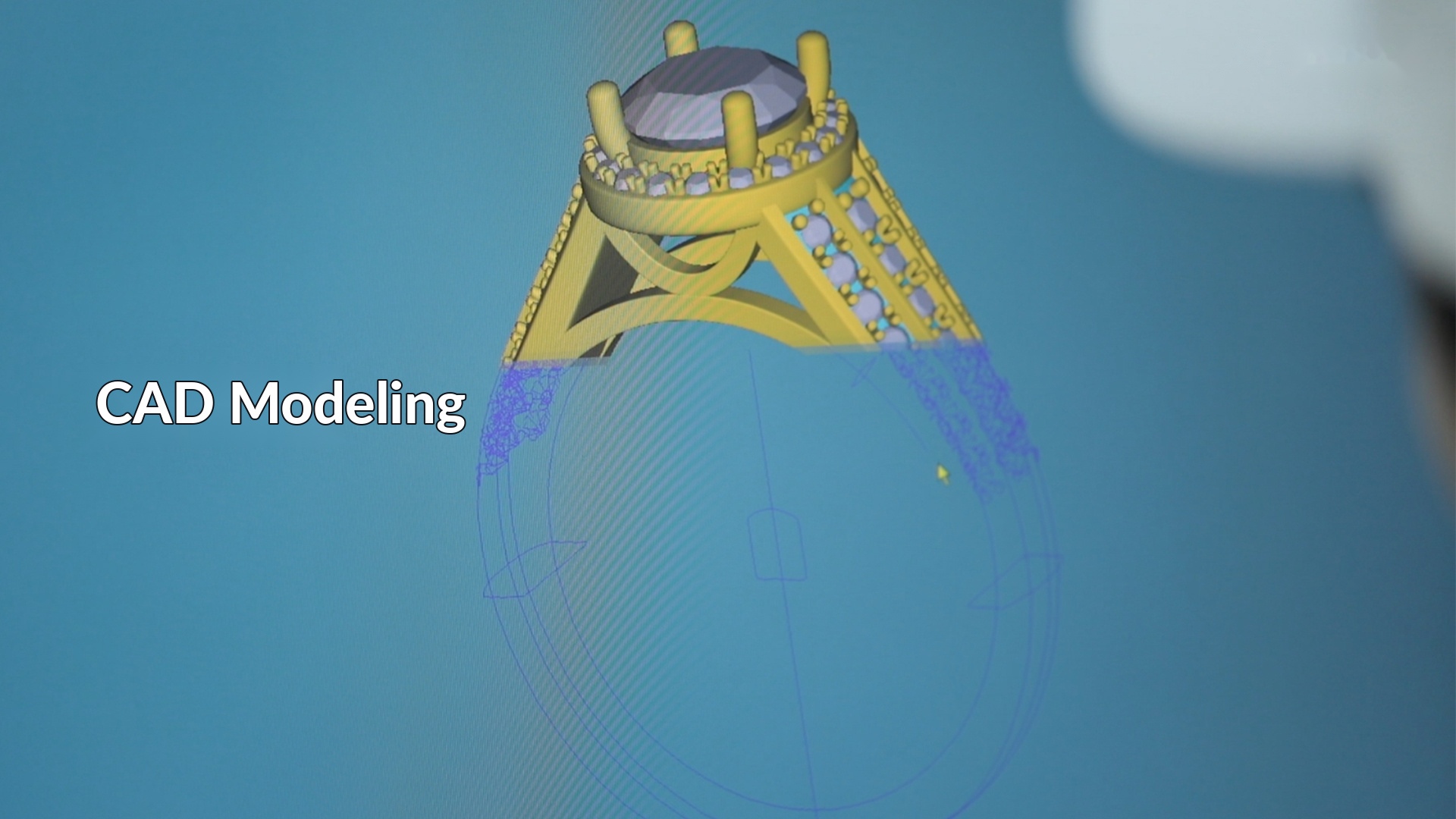
A jewelry sample can look perfect. That does not automatically mean the next 100 pieces will look exactly the same.
For jewelry brands, retailers, and wholesale buyers, the transition from a jewelry sample order to bulk production is one of the most important stages in the sourcing process.
The sample proves that a design can be made. Bulk production proves that the design can be reproduced consistently. That difference matters.
A single sample may be carefully adjusted by an experienced jeweler. Bulk production involves repeated stone setting, polishing, plating, sizing, assembly, inspection, and multiple production stages.
This is why a professional sourcing process should not stop at: “The sample looks good.” It should ask: What exactly was approved, how will it be reproduced, and how will the next batch be inspected?
For growing jewelry brands, the goal is to turn one successful sample into a repeatable product standard.
1. What Is the Real Purpose of a Jewelry Sample?
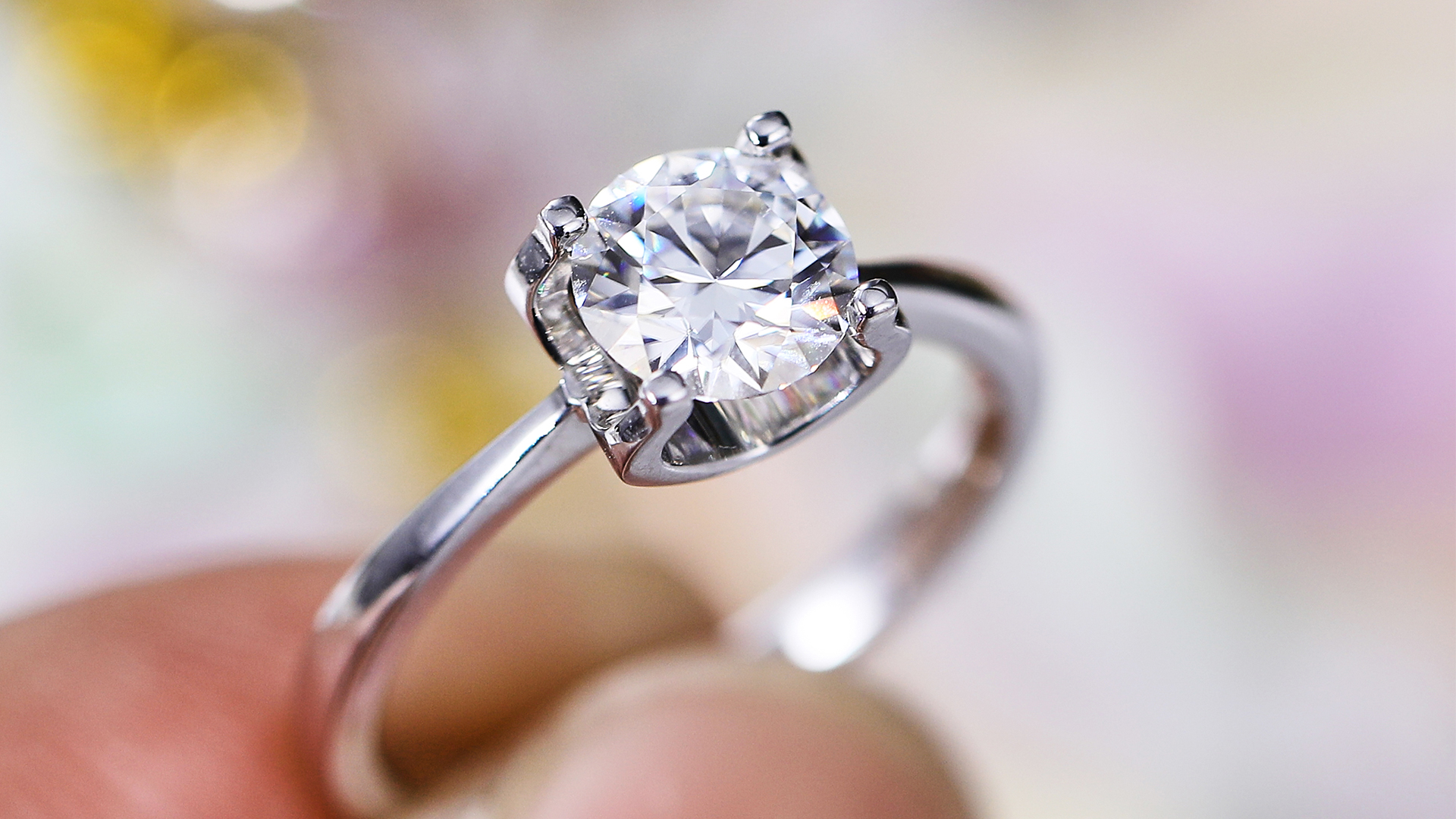
A sample is not only a visual preview. It should answer three questions:
- Can the design be manufactured?
- Does the finished product match the brand's expectations?
- Can the approved specifications be repeated in production?
Before sampling begins, the buyer should define the key product details. These may include:
- gemstone type
- stone shape and dimensions
- metal
- ring size or chain length
- setting structure
- metal color
- polishing
- plating
- engraving
- packaging
For a moissanite ring, for example, approving only “2 ct oval moissanite in 14K gold” is not enough.
The production specification may also need to define: the actual stone dimensions, the length-to-width ratio, the number and shape of prongs, the shank width, the metal color, and the finished ring size.
The more clearly the sample is defined, the easier it becomes to reproduce.
2. Turn Reference Images Into Controlled Production Specifications
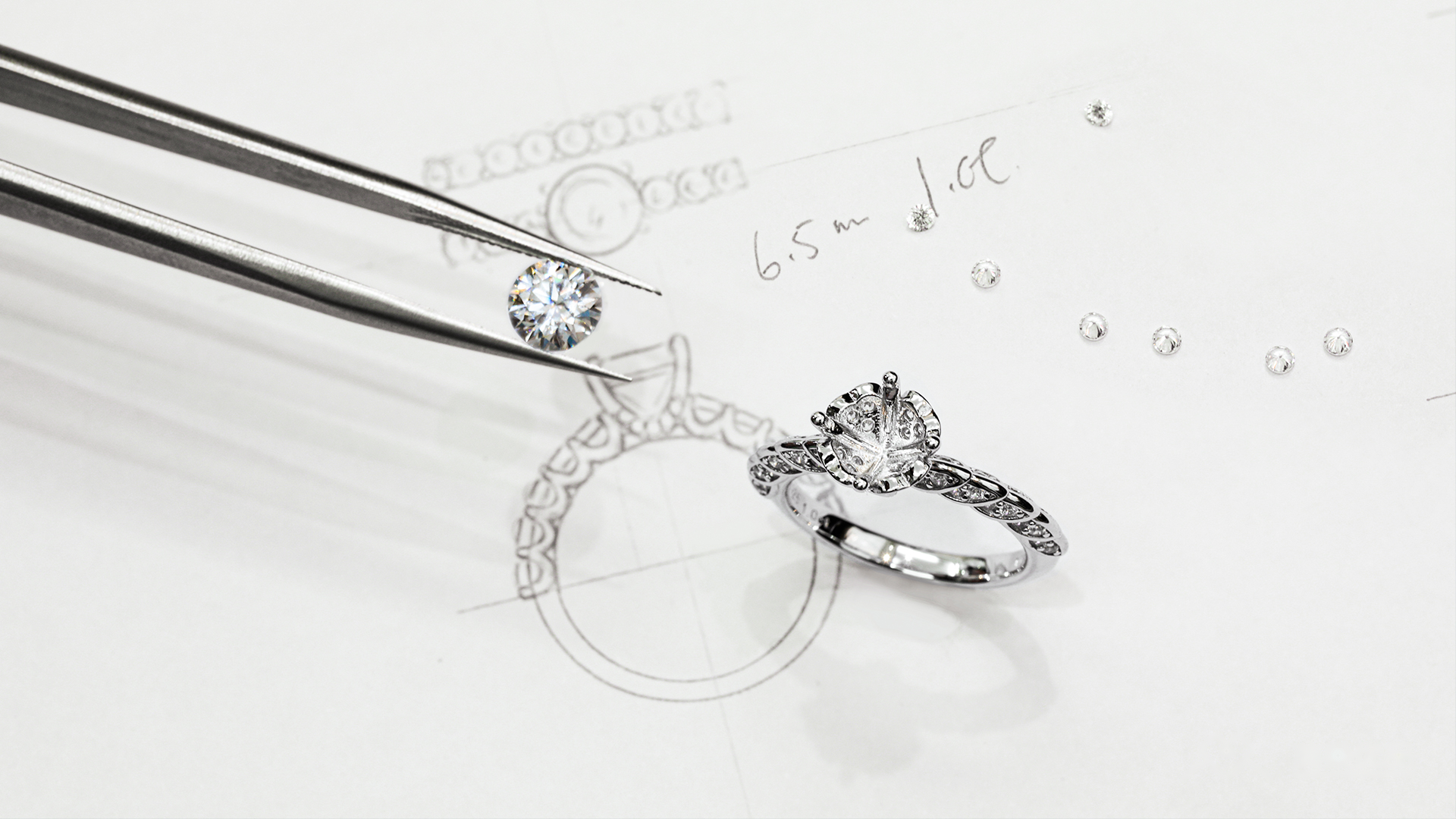
Reference images are useful for communicating an idea. They are not complete manufacturing instructions. A professional custom jewelry project should gradually convert the original idea into controlled technical information.
2.1 CAD and Revision Control
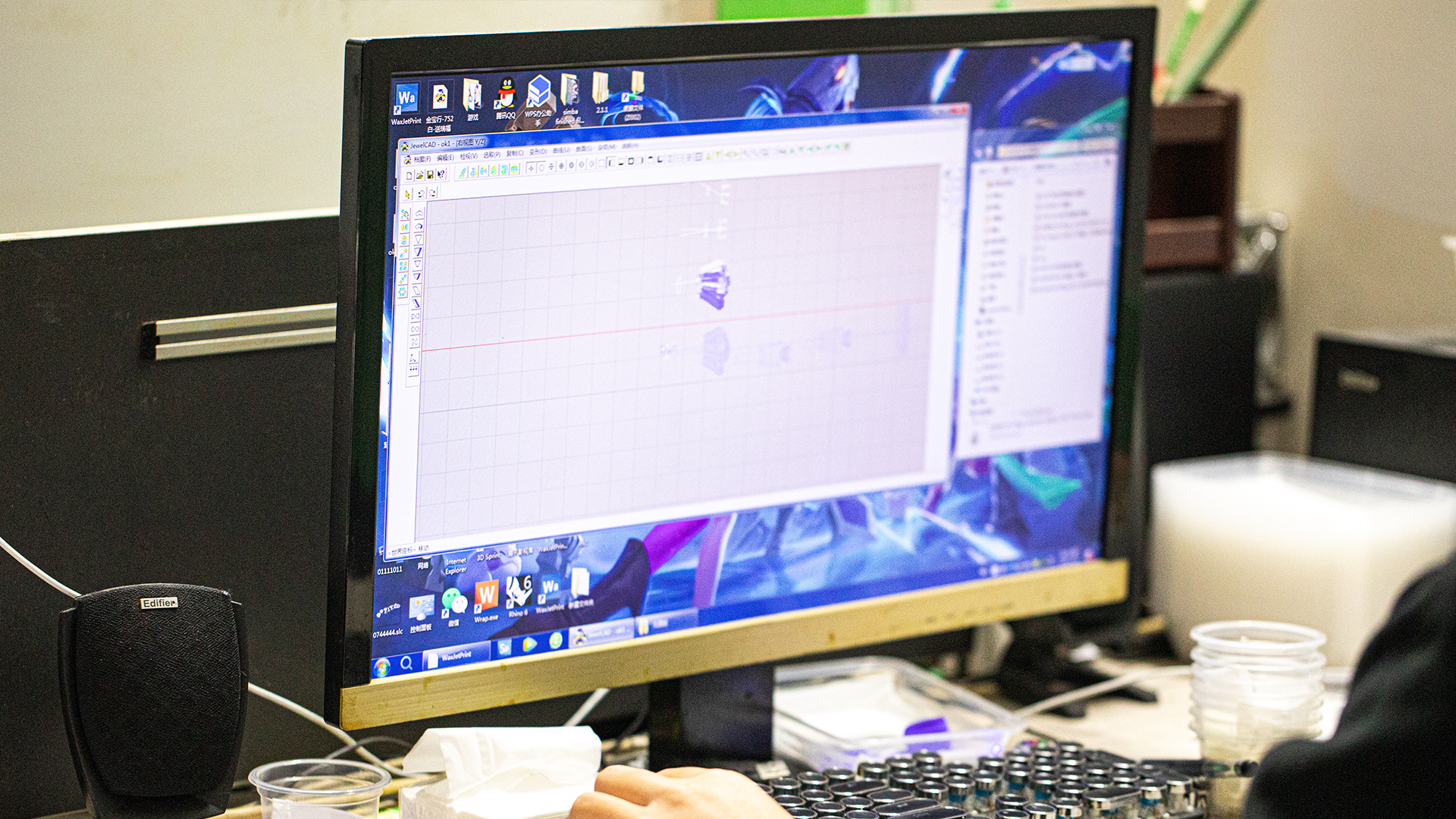
For custom products, CAD provides a more precise reference for: dimensions, setting structure, stone placement, proportions, and construction.
If the design is revised, each approved version should be clearly identified. A simple revision system such as:
V1 → V2 → Final Approved Version
can prevent confusion later. The production team should know exactly which version is authorized for manufacturing.
2.2 Material and Stone Specifications
The approved specification should also define the actual materials.
For example: S925 Sterling Silver,10K / 14K / 18K Gold,Platinum and the required gemstone category, such as: Moissanite,Lab-Grown Diamond,Lab-Grown Gemstone
For gemstones, it is useful to record shape, dimensions, quantity, and other project-specific requirements rather than relying only on a product name.
2.3 Finishing and Branding
Finish details can change the appearance of the same design significantly.
The approved file should therefore record: metal color, plating or finish, polishing standard, logo position, engraving, and packaging requirements.
3. Sample Approval Is Not the Same as Bulk Production Approval
This is where many sourcing problems begin. A buyer approves one excellent sample and assumes that production is complete.
But a sample and a production batch operate under different conditions.
| Area | Sample Order | Bulk Production |
|---|---|---|
| Quantity | Usually 1 or a few pieces | Multiple repeated units |
| Attention per piece | Very high | Process-driven |
| Adjustments | Can be manually corrected | Must be standardized |
| Stone setting | Individual workmanship | Repeated setting operations |
| Polishing | Easy to refine individually | Must remain consistent across batch |
| Plating / finish | One-piece result | Batch color consistency matters |
| Quality goal | Prove the product works | Reproduce the approved standard |
| Main risk | Design is not correct | Batch variation |
The most important question after approving a sample is therefore: Can this result be repeated consistently? A strong manufacturer should not only make one attractive sample.
It should have a process for maintaining quality when the order becomes larger.
4. Create a Golden Sample Before Bulk Production
Once the final sample is approved, keep it as a Golden Sample or Master Sample whenever practical. This becomes the physical reference for future production.
What Should a Golden Sample Record?
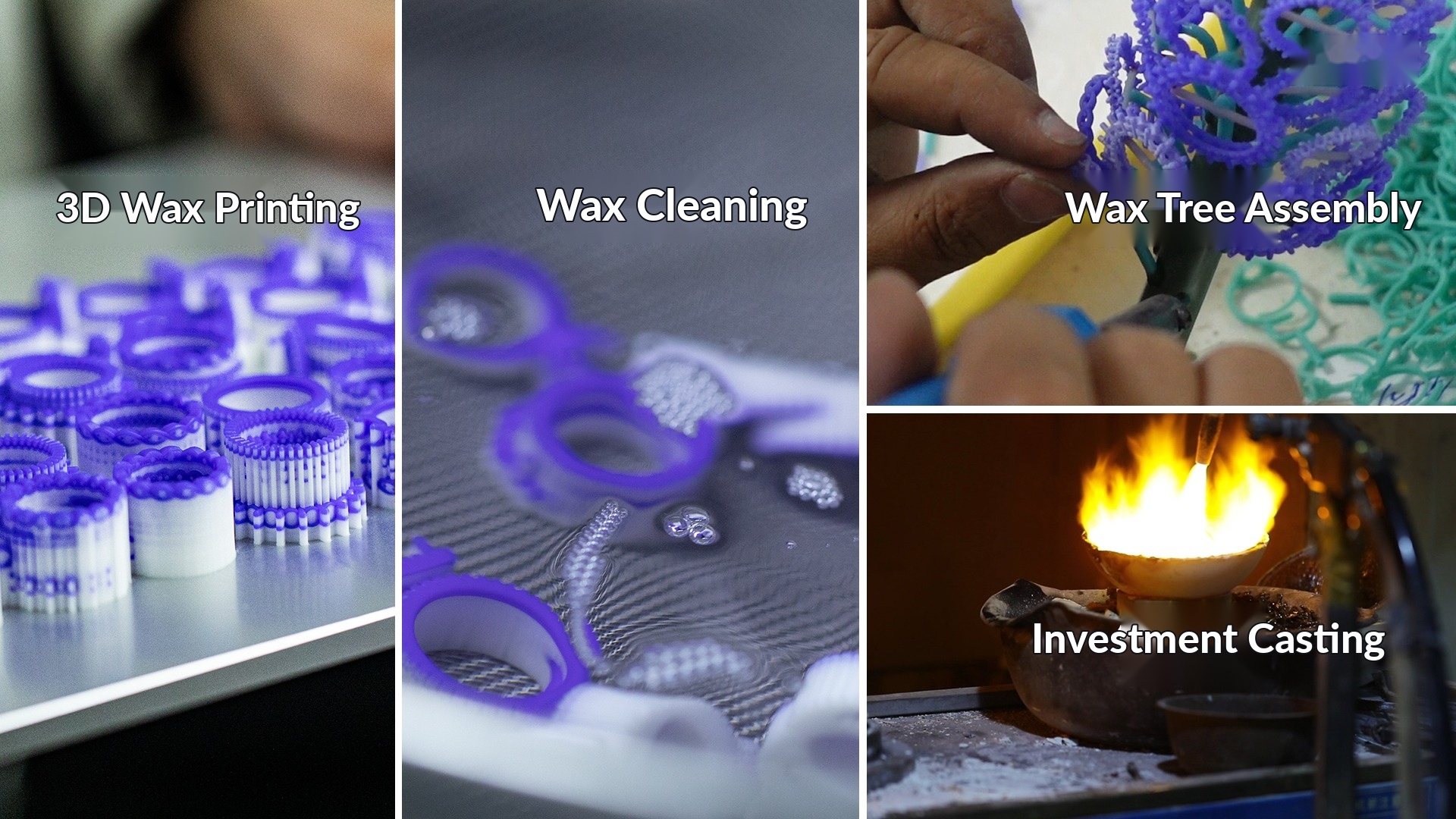
The approved standard may include:
- overall proportions
- gemstone size
- stone color and appearance
- setting position
- prong shape
- metal finish
- polishing
- plating color
- product dimensions
- ring size
- clasp function
- logo placement
- packaging
Photographs are useful, but a physical reference is usually stronger when available.
Why It Matters for Reorders
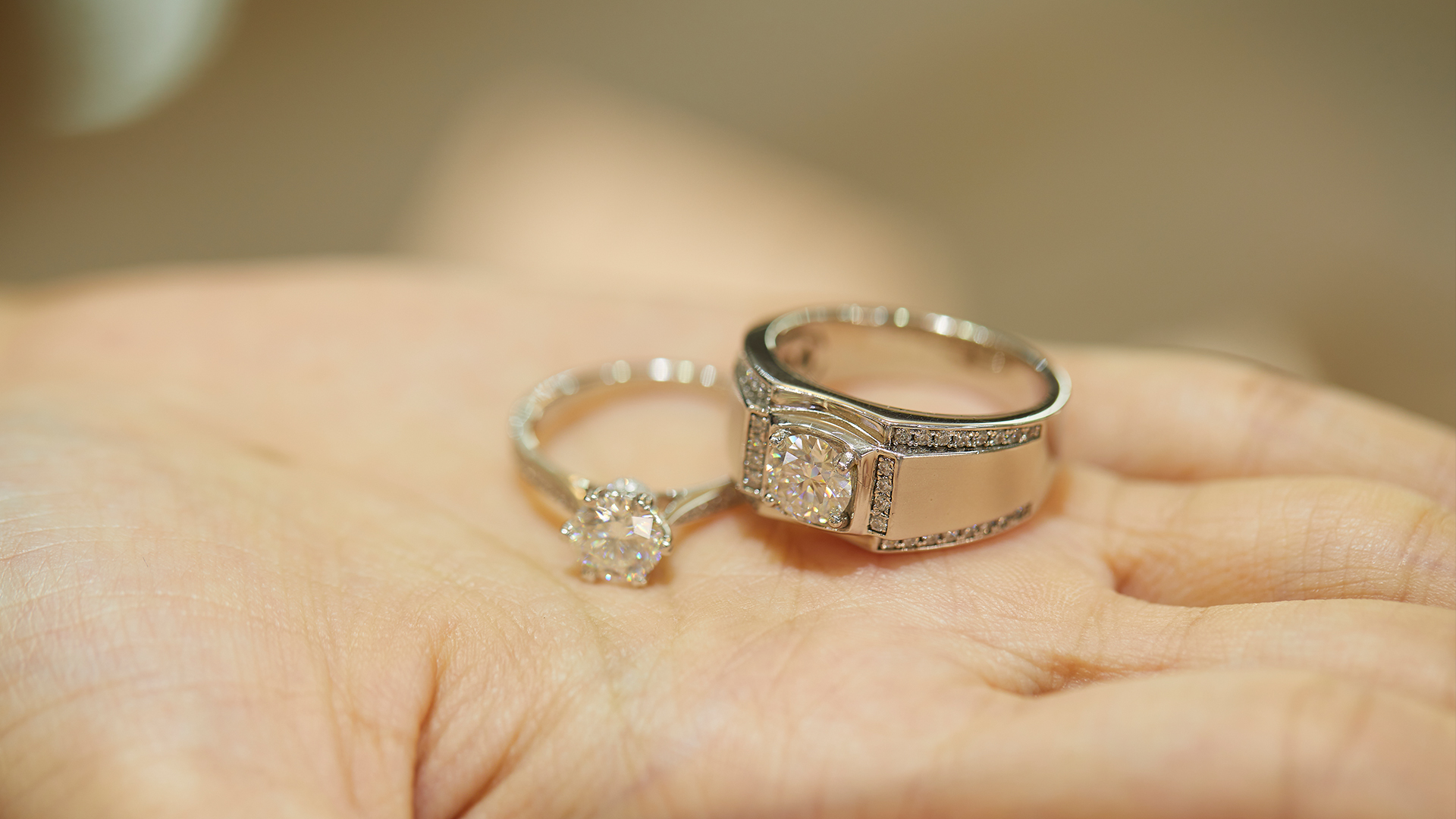
The value of the Golden Sample becomes even greater on the second and third order.
A buyer can compare the new production batch against the approved reference instead of relying on memory or old chat messages.
This reduces disputes such as: “The first batch looked different.” or: “This is not the color we approved.”
The discussion becomes more objective because both sides have a defined reference.
5. What Should Be Checked During Bulk Jewelry Production?
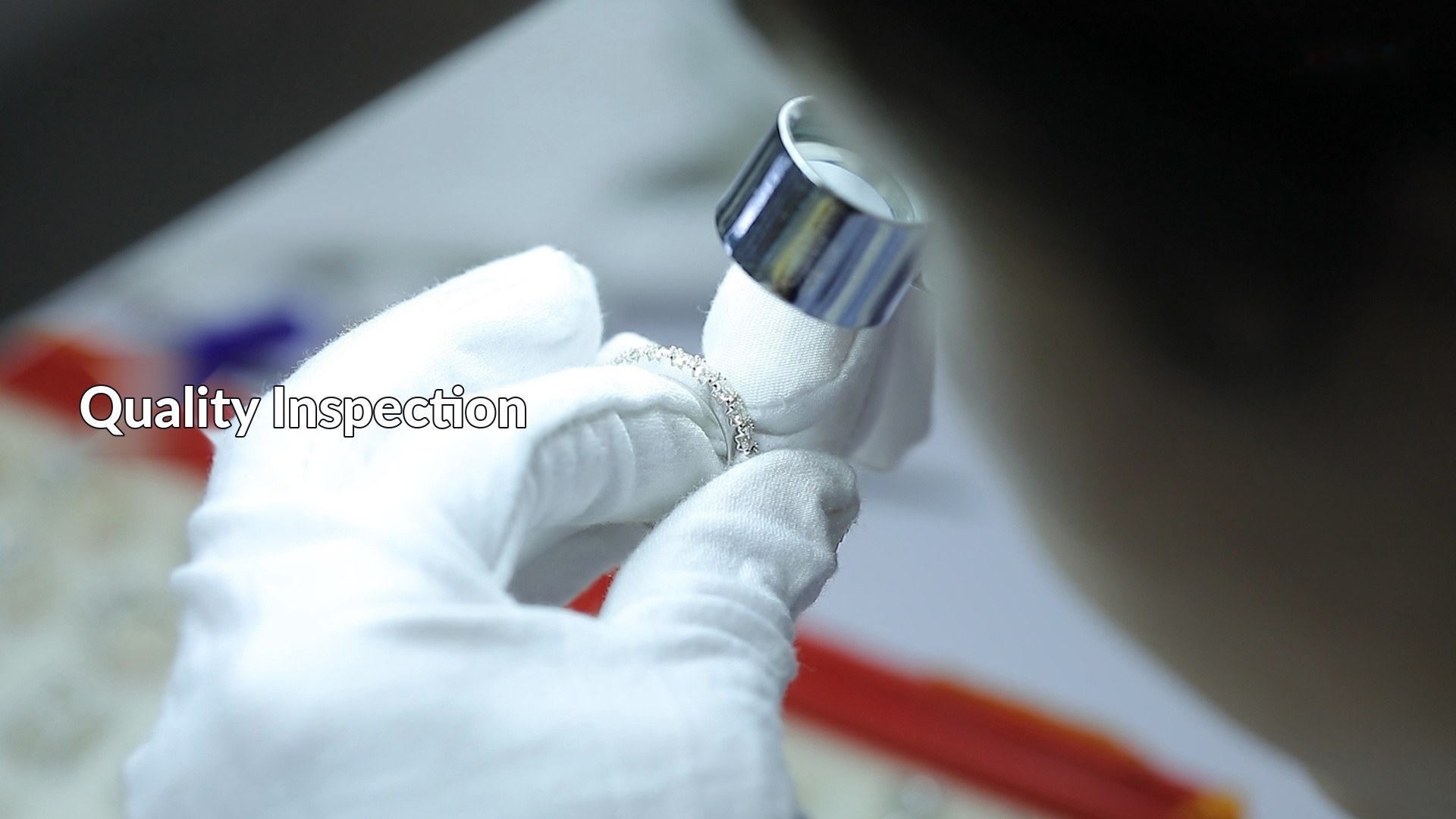
Not every quality issue has the same importance. Some defects can directly affect product function or customer satisfaction and should receive closer attention.
Stone Setting
Check for: loose stones, uneven prongs, misalignment, missing accent stones, and sharp edges.
For moissanite, lab-grown diamond, and lab-grown gemstone jewelry, secure stone setting is especially important because after-sales repairs can become expensive once the product has been shipped internationally.
Dimensions and Sizing
Confirm: ring size, chain length, bracelet dimensions, stone dimensions, and other critical measurements. A beautiful product in the wrong size is still a defective order.
Surface Finish
Inspect: polishing, scratches, plating consistency, metal color, and visible tool marks. Batch consistency becomes particularly important when several pieces will be displayed together in a retail environment.
Branding and Packaging
Logo position, labels, boxes, pouches, and SKU information should also follow the approved specification. For private-label brands, packaging errors can delay product launches even when the jewelry itself is correct.
6. Control Changes After the Sample Is Approved
One of the highest-risk situations in custom manufacturing is:
the sample is approved, but the product changes before production.
For example: the center stone size changes, the alloy changes, the plating changes, a component supplier changes, or the setting structure is modified.
Even small changes can affect: appearance, weight, price, production time, and structural performance. A larger center stone, for example, may require different prong placement or setting dimensions.Therefore, significant changes should trigger a new written confirmation.
A practical change-control process is: Requested Change → Technical Review → Price / Lead-Time Review → Updated CAD or Specification → Approval → Production Do not treat important design changes as informal chat messages.
7. Sample Orders, Small Batches, and Bulk Production Serve Different Purposes
For growing brands, sourcing does not have to move directly from one sample to hundreds of pieces. A safer progression may look like this:
Stage 1: Sample
Confirm the design, material, workmanship, and appearance.
Stage 2: Small Batch
Produce a limited quantity to evaluate consistency and market response.
Stage 3: Commercial Validation
Track: sales, customer questions, returns, repairs, and product feedback.
Stage 4: Bulk Production
Scale products that have demonstrated both manufacturing stability and customer demand.
At Mosup, ready-stock wholesale products are available with No MOQ, while custom projects are evaluated separately according to design, material, and process requirements.
Custom projects can often be discussed from around 10 pieces, depending on the design, and a one-piece sample can be used for initial evaluation when appropriate.
The purpose is not to remain at low quantities forever. It is to reduce unnecessary risk before scaling.
8. Jewelry Sample Order vs. Bulk Production: Buyer Comparison
| Buyer Question | Sample Stage | Bulk Production Stage |
|---|---|---|
| Is the design manufacturable? | Primary focus | Already confirmed |
| Is the appearance correct? | Approve visually | Maintain consistency |
| Is CAD finalized? | Review and revise | Use approved version |
| Are materials correct? | Confirm | Verify batch |
| Is stone setting secure? | Inspect sample | Inspect production |
| Is packaging approved? | Confirm format | Repeat consistently |
| Are changes still easy? | Relatively easy | More costly |
| Main buyer objective | Approve the product | Control repeatability |
9. Purchasing Checklist Before Releasing Bulk Production
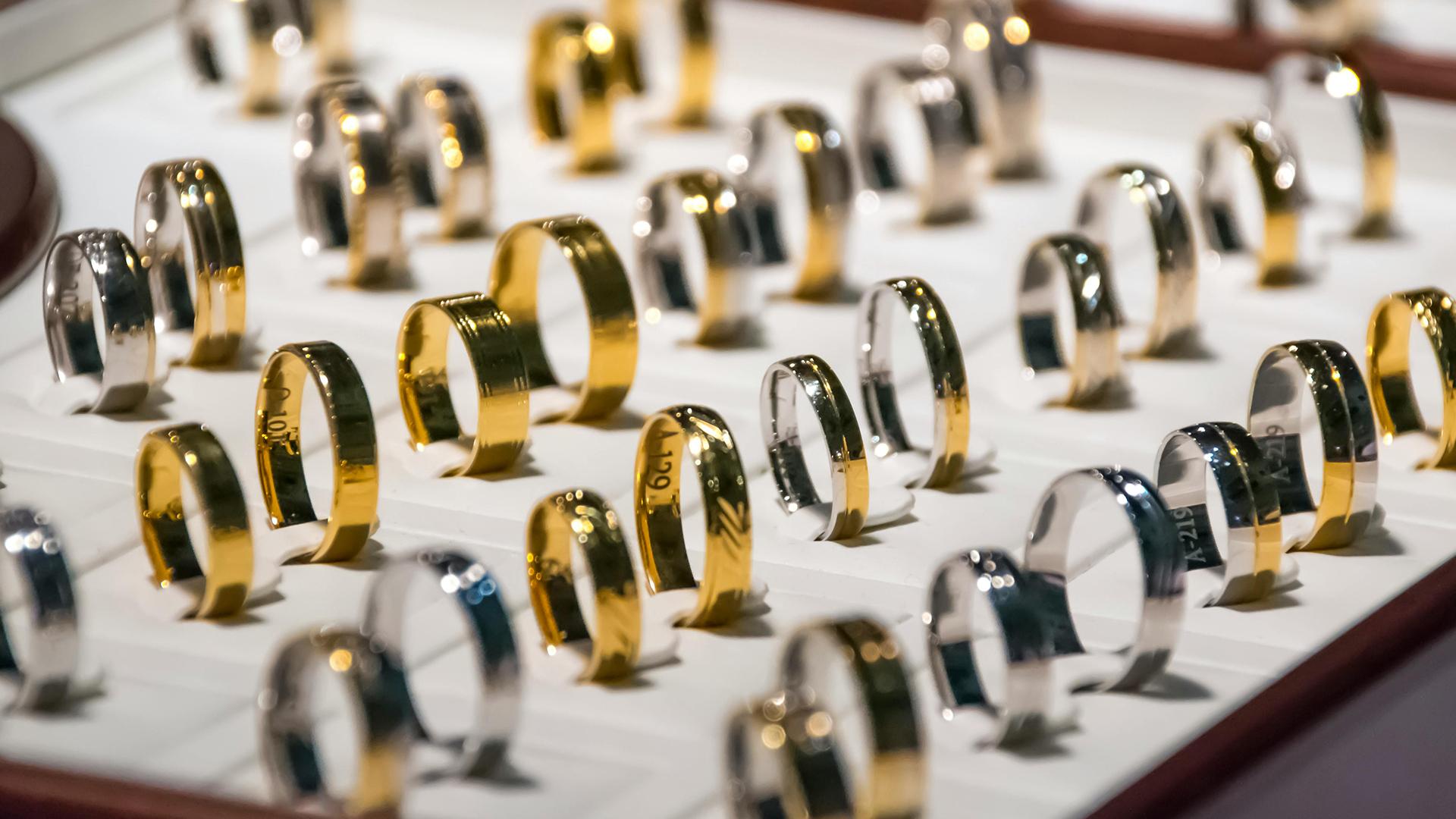
Before approving mass production, confirm the following:
- Final CAD or product specification — identify the approved revision.
- Material specification — confirm metal, gemstone, dimensions, finish, and color.
- Approved sample — identify which physical or photographed sample represents the standard.
- Quality criteria — define setting, sizing, polishing, plating, branding, and packaging expectations.
- Quantity and MOQ — confirm production quantity separately from ready-stock policies.
- Certificate or report requirements — do not assume every SKU includes the same documentation; define the required report and whether it applies to a loose stone or finished piece.
- Lead time — confirm sampling and bulk production timing separately.
- Change control — define how post-approval modifications will be handled.
- After-sales process — clarify how defects, repairs, replacements, or remakes will be managed.
- Reorder reference — keep the approved version and sample for future production.
FAQ: Jewelry Samples and Bulk Production
1 Can I Order One Jewelry Sample Before Bulk Production?
Yes. A one-piece sample can be discussed for design and quality evaluation depending on the project. Sample price and timing should be confirmed in the quotation.
2 Does an Approved Sample Guarantee Every Bulk Piece Will Be Identical?
No manufacturing process should be described as producing absolute zero variation. The goal is to define acceptable specifications and maintain controlled consistency across the production batch.
3 What Is a Golden Sample?
A Golden Sample is the final approved product used as the reference standard for bulk production and future reorders.
4 Does Mosup's No-MOQ Policy Apply to Custom Production?
No-MOQ purchasing applies to Mosup ready-stock wholesale products. Custom quantities depend on design, materials, and production requirements and should be confirmed separately.
5 How Long Does Custom Jewelry Production Take?
For Mosup custom projects, CAD development generally takes around one week depending on complexity. After design approval, standard bulk production can often take approximately two weeks, although actual timing depends on material, quantity, design complexity, and customization requirements.
From One Approved Sample to a Repeatable Jewelry Collection
A successful jewelry sample is only the beginning.
For a jewelry brand, the real value of manufacturing appears when the approved design can be repeated across: 10 pieces, 50 pieces, 100 pieces, or future reorders. That requires more than craftsmanship.
It requires:clear specifications + controlled revisions + approved samples + repeatable production + QC
Mosup supports jewelry brands, retailers, and wholesalers with moissanite, lab-grown diamond, and lab-grown gemstone sourcing, as well as OEM/ODM development in S925 sterling silver, 10K, 14K, 18K gold, and other supported materials.
Whether you are evaluating a first sample or preparing to scale an established product, the objective is the same: turn an approved design into a reliable product your brand can reorder with confidence.
Ready to Develop a Jewelry Sample?
Send Mosup: design / reference image + gemstone + metal + dimensions + quantity + target market + branding requirements + expected delivery schedule
Our team can review the project and help determine the next step: Sample → Approval → Small Batch → Bulk Production
→ Explore Mosup Jewelry Catalog
→ Learn How to Choose a Moissanite Jewelry Manufacturer
→ Read How to Start a Jewelry Brand
→ Contact Mosup for an OEM / ODM Project


