
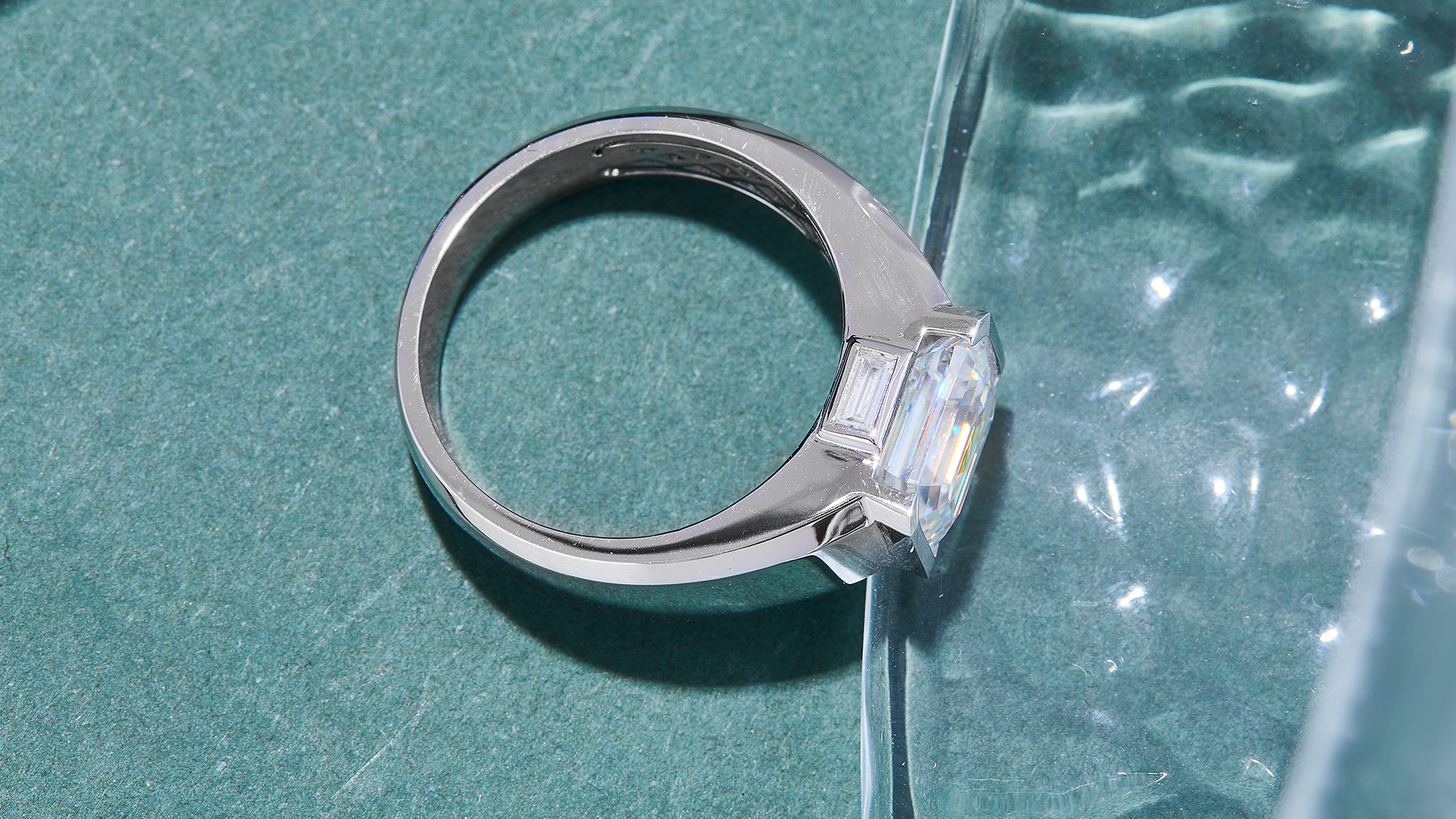
Understanding Lab-Grown Diamonds and Natural Diamonds
When purchasing a diamond, many buyers ask an important question:
What is the difference between a lab-grown diamond and a natural diamond?
At first glance, these two types of diamonds can look identical. They have the same crystal structure, the same hardness, and the same brilliant sparkle. However, the biggest difference lies in their origin.
Natural diamonds are formed deep beneath the Earth's surface over billions of years under extreme heat and pressure.
Lab-grown diamonds, also known as laboratory-grown diamonds or cultured diamonds, are created using advanced technology that replicates the natural diamond-growing environment in controlled laboratory conditions.
Both are real diamonds, but their journey from creation to market is different.
How Are Lab-Grown Diamonds Different from Natural Diamonds?
1. Different Origins and Creation Processes
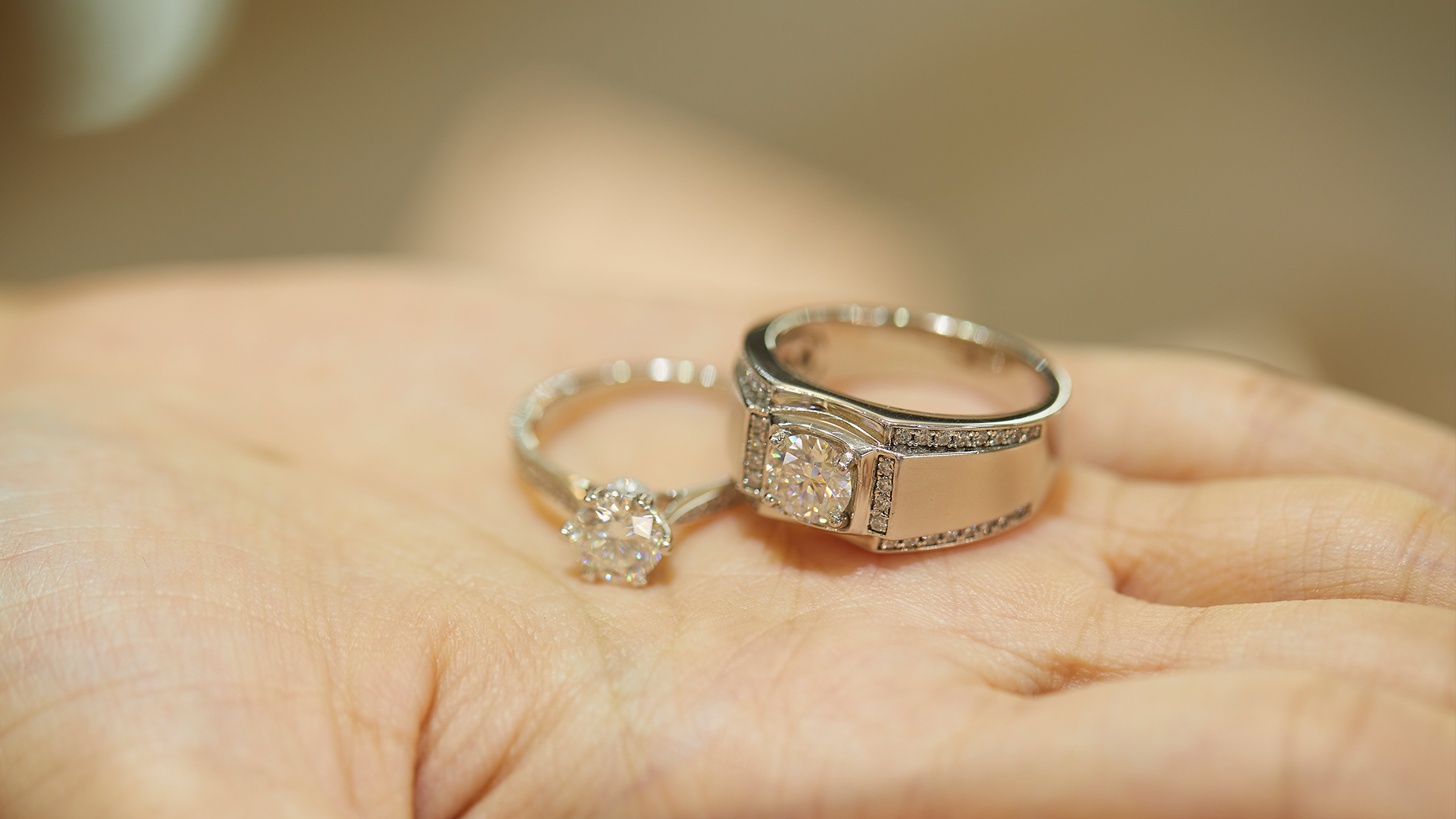
The most significant difference between lab-grown diamonds and natural diamonds is how they are formed.
Natural Diamonds
Natural diamonds are created deep inside the Earth through geological processes that can take billions of years.
They are extracted through mining operations, which involve:
Geological exploration
Mining processes
Rough diamond recovery
Cutting and polishing
Because natural diamonds rely on rare geological conditions, their availability is limited.
Lab-Grown Diamonds
Lab-grown diamonds are produced using advanced technology that recreates the conditions required for diamond formation.
The two main production methods are:
HPHT (High Pressure High Temperature)
CVD (Chemical Vapor Deposition)
These technologies allow manufacturers to grow diamonds in controlled environments with consistent quality and characteristics.
Because production is technology-driven, lab-grown diamonds offer a more predictable supply chain compared with mined diamonds.
2. Diamond Certification Differences
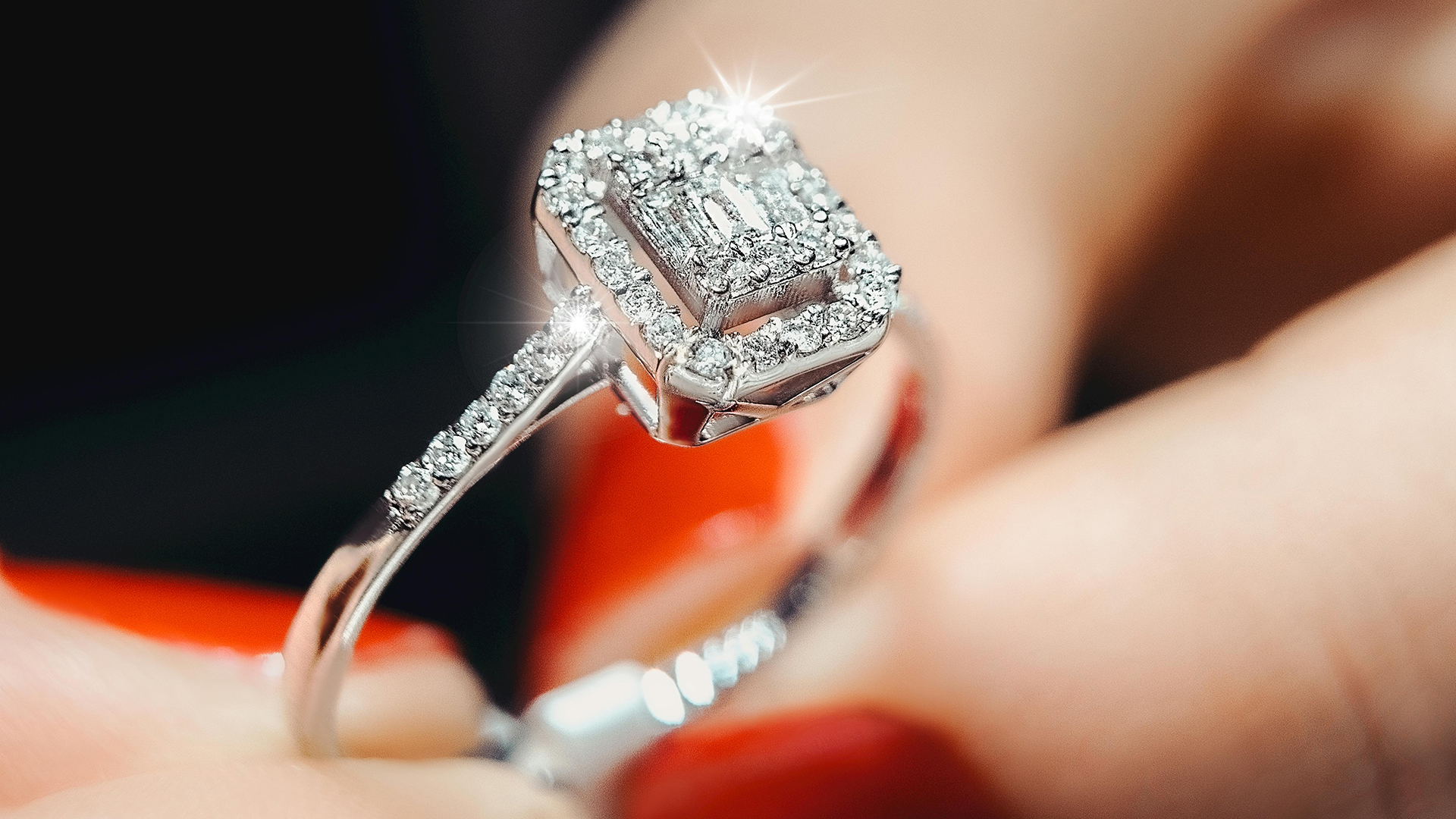
Certification is an important factor when purchasing any diamond.
Professional diamond grading laboratories evaluate diamonds based on the famous 4Cs:
Cut
Color
Clarity
Carat Weight
Organizations such as:
GIA (Gemological Institute of America)
IGI (International Gemological Institute)
HRD Antwerp
provide professional diamond grading reports.
Both natural diamonds and lab-grown diamonds can receive certification.
However, the certificate clearly identifies whether the diamond is:
Natural Diamond
Laboratory-Grown Diamond
This transparency allows buyers to understand exactly what they are purchasing.
For jewelry brands and retailers, providing certified diamonds helps build consumer confidence and ensures product authenticity.
3. Price Difference Between Lab-Grown and Natural Diamonds
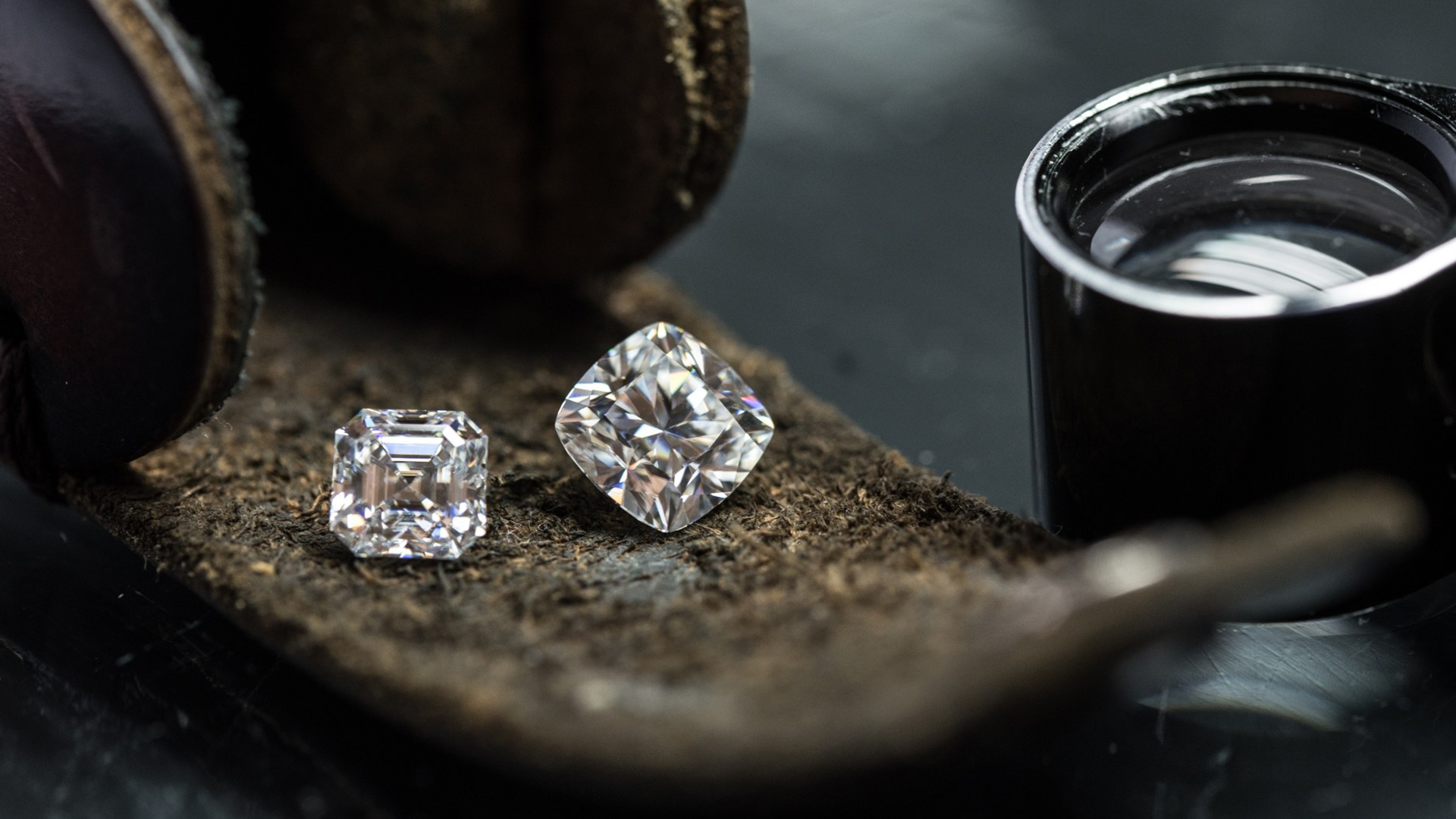
Price is one of the biggest differences between lab-grown diamonds and natural diamonds.
Natural diamonds typically have higher prices because of:
Limited natural supply
Mining costs
Long geological formation process
Traditional market positioning
Lab-grown diamonds generally offer a more accessible price point because their production process is controlled and scalable.
For the same:
Carat weight
Color grade
Clarity grade
Cut quality
a lab-grown diamond is usually more affordable than a natural diamond.
This price advantage allows consumers to choose:
Larger diamond sizes
Higher quality grades
More elaborate jewelry designs
within the same budget.
For modern jewelry brands, lab-grown diamonds also provide new opportunities to create competitive collections with attractive pricing.
Lab-Grown Diamond Buying Guide: What Should You Consider?
Choosing a high-quality lab-grown diamond requires attention to several important factors.
1. Choose a Reliable Supplier
The first step is selecting a trustworthy diamond supplier or jewelry manufacturer.
A professional supplier should provide:
Authentic diamond certification
Clear product information
Transparent sourcing details
Consistent quality standards
For jewelry brands, working with experienced manufacturers ensures stable supply and reliable product quality.
2. Understand the 4Cs of Lab-Grown Diamonds
Just like natural diamonds, lab-grown diamonds are evaluated through the 4Cs.
Cut
Cut determines how effectively a diamond reflects light.
A well-cut diamond will display:
Better brilliance
Stronger sparkle
More attractive visual performance
Color
Diamond color ranges from colorless to different levels of warmth.
Higher color grades usually create a cleaner and brighter appearance.
Clarity
Clarity refers to internal and external characteristics of the diamond.
Higher clarity grades generally provide a more flawless appearance.
Carat Weight
Carat refers to the weight of the diamond.
Larger diamonds usually have higher prices, but size should always be balanced with cut quality and overall appearance.
3. Compare Different Suppliers and Prices
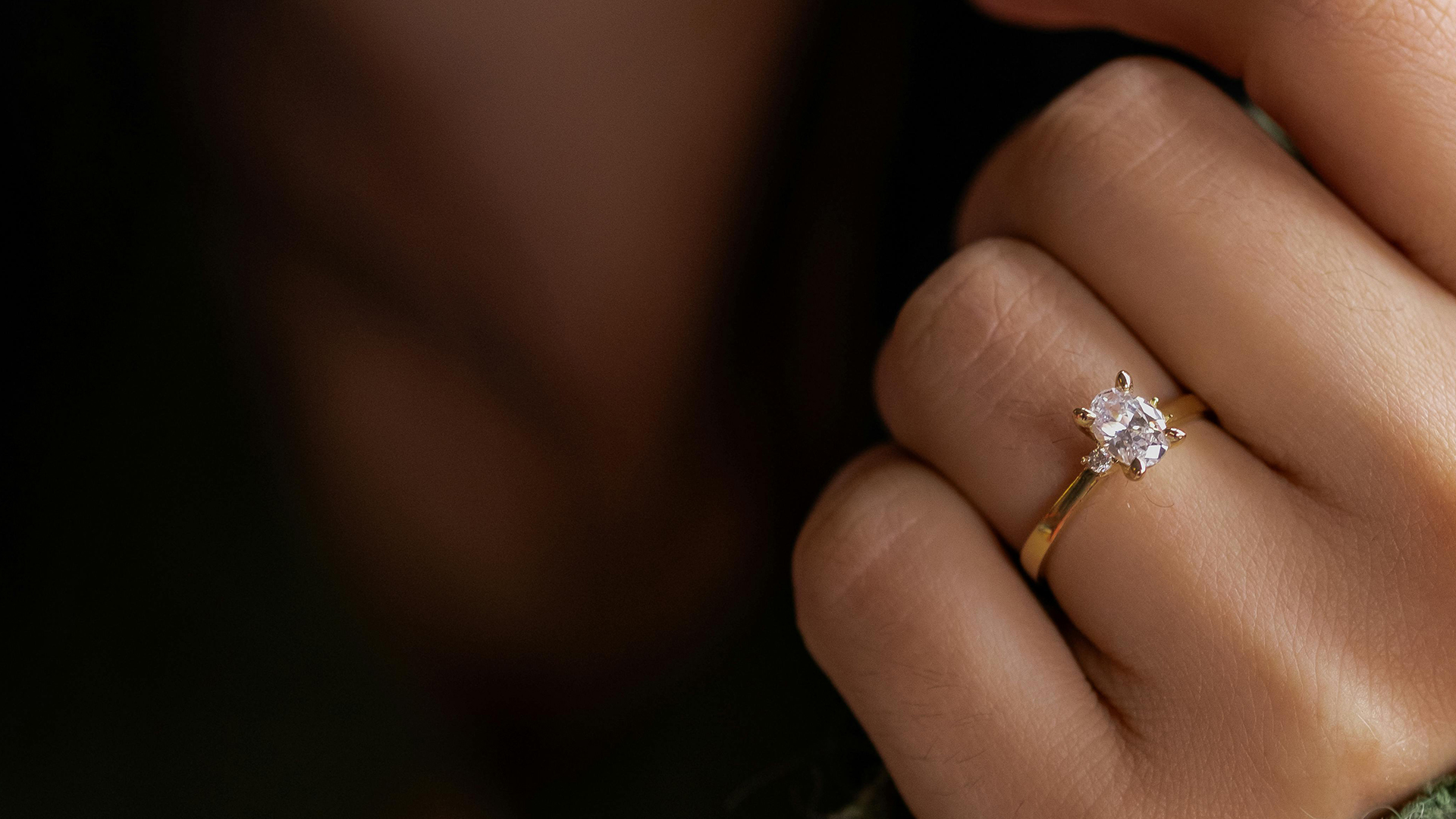 The lab-grown diamond market includes many suppliers and brands.
Before making a purchase, buyers should compare:
Diamond quality
Certification
Manufacturing standards
Customer service
Pricing
A lower price does not always mean better value.
The best choice is a diamond that provides the right balance between:
Quality
Beauty
Budget
Long-term satisfaction
Are Lab-Grown Diamonds a Good Choice?
Lab-grown diamonds have become increasingly popular among modern consumers because they offer:
Genuine diamond properties
Advanced manufacturing technology
Competitive pricing
Flexible design options
They are widely used in:
Engagement rings
Wedding jewelry
Fine jewelry collections
Custom jewelry designs
For younger generations and modern jewelry brands, lab-grown diamonds represent a combination of innovation, beauty, and accessibility.
Lab-Grown Diamonds for Jewelry Brands and Wholesale Buyers
For professional jewelry companies, lab-grown diamonds provide opportunities to develop competitive product lines.
Key advantages include:
Stable Supply
Controlled production allows manufacturers to maintain consistent inventory and quality standards.
Flexible Product Development
Brands can develop:
Custom engagement rings
Fine jewelry collections
Private label designs
OEM and ODM projects
Competitive Pricing
More accessible diamond costs allow brands to create attractive products for different market segments.
Conclusion
Lab-grown diamonds and natural diamonds are both real diamonds with the same chemical composition and physical properties.
The main differences are:
Origin
Production process
Certification details
Market pricing
Natural diamonds represent traditional rarity and geological history, while lab-grown diamonds offer technological innovation, affordability, and design flexibility.
When choosing a diamond, the most important factors are quality, certification, craftsmanship, and personal preference.
Understanding these differences allows consumers and jewelry brands to make smarter decisions and select the diamond solution that best matches their needs.
Looking for a Professional Lab-Grown Diamond Jewelry Manufacturer?
We specialize in high-quality lab-grown diamond jewelry, moissanite jewelry, and custom jewelry manufacturing.
With low MOQ, OEM, and ODM services, we help global jewelry brands develop premium collections with reliable quality control, professional craftsmanship, and flexible production solutions.


