
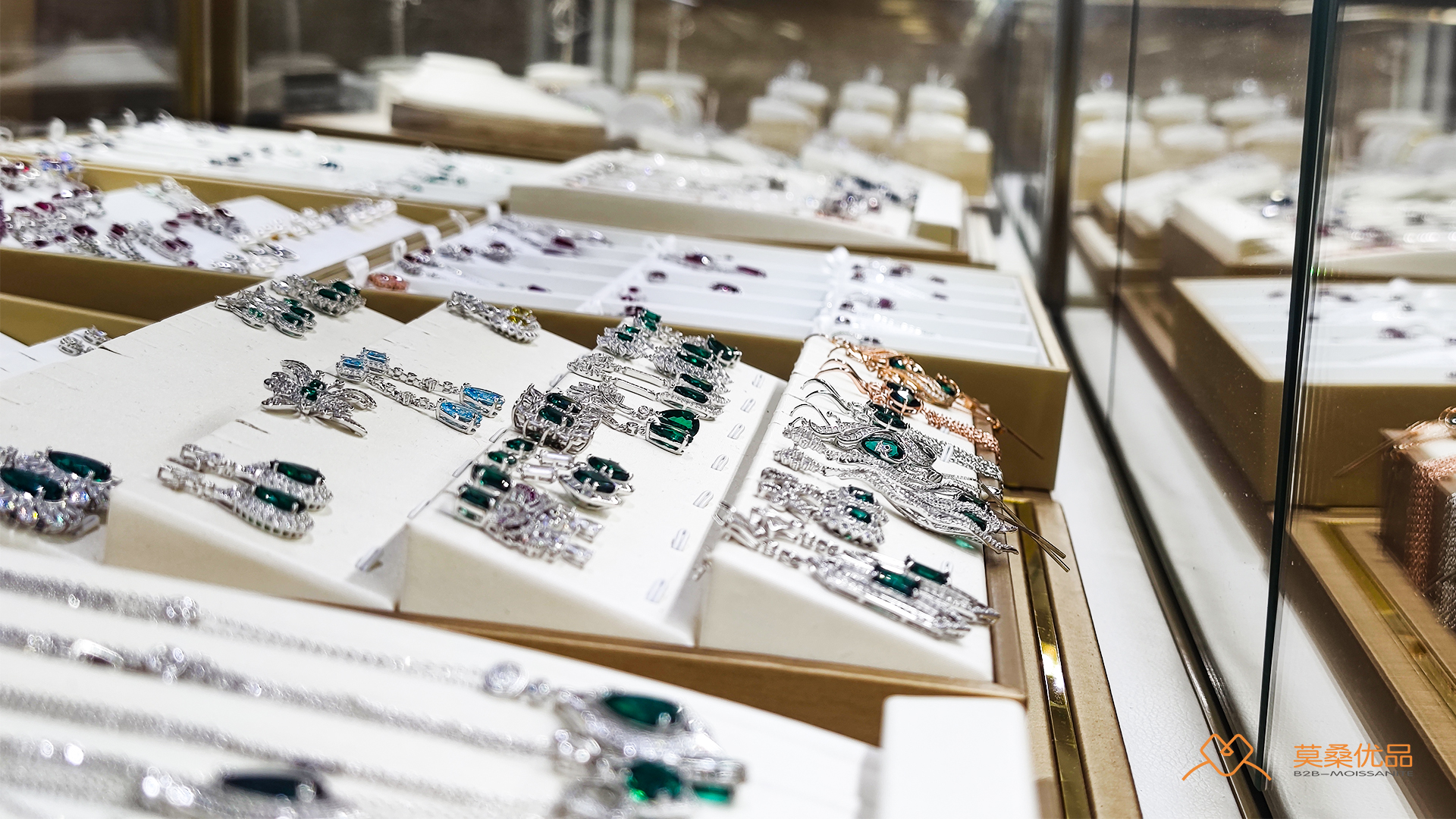
Opening a jewelry store can be an exciting business opportunity. Jewelry has always been associated with beauty, personal expression, and meaningful moments, making it a category with strong emotional value and customer demand.
Unlike many retail businesses, jewelry offers unique advantages:
- High perceived value
- Strong branding opportunities
- Repeat purchase potential
- Wide customer segments
However, starting a successful jewelry retail business requires much more than renting a store and buying products.
Retail jewelry owners need to consider:
- What type of jewelry should they sell?
- Who are their target customers?
- How should they choose suppliers?
- How much inventory should they purchase?
- How can they create an attractive shopping experience?
Whether you want to open a boutique jewelry store, expand an existing retail business, or develop your own jewelry collection, choosing the right products and supplier is the foundation of success.
This guide explains how to start a jewelry store step by step.
1. Define Your Jewelry Store Concept
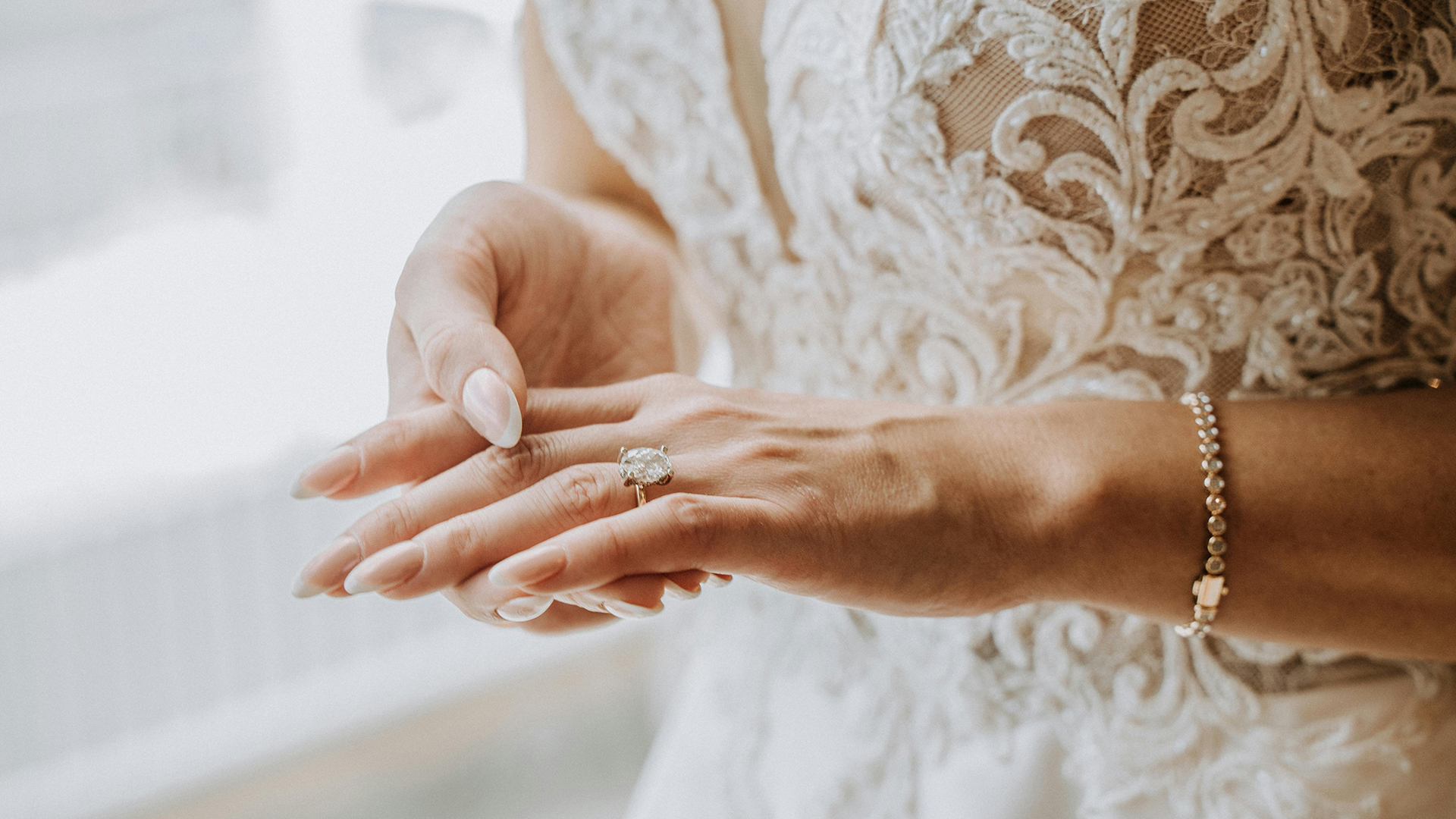
Before purchasing inventory, the first step is deciding what type of jewelry store you want to build.
A clear positioning helps you choose:
- Products
- Pricing
- Store design
- Marketing strategy
Luxury Jewelry Store
Target customers:
- High-income consumers
- Premium buyers
- Special occasion shoppers
Products:
- Fine jewelry
- Sterling silver jewelry
- Gemstone jewelry
- Custom jewelry
Focus:
- Quality
- Craftsmanship
- Exclusive designs
Fashion Jewelry Boutique
This is one of the most popular retail models.
Target customers:
- Young consumers
- Fashion-focused shoppers
Products:
- Earrings
- Necklaces
- Bracelets
- Trend jewelry
Advantages:
- Lower investment
- Faster product updates
- Wider customer base
Personalized Jewelry Store
Personalized jewelry continues to grow because customers value emotional connection.
Products:
- Name necklaces
- Initial jewelry
- Custom pendants
- Birthstone jewelry
Suitable for:
- Gift stores
- Boutique brands
- Online + offline businesses
2. Research Your Target Market
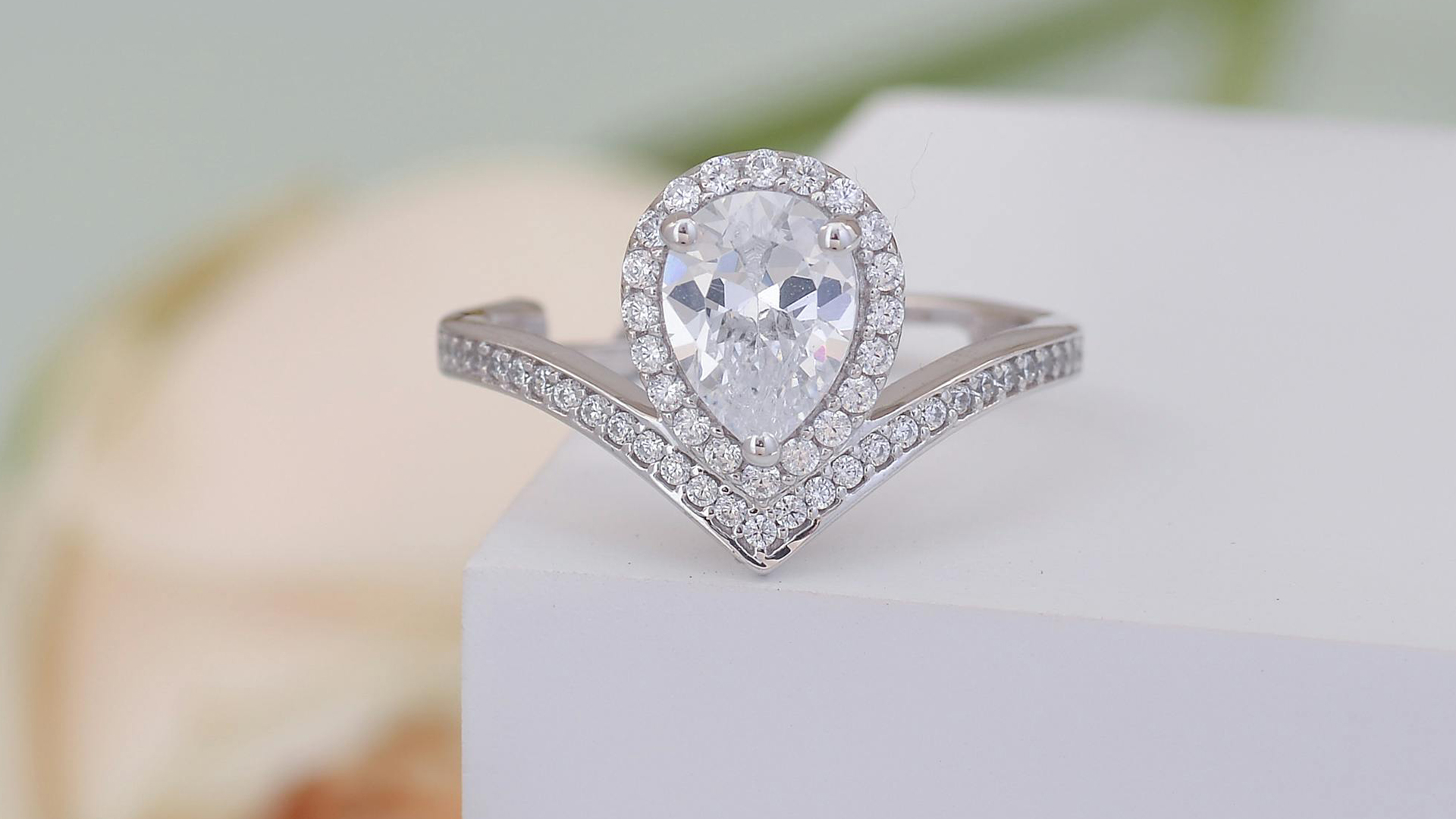
Successful jewelry stores understand their customers before choosing products.
Consider:
Customer Age
Different age groups prefer different styles.
Example:
Young customers:
- Trendy designs
- Affordable jewelry
- Fashion collections
Professional customers:
- Minimalist styles
- Everyday jewelry
- Premium materials
Customer Lifestyle
Ask:
Are your customers buying jewelry for:
- Daily wear?
- Gifts?
- Weddings?
- Special occasions?
This affects your product selection.
3. Choose the Right Jewelry Products
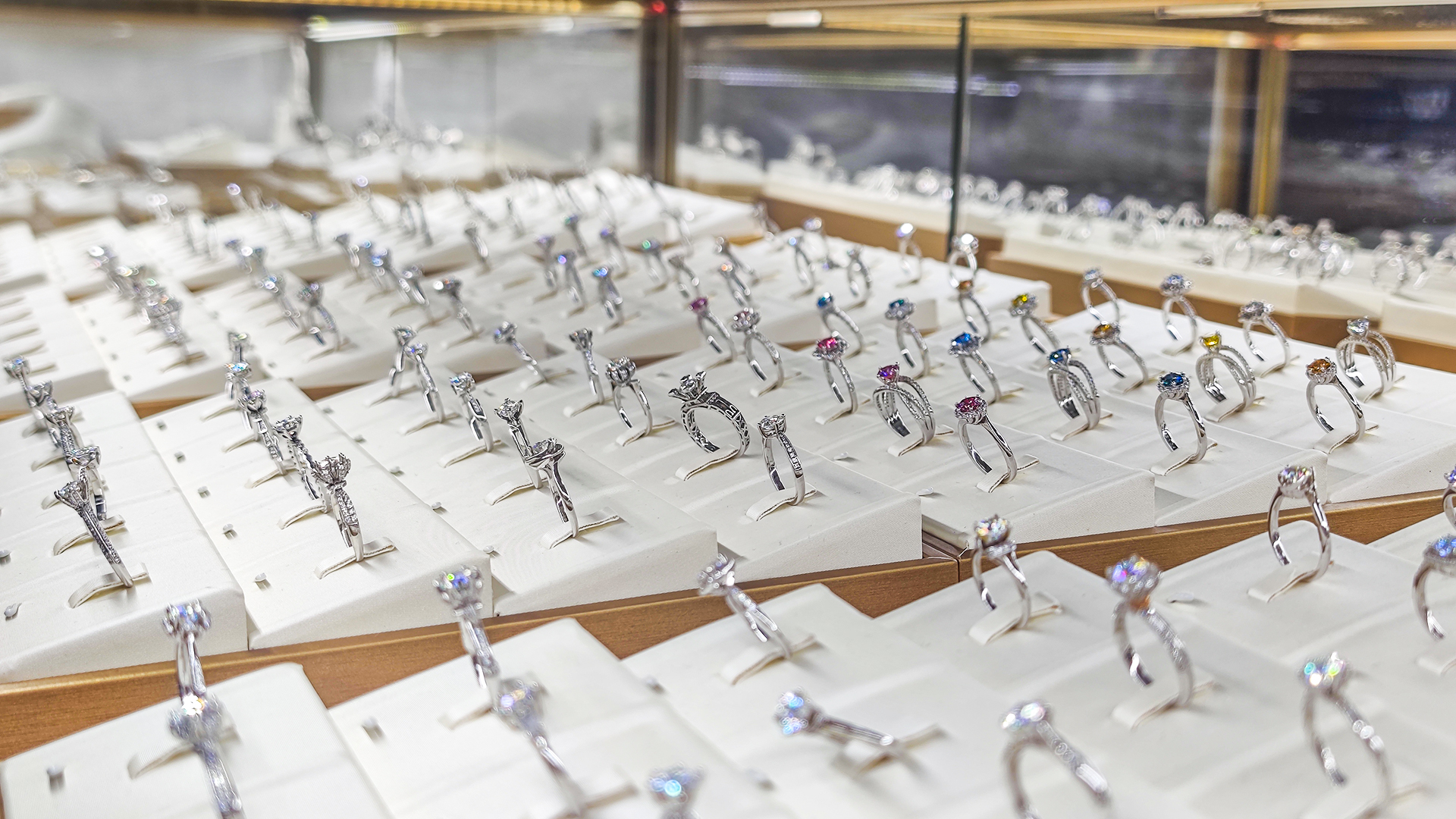
A successful jewelry store needs a balanced product collection.
Avoid purchasing random products.
Instead, create categories.
Essential Jewelry Categories
Earrings
Popular because:
- Easy to purchase
- Wide customer appeal
- Suitable for gifts
Necklaces
Important retail category.
Popular styles:
- Pendant necklaces
- Layered necklaces
- Minimalist necklaces
Bracelets
Good for:
Gift sets
Collection building
Add-on sales
Rings
Important considerations:
Size options
Design variety
Customer preferences
4. Find a Reliable Jewelry Wholesale Supplier
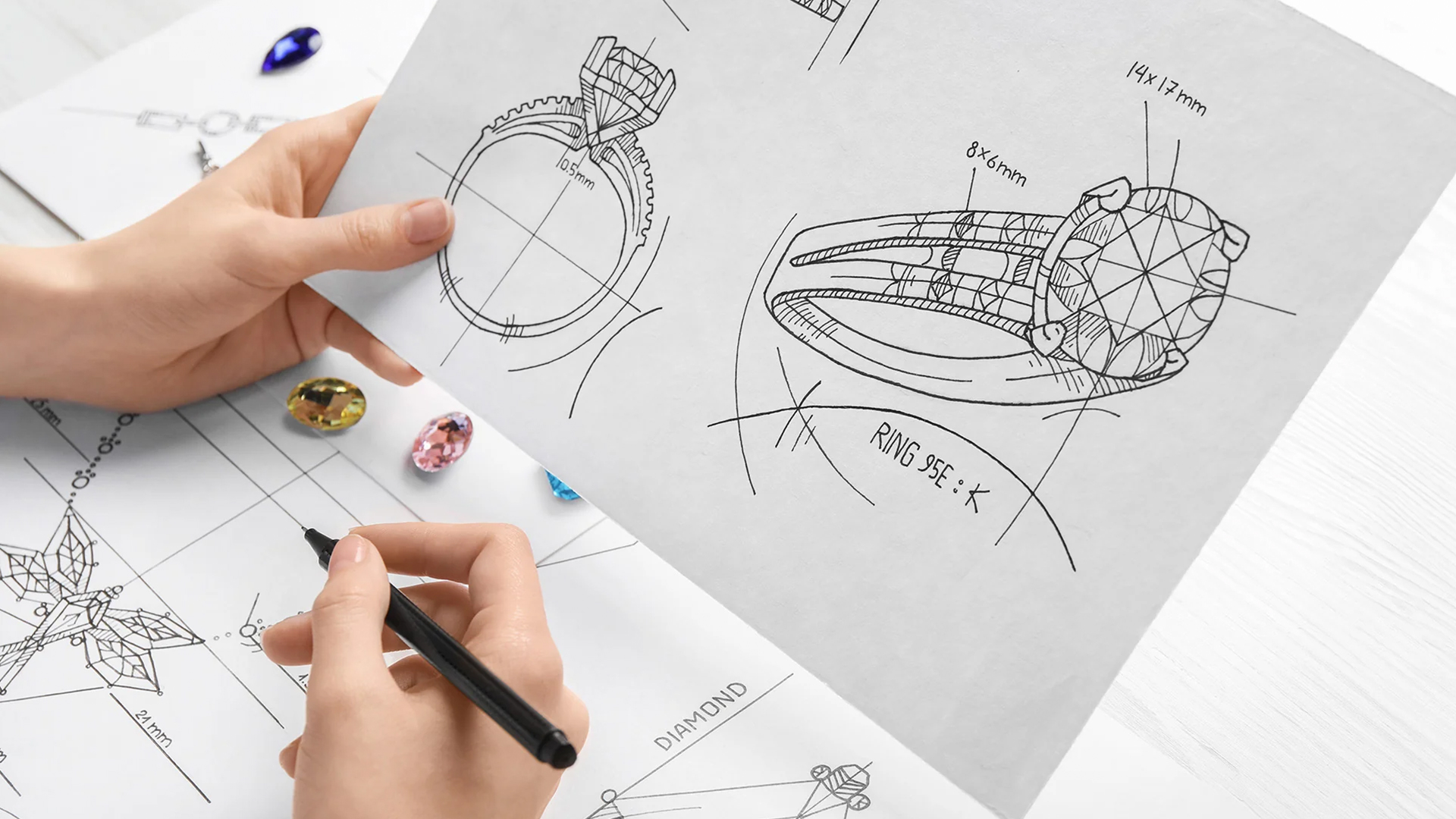
Choosing the right supplier is one of the most important decisions for jewelry retailers.
A good supplier helps you maintain:
- Product quality
- Stable inventory
- Competitive pricing
- New product development
What Should You Look For in a Jewelry Supplier?
Product Quality
Check:
- Materials
- Finishing
- Plating quality
- Durability
Flexible MOQ
For new jewelry stores, buying too much inventory creates risk.
Flexible MOQ allows you to:
- Test products
- Reduce inventory pressure
- Adjust collections
Product Variety
A reliable supplier should offer:
- Different jewelry categories
- Multiple materials
- New designs
Customization Services
Many retail brands eventually want unique products.
Customization options:
- Logo engraving
- Custom packaging
- Exclusive designs
- Private label production
5. Build Your Jewelry Store Inventory Strategy
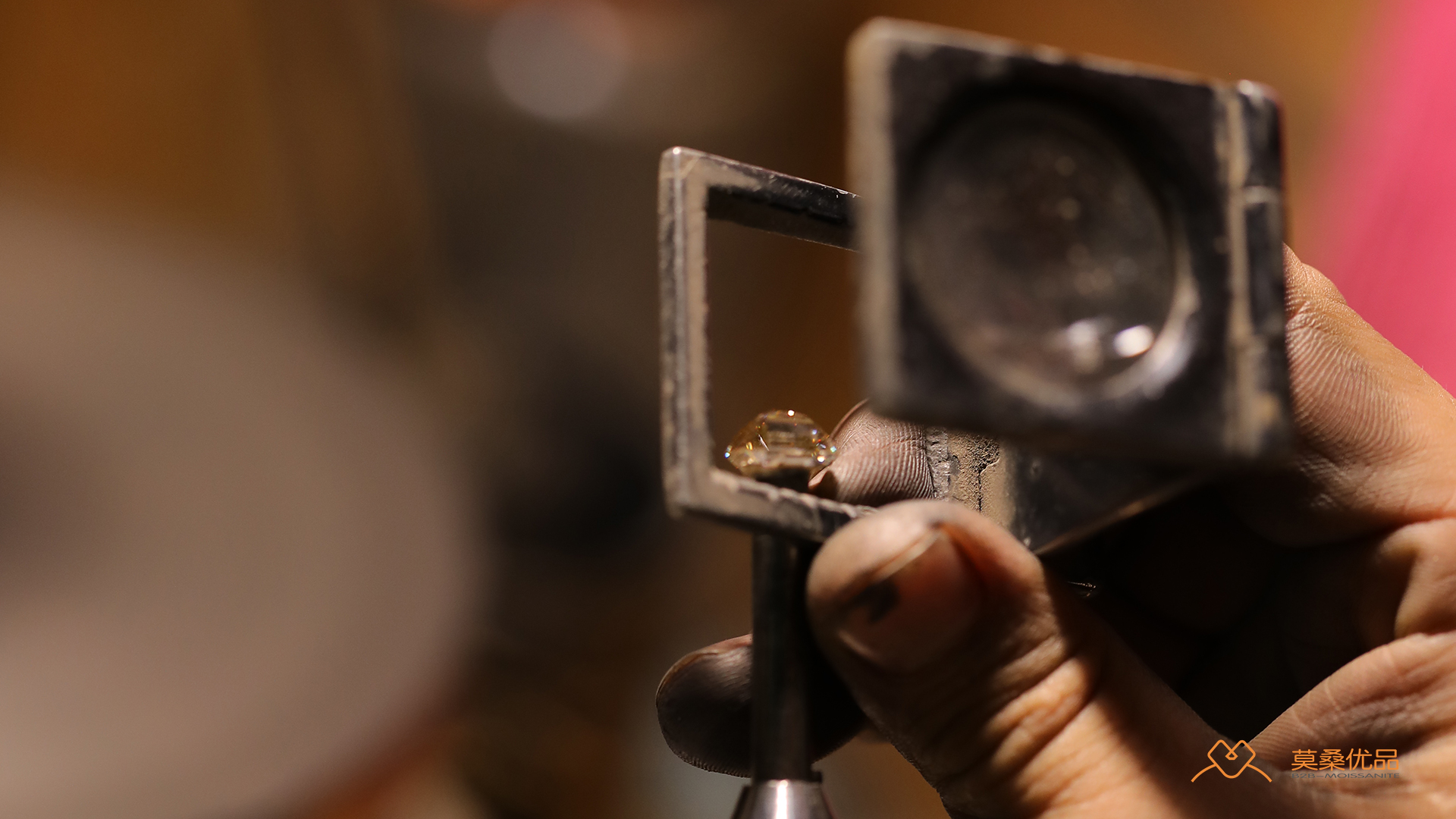
Inventory management is critical in jewelry retail.
Too much inventory:
- Locks cash flow
- Increases storage pressure
Too little inventory:
Misses sales opportunities
Start With a Core Collection
A new jewelry store can start with:
- Best-selling designs
- Multiple price levels
- Different customer preferences
Example:
Entry level:
$20-$50 jewelry
Mid-range:
$50-$150 jewelry
Premium:
$150+ jewelry
6. Design an Attractive Jewelry Display
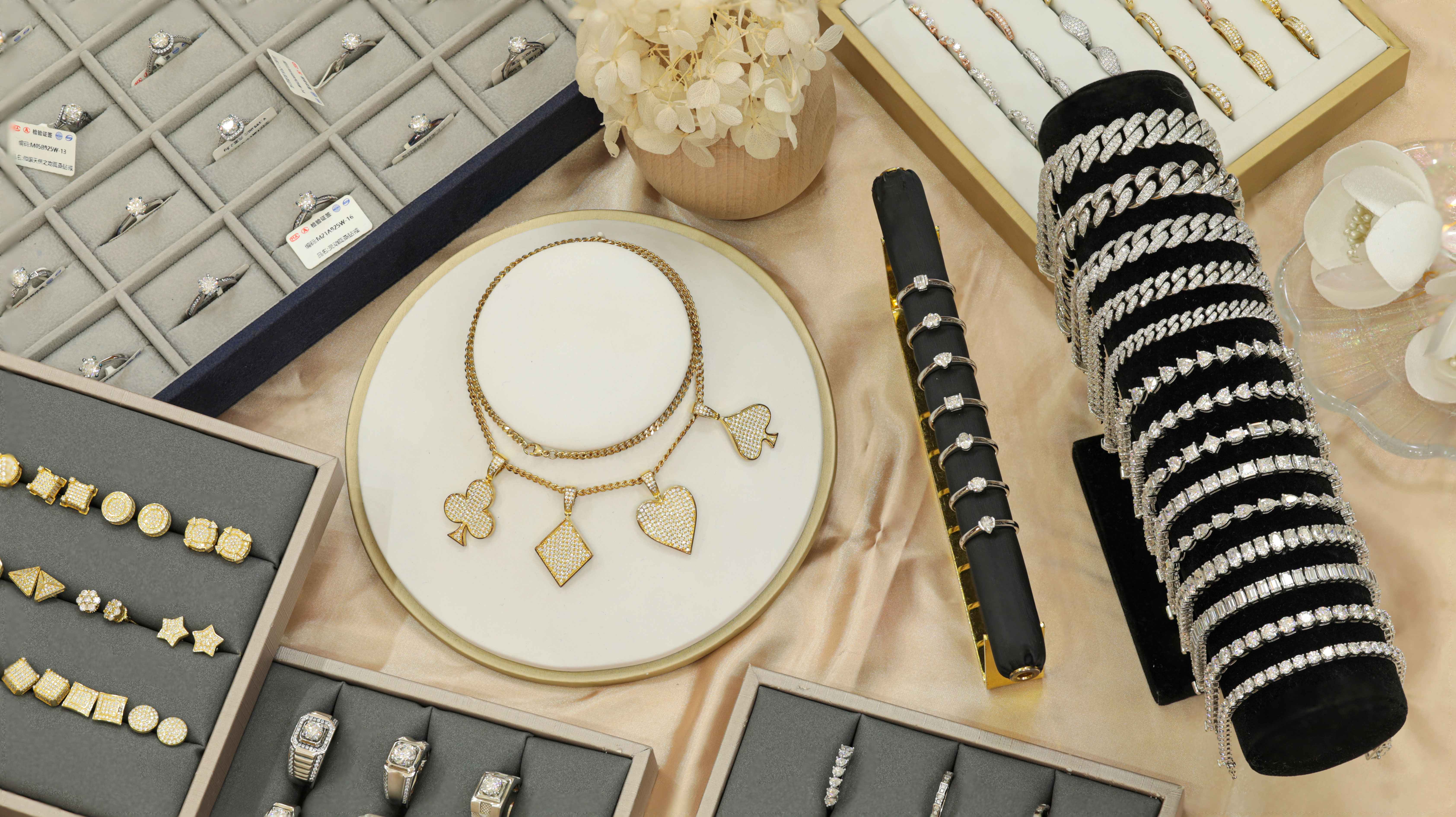
Jewelry purchasing is highly visual.
Store presentation influences customer decisions.
Important elements:
Product Arrangement
Group products by:
- Collection
- Style
- Occasion
Examples:
- Wedding collection
- Everyday jewelry
- New arrivals
Lighting
Good lighting helps customers see:
- Product details
- Materials
- Finishes
Brand Experience
Create:
- Consistent packaging
- Brand colors
- Customer service experience
7. Build Relationships With Customers
Successful jewelry stores rely on customer trust.
Strategies:
Personalized Service
Help customers choose products based on:
- Style
- Occasion
- Budget
Customer Follow-Up
Maintain relationships through:
- Social media
- Loyalty programs
New Collection Launches
Encourage repeat purchases through:
- Seasonal collections
- Limited designs
- Special promotions
8. Expand Your Jewelry Retail Business

Once your store grows, consider expanding.
Add Online Sales Channels
Many successful jewelry retailers combine:
- Physical store
- Online store
- Social media
Benefits:
- More customers
- Higher brand awareness
- Better sales opportunities
Develop Your Own Private Label Collection
Creating your own branded jewelry line can help you:
- Stand out from competitors
- Increase profit margins
- Build customer loyalty
A manufacturing partner can help with:
- Product development
- Sampling
- Production
- Packaging
9. Common Mistakes When Starting a Jewelry Store
Mistake 1: Buying Too Much Inventory
New retailers often purchase too many products.
Better approach:
Start small and expand based on sales data.
Mistake 2: Choosing Suppliers Only by Price
Cheap products may create:
- Quality issues
- Customer complaints
- Brand damage
Mistake 3: No Clear Store Positioning
A jewelry store should have a clear identity.
Customers should understand:
- Who you serve
- What makes you different
Mistake 4: Ignoring Branding
Modern customers buy:
Not only jewelry,
but also:
- Experience
- Story
- Trust
Frequently Asked Questions
How much does it cost to open a jewelry store?
The investment depends on:
- Store size
- Product category
- Inventory quantity
- Location
Many businesses start with smaller collections and expand gradually.
Where can jewelry stores buy wholesale jewelry?
Jewelry retailers can work with:
- Jewelry manufacturers
- Wholesale suppliers
- Private label producers
Can a jewelry manufacturer create products for my store?
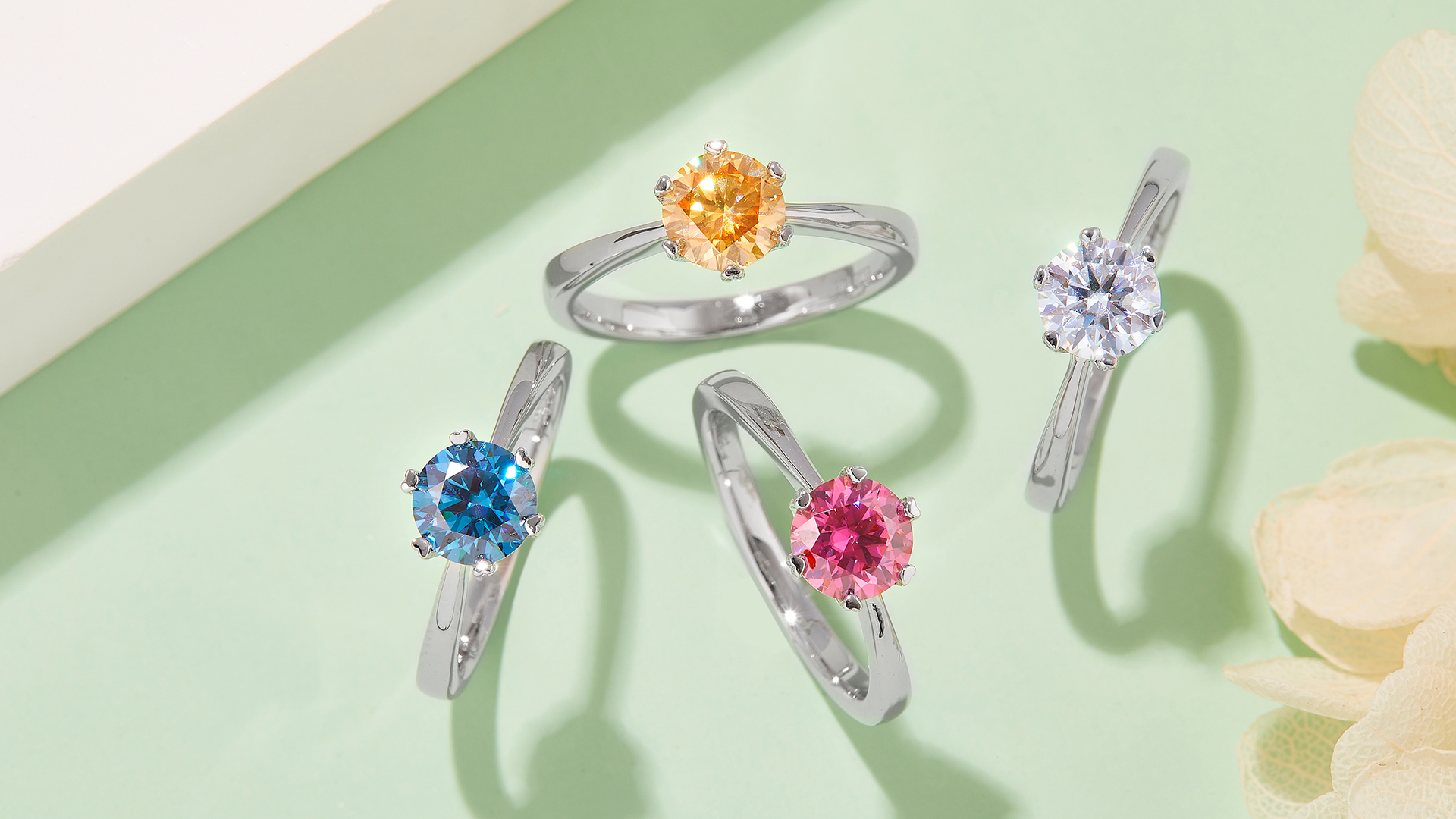
Manufacturers can provide:
- Wholesale jewelry supply
- OEM jewelry production
- Private label services
- Custom packaging
How much inventory should a new jewelry store buy?
Start with a focused collection and test customer demand before expanding inventory.
Conclusion
Opening a jewelry store requires careful planning, strong product selection, and reliable supplier partnerships.
The right jewelry supplier can help retailers:
- Access quality products
- Maintain consistent inventory
- Develop exclusive collections
- Build a stronger brand
Whether you are opening your first jewelry boutique or expanding an existing retail business, working with an experienced jewelry manufacturer can help you create a profitable and sustainable jewelry business.
Ready to Build Your Jewelry Store Collection?
We support jewelry retailers worldwide with:
✓ Wholesale Jewelry Supply
✓ OEM & ODM Manufacturing
✓ Private Label Jewelry Solutions
✓ Custom Jewelry Development
✓ Flexible MOQ Options
✓ Custom Packaging Services
Contact us today to discuss your jewelry collection and wholesale requirements.


