
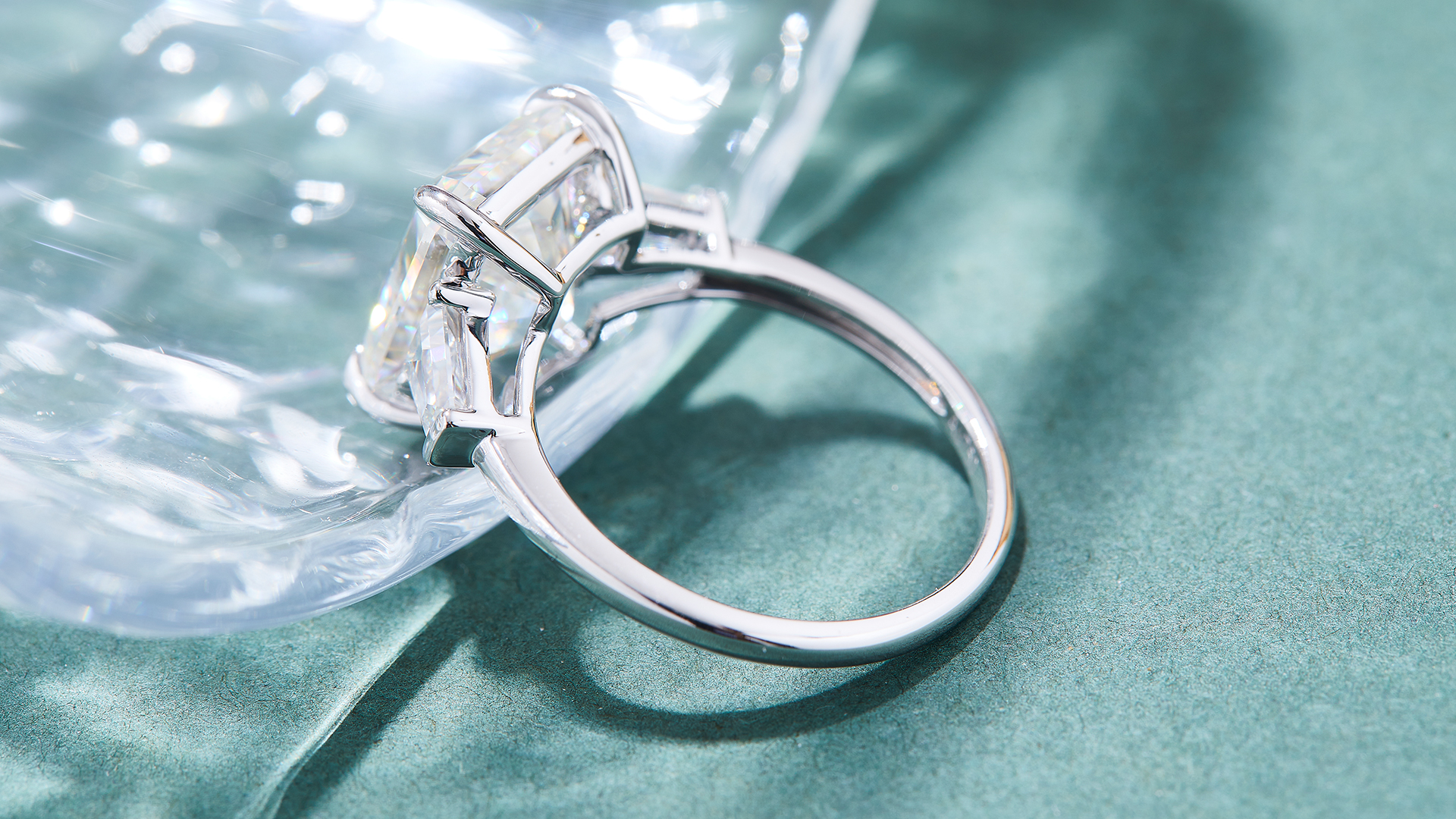
Sterling silver jewelry, especially 925 sterling silver, remains one of the most popular choices for everyday accessories thanks to its elegant appearance, durability, and accessible price point.
However, many silver jewelry owners experience a common issue: after several months of wear, their jewelry may appear darker, less shiny, or slightly discolored. This often leads to concerns about whether the piece is low quality or even counterfeit.
In most cases, the reason is not a problem with the silver itself—it is a natural reaction between silver and its environment.
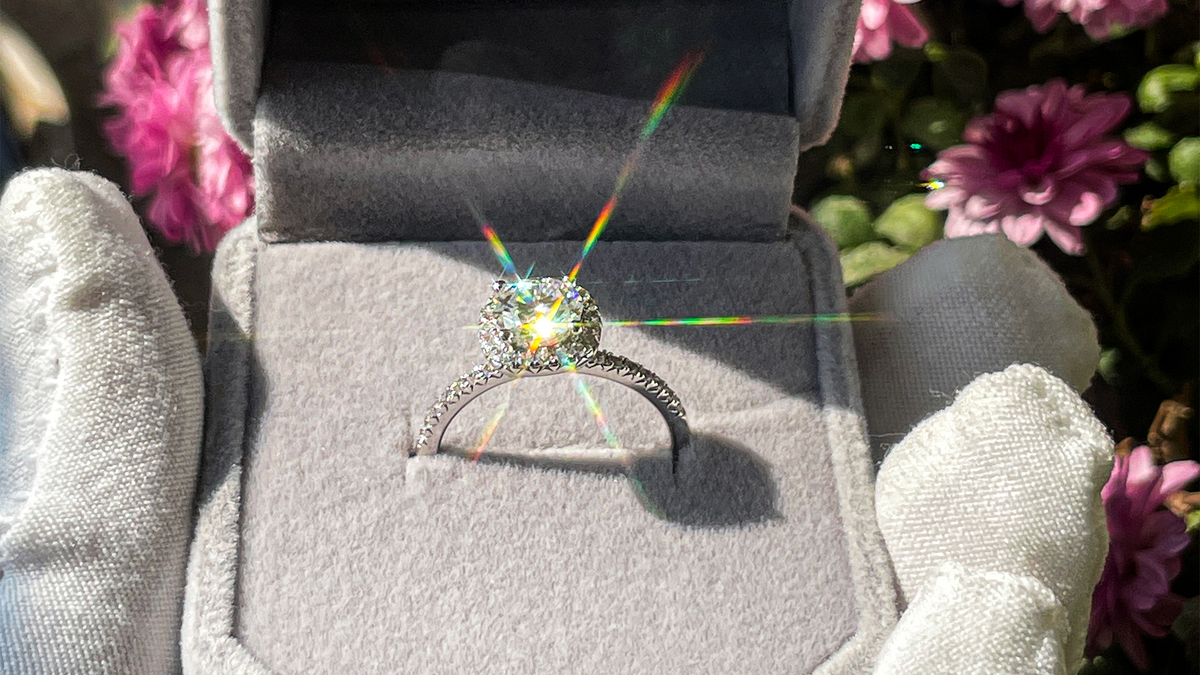
Sterling silver contains 92.5% pure silver combined with other metals to improve durability. Over time, exposure to air, moisture, sweat, and sulfur compounds can cause silver to tarnish. To improve resistance and maintain a bright finish, many jewelry pieces receive a protective surface coating.
Two common plating options are rhodium plating and white metal plating. Understanding their differences can help you choose silver jewelry that better matches your lifestyle and expectations.
1. Understanding Rhodium Plating and White Metal Plating![改-横屏[00-00-08][20250929-10532881].jpg](https://img2.mosup.com.cn/20260715/8bbdf1aec66c4a5c81d2c8cff50325d2.jpg_1200)
Rhodium Plating
Rhodium is a rare precious metal from the platinum family. It is highly resistant to corrosion and oxidation, making it one of the most respected protective coatings in fine jewelry.
Rhodium plating creates a thin, dense surface layer that enhances the brightness of sterling silver while helping protect the underlying metal from tarnishing.
It is widely used in:
Premium sterling silver jewelry
White gold engagement rings
Fine jewelry pieces requiring a bright, durable finish
The result is a clean, cool-toned white appearance with a smooth, reflective surface.
White Metal Plating
Jewelry marketed as “white gold plating” or “white plating” on silver does not always mean a true platinum or gold-based coating. In many affordable jewelry products, the surface layer may consist of lower-cost white metal alloys designed primarily for appearance.
While these coatings can provide a bright finish when new, they generally offer less protection against long-term oxidation and wear compared with rhodium plating.
Because the coating structure may be less dense, moisture and daily exposure can gradually affect the underlying silver.
2. Rhodium vs. White Plating: Key Performance Differences
Oxidation Resistance
Rhodium Plating
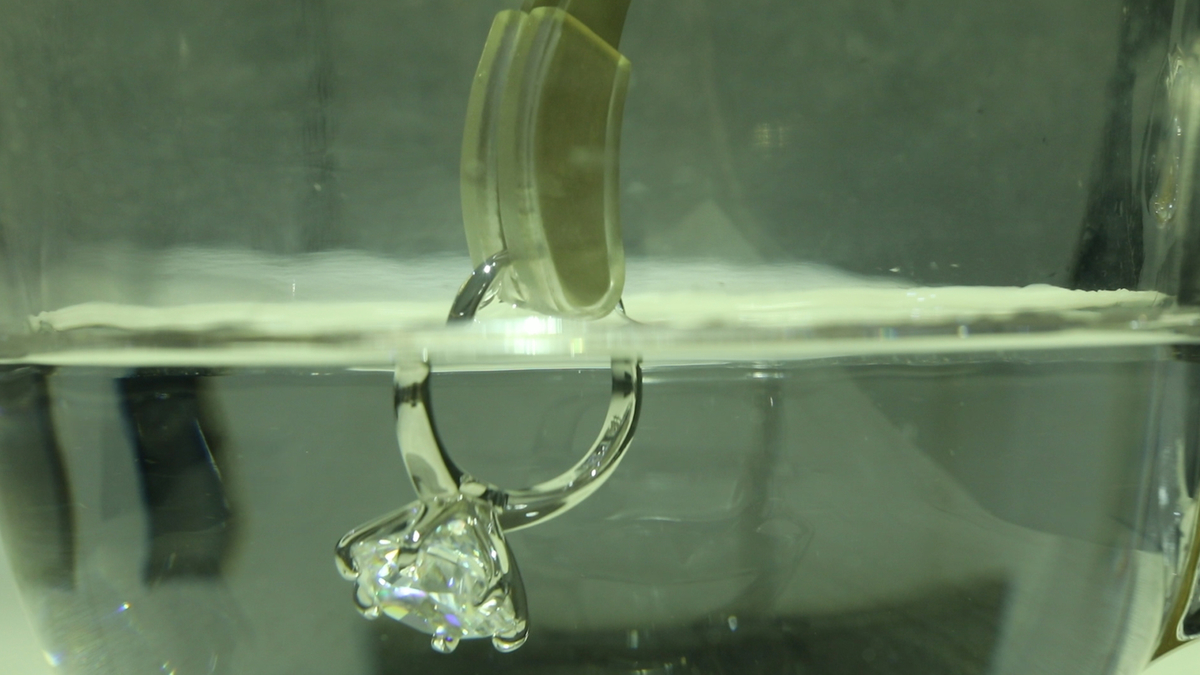
Rhodium is highly stable and does not easily react with oxygen, sweat, or common household chemicals.
Its dense protective layer helps reduce direct contact between silver and external elements, allowing jewelry to maintain its bright appearance for a longer period with proper care.
White Metal Plating
White metal coatings provide some protection, but their resistance depends greatly on the quality and thickness of the plating.
With frequent exposure to moisture, cosmetics, and sweat, the coating may gradually wear down, allowing the silver underneath to tarnish.
Winner for oxidation resistance: Rhodium plating
Durability and Wear Resistance
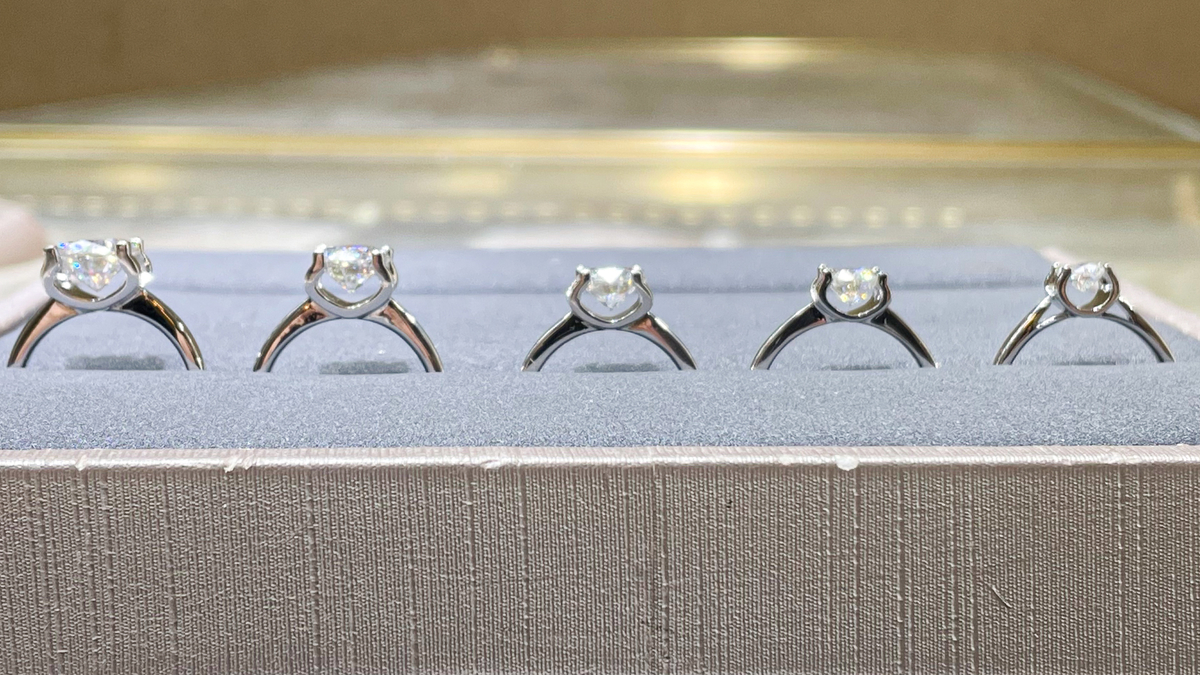
Rhodium is known for its hardness and excellent resistance to scratches. A well-applied rhodium layer can maintain its smooth finish through regular everyday wear.
Lower-cost white plating is generally softer and may wear away more quickly in areas exposed to frequent friction, such as rings, bracelets, and frequently handled jewelry.
Once the protective coating becomes thinner, the silver underneath becomes more vulnerable to tarnishing.
Winner for durability: Rhodium plating
Appearance and Finish
Rhodium Plating
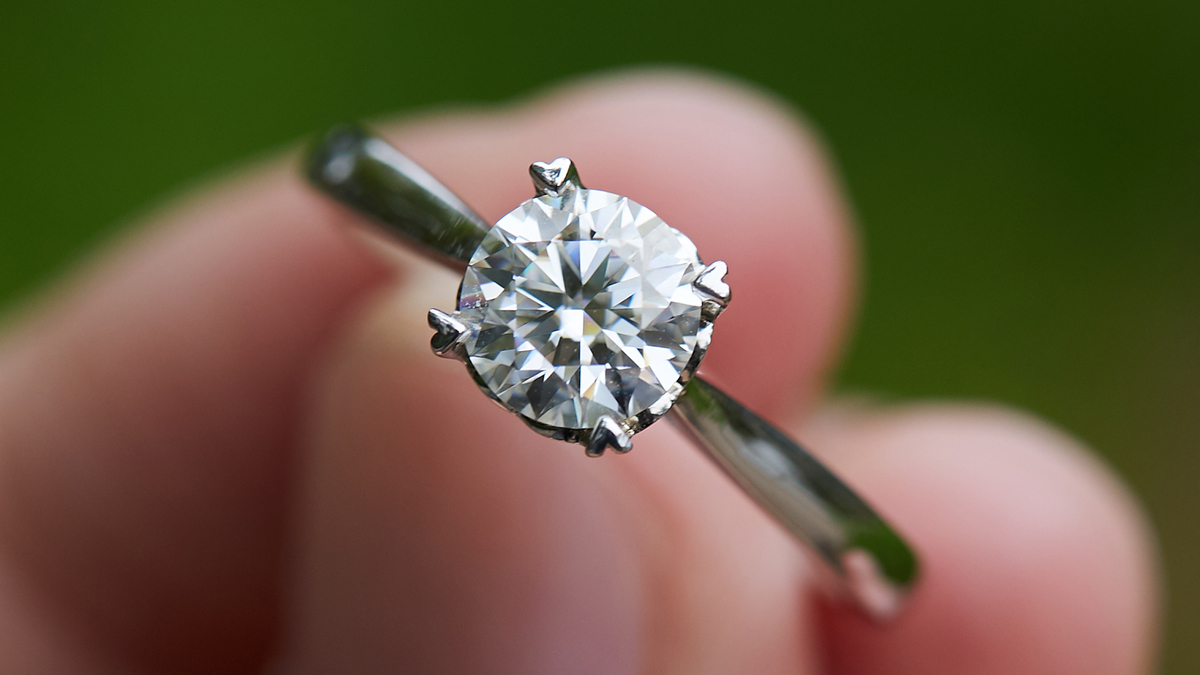
Bright, cool-toned white appearance
Mirror-like reflection
Premium jewelry finish
Similar visual quality to high-end white gold jewelry
White Metal Plating
Brighter appearance when newly applied
May appear less refined over time
Can develop a duller finish as the coating wears
Winner for luxury appearance: Rhodium plating
Cost Considerations
Rhodium is a rare precious metal, and its plating process requires higher material and manufacturing costs.
As a result, rhodium-plated silver jewelry is generally more expensive than pieces using standard white metal coatings.
However, the additional cost often reflects better longevity, improved appearance, and reduced maintenance requirements.
3. Which Plating Should You Choose?
Choose Rhodium-Plated Silver If You:
✓ Want long-lasting brightness
✓ Wear jewelry frequently
✓ Prefer a premium white metal appearance
✓ Want lower maintenance over time
Rhodium plating is especially recommended for engagement rings, everyday rings, bracelets, and jewelry pieces exposed to regular contact.
Choose White-Plated Silver If You:
✓ Have a limited budget
✓ Purchase jewelry mainly for occasional styling
✓ Prefer affordable fashion accessories
✓ Plan to change pieces frequently
For short-term fashion use, standard white plating can still provide attractive appearance at an affordable price.
4. How to Care for Plated Silver Jewelry
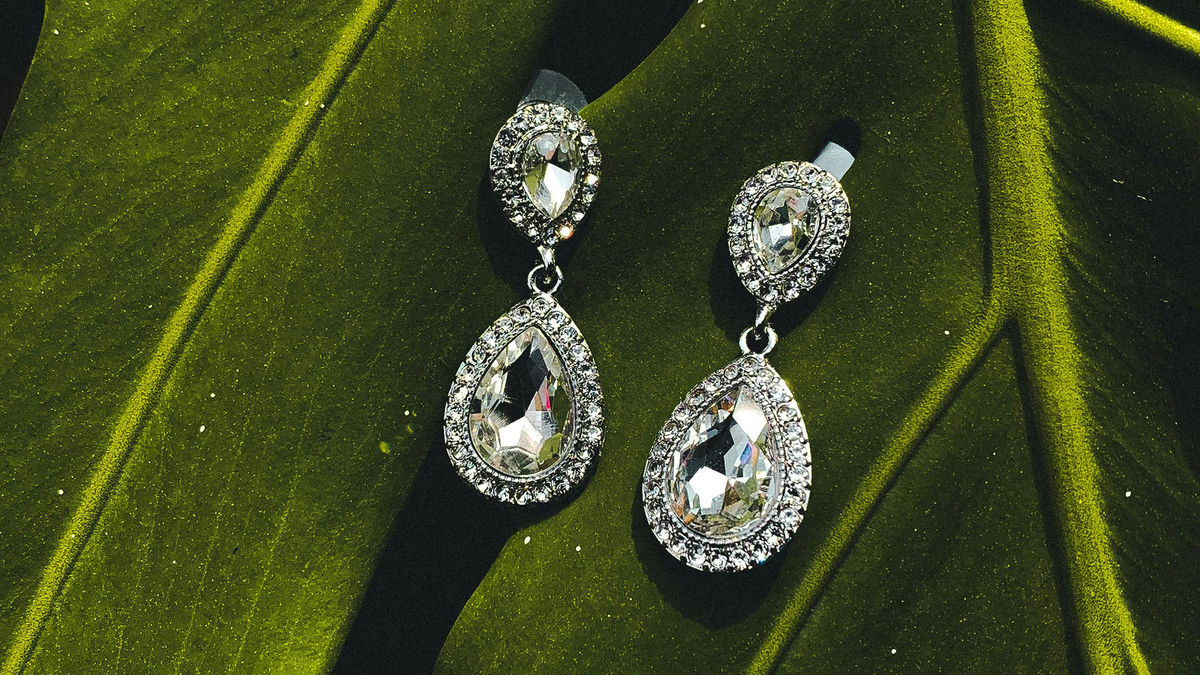
Regardless of the plating type, proper care can significantly extend the life of your jewelry.
Follow these simple habits:
Put jewelry on after applying makeup, perfume, or skincare products
Remove jewelry before showering, swimming, exercising, or heavy sweating
Avoid contact with abrasive surfaces
Store jewelry in a sealed jewelry box or pouch when not in use
Reducing exposure to moisture, chemicals, and friction helps preserve the plating finish and maintain long-lasting shine.
Final Thoughts
Both rhodium plating and white metal plating can enhance the appearance of sterling silver jewelry, but they offer different levels of protection and durability.
For buyers who want long-lasting brightness, stronger oxidation resistance, and a premium finish, rhodium-plated silver is the preferred choice.
For those looking for affordable fashion jewelry with short-term wear in mind, standard white plating can be a practical option.
Understanding the difference between these finishes allows you to make a smarter jewelry investment and choose pieces that match your lifestyle, budget, and expectations.