
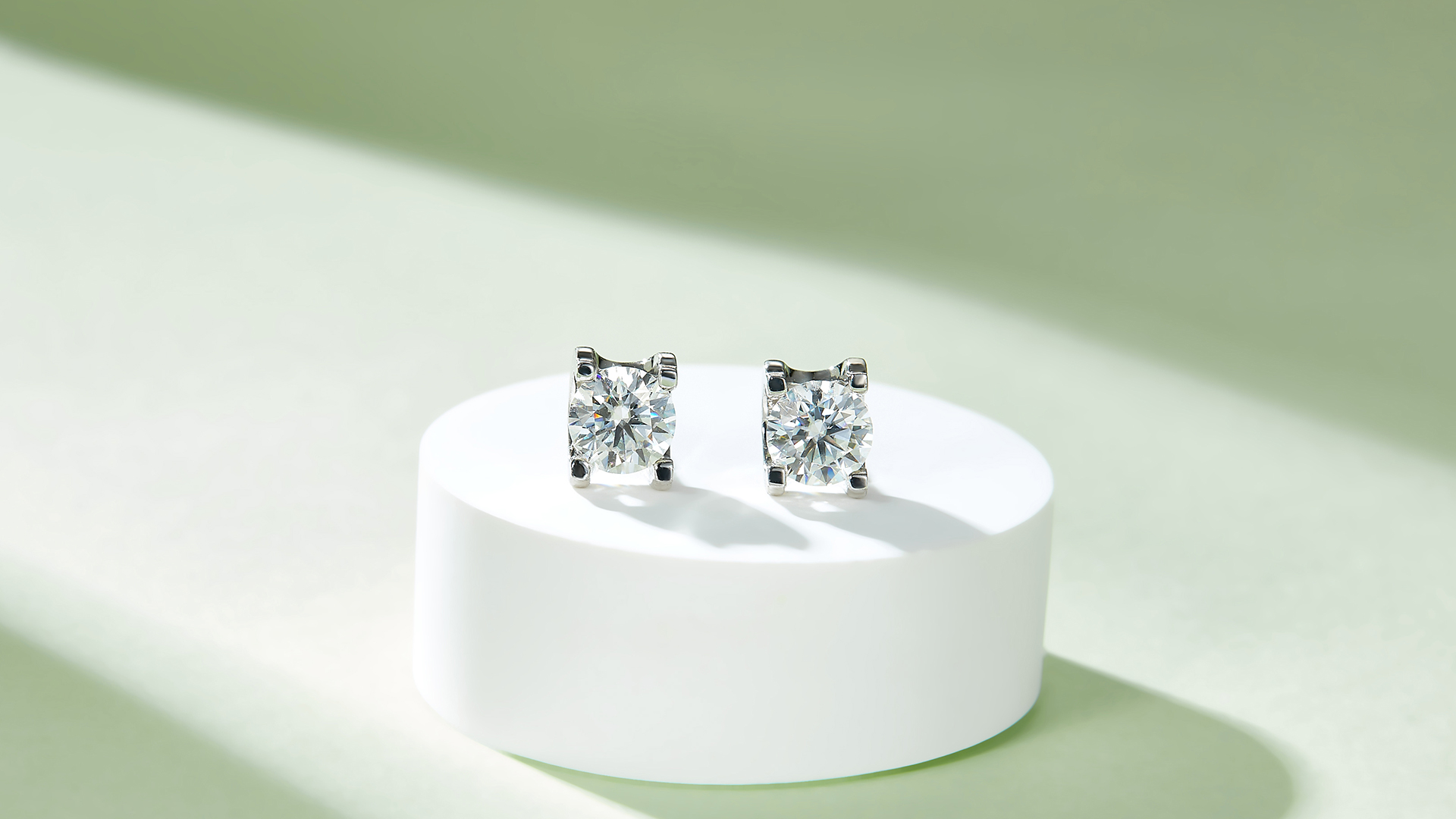
Earrings collect skincare, hair products and natural oils in places that are easy to miss: behind the stone, along the post and inside the backing. They also depend on small components that are handled every time the pair is worn. A good routine for Moissanite Earrings therefore protects the setting and closure as carefully as it cleans the stone.
The steps below work especially well for Moissanite Stud Earrings, but the same inspection principles can be adapted to hoops and drops after checking the metal, plating and closure instructions for the specific pair.
1. Put earrings on after cosmetics and hair products
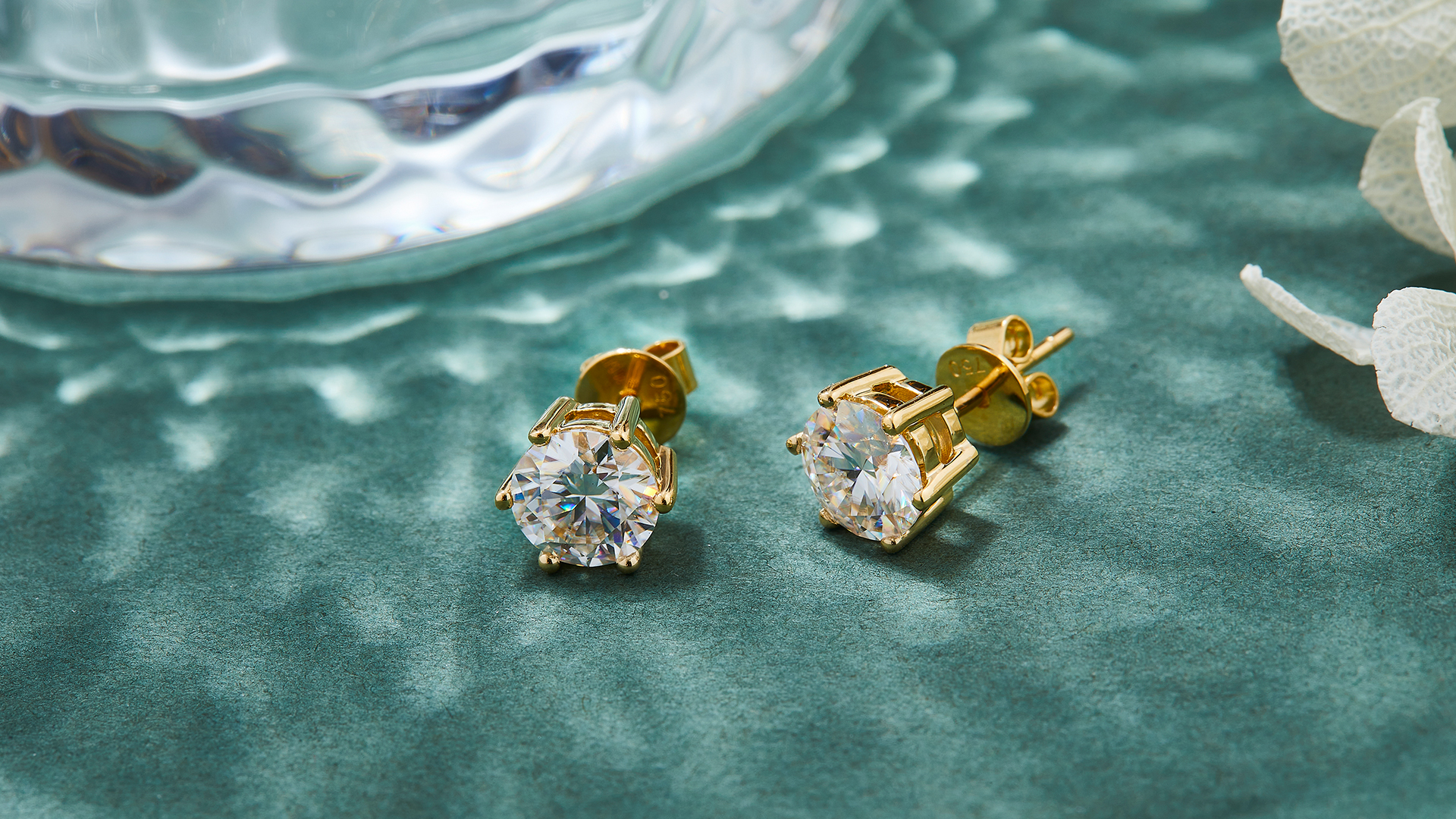
Apply moisturizer, sunscreen, perfume and hairspray before the earrings go on. Let products dry first. This reduces residue on the front of the stone and around the basket, where a film can soften sparkle. Remove earrings before sleeping, swimming and activities that pull at hair or clothing. Even a hard gemstone does not prevent a post from bending, a hoop from distorting or a prong from catching. The vulnerable part is often the metal component, not the stone itself.
2. Perform a ten-second check before each wear
Hold the earring over a soft towel. Look at the stone from the front and side, then touch each prong gently with a fingertip. Nothing should appear lifted, uneven or sharp. The stone should not click or move when the piece is handled normally. Inspect the post where it joins the setting. It should be straight and centered, without a visible crack at the joint. Test the backing: a friction back should grip consistently, while a screw back should turn smoothly without skipping. Leverbacks and hoops should close with a positive, aligned motion.
3. Use a controlled home-cleaning routine
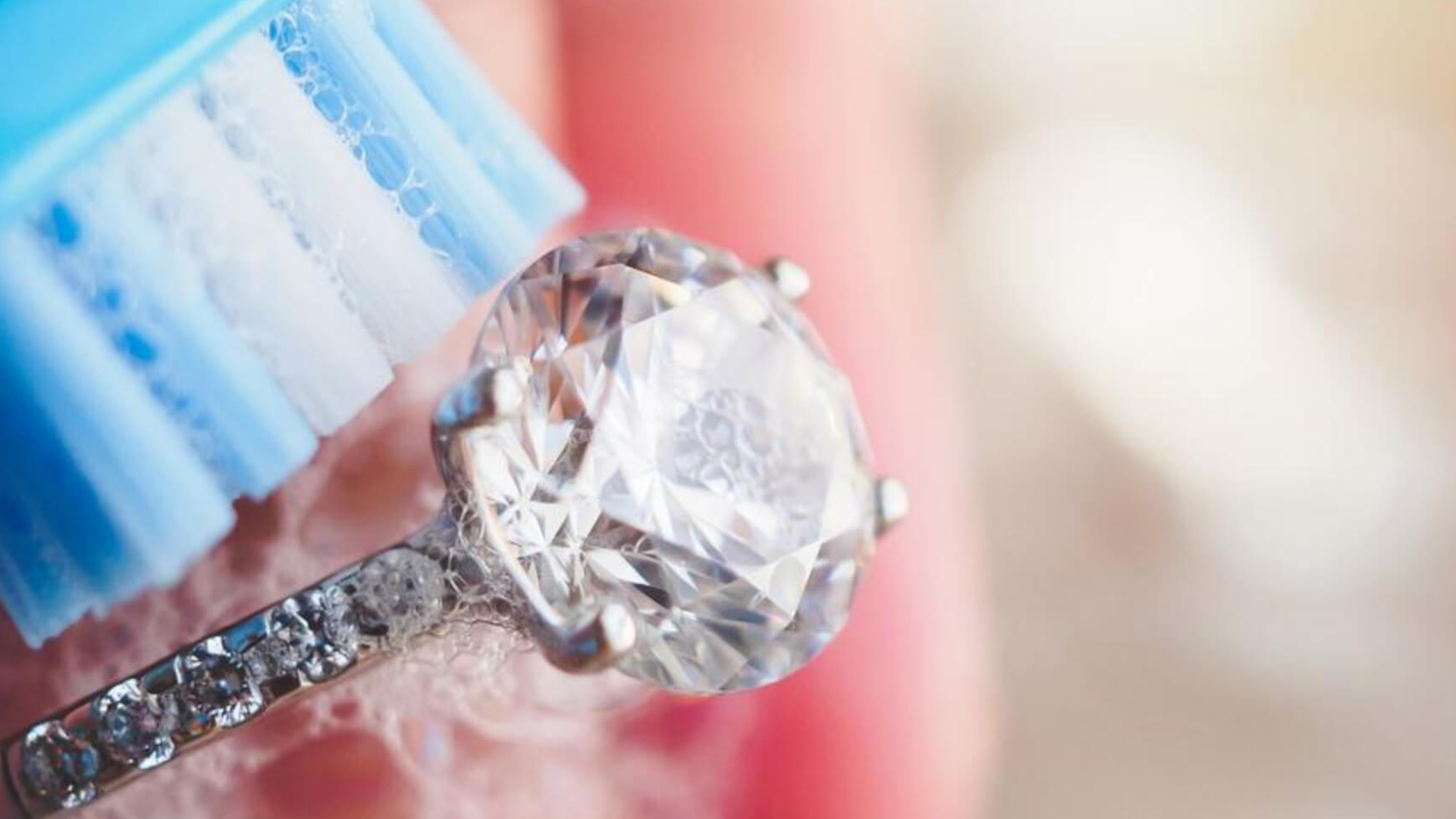
Fill a small bowl with lukewarm water and a small amount of mild dish soap. Work away from an open drain. Soak briefly, then use a very soft brush to clean the front, sides and underside of the setting. Support the post rather than pressing on it.
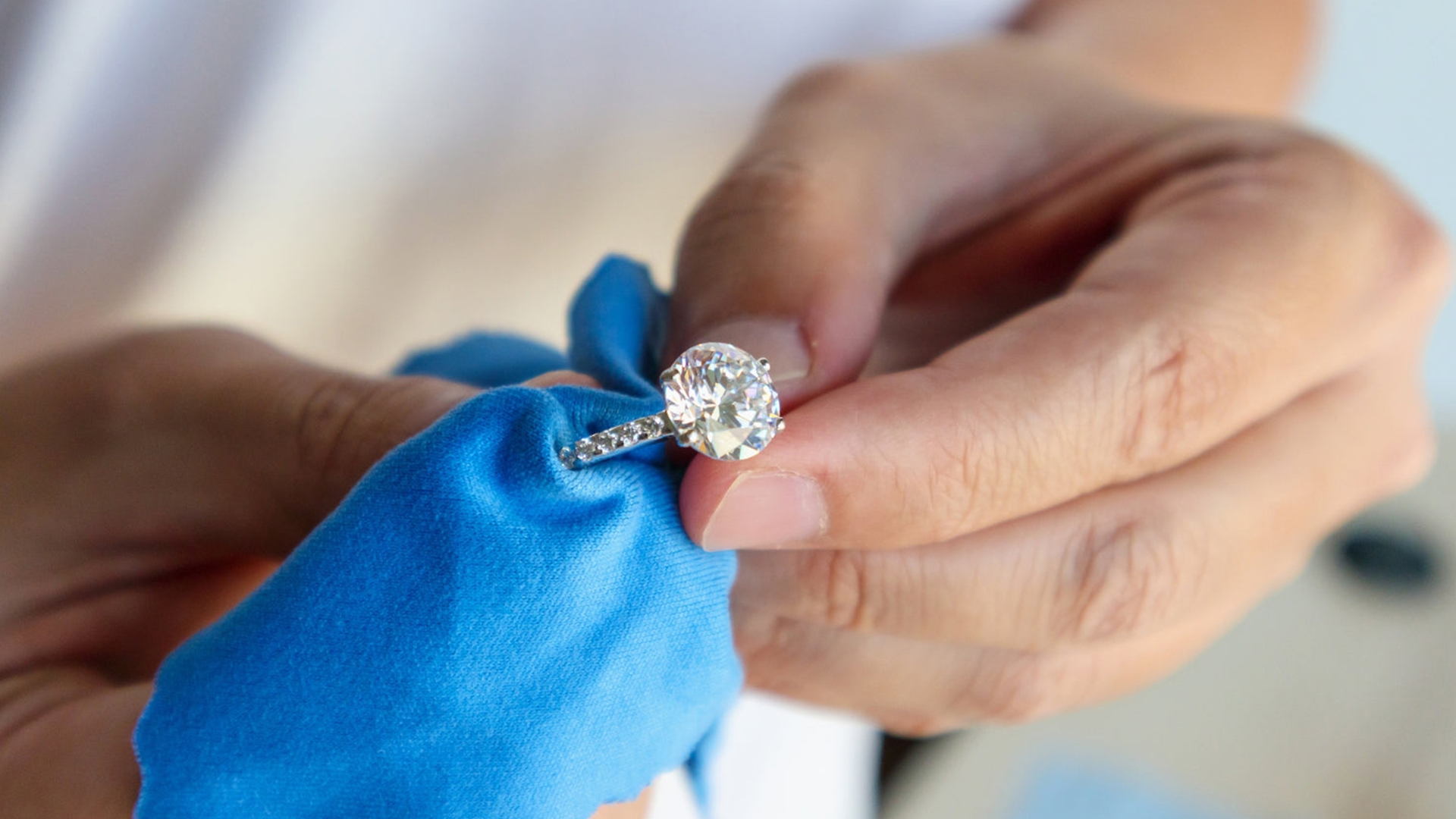
Rinse in a second bowl of clean water and dry with a lint-free cloth. Allow the pair to air-dry completely before storage. Mild soap and water are generally suitable for moissanite, but the setting, adhesive, plating, enamel or other stones may require different care. When those details are unclear, ask the seller or a qualified jeweler before using commercial solutions, steam or ultrasonic equipment.
4. Clean posts and backs as separate components
Residue inside a backing can reduce grip and make a pair feel less secure. If the backs are removable and the product instructions allow it, clean them separately in the same mild solution and use the soft brush around openings. Rinse and dry thoroughly before reassembly.
Do not force a tight back along a post or use a loose back that slides with almost no resistance. Replace worn backs with a compatible size and type. For screw systems, mismatched threads can damage both pieces even if they appear to engage at first.
5. Store pairs so the components cannot scratch or bend
Fasten each pair and place it in a divided box, soft pouch or earring card. Keep posts from pressing into other jewelry. Store plated or polished surfaces separately to reduce abrasion, and keep the container dry. For Moissanite Stud Earrings, a card or padded slot keeps the pair together and protects the posts from side pressure. Do not drop several pairs into one pouch; searching through them creates unnecessary contact between prongs, stones and metal.
6. Know when cleaning is not the answer
Stop wearing the pair if the stone moves, a prong lifts, the post bends repeatedly, the backing no longer grips, or a hinge fails to align. Cleaning cannot correct a structural problem. Continued wear can turn a small repair into a lost component. A professional inspection is also useful after a hard impact or snag. Describe what happened and provide the metal and surface information if available. This helps the jeweler choose an appropriate repair and finishing method.
7. Set a care rhythm that matches wear frequency
Frequently worn pairs benefit from a quick check before every use and gentle cleaning whenever residue becomes visible. Occasional pairs should be checked when they come out of storage and again before they are put away. There is no need to clean on a rigid calendar if the pair remains clean and secure. MOSUP's existing article on cloudy-looking stones explains how surface oils affect appearance. Use that article for the science, and keep this page focused on earring components. Then link readers to the stud collection when they are ready to compare styles and closures.
8. A simple care card for customers
Retailers can adapt this short sequence for packaging or post-purchase email. It is specific enough to be useful without promising that every metal or finish follows the same care rules.
- · After products: put earrings on after lotion, perfume and hairspray dry.
- · Before wear: check stone security, post alignment and backing grip.
- · For cleaning: use lukewarm water, mild soap and a very soft brush when the full piece allows it.
- · For storage: fasten the pair and separate it from other jewelry.
- · For damage: stop wearing and arrange a qualified inspection.
Frequently Asked Questions
1. Can I clean moissanite earrings with dish soap?
A small amount of mild dish soap in lukewarm water is a common option for moissanite. First confirm that the metal, plating, adhesives and any additional stones also allow that method.
2. Why do my earrings look dull behind the stone?
Oil, soap and hair-product residue often collect under the setting. Gentle brushing from the underside can restore access to the surface; structural movement or damage requires inspection instead.
3. How do I know whether earring backs are too loose?
A friction back should hold with consistent resistance, and a screw back should engage cleanly. If a back slides off easily, skips threads or changes grip, replace it with a compatible component.
4. How should Moissanite Stud Earrings be stored?
Fasten the backs and place the pair in a divided box, padded slot or earring card. Keep posts from bending and prevent prongs from rubbing against other jewelry.


