
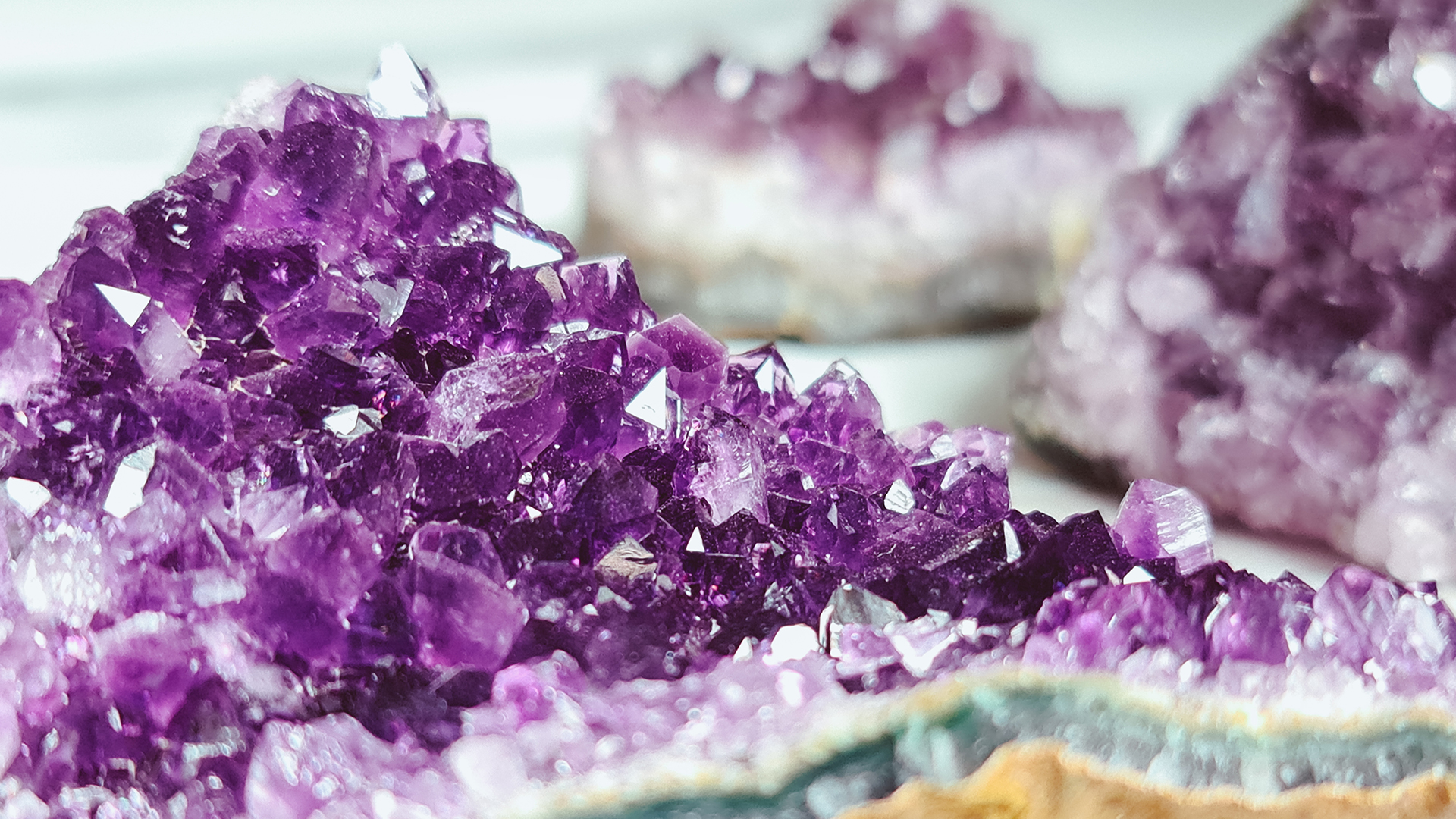
When shopping for colored gemstones, one of the biggest concerns for buyers is paying a premium price for a natural gemstone while unknowingly purchasing a lab-created alternative. Many consumers assume that natural and lab-created gemstones can only be distinguished through professional laboratory equipment because they share similar chemical compositions, hardness, and optical properties.
However, while natural and lab-created gemstones may look remarkably similar, their growth processes leave behind different characteristics. Understanding these subtle differences can help buyers make more informed purchasing decisions.
It is important to clarify that lab-created gemstones are not fake gemstones. They are genuine gemstones produced in controlled laboratory environments, with the same chemical and physical properties as their natural counterparts. The key difference lies in their origin:
Natural gemstones are formed over millions or even billions of years through geological processes deep within the Earth.
Lab-created gemstones are grown in laboratories by replicating natural formation conditions within a much shorter timeframe.
Just like natural diamonds and lab-grown diamonds, the distinction between natural and synthetic gemstones comes down to their unique growth history and formation characteristics.
1. Observe Color Zoning and Growth Patterns
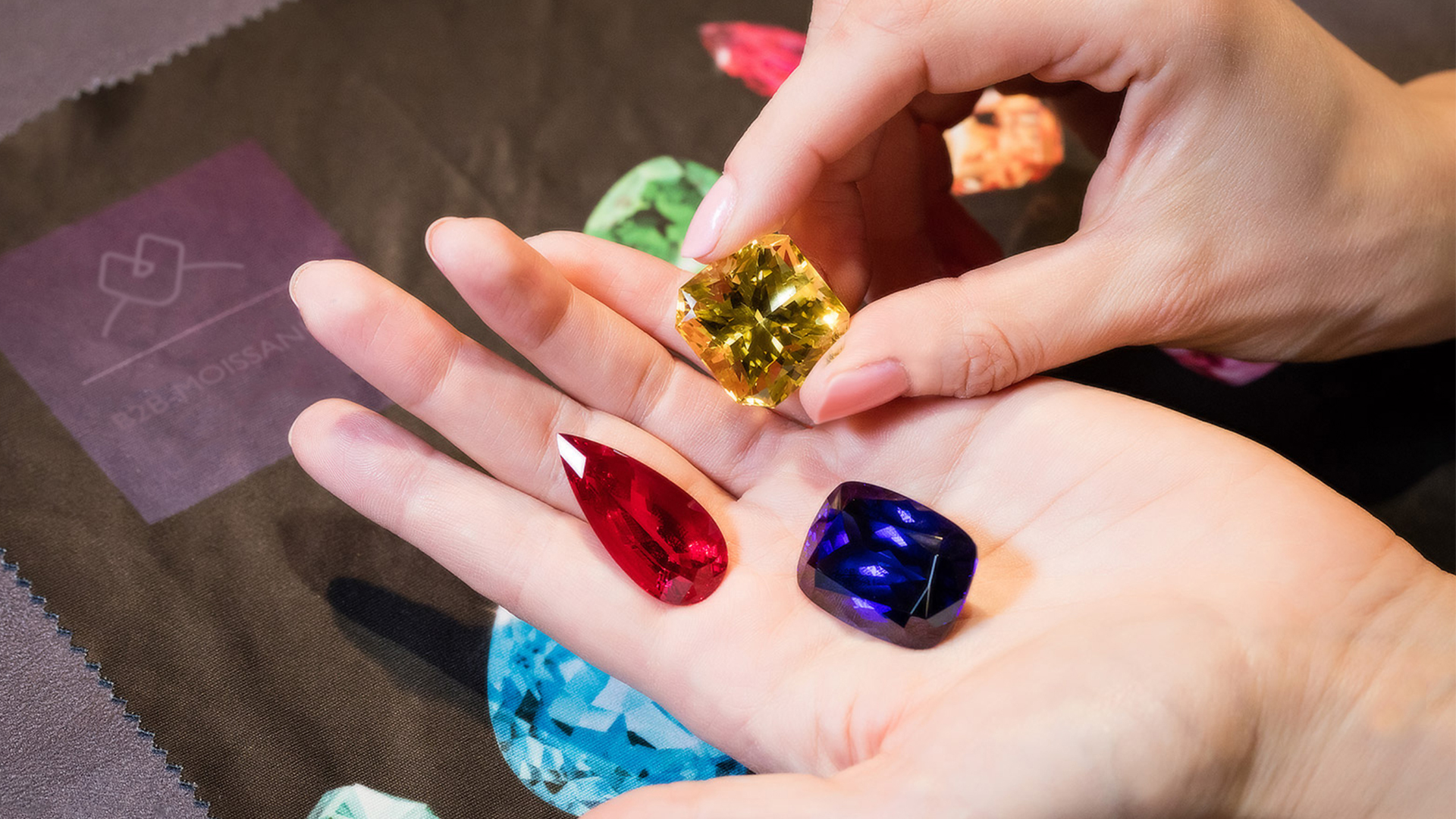
One of the easiest ways to identify natural versus lab-created gemstones is by observing their color distribution and internal growth patterns under strong lighting.
Natural Gemstones: Unique and Naturally Formed
Natural gemstones develop slowly under changing geological conditions, meaning their colors are rarely perfectly uniform. Many natural gemstones display:
- Natural color zoning
- Slight variations in saturation
- Irregular growth patterns
- Unique internal characteristics
These natural variations act like a gemstone’s fingerprint, giving each stone its own individuality and character.
Even high-quality natural gemstones often contain subtle internal features that reflect their natural formation process.
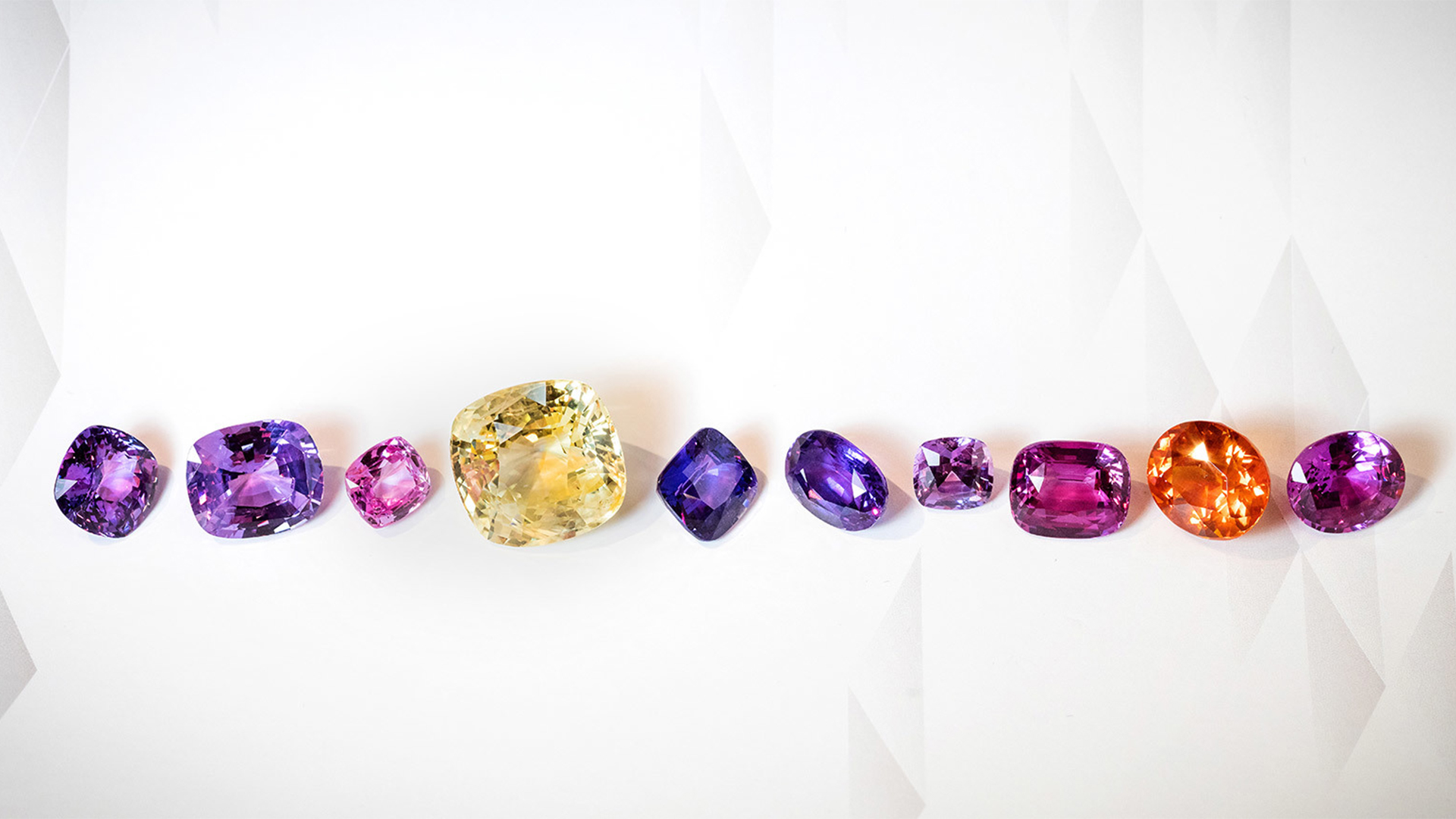
Lab-Created Gemstones: Highly Consistent Appearance
Because lab-created gemstones grow under carefully controlled conditions, they often display:
- Extremely even color distribution
- High color saturation
- More predictable growth patterns
Under magnification or strong light, some lab-created gemstones may reveal straight growth lines, curved growth patterns, or other characteristics associated with laboratory production.
2. Examine Internal Inclusions: The Gemstone’s Natural Signature
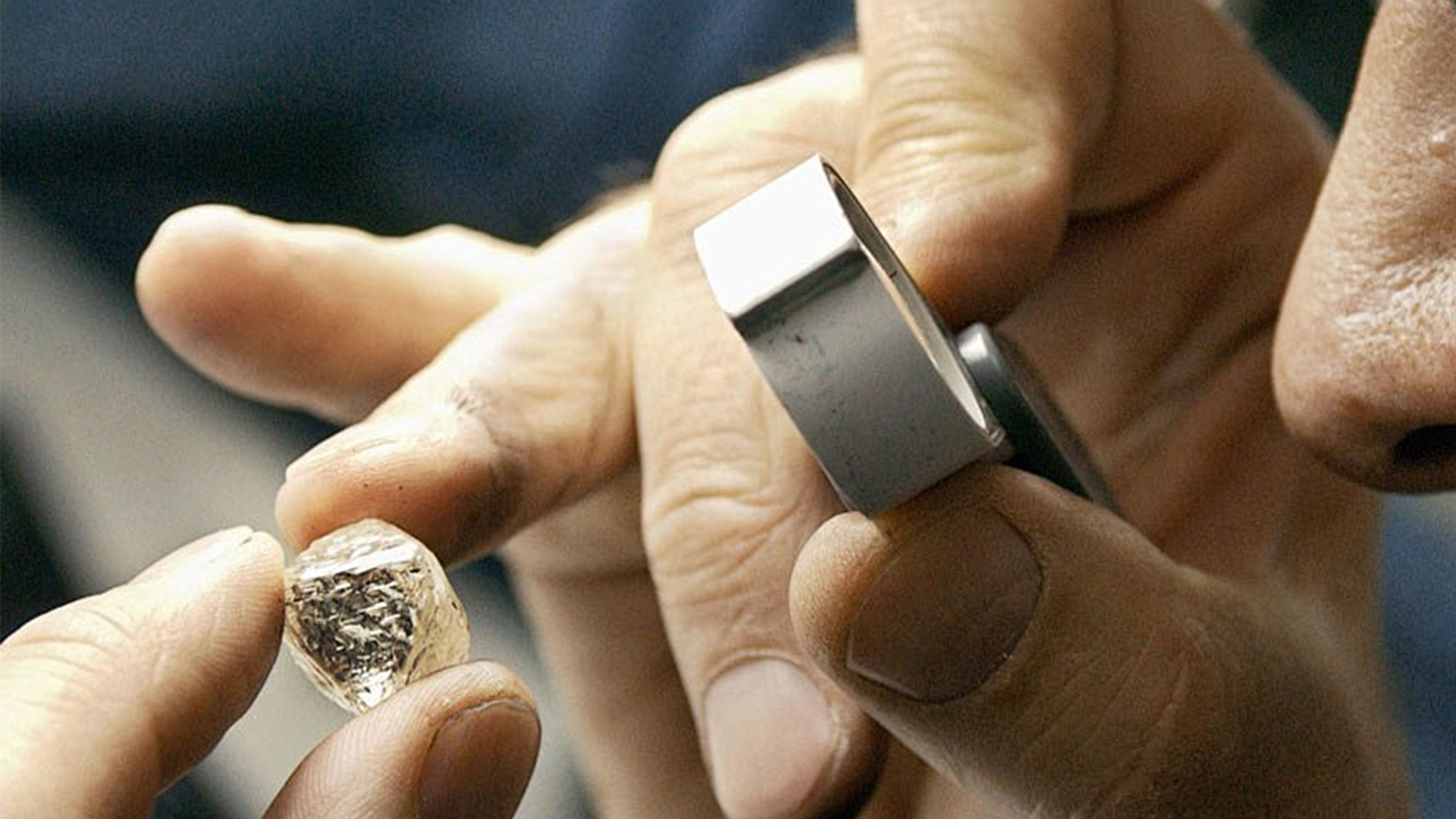
Inclusions are one of the most important clues gemologists use when identifying gemstones.
For natural gemstones, internal inclusions are created during millions of years of geological formation. Common natural features may include:
- Mineral inclusions
- Fluid inclusions
- Fingerprint-like patterns
- Natural internal textures
These characteristics are usually random and irregular, reflecting the gemstone’s journey through nature.
Lab-created gemstones, on the other hand, may show different internal features caused by laboratory growth methods, such as:
- Uniform growth structures
- Curved growth lines
- Flux residues
- Artificial-looking inclusions
While some lab-created gemstones can appear extremely clean, their internal characteristics often reveal differences from naturally formed stones when examined carefully.
3. Consider Price and Quality Expectations
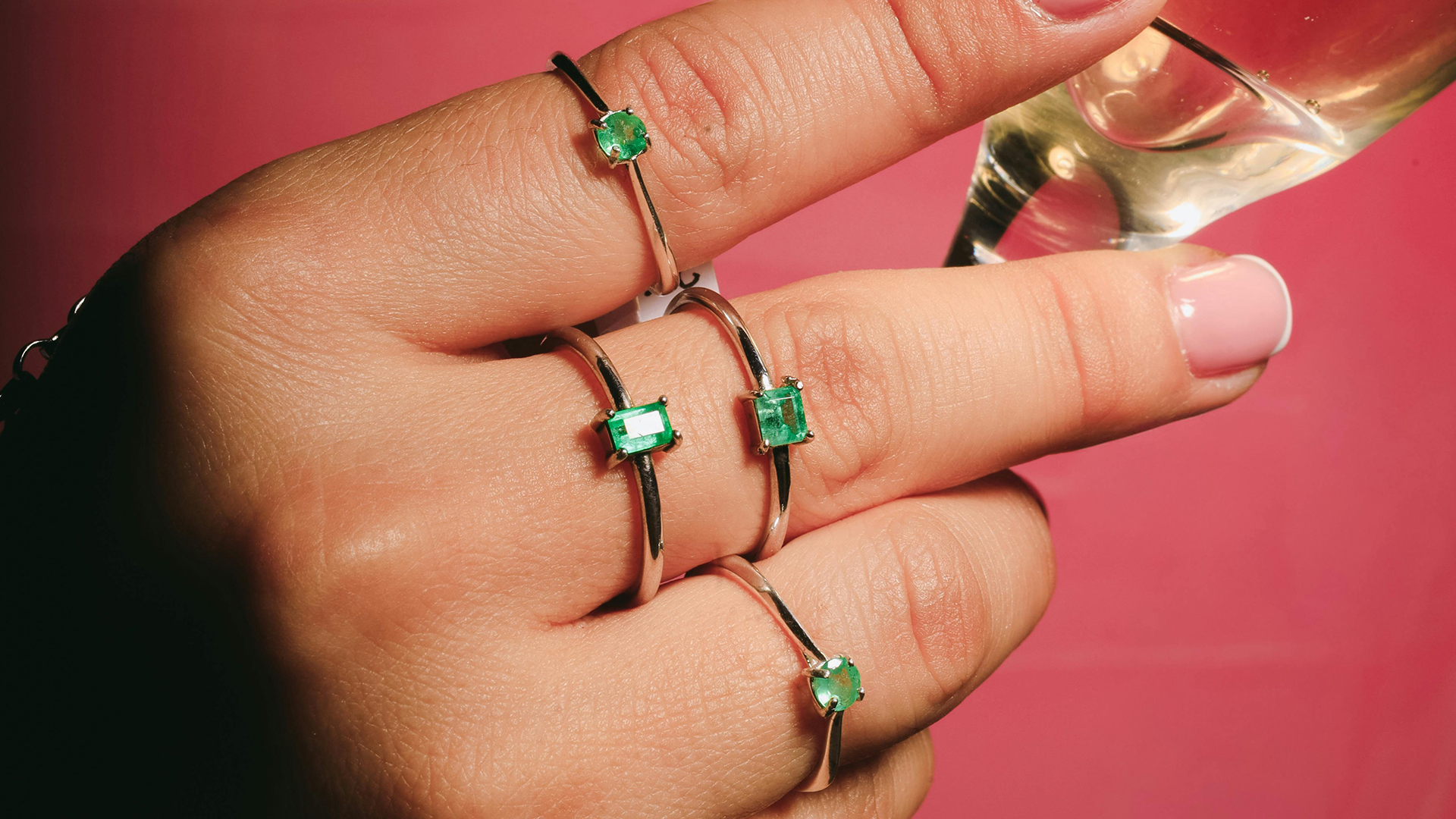
Price is another important factor when evaluating gemstones.
Natural colored gemstones are valued largely because of their rarity. Premium-quality stones with:
- Exceptional color
- High transparency
- Large size
- Minimal inclusions
are extremely uncommon and typically command higher prices.
For example, a flawless natural ruby, sapphire, or emerald with outstanding color quality is rarely available at a surprisingly low price.
Lab-created gemstones, however, can be produced under controlled conditions with more consistent results. They are capable of offering:
- Excellent clarity
- Strong color saturation
- Larger sizes
- More accessible pricing
If a gemstone is advertised as “perfectly flawless,” “extremely rare,” and offered at an unusually low price, buyers should carefully verify its origin before making a purchase.
4. Verify With Professional Gemstone Certification
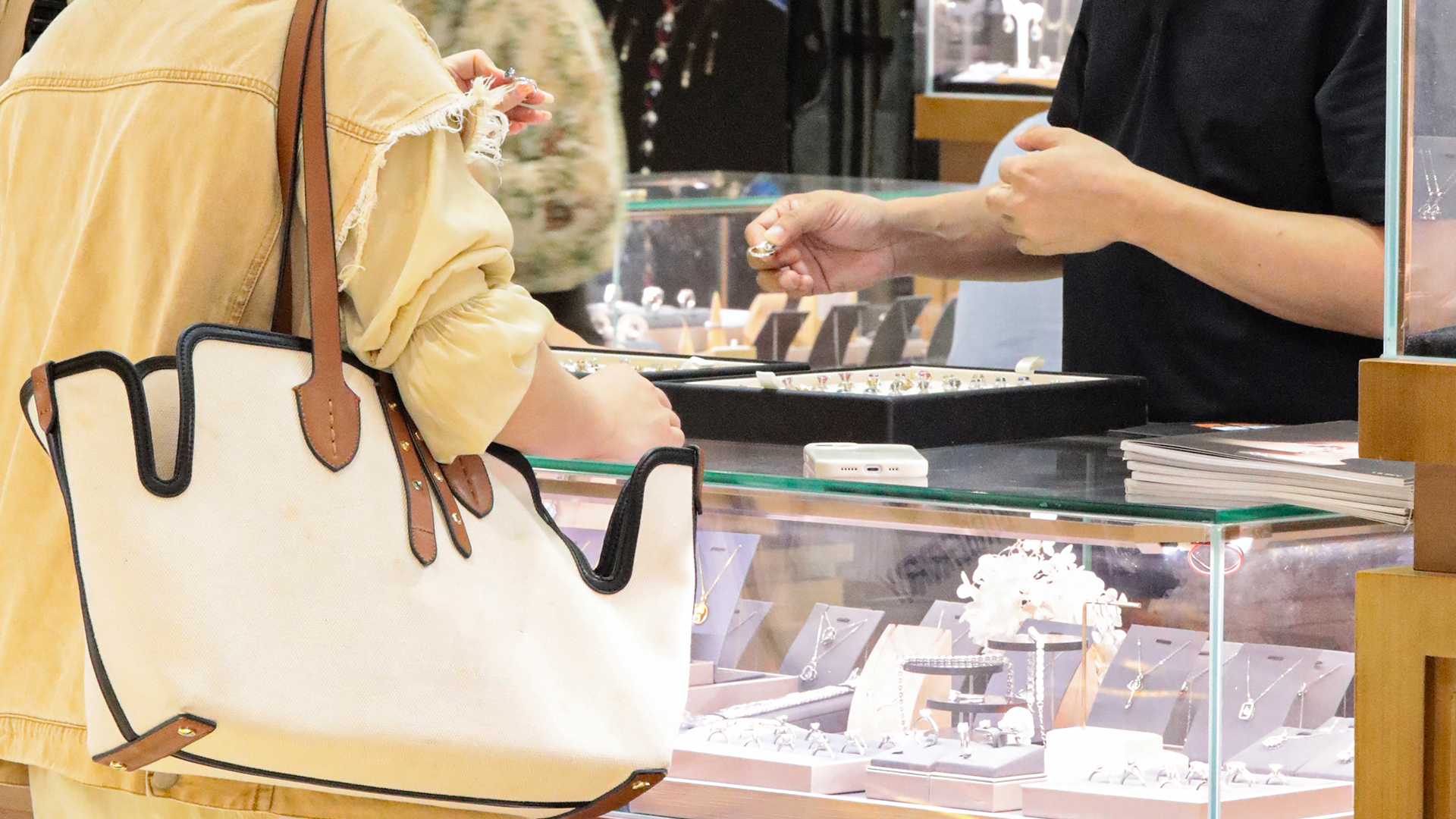
The most reliable way to confirm whether a gemstone is natural or lab-created is through an independent gemological report.
Trusted laboratories such as:
- Gemological Institute of America (GIA)
- Gemmological Institute of China (GIC)
- National Gemstone Testing Center (NGTC)
provide professional identification reports that clearly state whether a gemstone is:
- Natural gemstone
- Lab-created gemstone
- Treated gemstone (when applicable)
Consumers should be cautious of vague marketing terms such as “created gemstone,” “cultured gemstone,” or “advanced gemstone technology” without clear disclosure.
A reputable seller should always provide transparent information about gemstone origin.
Natural vs. Lab-Created Gemstones: Which One Is Right for You?
Both natural and lab-created gemstones have their own unique value.
Natural gemstones are appreciated for their rarity, geological history, and one-of-a-kind characteristics. Their beauty comes from nature’s imperfections and individuality.
Lab-created gemstones offer another option for buyers who value consistency, affordability, and modern gemstone technology.
There is no universally better choice—the right gemstone depends on your personal preferences, budget, and the meaning you want your jewelry to represent.
By understanding gemstone origins, internal characteristics, pricing factors, and certification standards, buyers can confidently select a gemstone that matches their expectations and enjoy a more informed jewelry shopping experience.


