
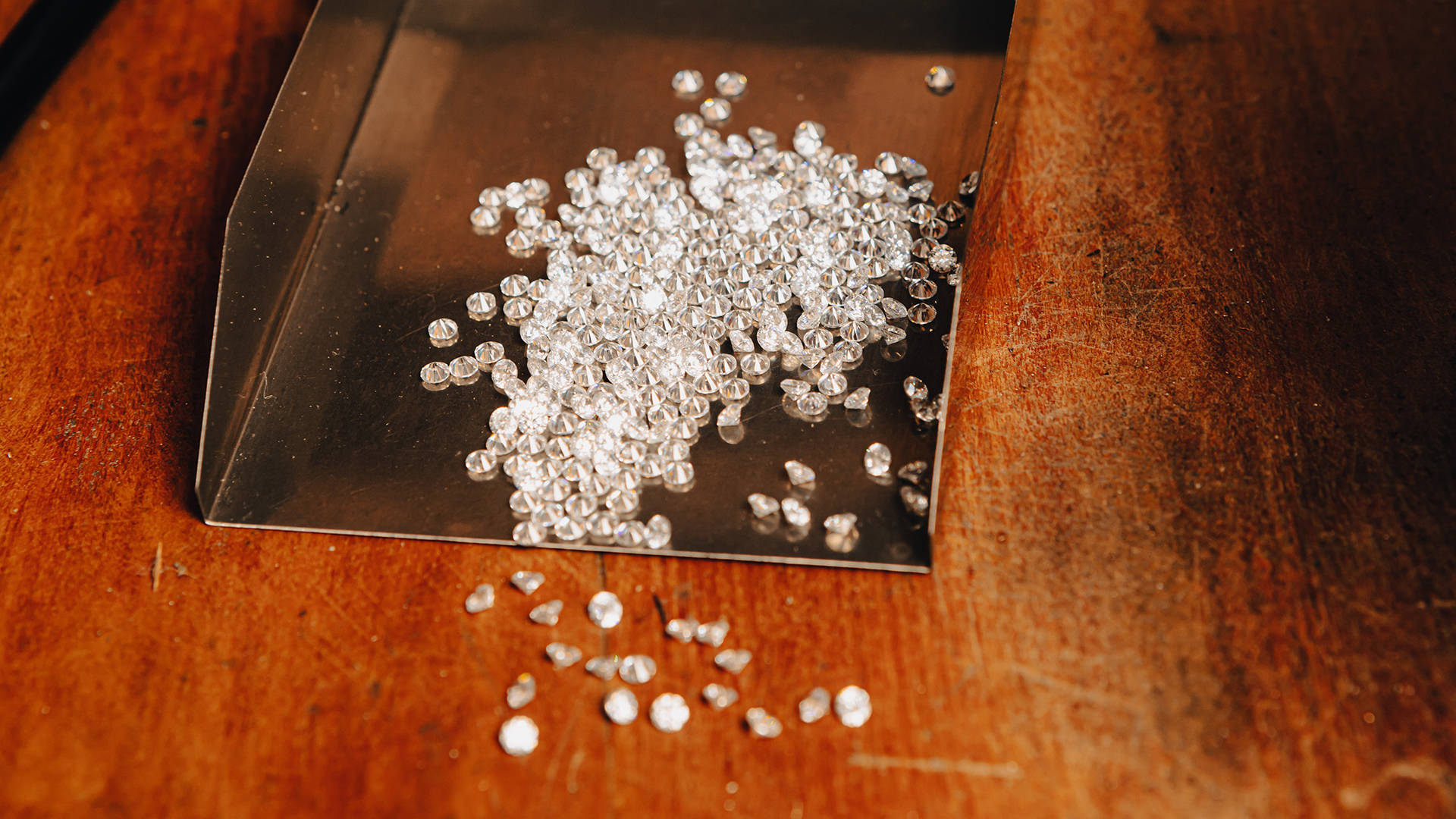
When shopping for a CVD lab-grown diamond, many consumers are surprised to discover that diamonds with similar specifications can look noticeably different.
Two diamonds may have the same carat weight, cut grade, and clarity grade, yet one appears bright and colorless while another shows a subtle yellow or brown tint.
The difference often comes down to something invisible to the naked eye: the presence of nitrogen atoms inside the diamond crystal structure.
Nitrogen is one of the most important factors influencing diamond color. In CVD-grown diamonds, controlling nitrogen levels has become one of the key technical challenges in producing high-quality, colorless stones.
Understanding this process helps buyers recognize why some CVD diamonds achieve premium color grades while others require additional treatment.
What Is the Role of Nitrogen in Diamond Color?
A diamond is made almost entirely of carbon atoms arranged in a highly organized crystal structure. However, during diamond formation, tiny amounts of other elements can enter the lattice.
The most common impurity found in natural and laboratory-grown diamonds is nitrogen.
When nitrogen atoms replace carbon atoms within the crystal structure, they create point defects. These defects interact with light by absorbing certain wavelengths, which can produce visible coloration.
Depending on the concentration and arrangement of nitrogen atoms, a diamond may appear:
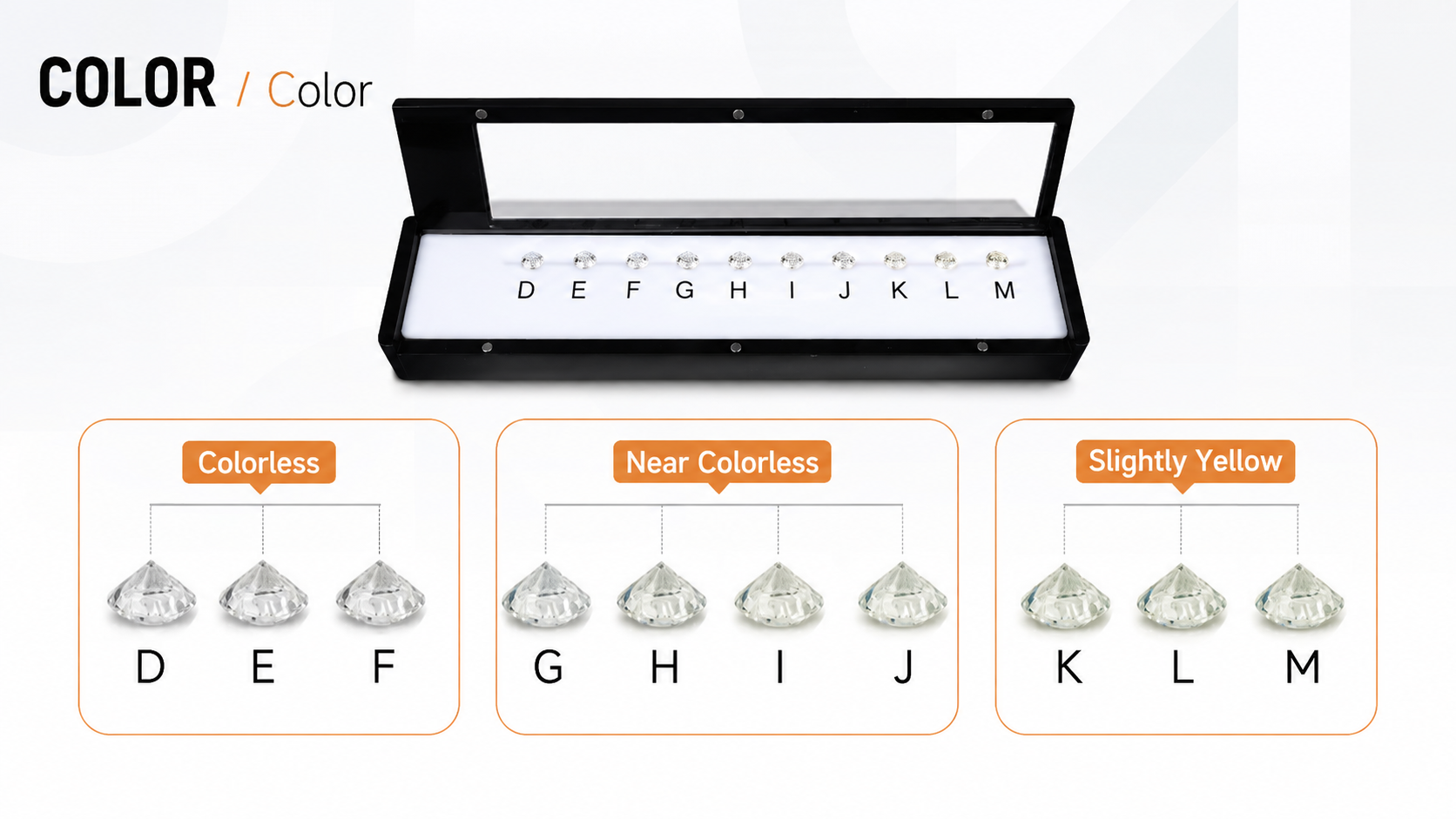
Completely colorless
Slightly warm
Yellow
Brown
The effect is microscopic, but it can significantly influence the final color grade.
Why Is Nitrogen Control Important in CVD Diamond Growth?
The CVD Growth Process
Chemical Vapor Deposition (CVD) is an advanced method used to grow diamonds in a controlled laboratory environment.
During the process:
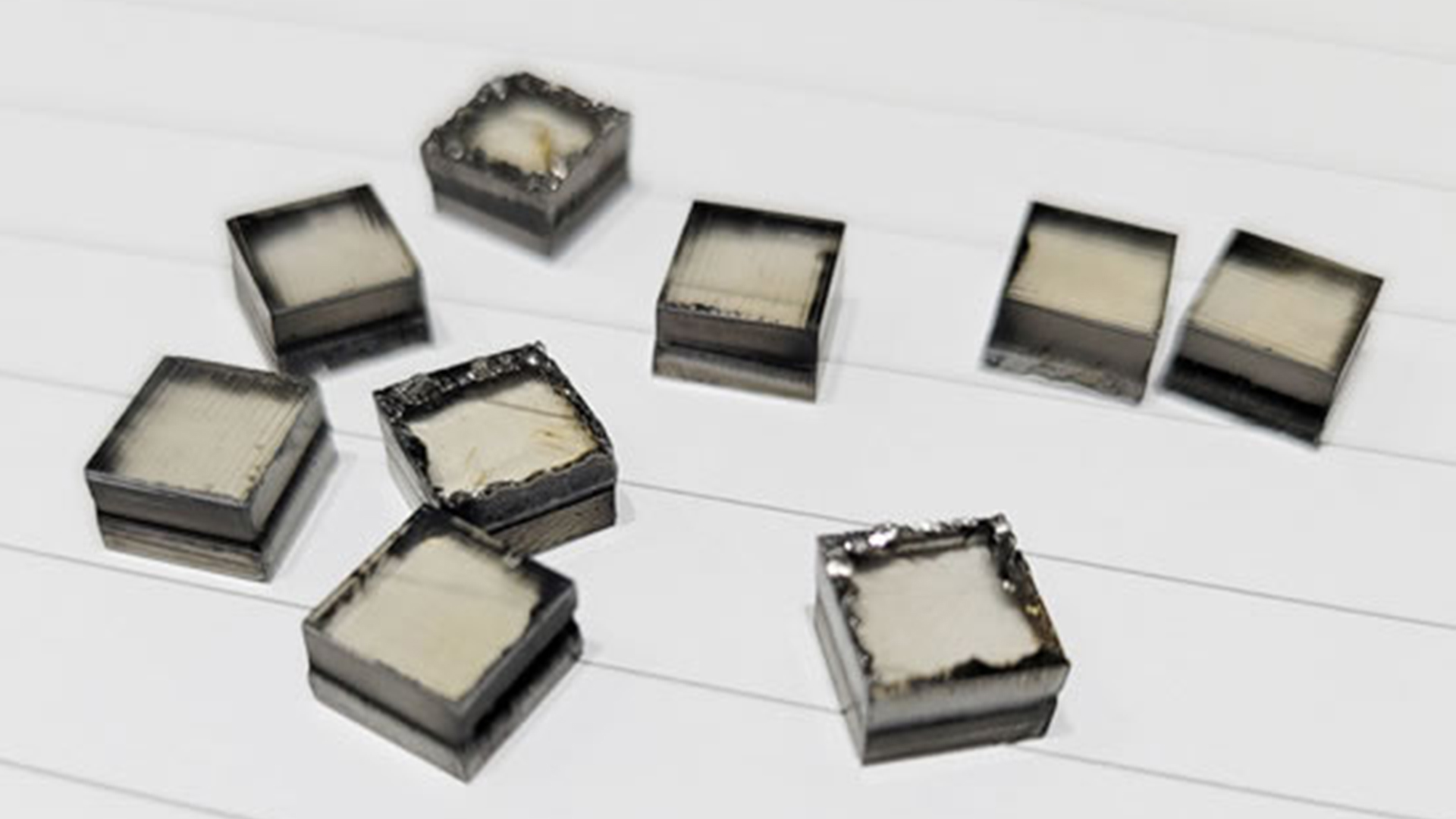
1. A diamond seed crystal is placed inside a growth chamber.
2. Carbon-containing gases, typically methane mixed with hydrogen, are introduced.
3. Energy sources create a plasma environment.
4. Carbon atoms gradually deposit onto the seed, building a diamond crystal layer by layer.
Unlike natural diamonds, which form deep within the Earth over millions of years, CVD diamonds are created under carefully controlled laboratory conditions.
However, even extremely small amounts of nitrogen contamination can influence the final appearance of the diamond.
Sources of nitrogen may include:
Trace impurities in the gas supply
Residual gases inside the chamber
Materials used in the growth system
Environmental contamination
Because nitrogen can enter the crystal during growth, maintaining an ultra-clean growth environment is essential for producing high-color CVD diamonds.
Nitrogen Levels and Diamond Color: How Are They Connected?
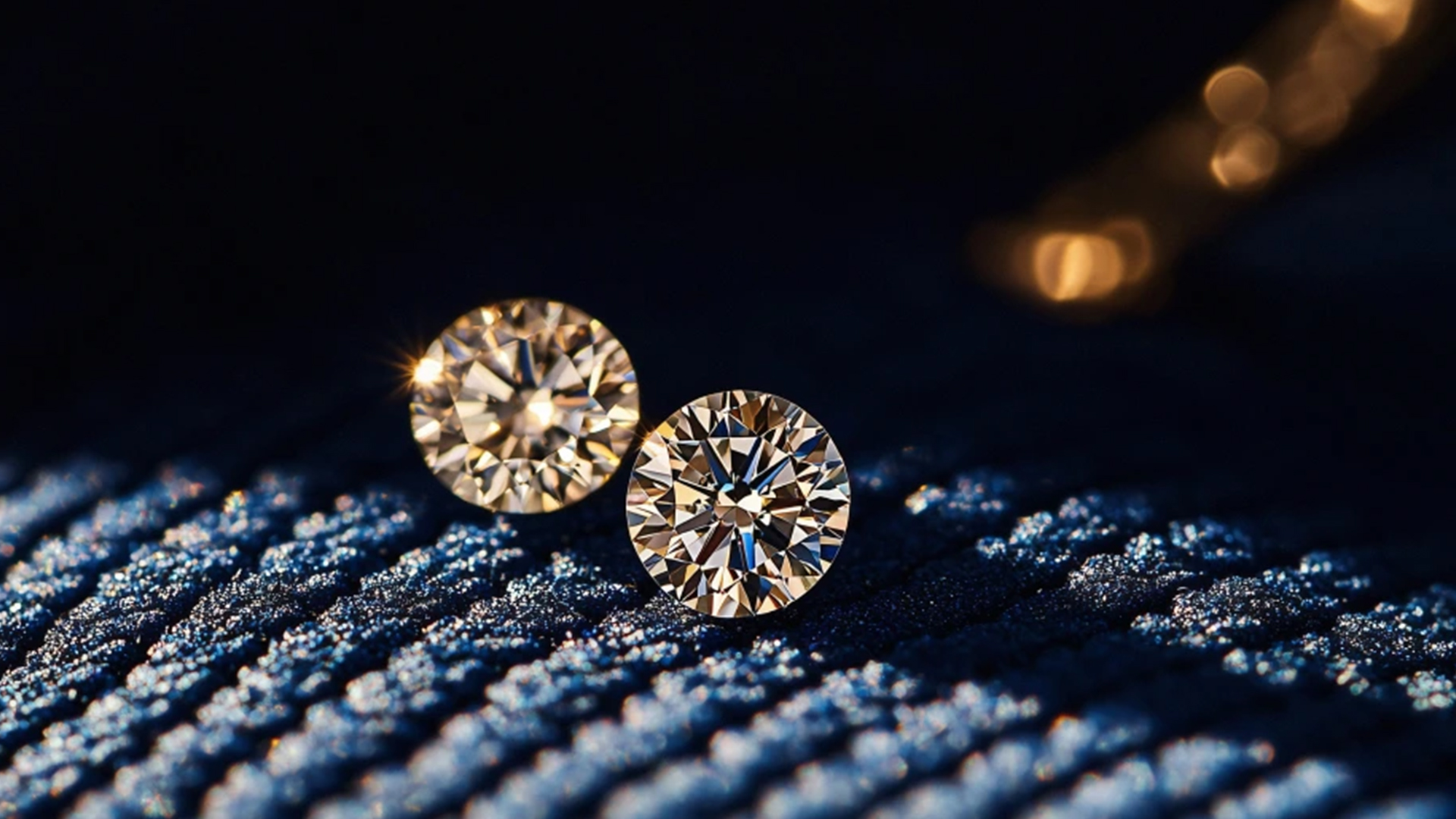
The relationship between nitrogen concentration and color is complex because diamond color depends not only on the amount of nitrogen, but also on how nitrogen atoms are arranged inside the crystal.
However, in general:
Extremely Low Nitrogen Concentration
Diamonds with very low nitrogen levels typically have the greatest potential to achieve premium color grades.
These diamonds may reach:
D color
E color
F color
They display a highly transparent, icy appearance and are often preferred for luxury jewelry applications.
Low Nitrogen Concentration
A slightly higher nitrogen presence may still produce diamonds that appear visually colorless.
These diamonds commonly fall within:
G color
H color
I color
For most jewelry buyers, these grades provide an excellent balance between appearance and value.
Higher Nitrogen Concentration
When nitrogen-related defects become more significant, diamonds may show:
Yellow undertones
Brownish coloration
Lower color grades
Some crystals may require additional processing to achieve the desired color appearance.
CVD Diamonds and Type IIa Classification
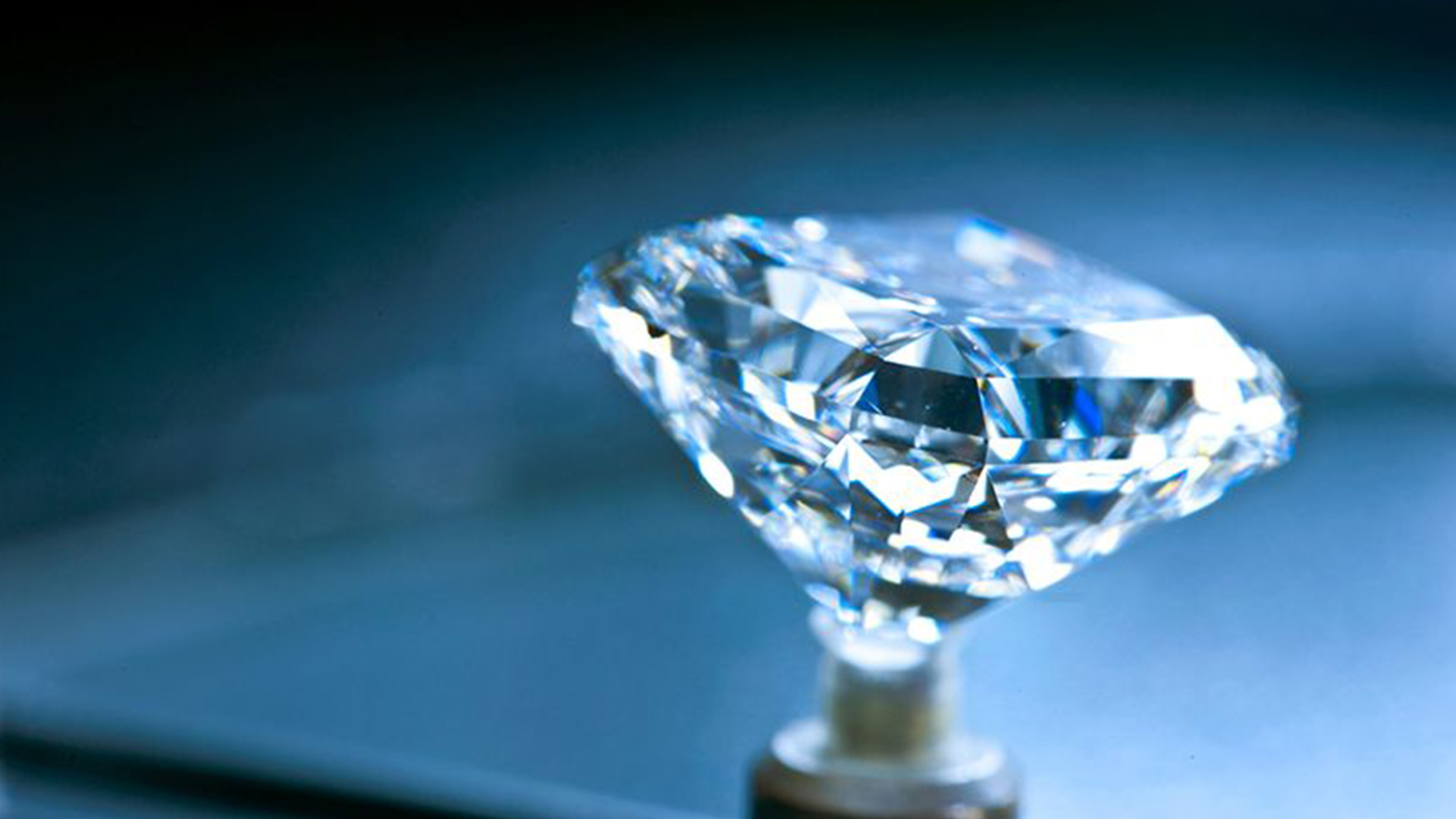
Many premium CVD diamonds are associated with Type IIa diamond characteristics, meaning they contain extremely low levels of measurable impurities, especially nitrogen.
Natural Type IIa diamonds are among the rarest diamonds in the world and are known for their exceptional transparency.
In the laboratory-grown diamond industry, achieving similar low-impurity characteristics is one of the goals of advanced CVD manufacturing.
However, not every CVD diamond is Type IIa, and classification depends on laboratory analysis rather than appearance alone.
How Does the Diamond Industry Improve CVD Diamond Color?
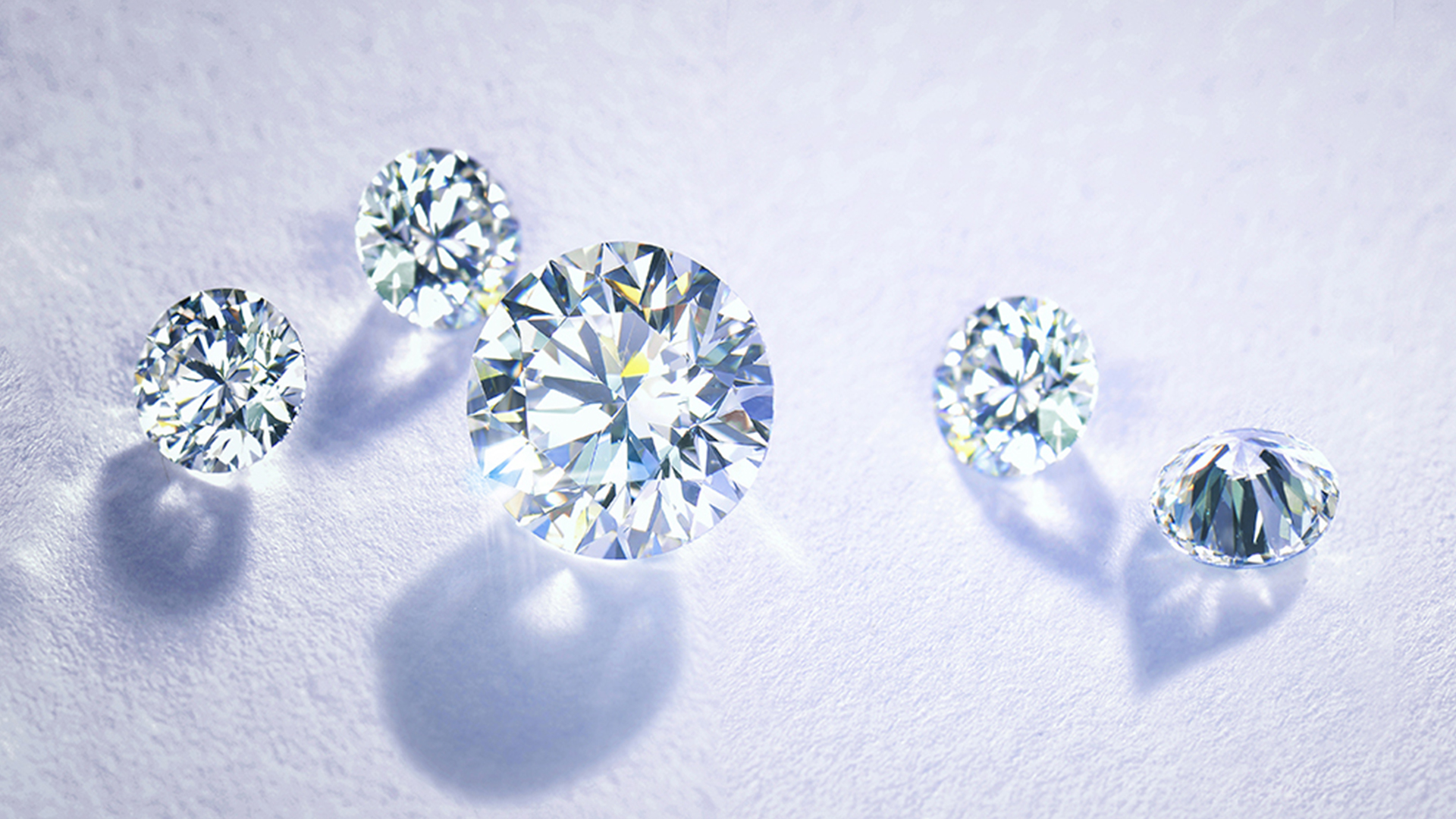
Modern CVD manufacturers use two primary strategies to improve diamond color quality
1. Advanced Growth Technology: Reducing Nitrogen During Formation
The first approach is controlling nitrogen from the beginning.
Manufacturers improve color potential through:
Higher-purity gases
Better vacuum technology
Cleaner growth chambers
Precise process monitoring
Improved crystal growth control
The goal is to minimize unwanted defects while creating a more uniform diamond crystal structure.
Premium CVD diamonds often require significant technological investment to achieve consistent high color grades.
2. Post-Growth Annealing: Enhancing Color After Growth
Some CVD diamonds undergo a high-temperature annealing process after growth.
During annealing, controlled heat treatment modifies certain internal defects within the diamond structure.
This can:
Reduce undesirable coloration
Improve optical appearance
Increase the achievable color grade
Annealing is an established industry practice and is fundamentally different from surface treatments such as coatings.
A properly disclosed and professionally processed diamond remains a genuine diamond with the same physical properties, including:
Exceptional hardness
Durability
Brilliance
Fire
Common Questions About Nitrogen in CVD Diamonds
Does More Nitrogen Mean a Lower Quality Diamond?
Not always.
Nitrogen concentration affects color, but diamond quality is determined by multiple factors, including:
Cut quality
Clarity
Color grade
Carat weight
Overall craftsmanship
A professionally processed CVD diamond with excellent color and cut can be a beautiful and durable choice.
Are Colorless CVD Diamonds Completely Nitrogen-Free?
No. Commercial diamond production rarely achieves absolute zero nitrogen levels.
High-quality colorless CVD diamonds usually contain extremely small amounts of nitrogen that do not create visible coloration.
The goal is controlled impurity levels, not necessarily complete elimination.
Can a CVD Diamond Change Color Over Time?
No. Nitrogen-related color is a structural characteristic of the diamond crystal.
A properly produced and treated CVD diamond will not:
Fade
Lose color
Change appearance through normal wear
Its optical properties remain stable for a lifetime.
What Should Buyers Consider When Choosing a CVD Diamond?
For consumers, nitrogen concentration itself is not usually the deciding factor because it is not included on most standard grading reports.
Instead, buyers should focus on:
1. Independent Certification
A reputable gemological laboratory report provides information about:
Color grade
Clarity
Cut
Carat weight
Laboratory-grown origin
2. Color Grade and Visual Appearance
The final color grade is what matters most in jewelry.
A well-cut G-H color CVD diamond may appear exceptionally bright, while a poorly cut higher-color diamond may not perform as well visually.
3. Treatment Disclosure
Consumers should purchase from sellers who clearly disclose:
Growth method
Any post-growth treatments
Certification details
Transparency builds trust in the growing lab-grown diamond market.
Final Perspective: The Science Behind Beautiful CVD Diamonds
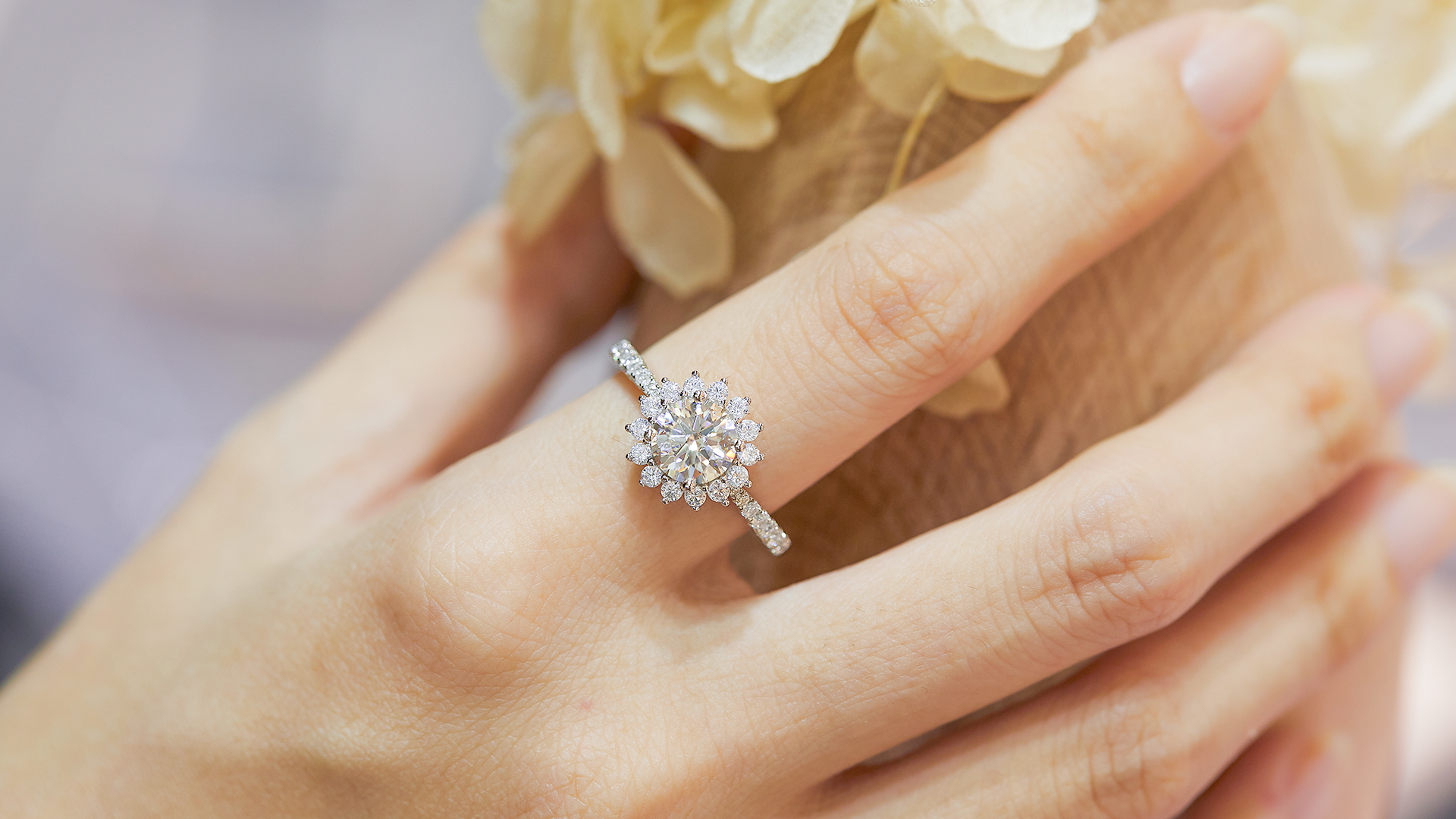
Nitrogen is one of the hidden factors that determines why CVD diamonds can vary so significantly in color.
From the growth chamber to the final polishing stage, controlling and managing nitrogen-related defects plays a crucial role in creating high-quality lab-grown diamonds.
While nitrogen influences color, it does not determine a diamond’s durability, brilliance, or value on its own.
For buyers, the most important considerations remain:
certified quality, accurate color grading, excellent cut, and confidence in the source.
As CVD technology continues to advance, improved control over crystal growth will allow manufacturers to produce increasingly consistent, high-color diamonds that meet the expectations of modern fine jewelry consumers.


