
A jewelry product may be well made, competitively priced and visually attractive — but that does not automatically make it feel like your brand. For retailers and independent jewelry businesses, private label development is where sourcing begins to become brand building.
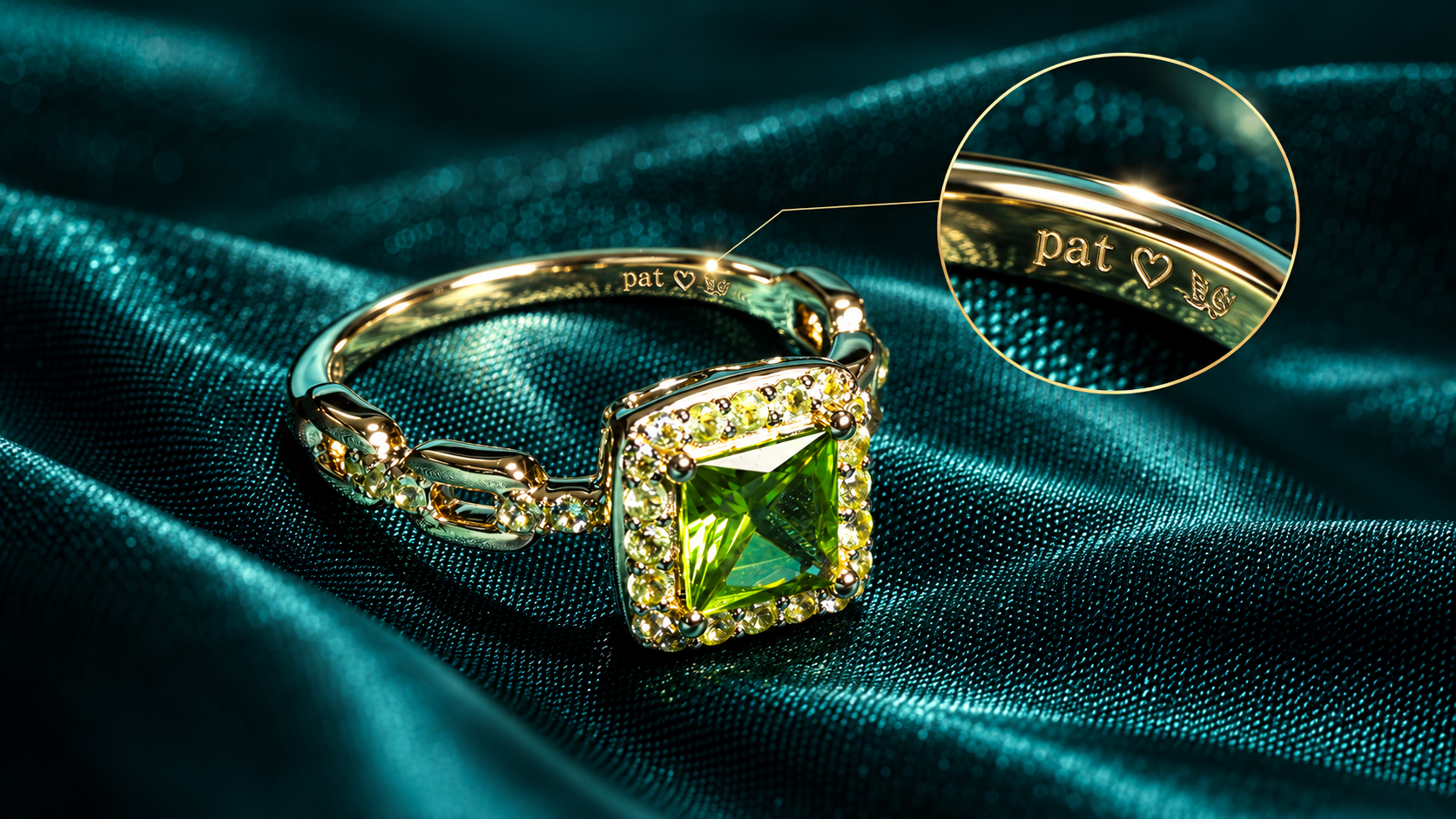
That may involve something as simple as adding a discreet logo inside a ring and placing the finished piece in a branded jewelry box. For a more established collection, it may include modified materials, custom stones, exclusive design details, packaging and full OEM development.
The important question is not: “Can you add my logo?” It is: “Can the manufacturer reproduce my brand identity consistently across the jewelry, packaging and future production batches?”
This guide explains how to evaluate a private label jewelry manufacturer, what should be confirmed before production and how branding decisions affect sourcing, QC and long-term product consistency.
1. What Does Private Label Jewelry Manufacturing Actually Mean?
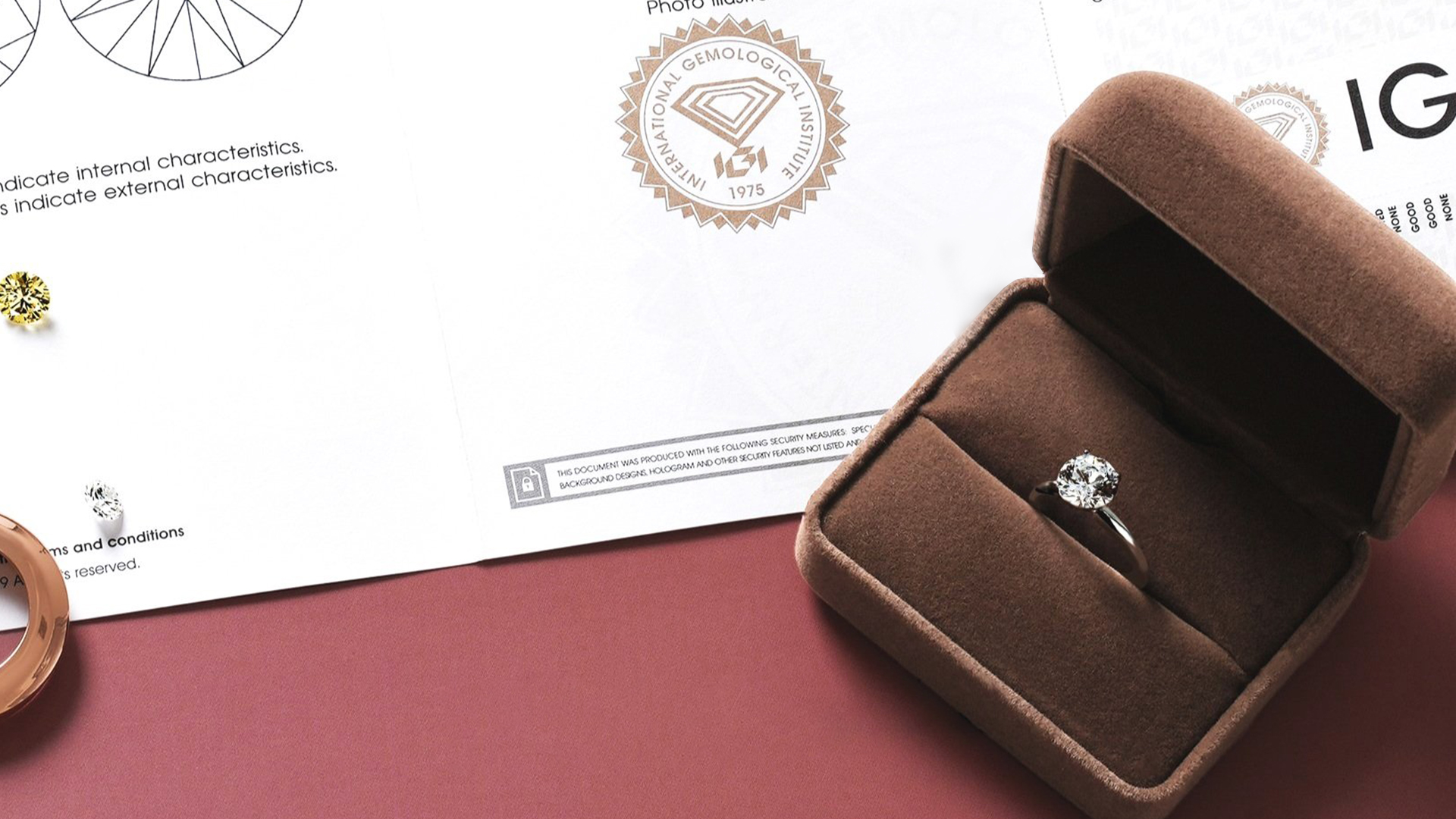
Private label jewelry generally refers to jewelry sold under the buyer's own brand identity. However, private label, OEM and ODM are not exactly the same thing.
1.1 Private Label
The product may already exist or use a proven structure, while the buyer adds brand elements such as:
- jewelry logo engraving
- branded jewelry boxes
- custom packaging
- selected material changes
- stone changes
- private-label presentation
This is often the fastest path for retailers or newer brands that want a recognizable identity without developing every product from zero.
1.2 ODM
ODM development typically starts with an existing manufacturer design or structure. The brand may modify: stone color, center-stone type, metal, selected design details, logo, or packaging.
It offers more differentiation than simple white-label sourcing while reducing the development work required for a completely new design.
1.3 OEM
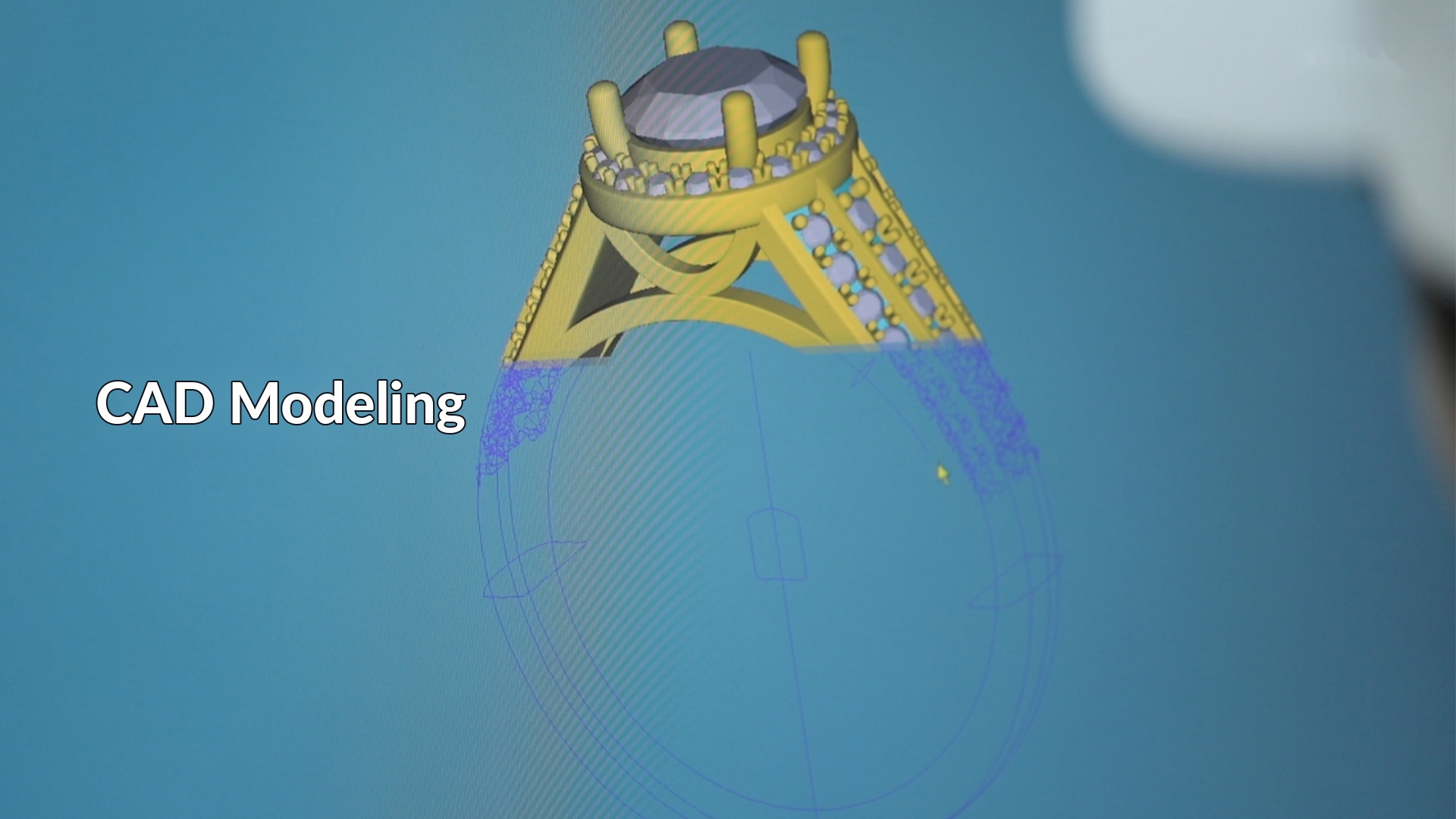
OEM is appropriate when the brand brings its own design, drawing, CAD file, sample or clearly defined concept. The manufacturer then develops the product for production.
For brands building signature collections, OEM offers greater control over the final product. The terms alone do not determine design ownership or exclusivity. Those points should be clarified in the commercial agreement.
2. Jewelry Logo Engraving: Small Detail, Important Brand Signal
A private label program often starts with the jewelry itself. Mosup supports laser logo engraving / laser marking on suitable jewelry products.
A logo may be positioned on areas such as the inside of a ring, the back of a pendant or another appropriate metal surface depending on the design. But not every logo works equally well at jewelry scale.
2.1 Simplify Logos for Small Jewelry Surfaces
A complex logo that looks excellent on a website may become unreadable when reduced to a few millimeters.
Before production, confirm:
- logo artwork
- engraving location
- orientation
- approximate engraving size
- legibility at actual scale
- whether the jewelry structure provides enough usable surface
For small components, a simplified wordmark or symbol may reproduce more clearly than a highly detailed full logo.
2.2 Approve the Actual Result, Not Just a Digital Mock-Up
A screen preview can help confirm placement. A physical branded sample is more useful for judging: depth, clarity, alignment, and how visible the mark should be.
For a private label collection, logo approval should become part of the product specification rather than an informal production note.
3. Custom Jewelry Packaging Should Be Treated as Part of the Product
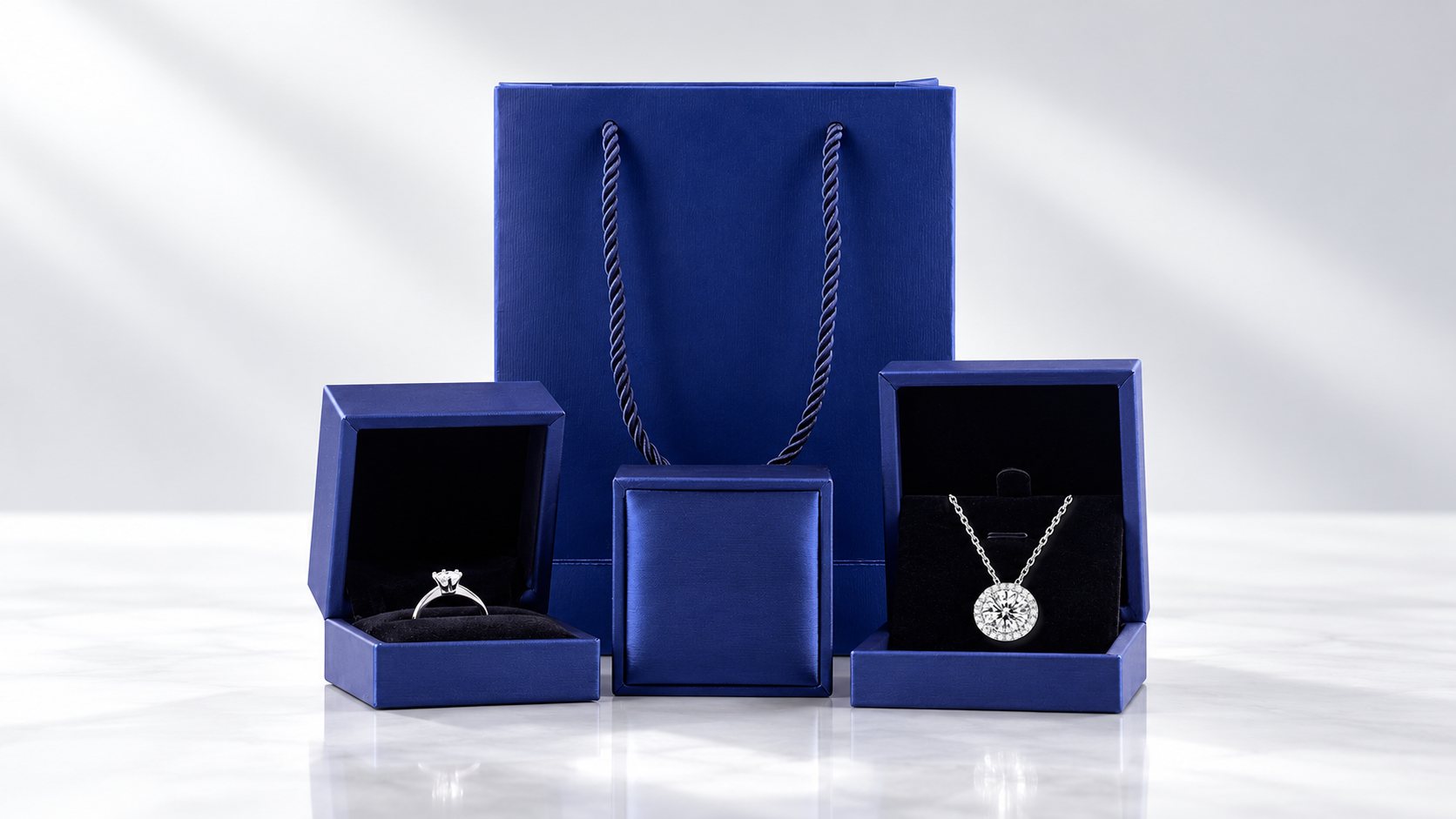
Packaging is often considered after the jewelry has already been developed. For a brand, that is too late. The jewelry box is one of the first physical brand elements a customer sees before touching the product.
Mosup supports private-label logo branding for jewelry boxes, allowing brands to connect the finished product with their own visual identity.
3.1 Packaging Should Match Product Positioning
An accessible S925 moissanite collection and a premium 18K gold lab-grown diamond collection may not require the same packaging structure.
The packaging decision should consider:
- product dimensions
- product value
- target retail price
- protection during transportation
- presentation style
- logo placement
- outer packaging requirements
The objective is not simply to make the box look expensive. It is to make the presentation appropriate for the product and consistent with the brand.
3.2 Confirm Packaging Before Bulk Production
For private-label orders, review the jewelry and packaging together. A complete approval sample should ideally show: finished jewelry + logo placement + jewelry box + brand presentation
This helps avoid a common sourcing problem: the jewelry is approved, but the final packaging does not match the dimensions, positioning or visual standard expected by the brand.
4. Jewelry Logo vs. Packaging Logo: What Should Buyers Confirm?
| Branding Area | Typical Application | Key Buyer Check |
|---|---|---|
| Jewelry laser engraving | Ring interior, pendant back or suitable metal area | Size, position, legibility |
| Jewelry box branding | Private-label jewelry box | Logo placement, box size, visual consistency |
| Product modification | Stone, metal or selected details | Approved specification |
| ODM development | Existing structure with brand modifications | Which elements can change |
| OEM development | Brand-led custom design | CAD, sample and production version |
| Consumer-facing materials | Packaging information where required | Correct branding and product information |
The purpose of this table is not to make every product heavily branded. In fine jewelry, subtle branding can often look more professional than putting the logo everywhere. The key is consistency.
5. Build the Private Label Product Around the Jewelry Category
Private label strategy should also reflect what you are actually selling.
5.1 Moissanite Jewelry
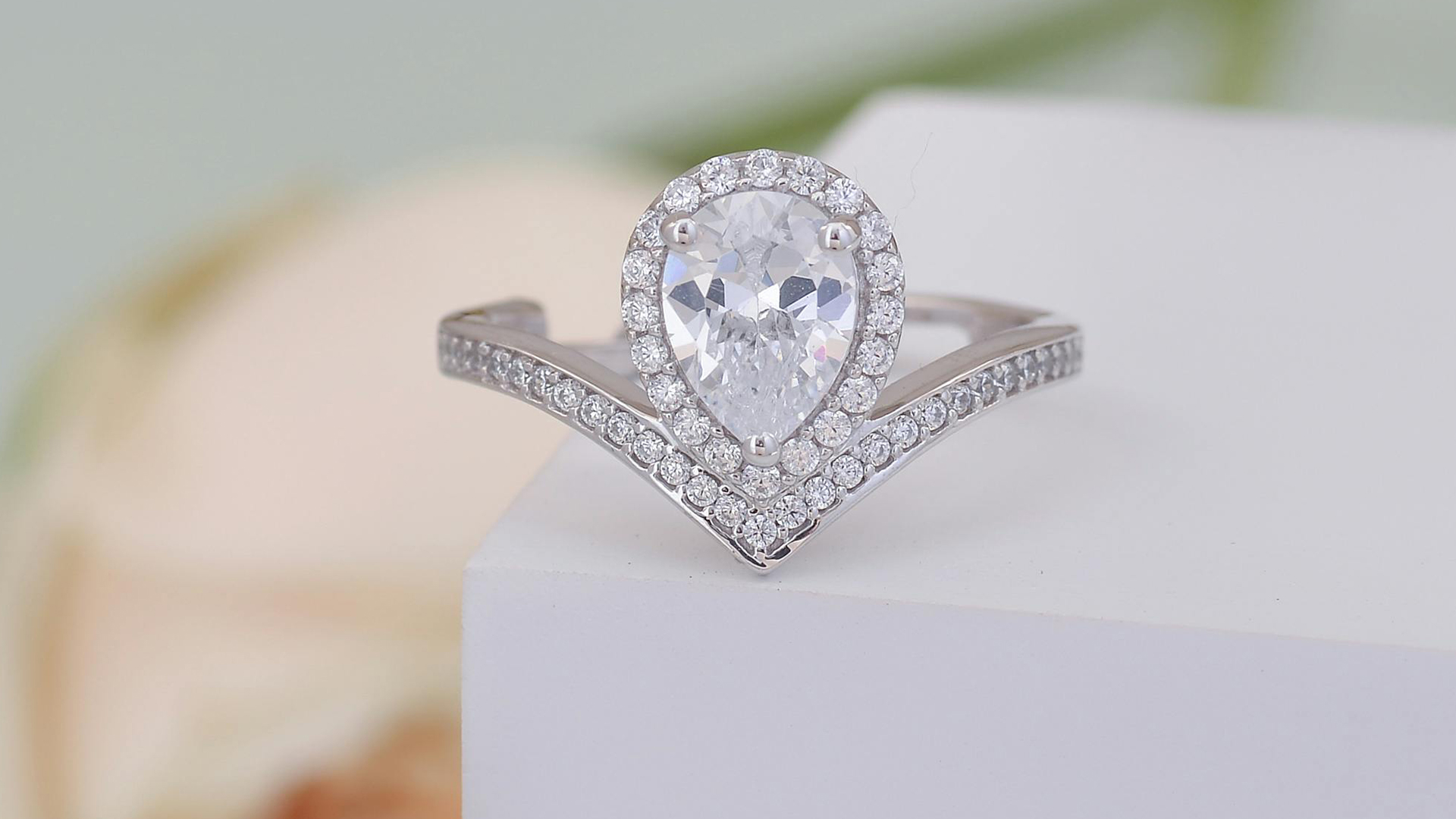
Moissanite collections can be developed across accessible S925 products and more premium gold settings.
Brands may use private labeling to differentiate an existing wholesale collection through selected styles, logo engraving and branded packaging.
5.2 Lab-Grown Diamond Jewelry
For lab-grown diamond products, buyers often place greater emphasis on metal specifications, stone information, finished presentation and documentation.
Brand packaging can support a more premium retail position, but any certificate or laboratory-report requirements should be confirmed separately for the specific product.
5.3 Lab-Grown Gemstone Jewelry
Lab-grown colored gemstones can give private-label collections strong visual differentiation.
A brand can use color, stone shape, metal selection and consistent packaging to create a recognizable collection without needing every SKU to use a completely different structure.
The best private-label strategy is therefore not simply: “Put our logo on the product.” It is: “Decide which product details customers should consistently associate with our brand.”
6. How Does Private Label Development Fit Into OEM/ODM Production?
A practical development path may look like: Existing Product / Concept → Brand Requirements → Material & Stone Selection → Logo / Packaging → Sample → Approval → QC → Production
If the brand uses an existing Mosup product, development may focus on branding and selected modifications. If the project requires a new structure, deeper OEM development and CAD may be necessary.
This distinction affects: development cost, MOQ, sample requirements, and lead time. For that reason, buyers should describe the project clearly before requesting a final quotation.
7. MOQ, Samples and Lead Times: What Should Brands Expect?
Ready-stock purchasing and private-label customization should not be treated as the same commercial arrangement. Mosup's ready-stock wholesale products are available with No MOQ.
Private-label and custom projects depend on the specific product, branding requirement, material and manufacturing process. For custom jewelry projects, approximately 10 pieces can be a practical starting point for discussion depending on the design.
A one-piece sample can also be discussed when product or branding approval is required.
For more complex custom projects, CAD development generally takes around one week. Standard bulk production after design confirmation can often take approximately two weeks, although actual timing depends on the project.
Logo, packaging and other private-label requirements should always be included in the quotation rather than assumed to be free or automatically included.
8. Quality Control Should Include Branding — Not Just Jewelry
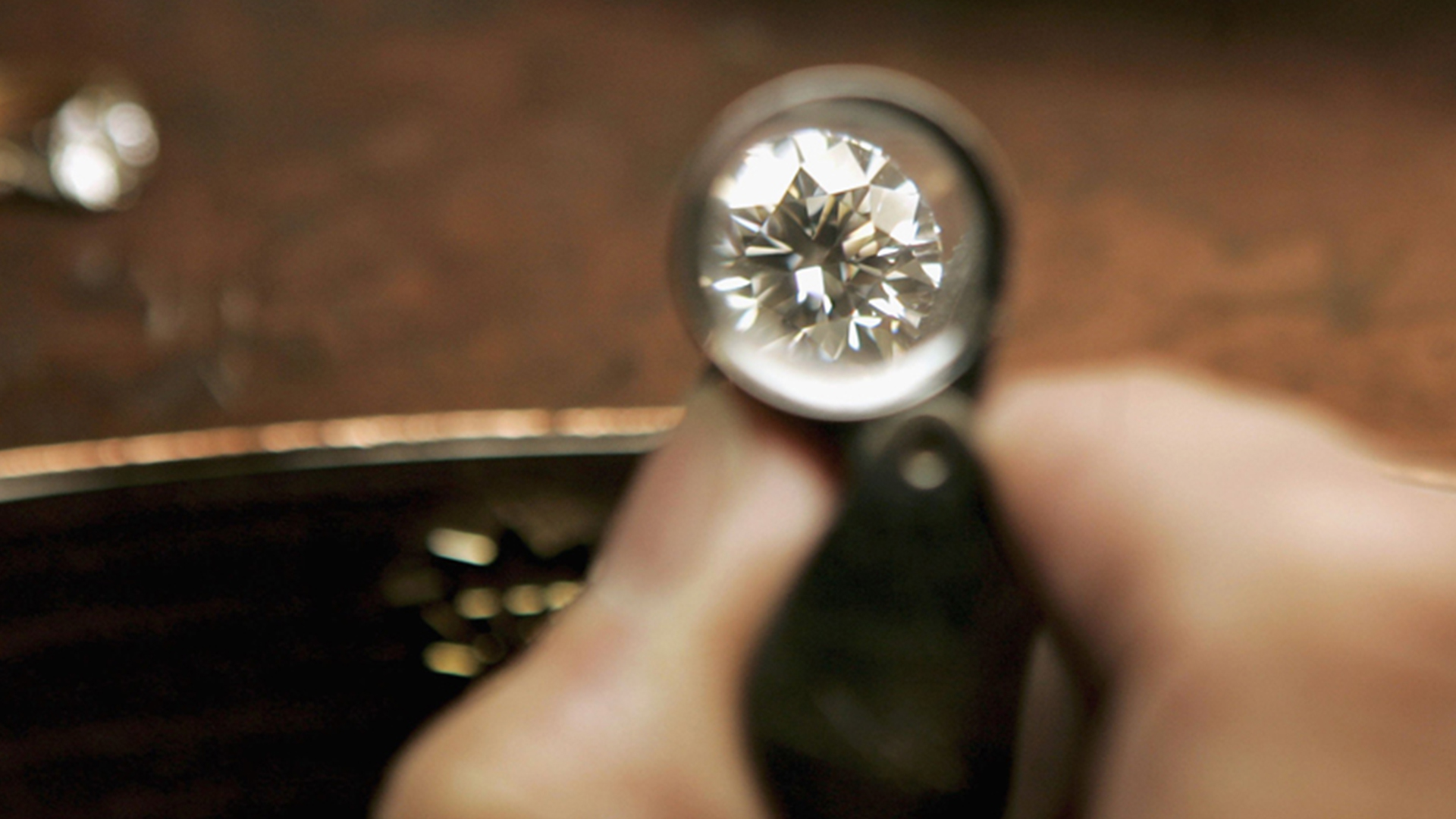
Private-label QC needs to go beyond checking whether the stones are secure. The final inspection should also confirm that the product customers receive matches the brand-approved version.
Depending on the project, QC may include:
- gemstone dimensions and appearance
- stone security
- prong condition
- product dimensions
- ring sizing
- polishing
- plating
- metal and stone weights where applicable
- logo placement
- engraving clarity
- packaging consistency
- overall finished presentation
Brand inconsistency can create the same commercial problems as manufacturing defects.A crooked logo or incorrect box may not affect the physical jewelry, but it can still make the finished product unusable for a planned collection launch.
9. Private Label Jewelry Purchasing Checklist
Before confirming a private-label order, buyers should document:
- Product — SKU, reference image or design.
- Gemstone — moissanite, lab-grown diamond or lab-grown gemstone, plus relevant specifications.
- Metal — S925, 10K, 14K, 18K gold, platinum or other confirmed material.
- Logo — artwork, position, size and engraving requirement.
- Packaging — jewelry box type, logo requirement and product fit.
- Sample — what must be approved before bulk production.
- MOQ — confirm ready-stock quantities separately from custom branding requirements.
- Documentation — confirm whether any certificate or report is required and whether it is included.
- QC — define product and branding acceptance standards.
- Lead Time — separate sampling, branding preparation and bulk production timing.
A complete RFQ makes the supplier's quotation easier to evaluate and reduces unnecessary revisions later.
Frequently Asked Questions
1. Can Mosup Add My Logo to Jewelry?
Yes. Mosup supports laser engraving or laser marking for suitable jewelry products. The final location and size should be confirmed according to the product structure.
2. Can Mosup Add My Brand Logo to Jewelry Boxes?
Yes. Private-label logo branding for jewelry boxes is available. Packaging details, quantity and pricing should be confirmed for each project.
3. Does Private Label Mean the Jewelry Design Is Exclusive?
Not automatically. Private label refers primarily to selling products under your brand identity. Design exclusivity should be negotiated and documented separately.
4. Is Every Certificate Included Automatically?
No. Certificate and laboratory-report requirements depend on the stone, product and requested service. Confirm report type, cost and whether it applies to the loose stone or finished jewelry before ordering.
Private Label Is About Building a Repeatable Brand Experience
A private-label jewelry program should do more than hide the manufacturer's identity. It should create a product customers can recognize as belonging to your brand.
That may begin with something simple: a consistent product selection + discreet laser logo + branded jewelry box
and later develop into: ODM modifications + exclusive materials + custom stones + OEM signature collections.
The right path depends on your market, price position and stage of growth. What matters is that the jewelry, branding, packaging and future reorders follow one controlled product standard.
Ready to Build Your Private Label Jewelry Collection?
Send Mosup: product link / design / reference image + gemstone + metal + quantity + logo file + packaging requirements + target market + expected delivery date
Our team can help determine whether the project is best suited to: Ready Stock + Branding
ODM Modification or OEM Custom Development
→ Explore the Mosup Jewelry Catalog
→ Learn How to Choose a Moissanite Jewelry Manufacturer
→ Read How to Start a Jewelry Business
→ Contact Mosup About Private Label / OEM / ODM Development


