
As temperatures rise, swimming pools become a popular way to cool down and relax. Many people wear their favorite rings, bracelets, necklaces, or earrings while swimming, assuming that pool water is harmless.
However, swimming pool water is far from ordinary water.
After repeated exposure to chlorinated water, many jewelry owners notice unexpected changes:
Sterling silver becomes dark or tarnished
Gold jewelry loses its original color and shine
Gemstones appear cloudy or less brilliant
Diamond jewelry looks dull and requires professional cleaning
The reason is simple: pool water contains chemicals that can gradually damage precious metals, coatings, and gemstones.
In this guide, we explain how chlorine affects different types of jewelry and why removing your jewelry before swimming is one of the easiest ways to protect your investment.
1. What Makes Pool Water Harmful to Jewelry?
Swimming pools rely on chlorine-based disinfectants to eliminate bacteria and maintain water quality.
While these chemicals are safe for normal swimming when properly regulated, they can create a harsh environment for jewelry.
Pool water may contain:
Chlorine compounds
Chloride ions
Oxidizing agents
pH-adjusting chemicals
When these substances repeatedly contact precious metals and gemstones, they can accelerate surface reactions, weaken protective coatings, and reduce the brilliance of jewelry over time.
Compared with everyday exposure to tap water or normal perspiration, chlorinated pool water creates a much more aggressive environment.
2. How Chlorinated Water Affects Different Types of Jewelry
1.Sterling Silver: Faster Tarnishing and Darkening
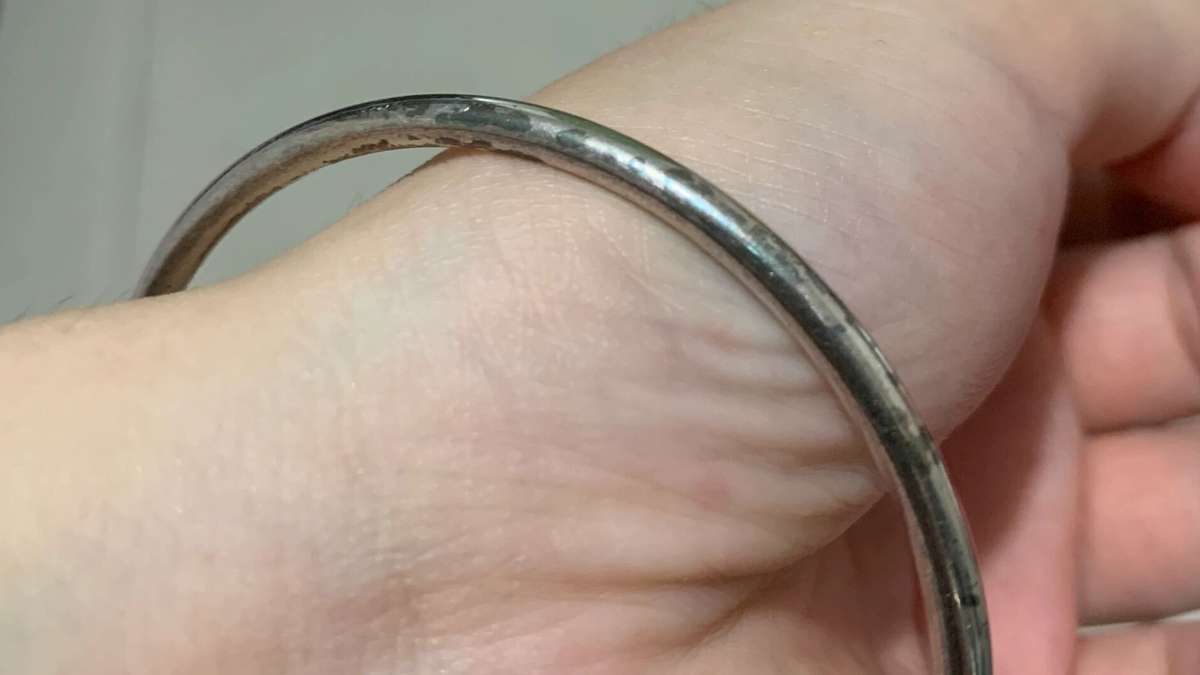
Silver is one of the metals most sensitive to environmental reactions.
When sterling silver comes into contact with chlorine and other chemicals, it can develop surface discoloration and tarnishing.
After repeated swimming exposure, silver jewelry may experience:
Darkened appearance
Loss of brightness
Surface oxidation
Reduced shine
Even rhodium-plated sterling silver, which offers better tarnish resistance, can eventually suffer coating damage from repeated chemical exposure.
Once the protective layer wears away, restoring the original finish may require professional refinishing.
2. 18K Gold and Rose Gold: Color Changes and Surface Damage
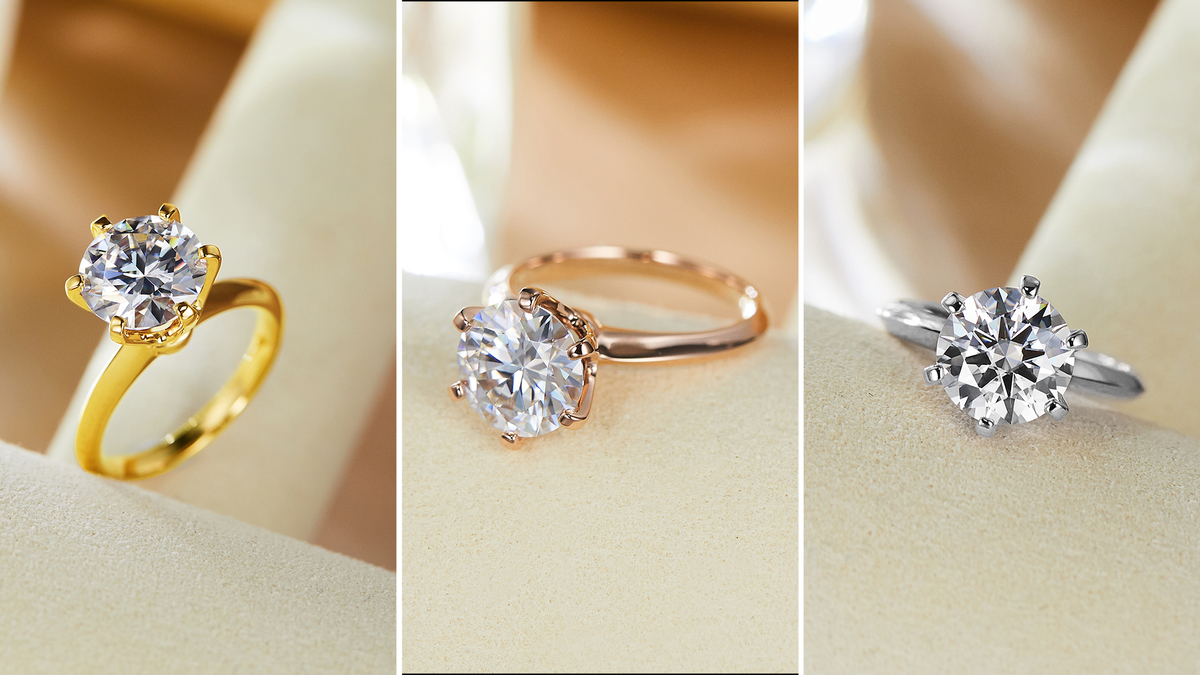
Many people assume gold jewelry is completely resistant to damage, but alloy composition matters.
18K gold contains a mixture of pure gold and other metals such as copper and silver to improve strength and durability.
Chlorinated water can gradually affect these alloy metals and surface finishes, causing:
Fading color
Dull appearance
Uneven surface tones
Damage to plating layers
Rose gold can be especially sensitive because its warm pink color comes from a higher copper content. Chemical exposure may reduce its original rosy tone and make the jewelry appear aged.
3. Solid Gold: Reduced Shine and Surface Buildup
Pure gold is highly resistant to corrosion and does not rust or oxidize like many other metals.
However, this does not mean it is completely unaffected by pool environments.
Chlorine, minerals, and chemical residues can accumulate on the gold surface, reducing its polished appearance.
Over time, even high-quality gold jewelry may lose its:
Mirror-like reflection
Smooth finish
Bright surface luster
Regular professional cleaning can help restore its original shine.
4. Diamonds and Colored Gemstones: Cloudiness and Reduced Brilliance
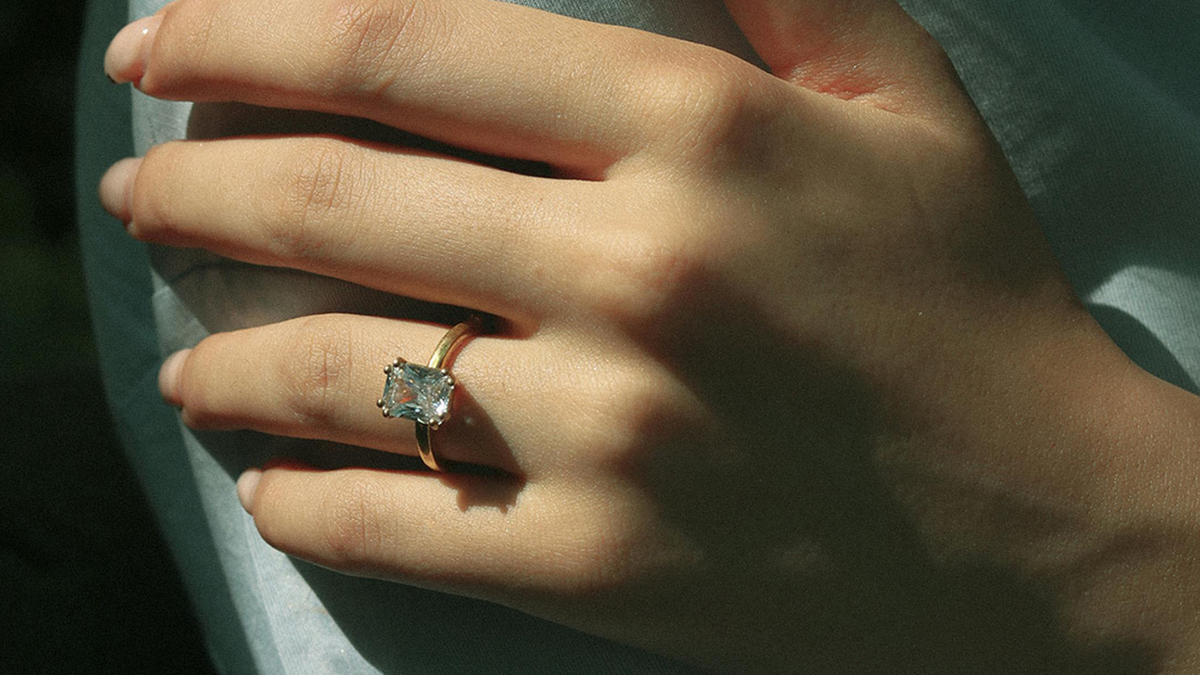
Diamonds are among the hardest natural materials, but hardness does not mean they are immune to surface contamination.
Diamonds are naturally oleophilic, meaning they attract oils.
During swimming, a combination of:
Body oils
Sunscreen residue
Pool chemicals
can build up around diamond facets and settings.
This residue blocks light reflection, causing diamonds to appear:
Less brilliant
Cloudy
Dull
Colored gemstones may be even more sensitive. Some gemstones have delicate structures or treatments that can be affected by chemicals, reducing transparency and surface quality.
3. Beyond Chemical Damage: Two Other Risks of Swimming With Jewelry
Chemical exposure is not the only concern.
1. Higher Risk of Losing Jewelry
Swimming causes several changes that increase the chance of losing jewelry:
Cold water can temporarily shrink fingers
Water movement creates extra pressure
Rings may become loose and slip off
Chains and bracelets can detach unexpectedly
Jewelry lost in pools is extremely difficult to recover.
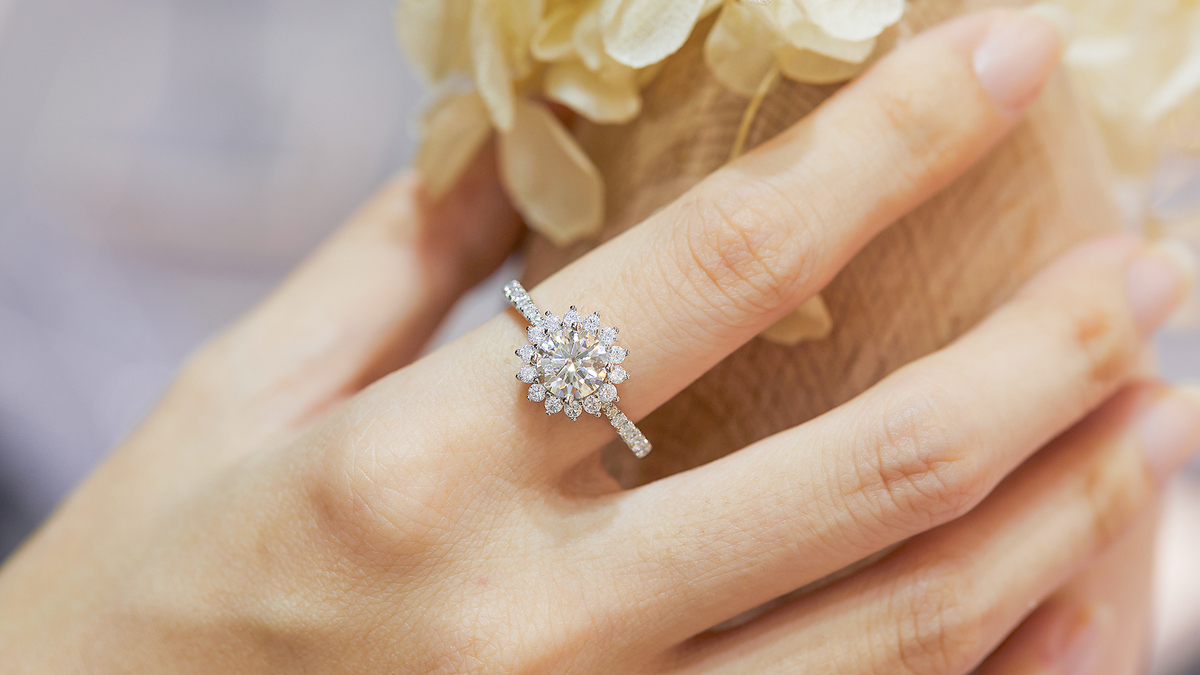
2. Safety Concerns During Swimming
Jewelry can also create physical risks.
Prongs, chains, and sharp edges may:
Catch on swimsuits
Scratch skin
Get damaged during movement
Bend or loosen jewelry settings
For active water activities, removing jewelry is always the safest choice.
4. What to Do If Your Jewelry Gets Exposed to Pool Water
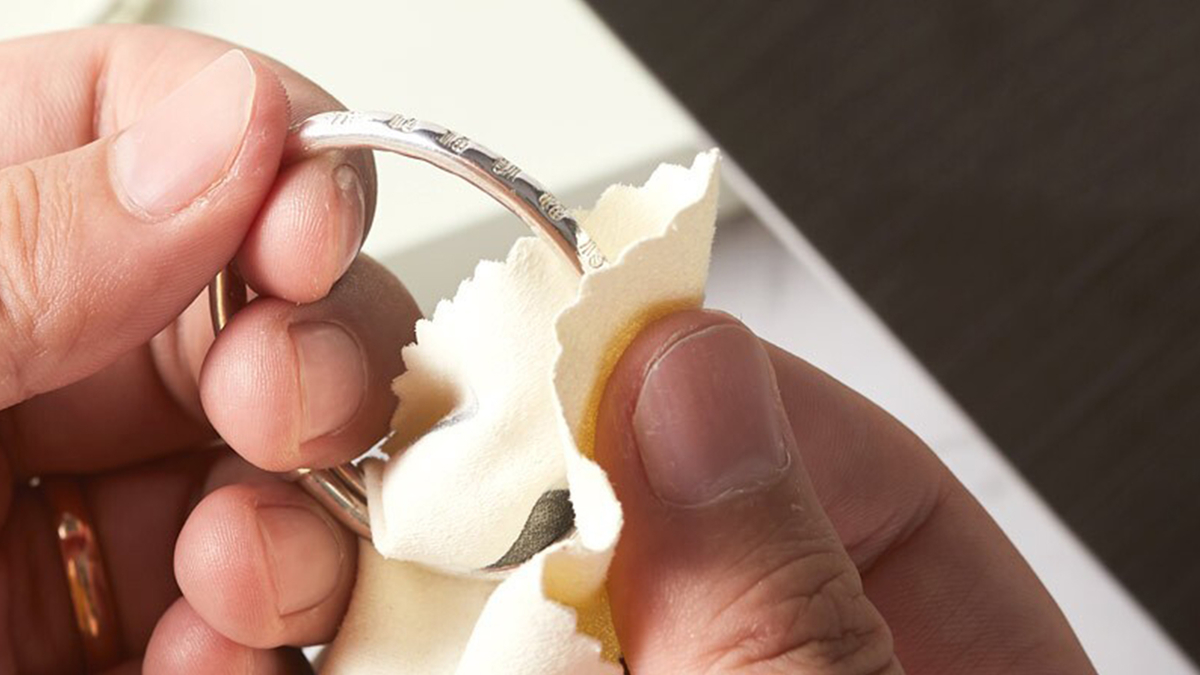
If you accidentally swim while wearing jewelry, do not simply let it air dry.
Follow these steps:
Step 1:
Rinse the jewelry thoroughly under clean running water to remove chlorine residue.
Step 2:
Gently dry it with a soft, lint-free cloth.
Step 3:
Allow it to fully dry in a clean, ventilated area.
Step 4:
For valuable jewelry, consider professional cleaning and inspection to check settings and surface condition.
Quick action can help reduce long-term chemical damage.