
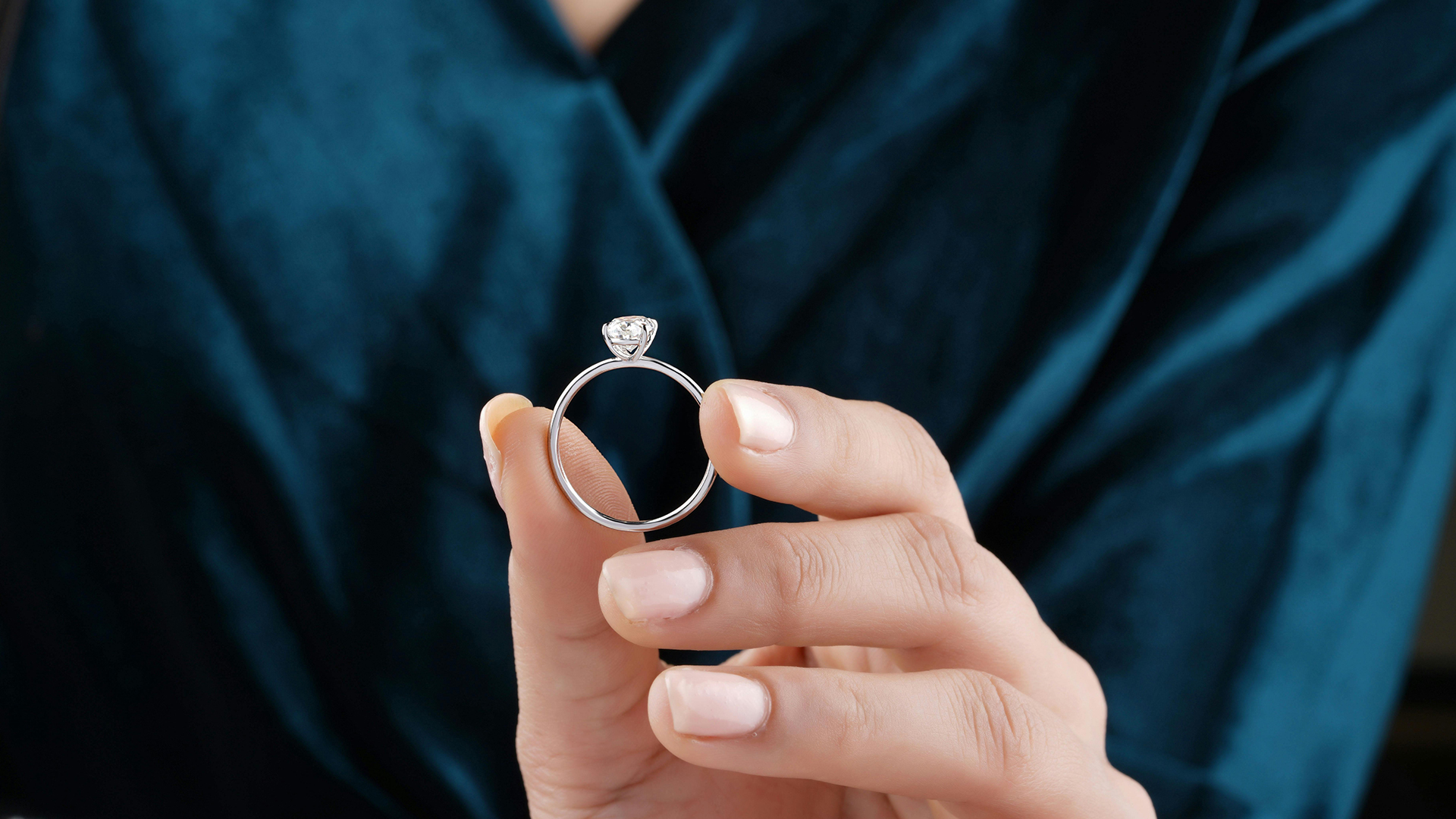
When choosing a ring, many buyers focus only on finding the correct ring size. The common assumption is simple: if the ring fits your finger, it should feel comfortable.
However, many people discover that the right size does not always guarantee a comfortable fit.
A ring may still feel:
Too tight around the finger
Difficult to rotate
Uncomfortable when making a fist
Restrictive during hot weather when fingers naturally swell
Difficult to put on or remove
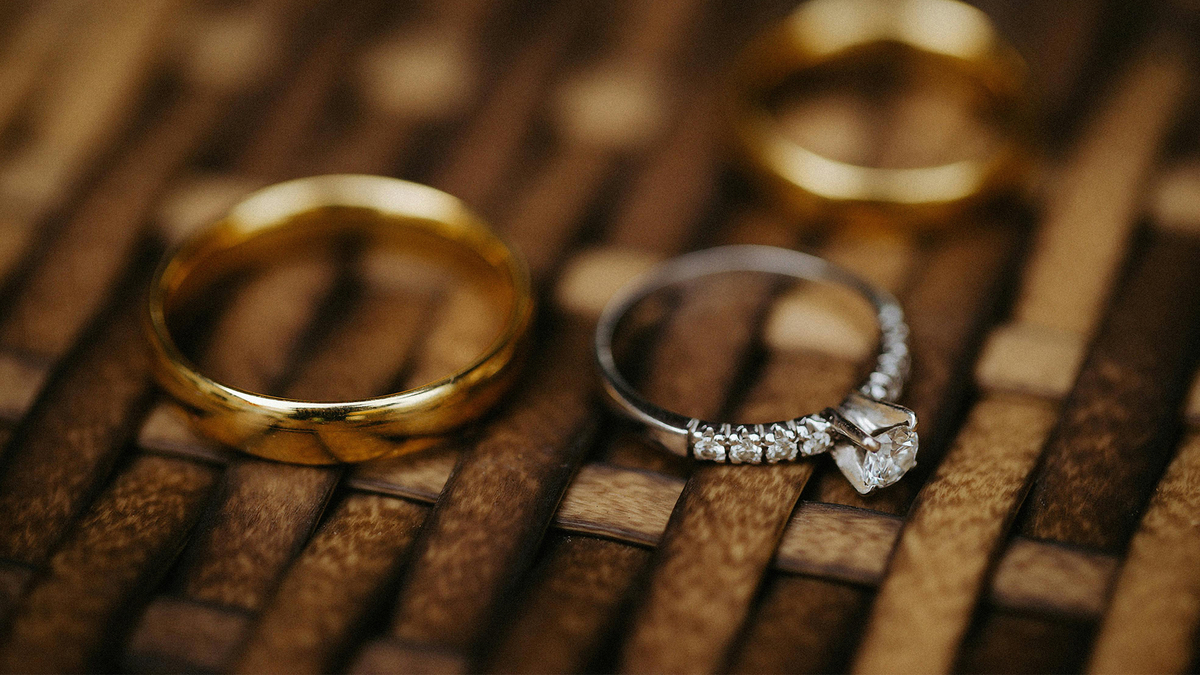
The reason is that ring size only determines whether a ring fits your finger circumference. The actual wearing experience depends on many hidden details, including the inner profile, band width, thickness, edge finishing, and setting design.
Two rings with the exact same size can feel completely different when worn.
Here are the five key factors that determine ring comfort.
1. Ring Band Width: The Biggest Factor Affecting Finger Pressure
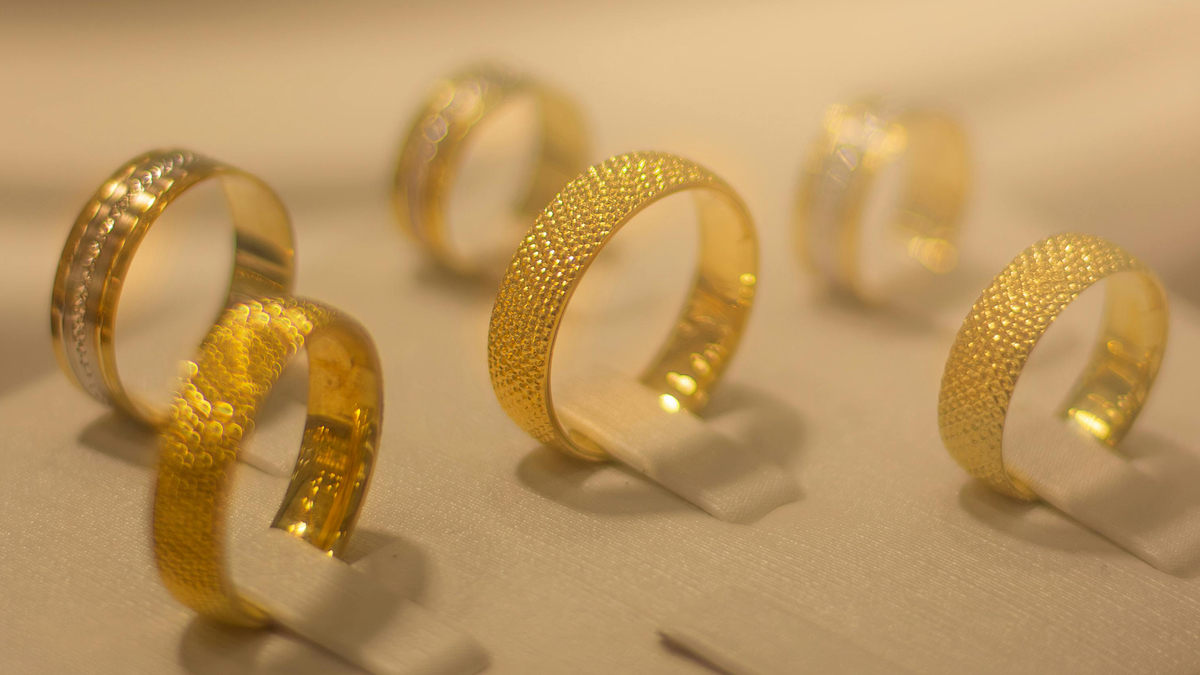
The width of the ring band is one of the most noticeable factors influencing comfort.
Slim Bands (Approximately 2–3mm)
Slim rings are lightweight and cover less surface area on the finger.
Advantages include:
Less pressure on the finger
More flexibility during daily activities
Better comfort when fingers swell slightly
Easier adjustment to different hand shapes
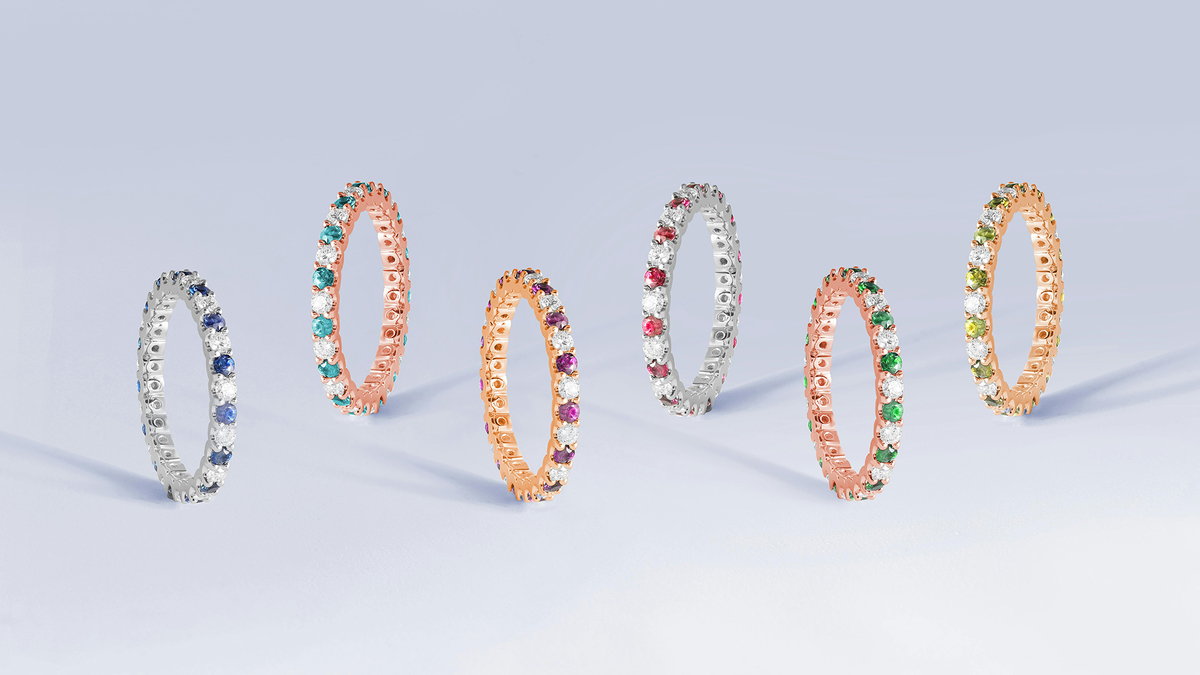
For everyday wear, slim bands are often considered one of the most comfortable choices.
Wide Bands (4mm and Above)
Wider rings create a stronger visual presence, but they also cover more of the finger.
Potential issues include:
Increased pressure around the finger
Less airflow between the ring and skin
More noticeable tightness in warm weather
Greater difficulty removing the ring for people with larger knuckles
Wide bands can feel especially restrictive when making a fist or performing daily tasks.
2. Ring Interior Design: Flat Inner Surface vs Comfort Fit
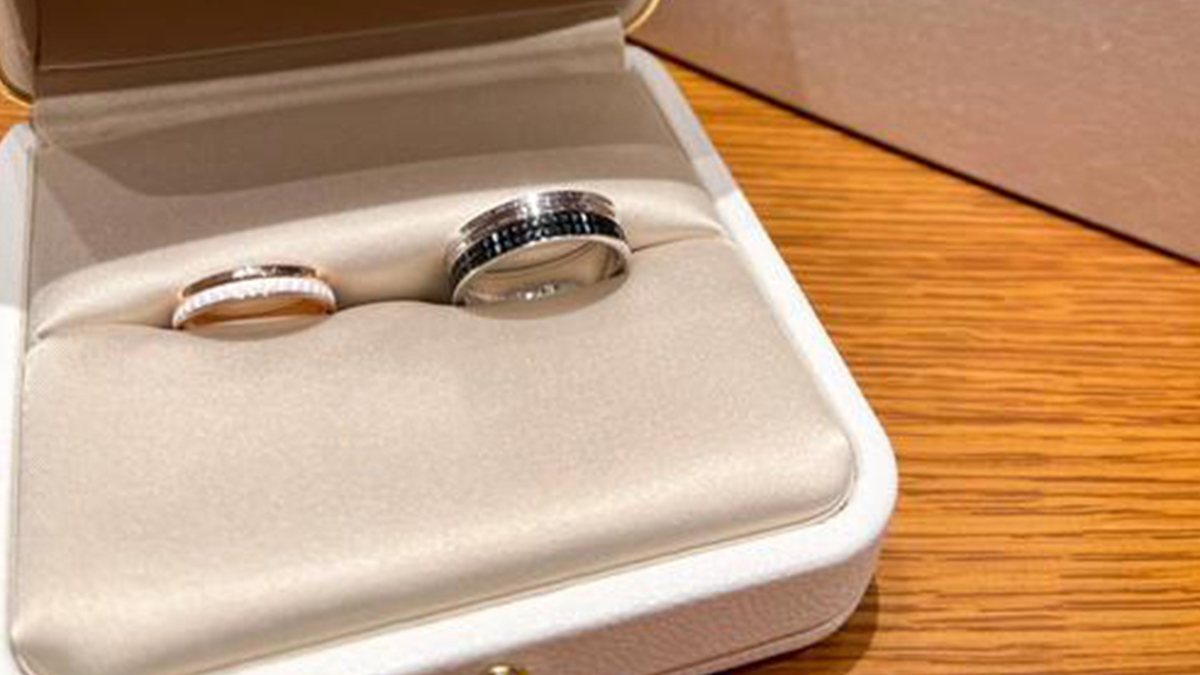
Professional jewelers often pay close attention to the inside of the ring because this detail creates one of the biggest differences between mass-produced jewelry and fine craftsmanship.
Flat Interior Profile
A traditional flat inner surface sits directly against the finger.
While functional, it may:
Concentrate pressure in specific areas
Leave deeper marks after long wear
Create friction when the ring moves
Feel less comfortable during extended use
Many standard commercial rings use this simpler construction method.
Comfort Fit Inner Profile
A comfort-fit ring features a softly rounded inner surface that follows the natural curve of the finger.
Benefits include:
✓ More evenly distributed pressure
✓ Reduced friction
✓ Easier movement over the knuckle
✓ Improved comfort for all-day wear
This type of inner curvature is commonly found in higher-quality rings designed for long-term everyday use.
3. Ring Thickness: Lightweight Feel vs Structural Strength
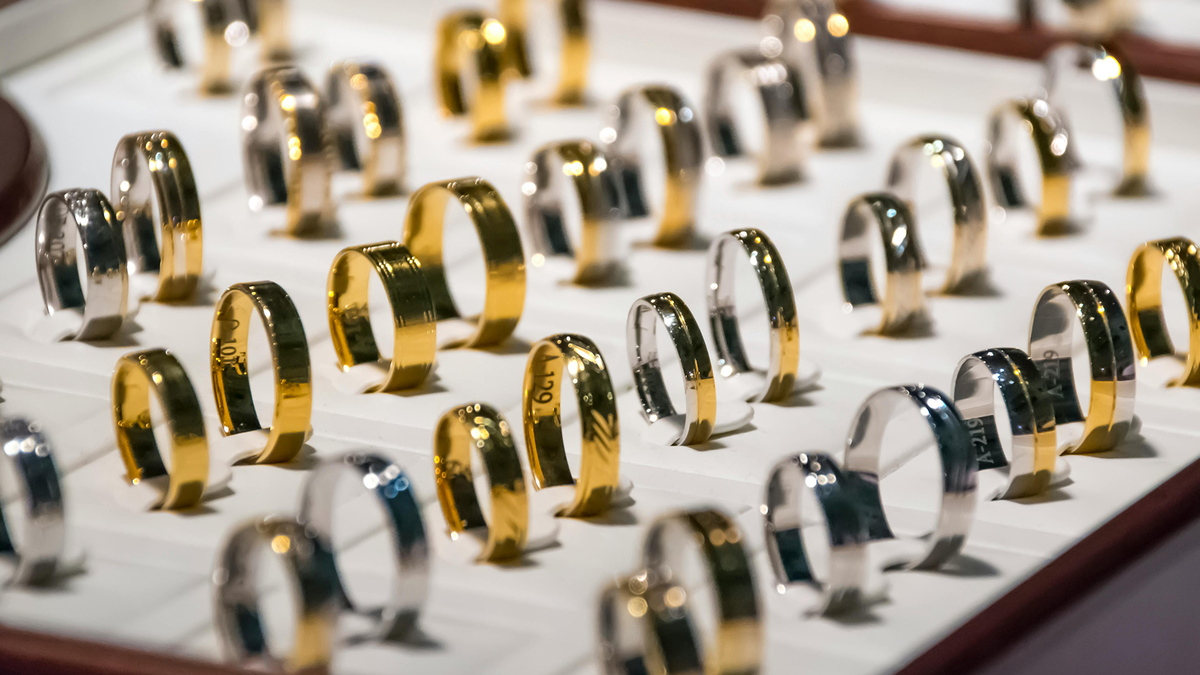
The thickness of the ring shank directly affects how the ring feels on your hand.
Thin Ring Bands
Benefits:
Lightweight
Comfortable for daily wear
Minimal feeling of weight on the finger
Ideal for office and everyday lifestyles
Thick Ring Bands
Thicker designs provide:
A stronger, more substantial appearance
Increased resistance to deformation
However, excessive thickness may create:
A heavier feeling
More pressure on the finger
Fatigue during extended wear
For everyday rings, the best choice is usually a balance between durability and comfort.
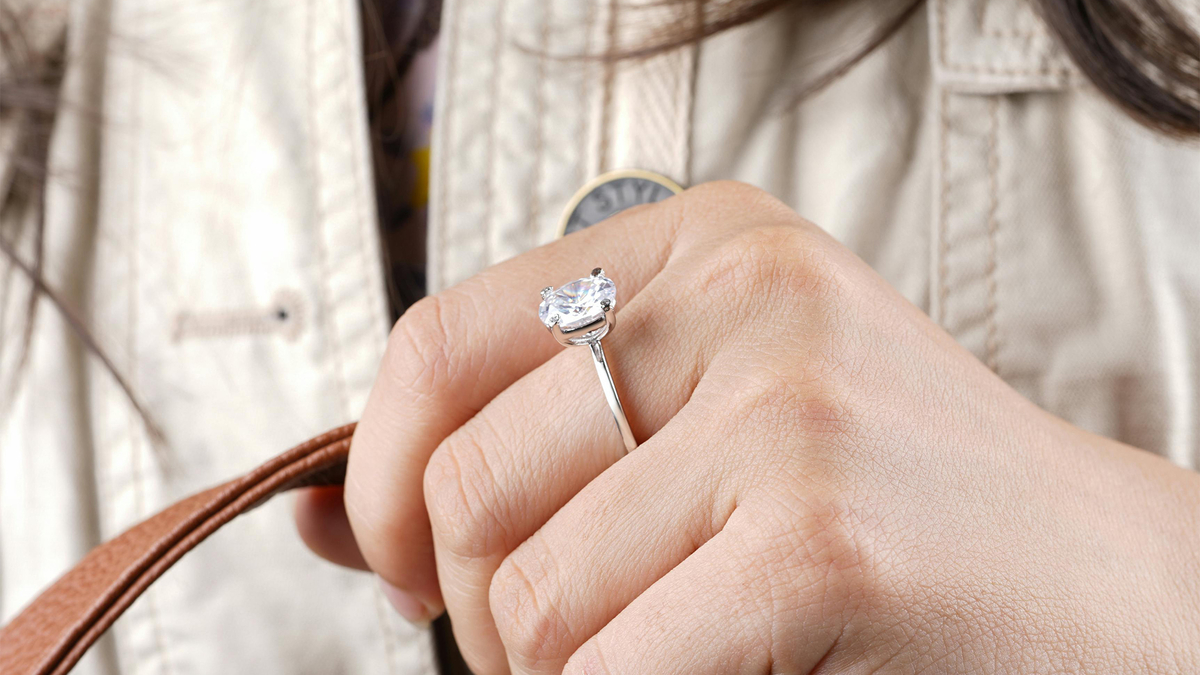
4. Setting Height and Center Stone Position: A Key Factor for Gemstone Rings
For engagement rings and gemstone rings, the height of the center stone setting plays an important role in comfort.
High-Profile Settings
High prong settings showcase the gemstone beautifully by allowing maximum light exposure.
However, they may create:
A noticeable raised profile
More chances of catching on clothing
A feeling of pressure when gripping objects
Contact with surfaces during daily activities
Low-Profile Settings
Low-profile settings, bezel settings, and lower prong designs sit closer to the finger.
Advantages:
✓ More comfortable for everyday wear
✓ Less likely to catch on clothing
✓ Easier for active lifestyles
✓ Reduced feeling of the gemstone pressing against the finger
For those who rarely remove their ring, a lower-profile design is often the more practical choice.
5. Edge Finishing: The Hidden Detail Behind Smooth Wear
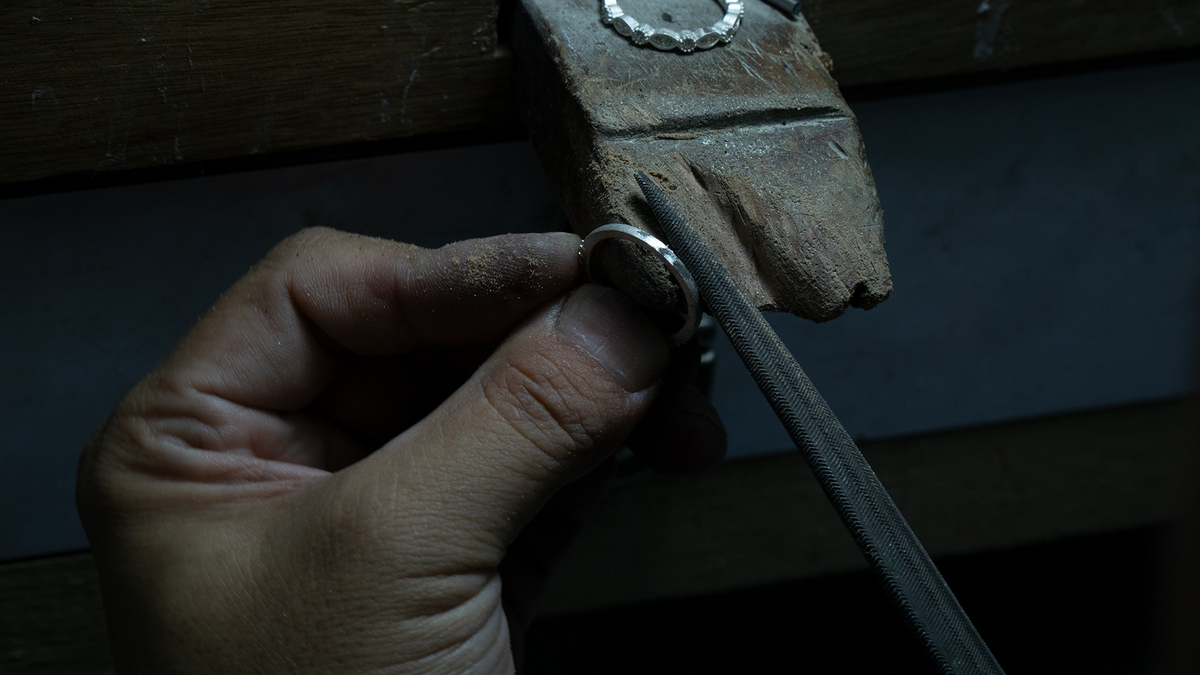
Small finishing details can dramatically affect comfort.
Poor Edge Finishing
Low-quality rings may have sharp edges caused by basic cutting and polishing.
This can lead to:
Skin irritation
Scratching sensations
Snagging on clothing or hair
Uncomfortable movement
Rounded Edge Finishing
High-quality rings are carefully polished with softened edges.
Benefits include:
Smooth movement on the finger
Reduced friction
More comfortable daily wear
A refined handcrafted feel
These small details are often what separate fine jewelry from standard production pieces.
Ring Buying Checklist: How to Choose a Comfortable Ring
For maximum comfort, consider this formula:
Correct Ring Size + Comfort Fit Interior + Appropriate Band Width + Rounded Edges + Practical Setting Height
Remember:
Ring size is only the starting point.
The true comfort of a ring comes from the craftsmanship hidden inside the design—the parts you may not immediately see but will feel every day.
Before purchasing, consider:
1.Trying the ring on in person whenever possible
2.Checking the inner profile and edge finishing
3.Choosing a design that matches your daily lifestyle
4.Prioritizing comfort if you plan to wear the ring continuously
A beautifully designed ring should not only look stunning—it should also feel effortless, comfortable, and natural every time you wear it.