
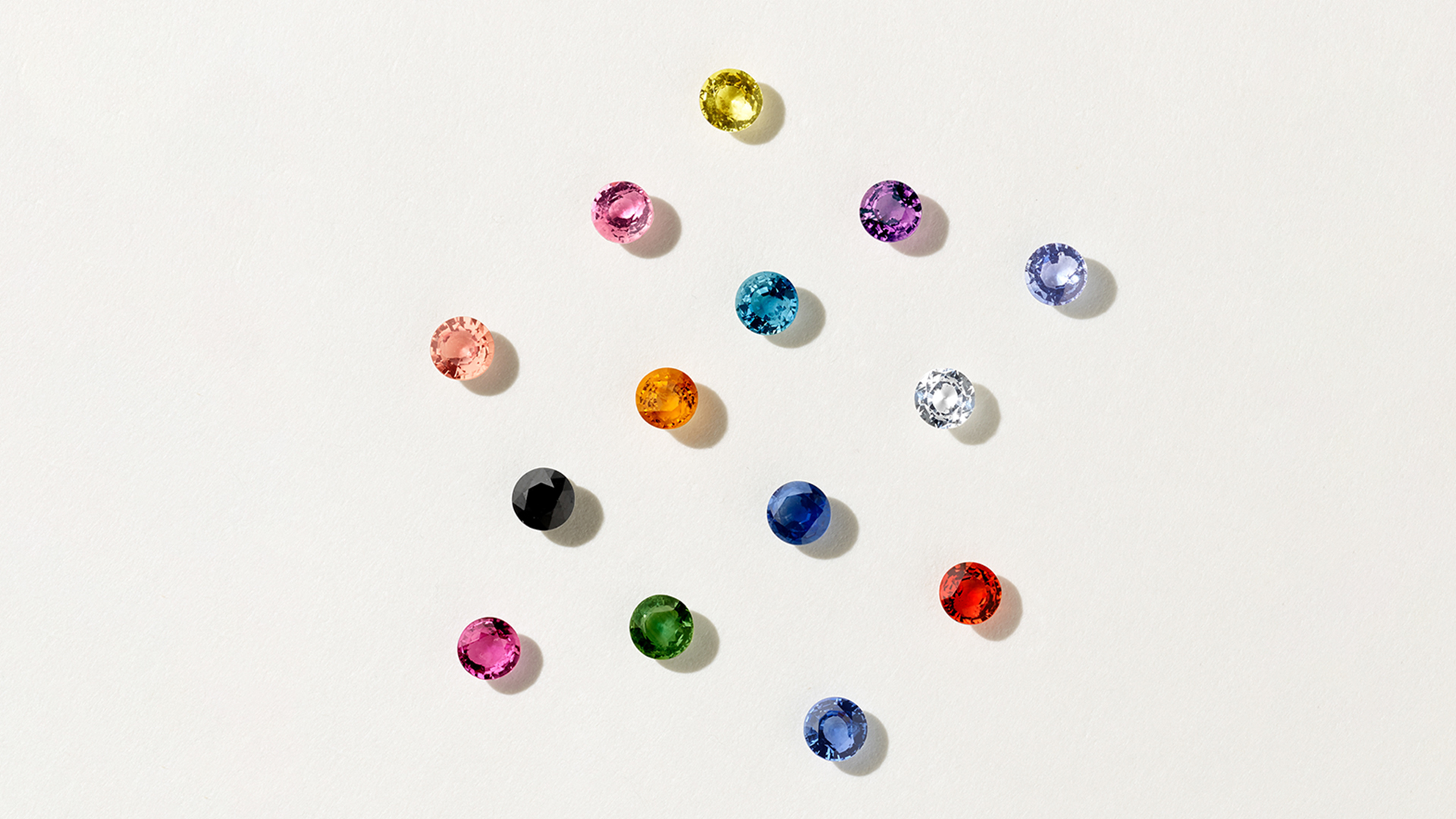
As demand for sustainable jewelry continues to rise, lab-grown diamonds have become one of the fastest-growing categories in the global fine jewelry market. Offering the same brilliance, durability, and chemical composition as natural diamonds at a significantly lower price, they have become an attractive choice for jewelry retailers, independent brands, wholesalers, and consumers alike.
Whether you're sourcing diamonds for your jewelry collection or purchasing an engagement ring, understanding how to evaluate lab-grown diamonds is essential.
What Are Lab-Grown Diamonds?
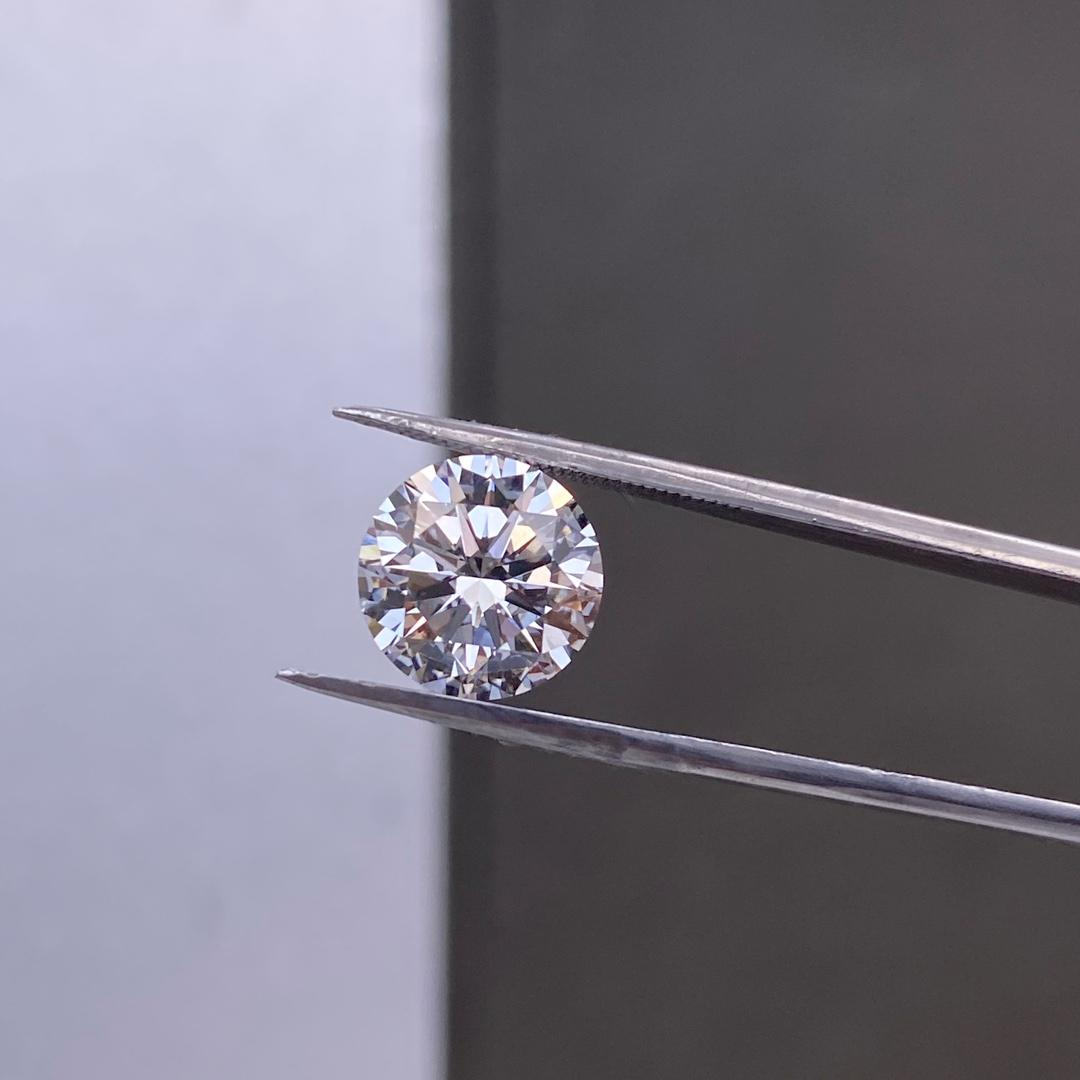
Lab-grown diamonds are real diamonds created in controlled laboratory environments that replicate the natural conditions under which diamonds form deep within the Earth. They possess the same physical, chemical, and optical properties as mined diamonds and are indistinguishable to the naked eye.
Today, two primary manufacturing methods are used:
- HPHT (High Pressure High Temperature): Replicates the Earth's natural diamond-forming process using extreme heat and pressure.
- CVD (Chemical Vapor Deposition): Grows diamonds layer by layer from carbon-rich gases, allowing greater control over crystal growth and quality.
Both methods produce genuine diamonds that can be certified by leading gemological laboratories.
Define Your Purpose and Budget
Before purchasing, determine how the diamond will be used.
For jewelry brands and wholesalers, sourcing decisions often depend on target market, product positioning, and inventory planning. Consumers may be shopping for engagement rings, wedding bands, fashion jewelry, or anniversary gifts.
One of the biggest advantages of lab-grown diamonds is affordability. Compared with natural diamonds of similar quality, lab-grown diamonds typically cost substantially less, allowing buyers to select larger carat sizes or higher grades without exceeding their budget.
Understand the 4Cs of Diamond Quality
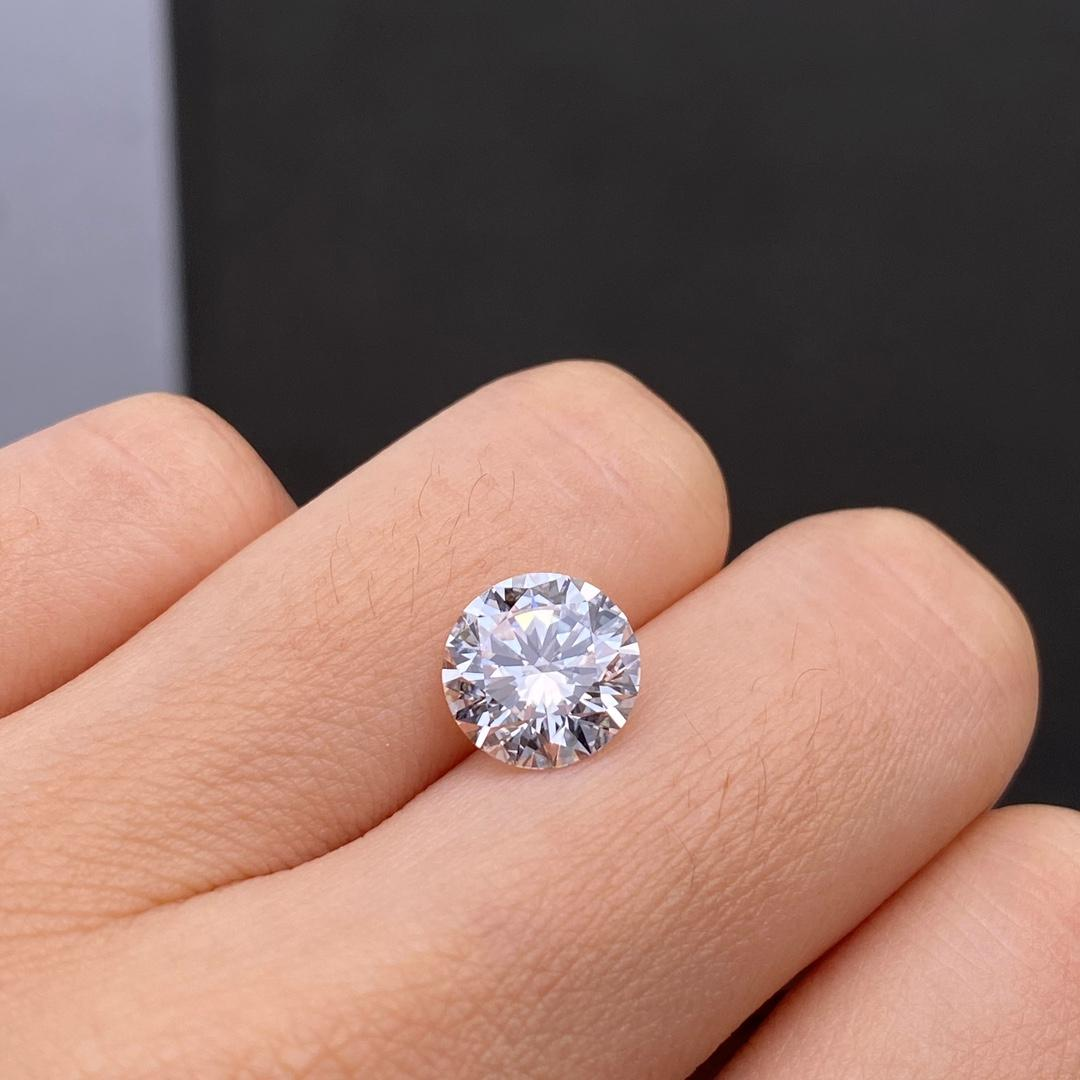
The internationally recognized 4Cs remain the most important criteria for evaluating both natural and lab-grown diamonds.
Cut
Cut quality has the greatest impact on a diamond's brilliance, fire, and sparkle. Excellent or Ideal cuts maximize light performance and visual appeal.
Color
Color grades range from D (colorless) to Z (light yellow or brown). Near-colorless grades such as G–H often provide an excellent balance between beauty and value.
Clarity
Clarity measures internal inclusions and external blemishes. VS and SI clarity grades are among the most popular choices for fine jewelry because they offer excellent appearance at competitive prices.
Carat Weight
Carat refers to the diamond's weight rather than its size. Buyers should balance carat weight with cut quality and overall proportions to achieve the best value.
Choose a Trusted Supplier
Whether purchasing wholesale or retail, selecting a reputable supplier is essential.
Reliable jewelry manufacturers and diamond suppliers provide:
- Transparent product information
- Consistent grading standards
- Ethical sourcing practices
- Stable inventory
- Professional customer support
- Comprehensive after-sales service
For B2B buyers, partnering with experienced suppliers helps ensure product consistency, quality control, and long-term business success.
Always Request Diamond Certification
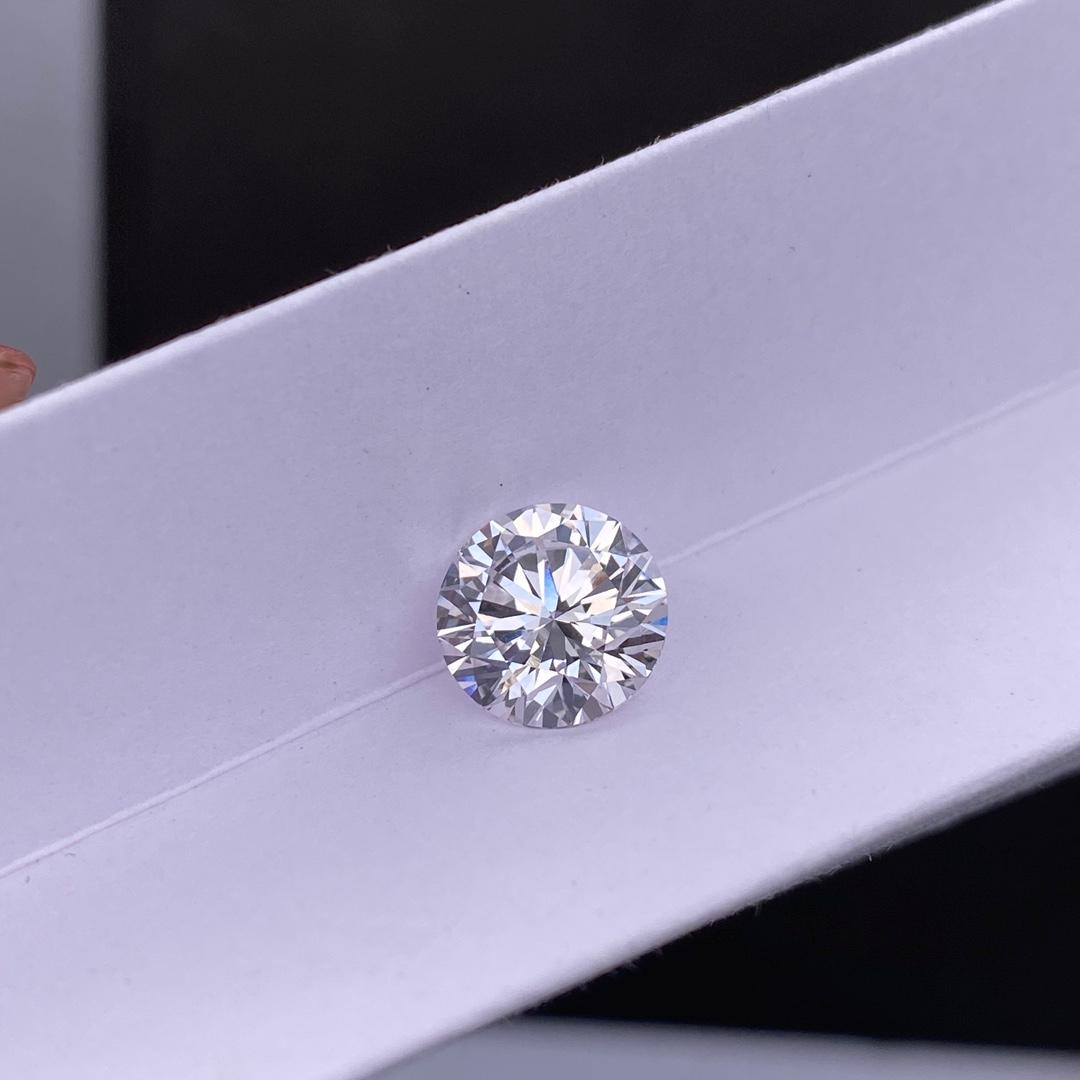
Every high-quality lab-grown diamond should be accompanied by an independent grading report from a respected gemological laboratory.
The most widely recognized certificates include:
- IGI (International Gemological Institute)
- GIA (Gemological Institute of America)
These reports verify important characteristics such as cut, color, clarity, carat weight, growth method (HPHT or CVD), and laser inscription, giving buyers greater confidence and transparency.
Sustainability Is Driving Market Growth
Consumers are increasingly seeking environmentally conscious alternatives in the fine jewelry industry. Lab-grown diamonds support this trend by offering a more sustainable jewelry option while maintaining the beauty and durability expected from genuine diamonds.
For jewelry brands, incorporating lab-grown diamonds into product collections allows businesses to appeal to younger generations who value responsible sourcing, affordability, and modern design.
Final Thoughts
Lab-grown diamonds have transformed today's fine jewelry market by combining exceptional quality, affordability, and sustainability. Whether you're a jewelry wholesaler, retailer, independent designer, or first-time buyer, understanding the 4Cs, choosing certified diamonds, and working with reputable suppliers are the keys to making informed purchasing decisions.
As global demand continues to grow, lab-grown diamonds are expected to play an increasingly important role in the future of fine jewelry, offering outstanding value for both businesses and consumers.


