
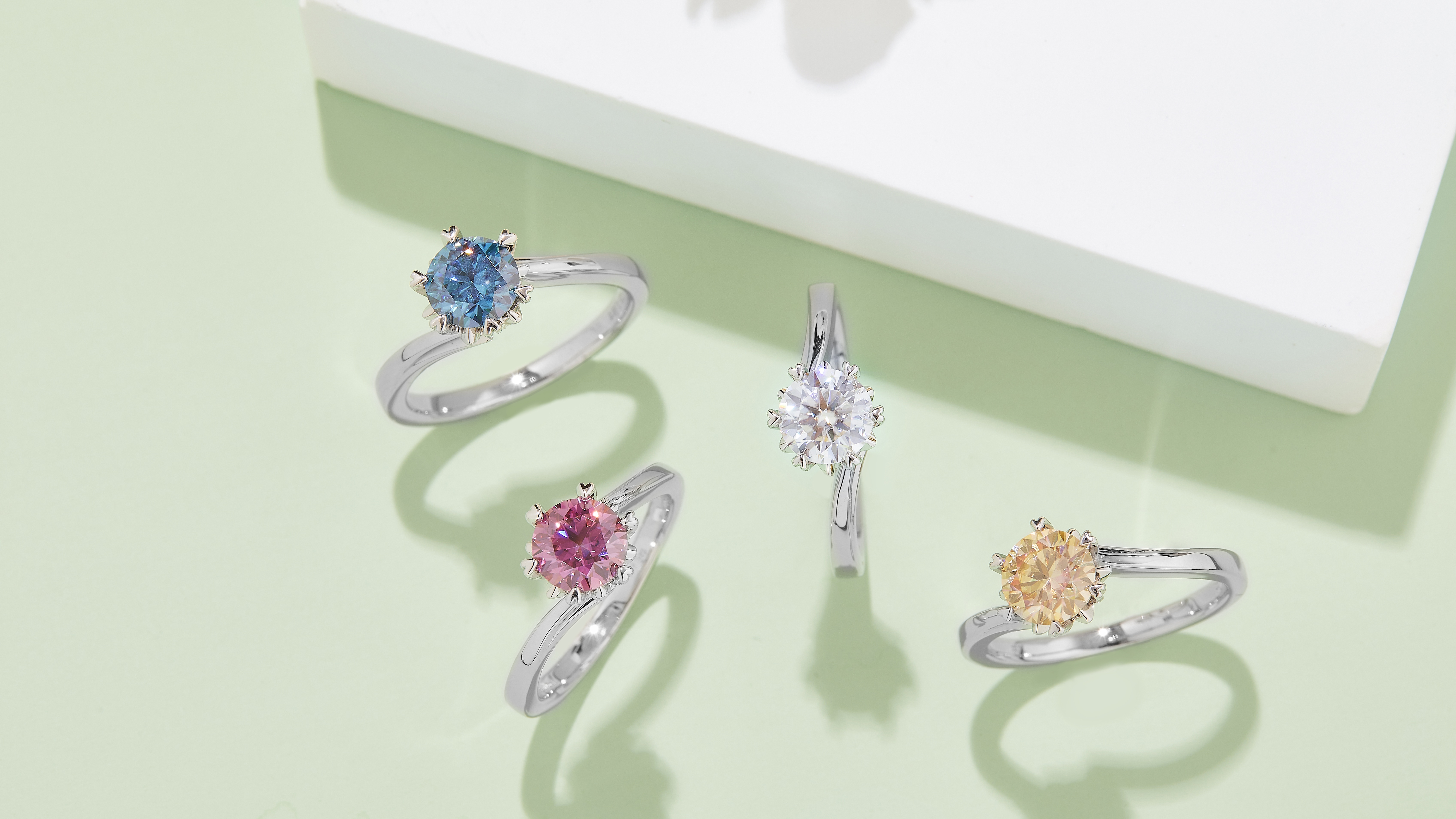
For jewelry brands and retailers, building a moissanite collection is rarely difficult because there are too few products to choose from. The more common problem is the opposite: there are too many.
A supplier may offer hundreds or even thousands of rings, earrings, pendants and bracelets, all in different stone shapes, metal options and price points. It is easy to keep adding designs simply because they look attractive. Over time, however, a retailer may end up managing a large assortment while actual sales remain concentrated in a relatively small number of SKUs.
A strong moissanite jewelry collection should therefore be more than a catalog of unrelated products. Each item should have a clear commercial role. Some products bring first-time buyers into the category. Others generate repeatable everyday sales. Some raise average order value, while a smaller number may exist mainly to strengthen brand identity or serve customers looking for more distinctive pieces.
The most useful question is not, “How many styles should we carry?” It is: Why does this product deserve a place in the collection?
1. Start With the Customer, Not the Supplier Catalog
The first step in assortment planning is understanding who the collection is actually for. A first-time moissanite customer usually needs a product that is easy to understand. A classic round solitaire ring, simple stud earrings or a single-stone pendant can communicate the category quickly without requiring a long explanation. These pieces often work well as entry products because the customer immediately understands how they can be worn and what role they play in a jewelry wardrobe.
A customer who is already familiar with moissanite may be looking for something different. Everyday-jewelry buyers may care more about comfort, proportions and versatility than about the largest possible center stone. Bridal customers may begin comparing oval, emerald, pear or other fancy shapes, while fashion-focused customers may respond more strongly to unusual settings or statement designs.
These buyers are all purchasing moissanite, but they are not buying it for the same reason. That distinction matters because product specifications, photography, pricing and merchandising should reflect the intended customer. A collection built for everyday gifting should not look the same as one built primarily around engagement rings. Before selecting a new SKU, a retailer should be able to answer a simple question: Who is this product for, and what purchasing need does it solve? Once that becomes clear, decisions around stone size, design complexity, metal and price point become much easier.
2. Build Around Core Products Before Expanding the Range
After the target customer is defined, the next step is not to add as many designs as possible. It is to identify the products that can act as the foundation of the collection. For many retailers, familiar and easy-to-understand styles make the most practical core assortment. Round solitaire rings, moissanite stud earrings, single-stone pendants and selected tennis designs can all serve as stable entry points into the category. These products do not need to be the most unusual pieces on the website. Their job is different. They help customers understand the brand's offer and create a dependable base for merchandising, advertising and replenishment.
Once those core products are established, the range can begin to introduce more differentiation. Oval, pear, marquise and emerald shapes change the silhouette of the collection. Hidden halos, split shanks, vintage-inspired details and more distinctive setting structures can introduce stronger design identity. This creates a healthier assortment than simply carrying dozens of similar rings.
In practice, most collections benefit from a mix of three broad product roles: dependable core items, a smaller number of differentiation pieces and a limited group of higher-impact showcase designs. The exact ratio will vary by brand. The important point is that every SKU should have a reason to exist.
3. Build Product Relationships, Not Isolated SKUs
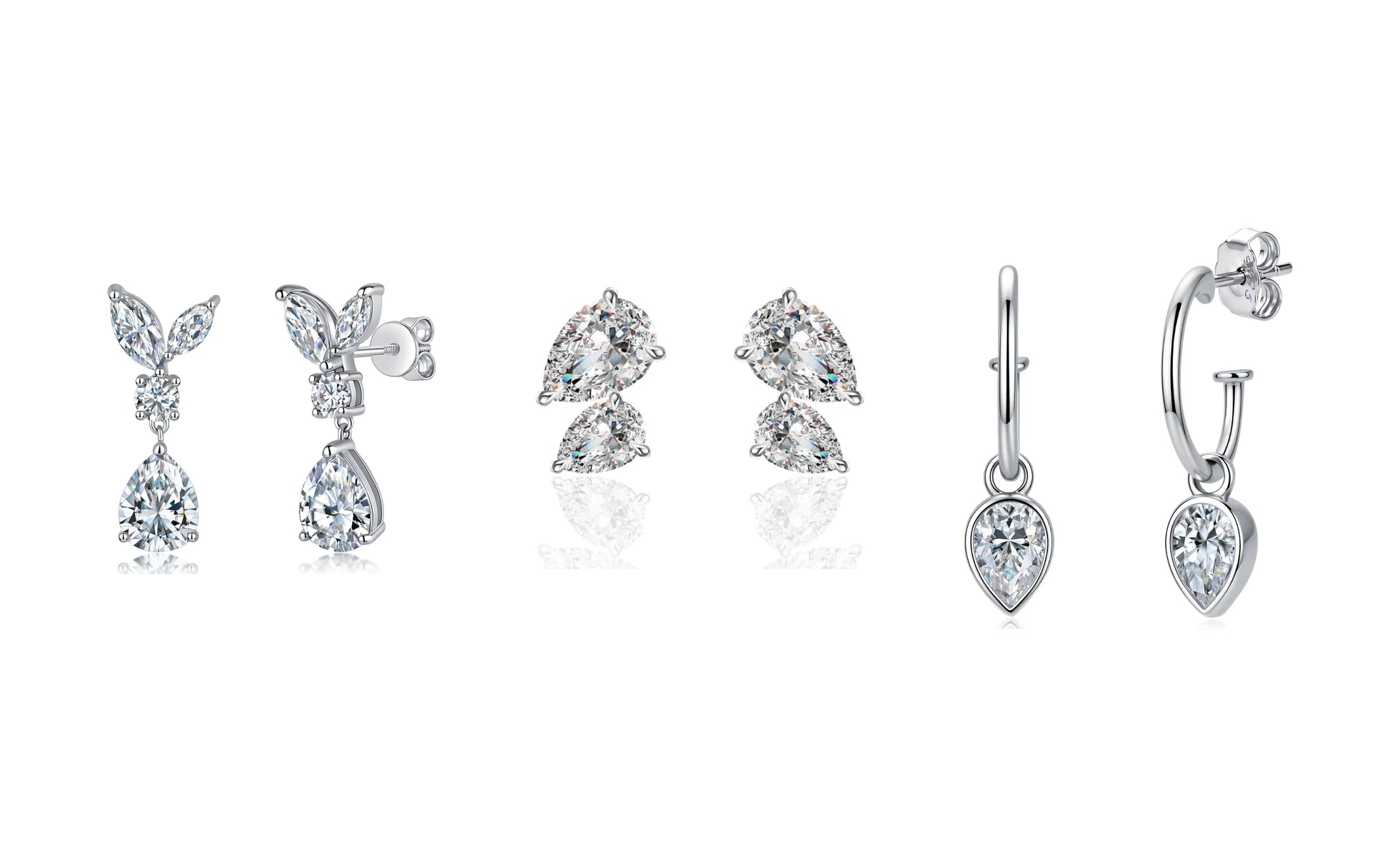
One of the biggest opportunities in jewelry retail is often missed when every item is treated as a standalone product. A customer's relationship with a brand does not necessarily end after the first purchase. Someone who buys classic round moissanite studs may later want a matching pendant. A customer purchasing an oval engagement ring may return for a wedding band. A shopper who develops a preference for a particular stone shape may want to see that same design language across earrings, necklaces and rings.
That means assortment planning should ask more than: “Will this ring sell?” A better question is: If the customer likes this ring, what could they buy next? A round-focused collection, for example, may begin with a solitaire ring and extend naturally into round stud earrings and a simple pendant. An oval bridal story may start with an engagement ring and later expand into a complementary band or pendant.
These relationships make a collection feel intentional rather than assembled. They also create more opportunities for cross-selling, gifting and repeat purchases. Brands looking for a starting assortment can browse the MOSUP Moissanite Collection, which includes multiple product types such as rings, earrings and necklaces that can be evaluated together rather than individually.
4. Use a Product Matrix to Control Assortment Duplication
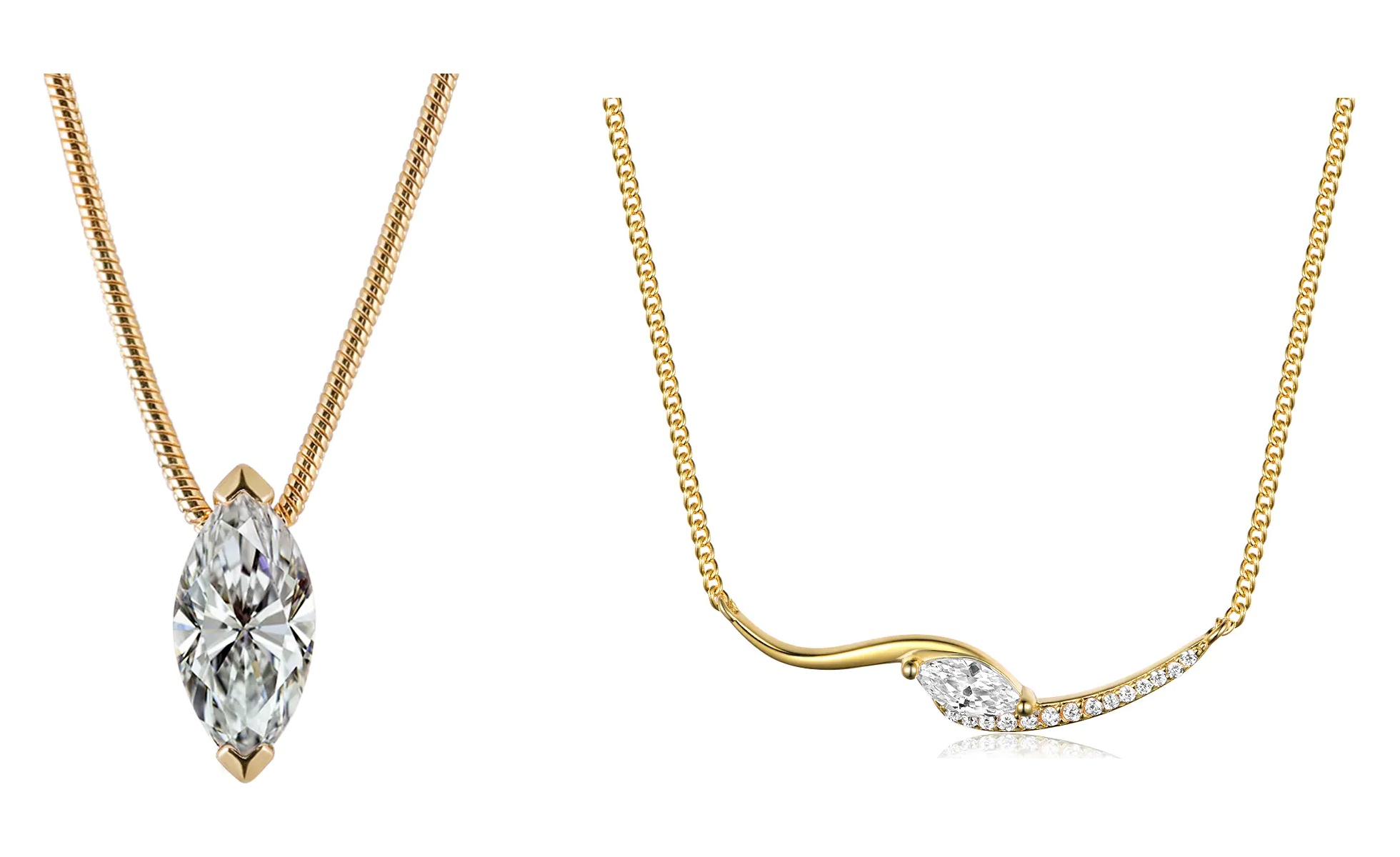
As a jewelry collection grows, another problem begins to appear: duplication. A retailer may discover that it has twelve round rings but only one pair of earrings. Another collection may offer the same design in several metals, colors and stone sizes even though sales are concentrated in only a small number of combinations. The result is more SKUs, but not necessarily more meaningful customer choice.
A simple assortment matrix can help expose this problem.
| Product Role | Stone Shape | Product Type | Commercial Purpose |
|---|---|---|---|
| Core | Round | Ring / Stud / Pendant | Entry products and steady sales |
| Core | Oval | Engagement Ring | Bridal core |
| Differentiation | Pear | Ring / Pendant | Design variation |
| Differentiation | Emerald | Engagement Ring | Modern premium positioning |
| Premium | Large Center Stone | Ring | High-value showcase |
| Add-On | Round / Oval | Earrings / Necklace / Band | Cross-selling |
The purpose of the matrix is not to dictate what every retailer should buy. Its value is that it forces the buyer to identify whether a new SKU fills a genuine assortment gap or simply repeats something already in stock. The same principle applies to metal options. Not every design needs to be produced simultaneously in S925 sterling silver, 10K, 14K and 18K gold. Every additional alloy, finish, stone size or color creates another inventory decision.
Entry products and giftable pieces may need one pricing structure, while bridal or higher-ticket designs may justify different metal options. A more disciplined assortment is usually easier to merchandise, easier to replenish and easier for the customer to understand.
5. Treat the First Order as a Market Test
Once the initial assortment has been selected, the temptation is often to buy deeply because the unit cost appears attractive. That is where inventory risk can begin. A low purchase price does not automatically create a healthy margin if the product sits unsold for months. For a new collection without reliable demand history, the first order is often more valuable as a market test than as an attempt to maximize short-term profit. The goal is to learn.
Which product pages attract sustained interest? Which stone shapes generate qualified questions? Which metal options do customers ask for? Which products move from product-page visits to cart additions and actual orders? Why are certain orders cancelled or returned? These signals are much more useful than social engagement alone. A dramatic large-center-stone ring may attract strong attention on Instagram while a more moderate everyday design produces consistent sales.
The first order helps reveal that difference. That information should shape the second purchase.
6. A Real Collection Is Built Through Reorders
After the first round of testing, products usually begin to separate into clear commercial groups. Some SKUs repeatedly generate inquiries and orders. These are candidates to become core inventory and deserve reliable replenishment. Others attract attention but convert less consistently. Those products may still be worth testing through new photography, pricing, merchandising or product-page positioning before they are removed. A third group may show little commercial response at all. Unless those pieces serve a specific branding or editorial function, there is usually little reason to deepen inventory simply because the design is attractive.
This is where assortment planning becomes more disciplined. Purchasing decisions shift from: “We like this product.” to: “Customers have shown us that this product deserves more inventory.” A healthier buying cycle therefore looks like: Select → Test → Measure → Reorder → Scale Over several cycles, the assortment naturally becomes more focused around real demand.
7. Use ODM After a Product Direction Has Been Validated
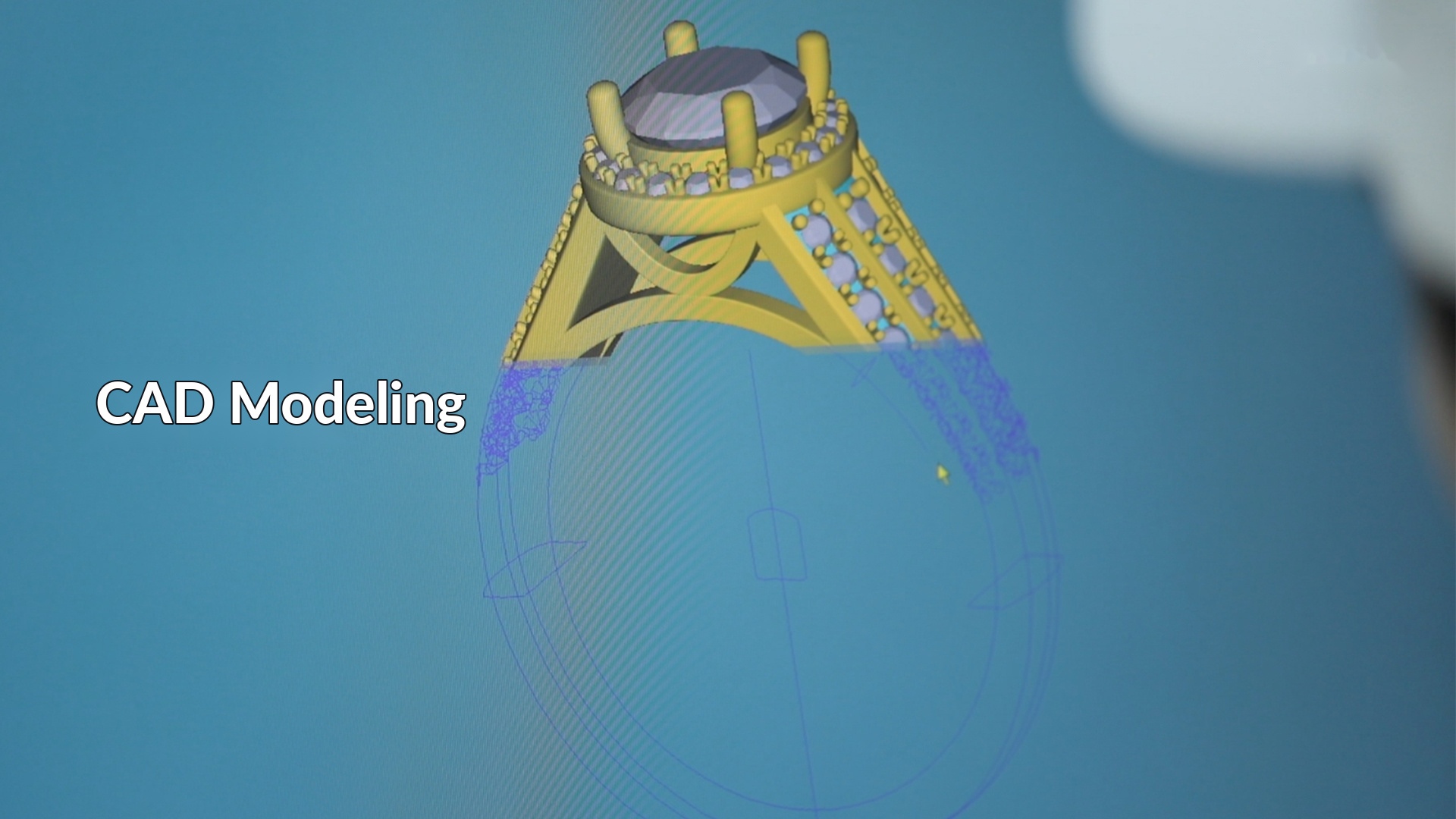
Not every independent jewelry brand needs to begin with a fully original collection. In many cases, a more practical approach is to use existing structures to test product direction first. Imagine that an oval moissanite engagement ring consistently generates inquiries and orders. The brand now has useful evidence that customers respond to oval shapes. The next step is no longer just asking whether customers like oval rings. The more interesting questions become: What would make this design more specific to the brand? Would customers prefer a thinner shank? A different center-stone size? A lower profile? A different metal? A setting that sits more comfortably beside a wedding band?
This is where ODM becomes commercially useful. Instead of customizing a product based entirely on prediction, the brand is modifying a direction that has already shown market potential. MOSUP supports modifications to existing jewelry designs as well as broader product development. Brands that have identified a promising product direction can use the MOSUP Custom Jewelry Service to discuss gemstone, metal, structural, branding and other design adjustments. ODM works best when the customization is solving something the market has already begun to reveal.
8. OEM Should Solve Problems the Market Has Already Identified
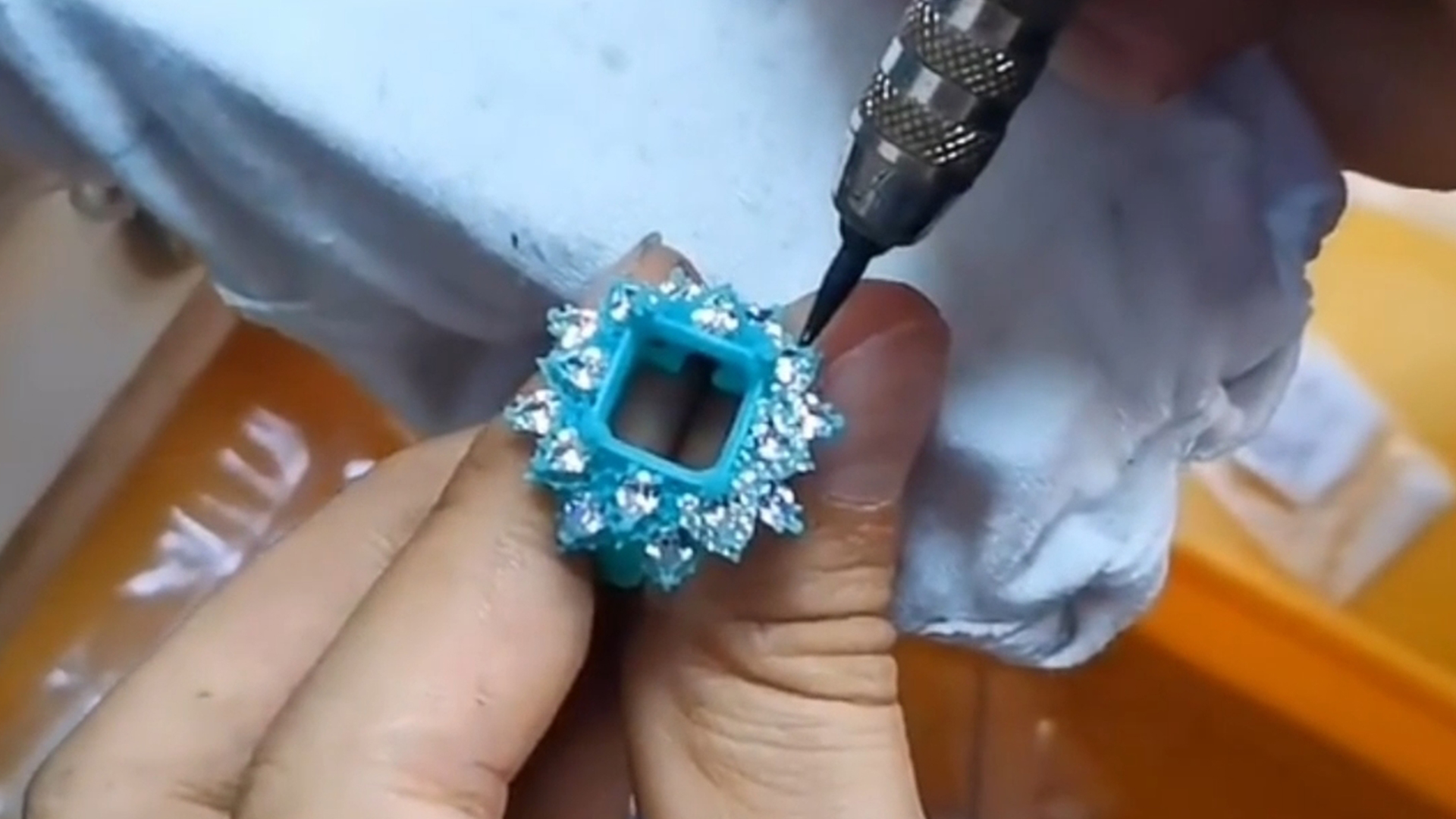
As a brand matures, it may eventually reach the point where existing designs are no longer enough. This is where original OEM development becomes more valuable. The strongest OEM projects are not always the ones created simply to be “different.” They are often the ones that solve specific needs the brand has already discovered through real customers. For example, an oval engagement ring may sell consistently, but buyers may repeatedly request a lower setting, a cleaner side profile or better compatibility with a straight wedding band.
Those requests can become the foundation of a new design brief. The design team is no longer guessing. It is developing a product in response to proven behavior. That is why original design does not necessarily need to be the first stage of building a jewelry collection. For many emerging brands, a more sustainable sequence is to understand demand first, then turn the strongest product signals into a distinctive brand language.
9. Think About the Second Order During the First Purchase
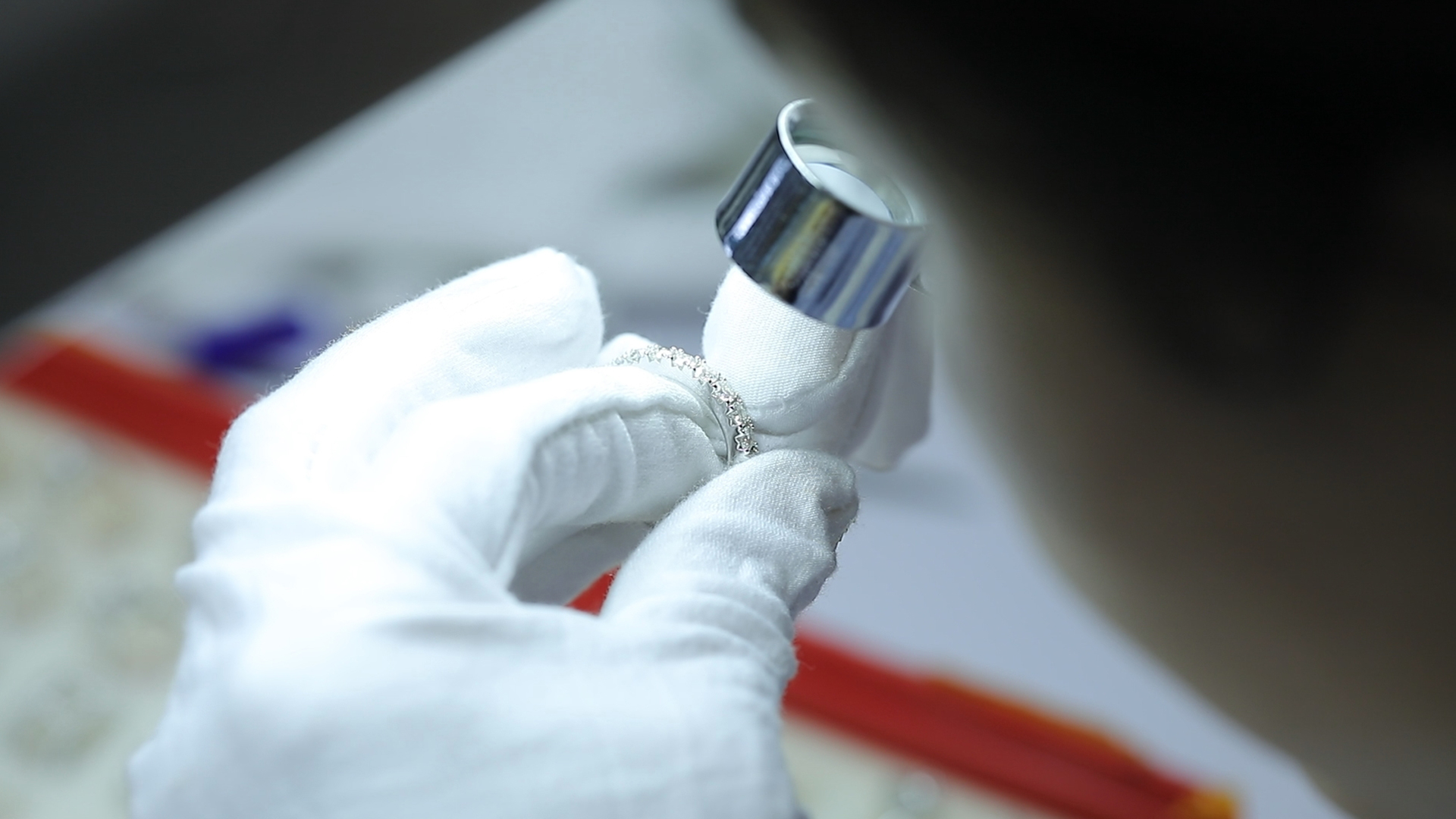
Retail buyers often spend a great deal of time negotiating the first order and much less time asking what happens if the product becomes successful. But a successful SKU eventually creates a replenishment problem. If a ring begins selling quickly and the next production batch uses noticeably different stone proportions, metal color or construction, the retailer may need to update product photography, revise descriptions or explain variation to customers. That makes replenishment capability part of the original purchasing decision.
For core products, buyers should think about whether similar stone specifications can remain available, whether metal and finish can be reproduced consistently, how product revisions are documented and whether a later order may require another sample. A supplier's value is not only demonstrated by delivering the first order. For a retailer, it becomes even more important when the product sells and needs to be reordered.
10. Let the Collection Expand With the Business
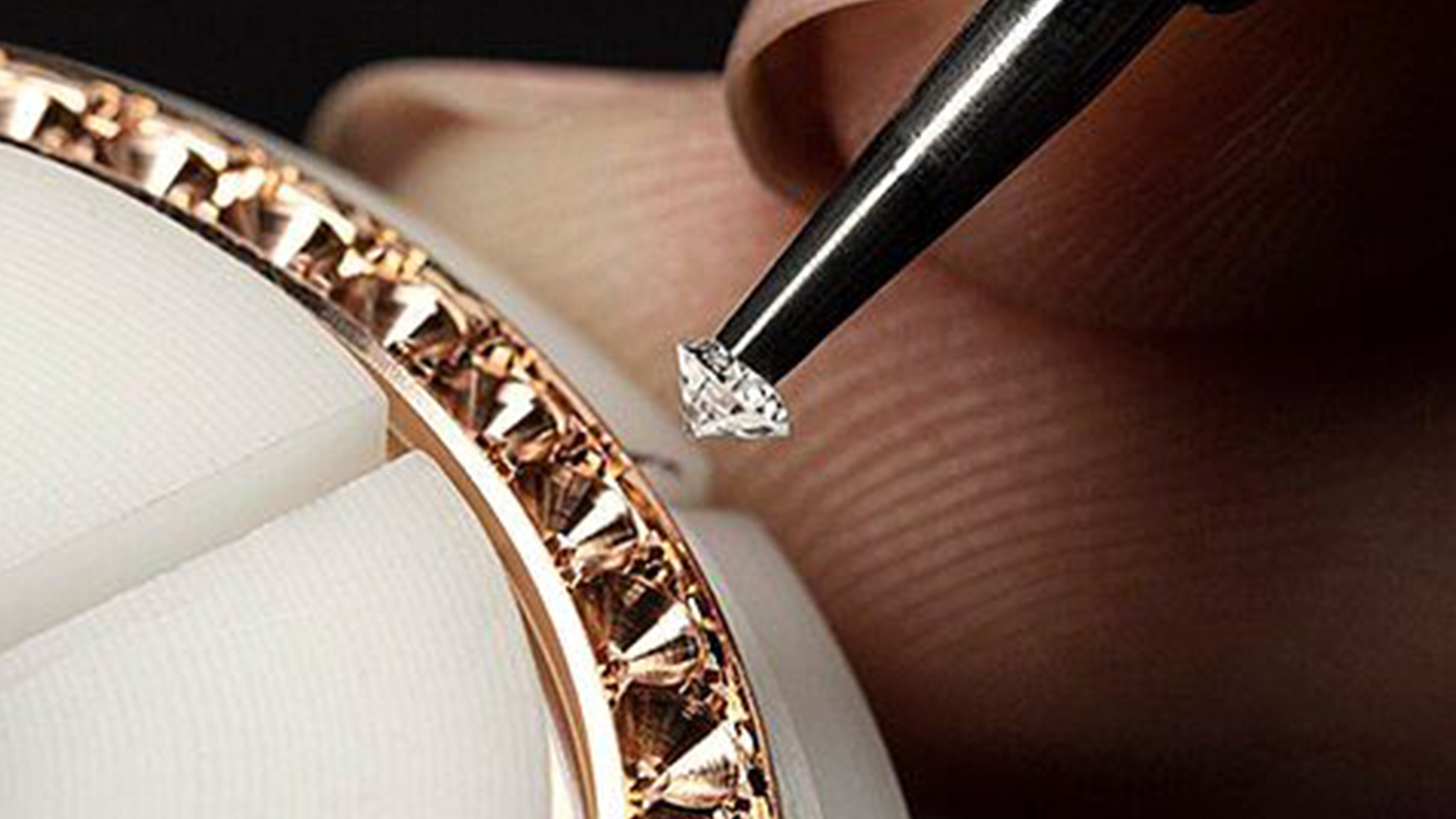
For brands entering the moissanite category, ready-stock products can provide a practical place to begin. MOSUP's current assortment covers multiple categories, including rings, earrings and necklaces, allowing buyers to test different product roles before committing to a fully custom collection. As real sales and customer feedback begin to accumulate, product development can become progressively deeper. Strong ready-stock products may simply be reordered. Products that need more differentiation can move into ODM. Once the brand has a clearer understanding of customer preferences, price points and design language, selected products can move into OEM development.
This approach allows the product range to grow alongside the business rather than requiring the retailer to predict the entire future collection before the first order is placed. Brands planning an initial moissanite assortment can also contact MOSUP with their target market, product categories, materials, reference designs and estimated quantities. The more specific the project brief, the easier it is to discuss a commercially relevant assortment rather than simply asking for the lowest available price.
11. Frequently Asked Questions
How Many SKUs Should a New Moissanite Brand Start With?
There is no universal number. A smaller assortment with clearly defined product roles is often more useful than a large group of similar designs. A starting collection may include a few entry products, one or two core ring directions, selected differentiation pieces and complementary earrings or necklaces. The range can then expand according to real sales.
Does a Moissanite Collection Need to Focus on Rings?
Not necessarily. For bridal-focused brands, rings may naturally dominate the assortment. For everyday jewelry, gifting or ecommerce-driven businesses, earrings and necklaces can be equally important because they are easier to purchase without sizing concerns. The product mix should follow the customer rather than the supplier catalog.
When Does ODM Make Sense?
ODM is especially useful when an existing product direction has already shown demand, but the brand wants to modify elements such as stone size, metal, setting structure, finish or branding. At that stage, customization is based on evidence rather than guesswork.
When Should a Brand Move Into OEM Development?
OEM becomes more valuable once a brand has a clearer view of its best-selling categories, target customer, price positioning and design language. Original development can then address specific needs already identified through sales and customer feedback.
12. A Strong Collection Is Not the One With the Most SKUs
A healthy moissanite assortment does not simply become larger over time. As market data accumulates, some SKUs become long-term core products, some are removed, and others evolve into more differentiated or fully original designs. That is the normal process of assortment development. The retailer begins by using existing products to understand the customer. Sales then determine what deserves replenishment. Complementary products make the collection more complete. Proven demand eventually informs ODM and OEM development.
The result is not just a bigger product catalog. It is a more intelligent commercial system. A strong jewelry collection is one that customers can understand, sales teams can explain, buyers can manage and suppliers can replenish. That is what makes the assortment scalable.


