
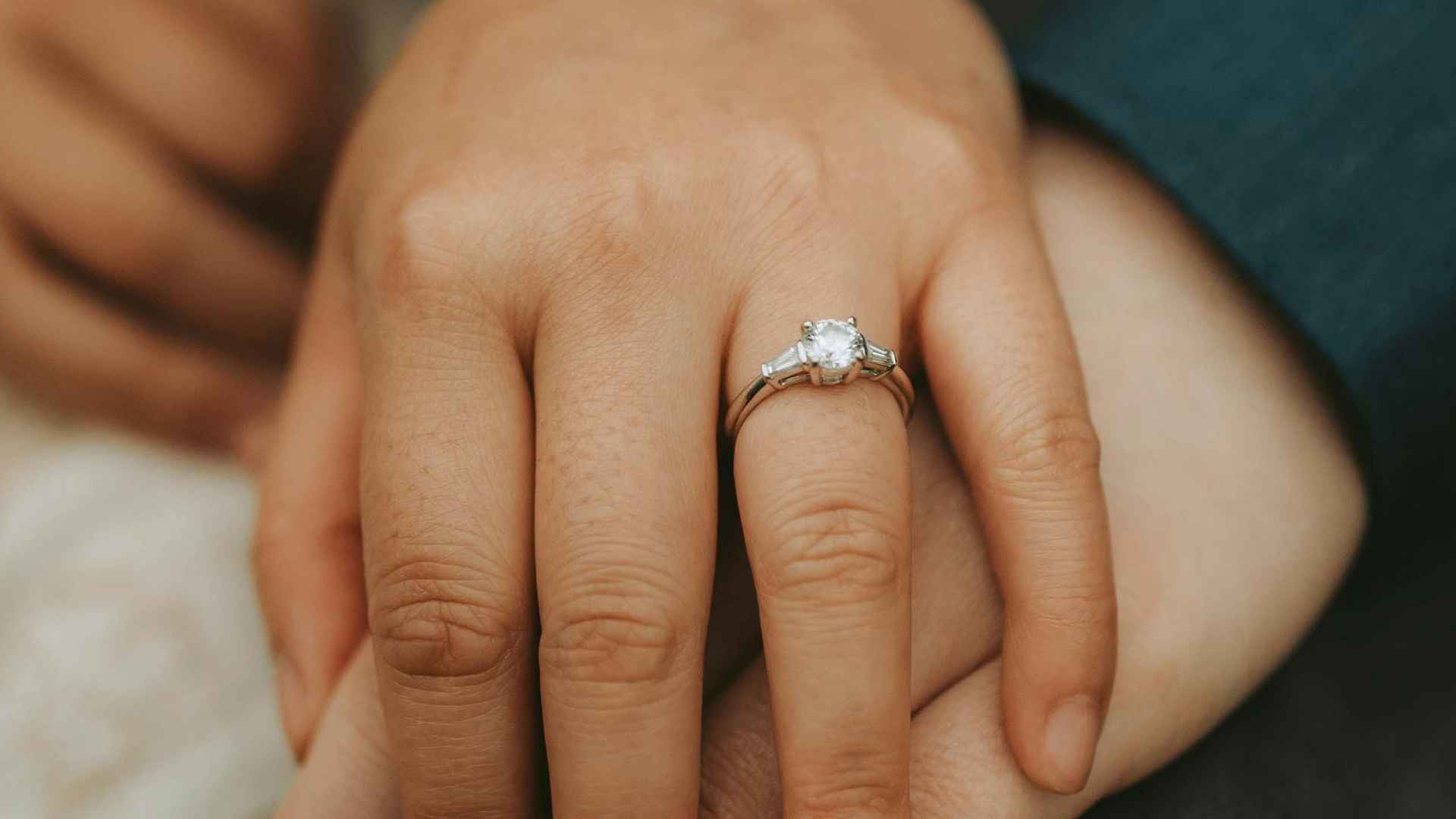
Choosing a moissanite engagement ring is not simply a matter of selecting the largest center stone within your budget. A ring that looks impressive in a close-up product photo may feel very different once it is worn every day. Stone shape, face-up dimensions, setting height, band proportions and metal all affect how the ring looks on the hand, how comfortable it feels and how practical it is to maintain. For buyers comparing several designs — and for jewelry retailers helping customers make a better decision — the most useful approach is to evaluate the ring as a complete piece of jewelry rather than focusing on carat equivalent alone.
1. Start With How the Ring Will Actually Be Worn
Before comparing stone shapes or sizes, think about the wearer's daily routine. An engagement ring may be worn while typing, traveling, putting on gloves, carrying bags or working with the hands throughout the day. These activities can make setting height and exposed edges more important than they appear in product photography. A high-profile setting can create a more elevated appearance and may leave more room for a straight wedding band to sit underneath the center setting.
The trade-off is that a taller ring may catch more easily on clothing or gloves. A lower-profile setting generally keeps the center stone closer to the finger and can feel more compact during everyday wear. However, depending on the basket or gallery design, a straight wedding band may not sit completely flush beside it. Neither option is automatically better. The practical question is whether the ring's structure matches the wearer's lifestyle and how the engagement ring is expected to pair with a future wedding band.
2. Choose the Stone Shape for Proportion, Not Just Popularity
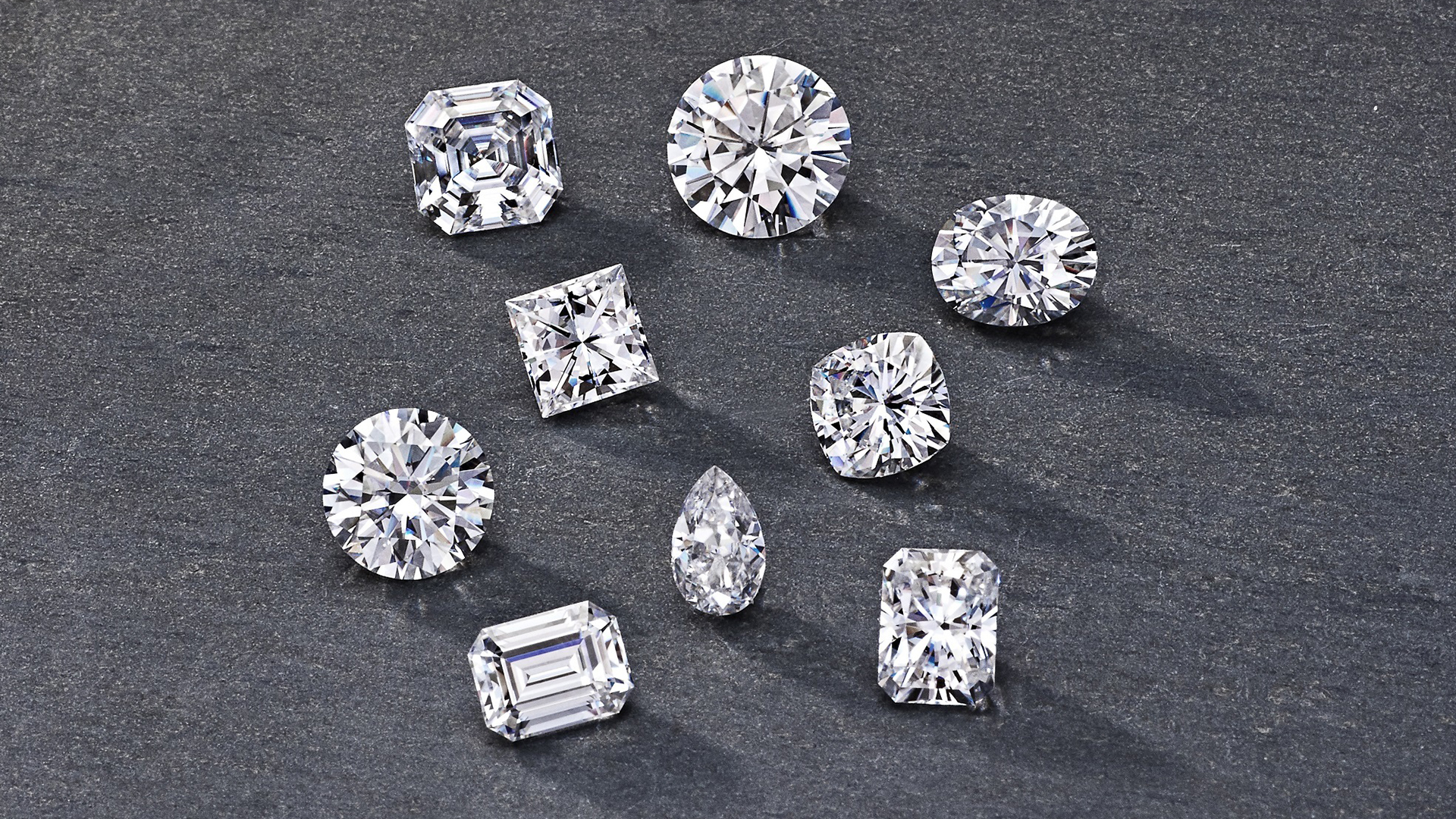
Stone shape has one of the strongest effects on the visual character of an engagement ring. A round brilliant offers a balanced, symmetrical appearance and remains one of the most recognizable engagement-ring styles. Because of its proportions, it works well across solitaire, halo and pavé designs. Elongated shapes such as oval, pear and marquise create a different visual effect. Their length can extend the appearance of the stone across the finger and often makes the overall design feel more elongated. A cushion cut generally creates a softer, broader outline, while a radiant cut combines a more geometric profile with brilliant-style faceting.
An emerald cut produces a distinctly different appearance. Its step-cut facet structure creates broader, more linear flashes rather than the smaller, more fragmented sparkle associated with many brilliant cuts. Shape, however, should not be confused with cut quality. Two oval moissanites can share similar dimensions and still look different because of their symmetry, facet arrangement and overall proportions. Once a preferred shape has been selected, the stone itself should still be evaluated rather than assuming every stone of that shape will perform identically.
3. Compare Millimeter Dimensions Instead of Relying Only on Carat Equivalent
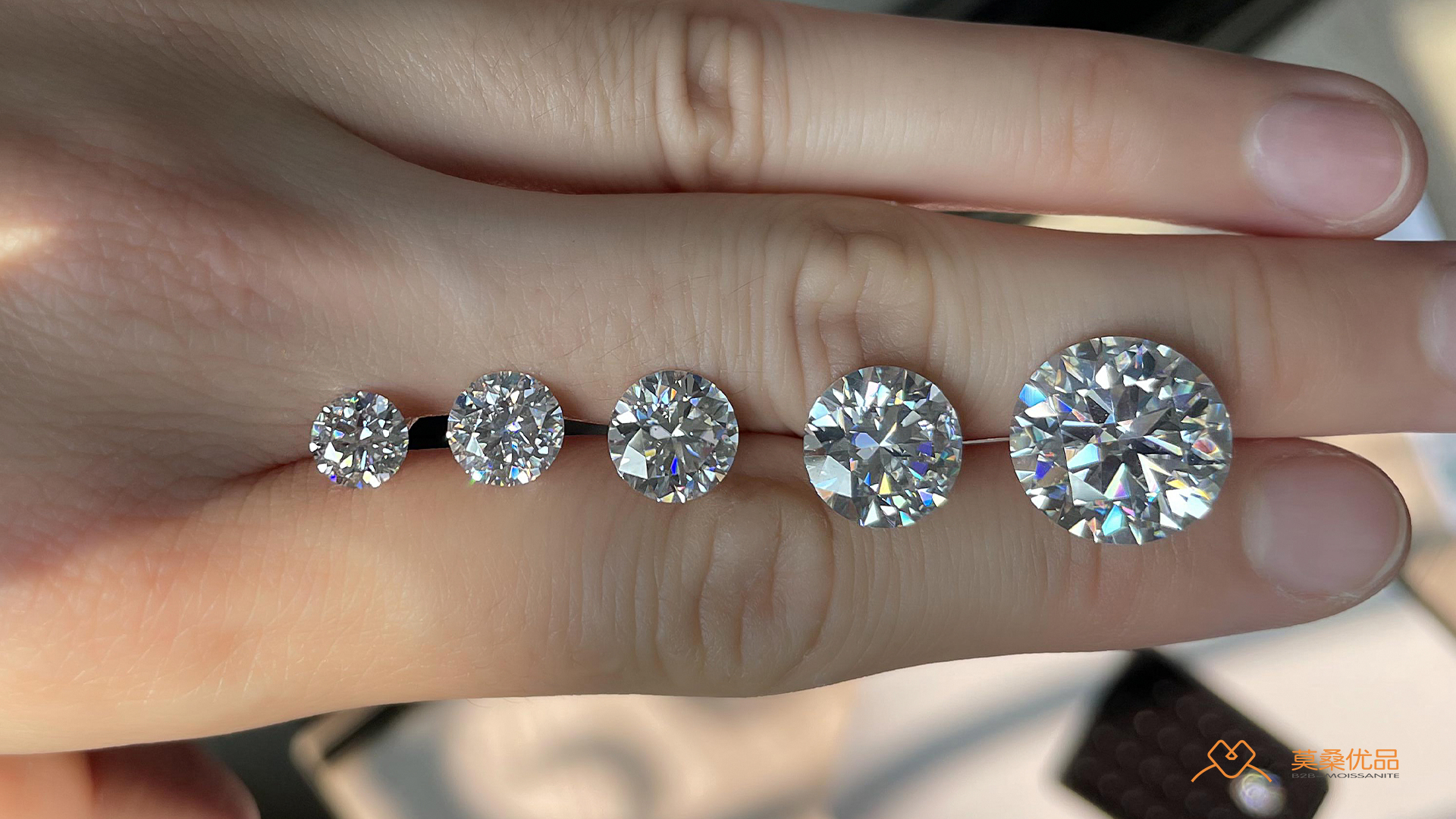
One of the most useful specifications when comparing moissanite is the actual measurement of the stone. Carat is a unit of weight. What the wearer sees from the top is the stone's face-up size. Moissanite and diamond do not have identical density, and different stone shapes distribute their weight differently. For this reason, a carat-equivalent description can be useful for general comparison, but it should not replace actual dimensions. For an elongated stone, record:
Length × Width × Depth rather than relying on one number. For example, two oval stones may be marketed within a similar size category but have noticeably different length-to-width proportions. One may appear narrow and elongated, while another looks wider and more rounded on the finger. The same issue applies to pear, marquise, emerald and radiant cuts. For buyers comparing several rings online, millimeter dimensions provide a much more useful basis for understanding how much visible space the stone will occupy.
4. Match the Setting to Protection, Appearance and Maintenance
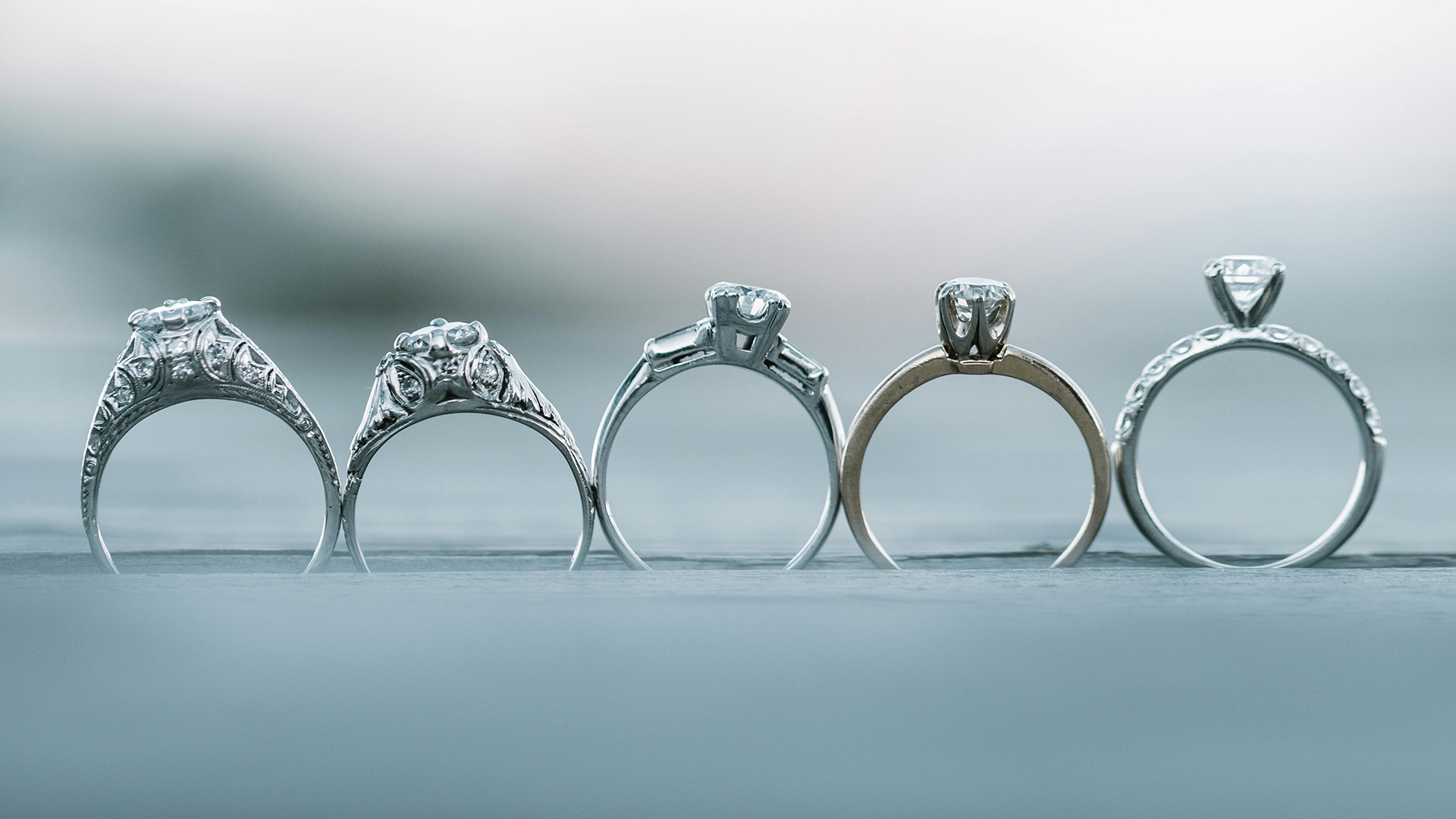
The setting does more than hold the center stone in place. It determines how much of the stone is exposed, how high the ring sits and what kind of ongoing maintenance may be required.
4.1 Prong Settings
Prong settings expose more of the stone and are widely used for solitaire engagement rings. A well-executed prong setting should hold the stone securely without creating unnecessary bulk around it. During regular wear, the prongs should be checked periodically, especially if the ring is frequently exposed to impact or snagging. For pointed shapes such as pear and marquise, the vulnerable tip deserves particular attention. A protective prong or V-shaped structure is often used to reduce direct exposure.
4.2 Bezel Settings
A bezel setting surrounds more of the stone's edge with metal. This creates a clean, structured appearance and provides additional edge coverage. The visual trade-off is that more metal is visible around the stone compared with a traditional prong setting. For someone prioritizing a compact silhouette and greater edge protection, a bezel can be worth considering.
4.3 Halo and Pavé Settings
Halo designs increase the overall visual width around the center stone, while pavé bands add additional sparkle along the shank. These designs can create a more detailed appearance, but they also introduce more small stones and more setting points.
That means there are more areas to inspect and maintain over time. The correct setting therefore depends not only on aesthetics, but also on the wearer's tolerance for maintenance and the level of detail expected from the ring.
5. Balance Center-Stone Size With Band Width
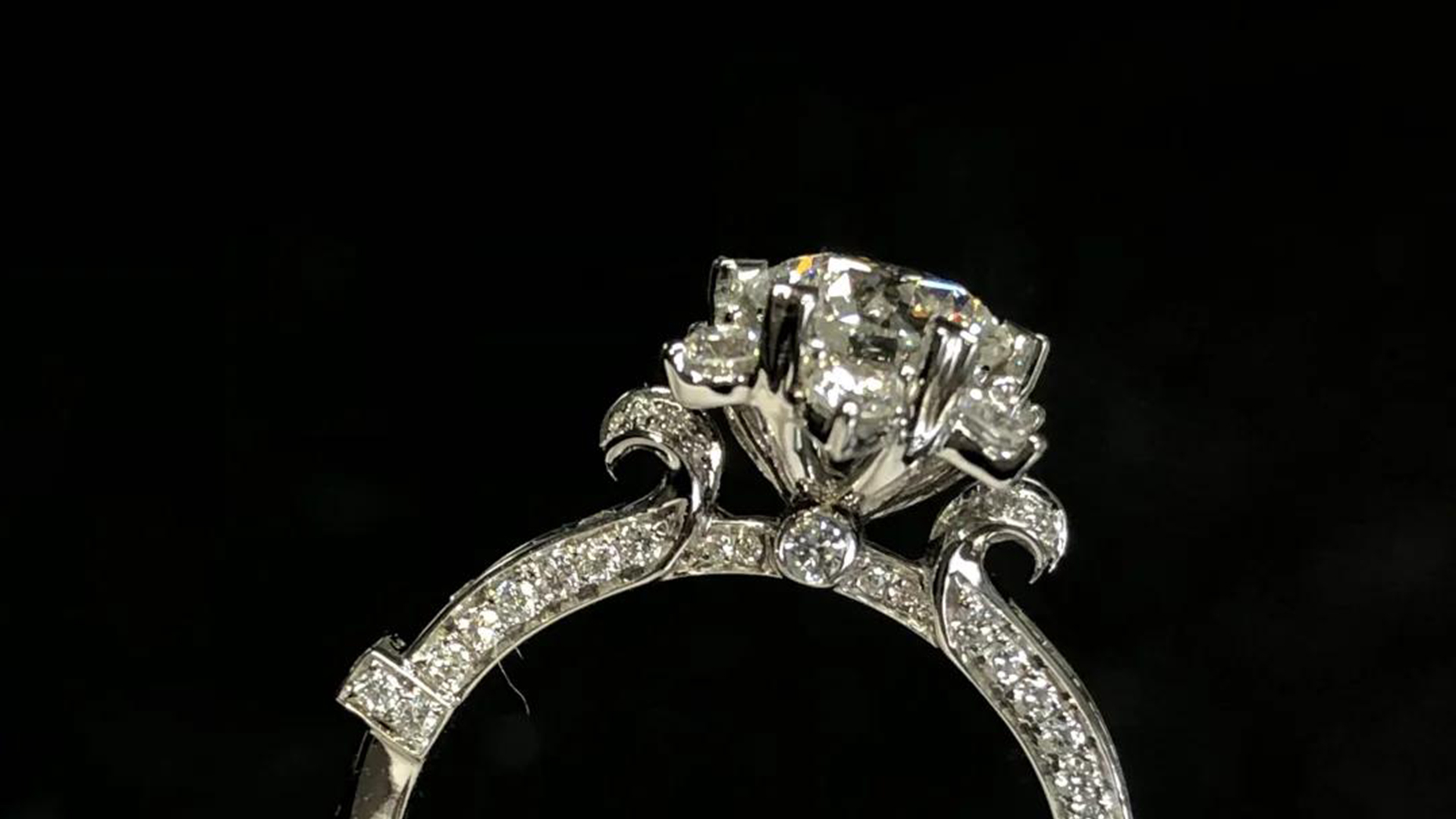
A center stone never exists visually in isolation. The width and thickness of the band change how large the stone appears and how substantial the complete ring feels. A narrower band can create stronger contrast with the center stone, sometimes making the stone appear visually larger. A wider band creates a more substantial frame and may make the overall ring feel heavier or more architectural. Neither proportion is inherently better. What matters is balance.
A very large center stone on an extremely thin band may create an elegant appearance from the top, but the complete structure should still be evaluated for stability and wearability. If pavé stones are added to the band, the ring gains additional brilliance but also additional setting points that need to remain secure. Comfort is another factor. A wider band can sometimes feel tighter than a narrow band in the same nominal ring size. The inside profile — flat, rounded or comfort-fit — also affects how the ring feels during extended wear.
6. Choose the Metal for Both Design and Long-Term Maintenance
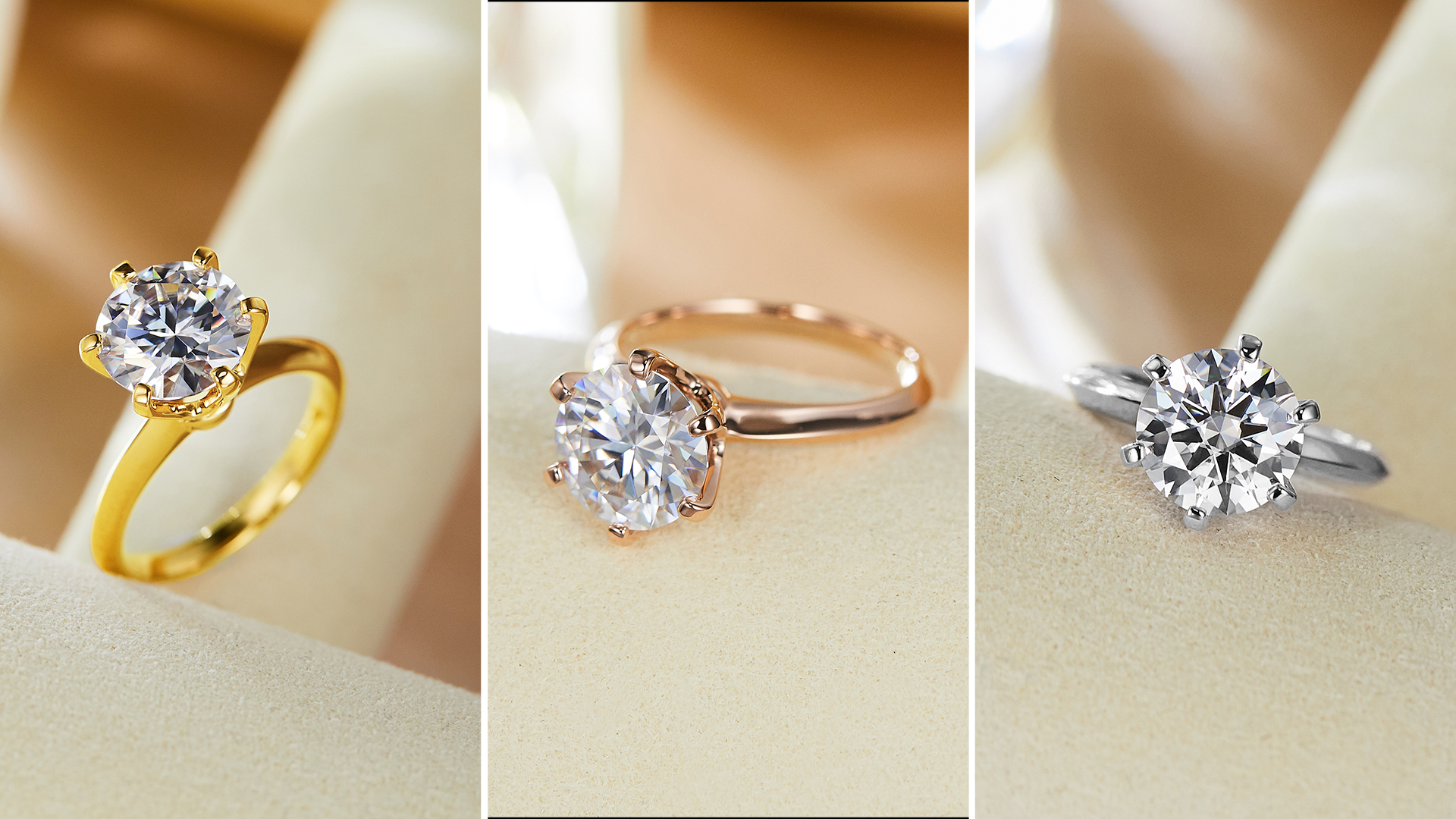
Metal color and metal composition are not the same thing. A customer may prefer a white, yellow or rose appearance, but the underlying alloy and surface treatment should still be confirmed separately. When comparing rings, ask what the base metal actually is: S925 sterling silver, 10K gold, 14K gold, 18K gold or platinum, depending on the product. Then confirm whether the surface has any additional plating or finish.
This matters because different metals occupy different price positions and can have different maintenance requirements over time. A white-colored ring, for example, should not automatically be described simply as “white gold” unless the underlying material is actually a gold alloy. For retailers, accurate material descriptions are also important because metal choice directly affects product cost, positioning and the expectations of the end customer.
7. Think About the Engagement Ring and Wedding Band Together
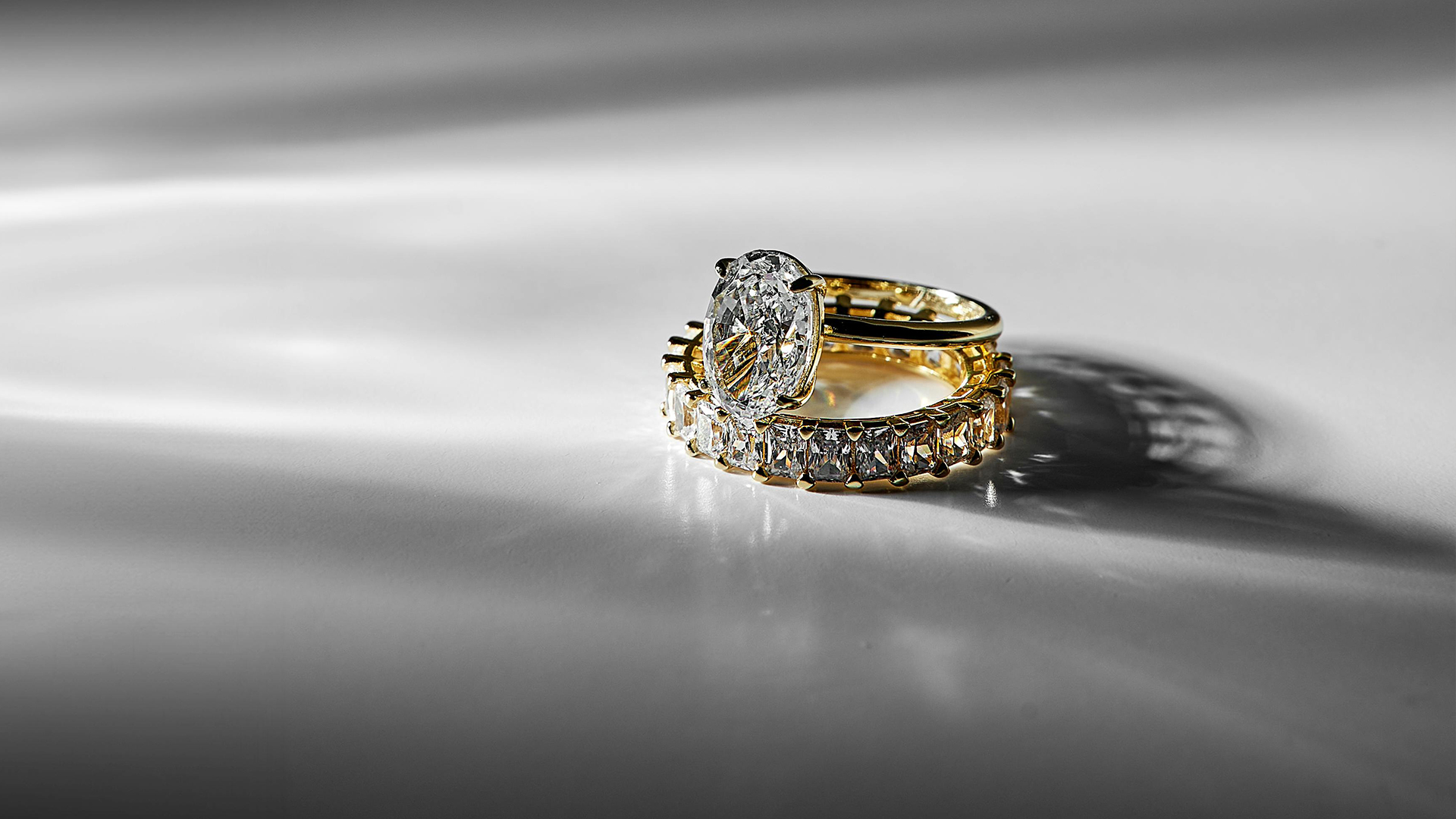
Many buyers choose an engagement ring first and only think about the wedding band later. That can create unnecessary limitations. A low basket, decorative gallery, large halo or protruding side structure may prevent a straight wedding band from sitting directly against the engagement ring. That is not automatically a design flaw. Some customers prefer a perfectly flush bridal set, while others like a small intentional gap between the two rings.
The important point is to understand the side profile before purchasing. If a flush wedding band is a priority, look at the ring from the side and confirm whether there is enough clearance underneath or beside the center setting. This is much more reliable than judging compatibility from a top-view image alone.
8. Use a Comparison Table Before Making the Final Decision
When three rings all look attractive, comparing them from memory can be surprisingly difficult. A simple specification table helps separate design preference from practical considerations.
| Feature | Ring A | Ring B | Ring C |
| Stone Shape | |||
| Length × Width × Depth | |||
| Setting Type | |||
| Setting Height | |||
| Band Width | |||
| Band Thickness | |||
| Metal | |||
| Pavé / Side Stones | |||
| Wedding Band Compatibility | |||
| Resizing Policy | |||
| After-Sales Support |
This type of comparison is especially useful when shopping online. Instead of allowing one dramatic product image or promotional price to make the decision, the buyer can compare the details that affect everyday wear.
9. What Jewelry Retailers Should Consider When Selecting Moissanite Engagement Rings
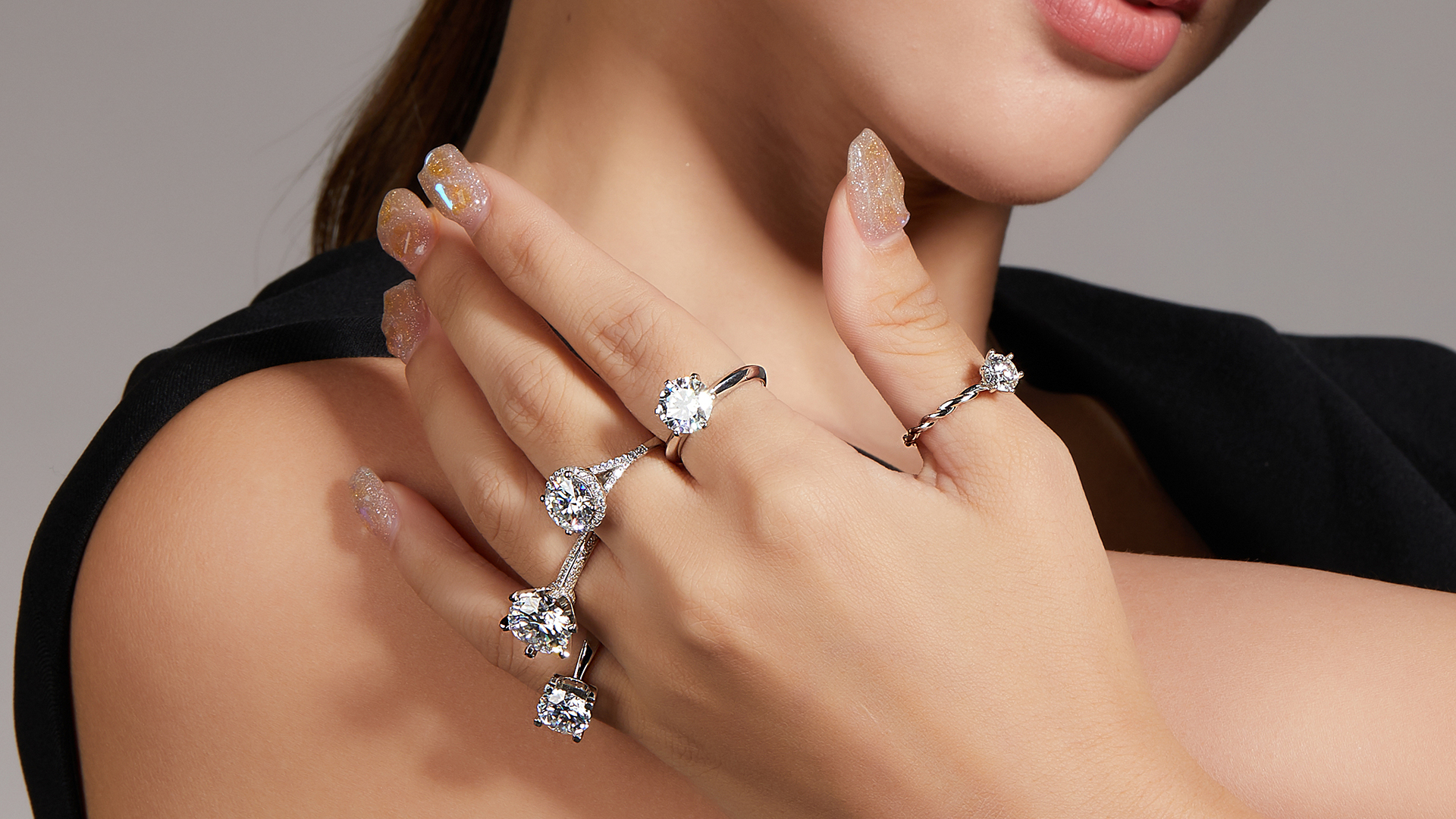
For jewelry retailers and brands, the same principles apply at assortment level. A strong moissanite engagement-ring collection does not need to contain every possible shape, stone size and setting. It should offer enough variation to serve different customer priorities. A practical assortment might include a classic round solitaire, an elongated oval or pear design, a lower-profile option for customers who prioritize everyday wear, and one more detailed halo or pavé design for buyers who want additional visual impact. Stone dimensions, setting height and metal should be documented clearly so sales staff can explain the differences rather than relying only on appearance.
For brands sourcing products from MOSUP, existing moissanite styles can also provide a starting point for testing different silhouettes before moving into deeper customization. Depending on the project, existing designs can be modified through ODM, while original concepts can move into OEM development from a reference image, design drawing, CAD file or physical sample. This allows retailers to test customer preferences before developing a larger collection around the shapes and proportions that actually perform well in their market.
10. Frequently Asked Questions
10.1 What Is the Best Center-Stone Size for a Moissanite Engagement Ring?
There is no universal ideal size. The best choice depends on face-up millimeter dimensions, finger width, setting height, band proportions, lifestyle and budget. Rather than choosing only by carat equivalent, compare the actual length and width of the stone on the hand.
10.2 Is a Four-Prong or Six-Prong Setting Better?
Both can securely hold a center stone when the setting is properly designed and executed. Four prongs expose more of the stone, while six prongs provide additional contact points around a round center stone. The quality and condition of the setting matter more than the prong count alone.
10.3 Does an Engagement Ring Have to Sit Flush With the Wedding Band?
No. A flush fit, a small gap or an intentionally spaced bridal set can all be valid design choices. If a flush fit is important, check the side profile of the engagement ring and confirm the clearance around the center setting before purchasing.
11. Choose the Whole Ring, Not Just the Center Stone
A good moissanite engagement ring is not defined by one specification. The center stone may attract attention first, but long-term satisfaction depends on how shape, size, setting, band proportions, metal and lifestyle work together. For buyers, comparing millimeter dimensions and side profiles can be more useful than focusing only on carat-equivalent size. For jewelry brands and retailers, the same principle applies when building an assortment: select products that solve different customer needs instead of simply offering progressively larger stones.
The most useful question is therefore not: “Which moissanite looks biggest?” It is: “Which complete ring design will look right, feel comfortable and work for the way it will actually be worn?”


