
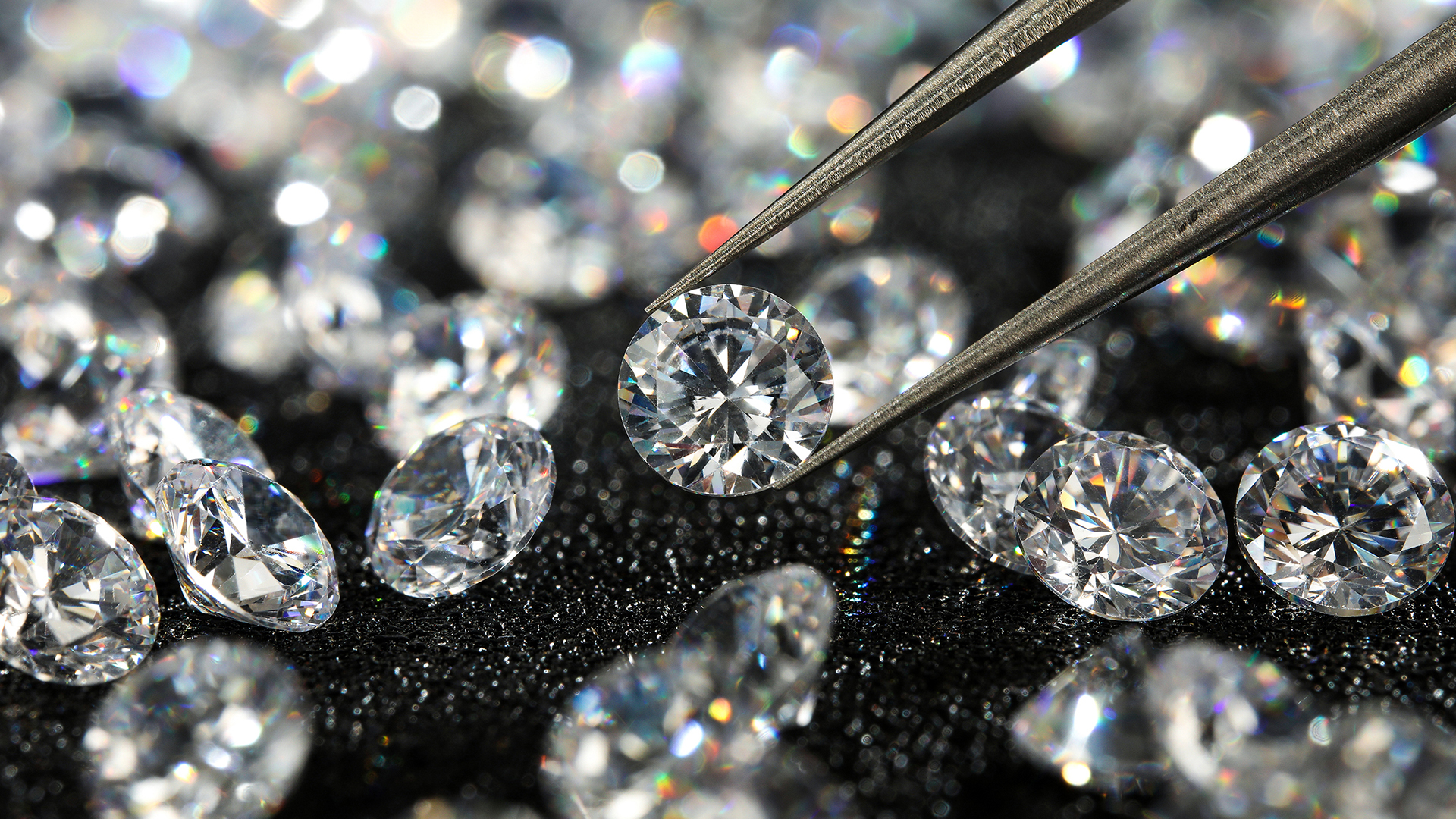
For jewelry brands, retailers and wholesale buyers, “high-quality moissanite” should mean more than labels such as 5A, D Color, VVS or Excellent.
Once a product moves from a single sample into repeat orders, the questions become much more practical. Are the center-stone dimensions consistent? Does the next batch look reasonably close to the approved sample? Are the settings secure? Are the metal, polish, plating, ring size and packaging correct? Can the supplier maintain similar standards when the product is reordered?In B2B sourcing, moissanite quality is therefore better understood as a set of product specifications that can be inspected, recorded and repeated rather than as a marketing phrase.
MOSUP currently supplies ready-stock moissanite jewelry and supports sample orders, OEM and ODM development. For each SKU, gemstone specifications, metal, certificate requirements, packaging, samples and customization details should still be confirmed in the quotation and order documentation. The most effective way to reduce sourcing risk is to turn the phrase “high quality” into specifications that both buyer and supplier can understand and inspect.
1. Confirm What the Gemstone Actually Is Before Evaluating Quality
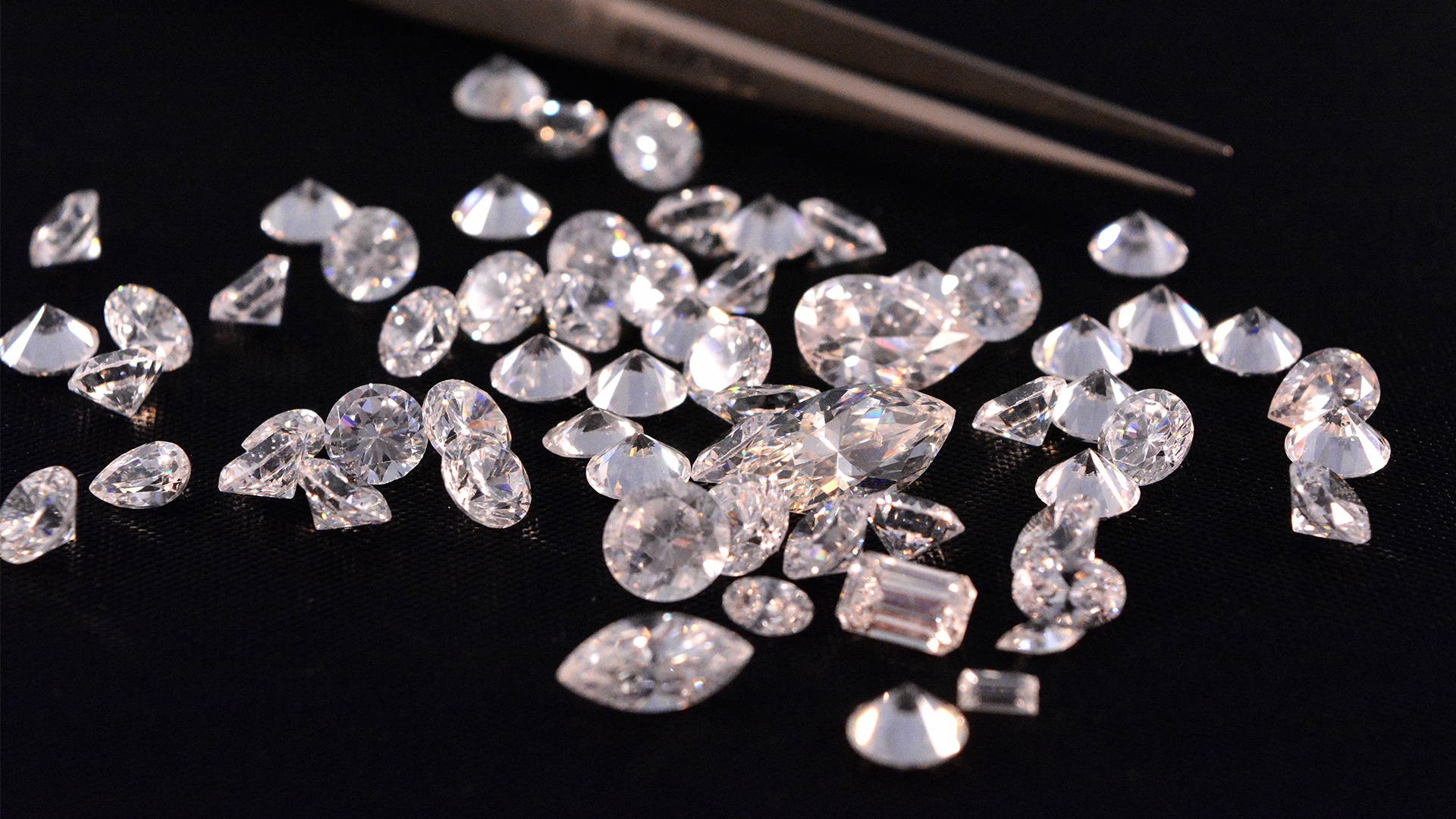
Moissanite and laboratory-grown diamond are not the same gem material.
Modern jewelry moissanite is primarily synthetic silicon carbide, or SiC, while a laboratory-grown diamond has the crystal structure and chemical composition of diamond. Although both can produce a transparent, diamond-like appearance, they differ in composition, optical properties, testing methods and commercial positioning. The first step in any purchase order, quotation or product description should therefore be to identify the gemstone correctly. Moissanite should not be described as a “lab-grown diamond,” and laboratory-grown diamond should not be used interchangeably with moissanite.
For a consumer, this may look like a simple naming issue. For a wholesale buyer, however, gemstone identity affects cost, certification, inventory records, staff training and the final retail product description. If a brand sells both moissanite and laboratory-grown diamond jewelry, the two categories should be separated clearly at SKU level from the beginning.
Why Does Correct Gemstone Identification Matter in Purchasing?
If a white center-stone ring is not clearly identified as either moissanite or laboratory-grown diamond during sourcing, mistakes can occur later in quotation comparison, certificate requests, product listing and customer service. Professional sourcing starts with accurate material identification, not with the assumption that visually similar stones can be treated as the same product.
2. 3A, 5A and D/VVS Descriptions Do Not Replace a Complete Quality Specification
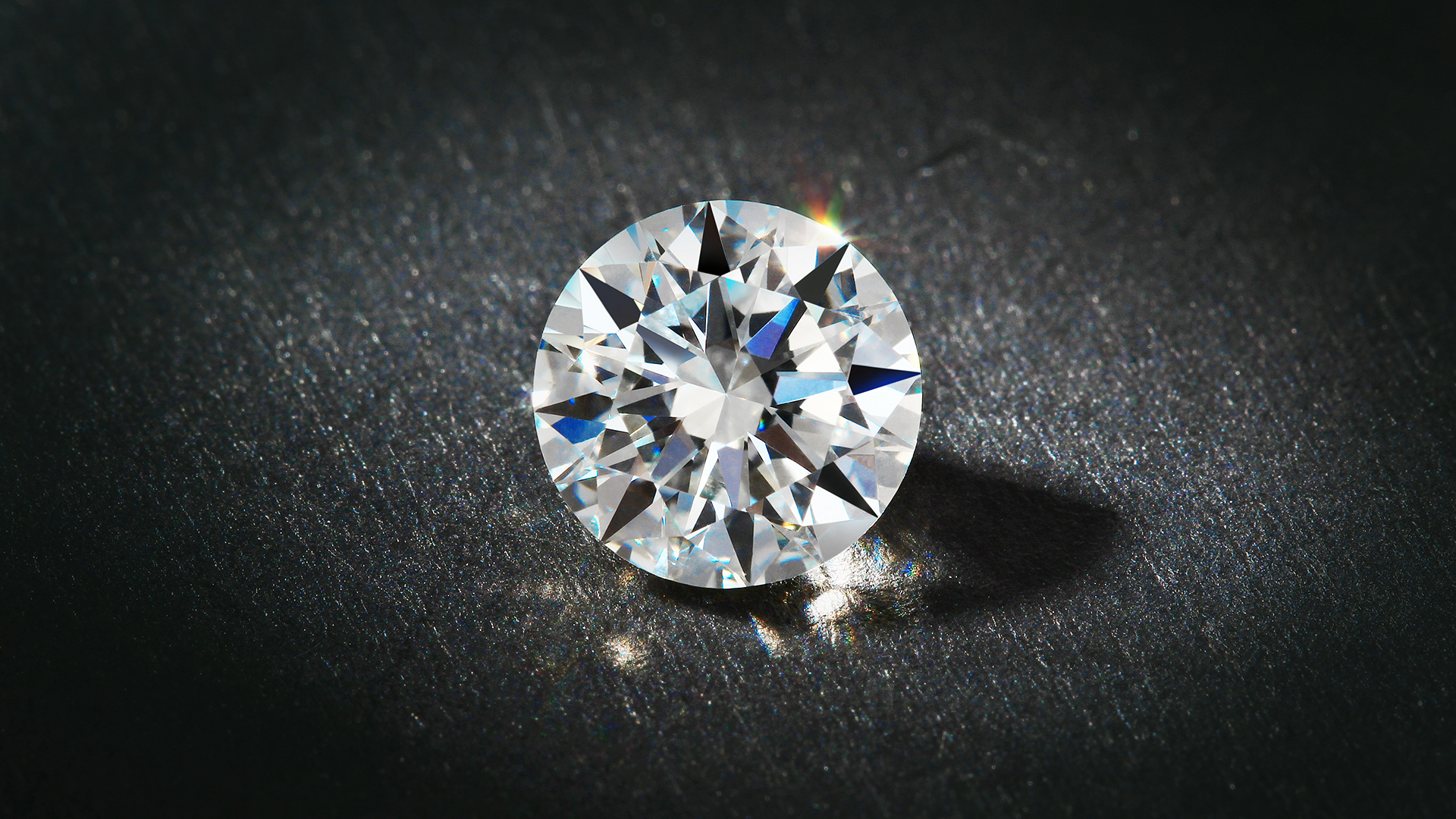
Wholesale moissanite listings commonly use descriptions such as 3A, 5A, D Color, VVS Clarity and Excellent Cut. Some MOSUP products also use 3A or 5A as commercial quality labels. These descriptions can be useful within a supplier's own product system, but buyers should not assume that “5A” means exactly the same thing across different suppliers. When a supplier says, “This is 5A moissanite,” the more useful question is what that grade actually represents. Does it refer to color, clarity, cut and surface condition? Does it include dimensional consistency? Or is it simply an internal commercial category used to separate different product tiers?
The same applies to D Color and VVS terminology. These terms are familiar to consumers because they are associated with diamond grading language, but when used for moissanite they still need context. Without a defined inspection basis or acceptance range, they are not enough to serve as a bulk-order QC standard.
Why Can’t 5A Be Compared Directly Across Every Supplier?
One supplier may define 5A mainly by color and clarity, while another may also include cut, polish and overall appearance. That means the two labels may not describe exactly the same product standard. For long-term sourcing, what matters more is how the supplier defines the grade and whether future batches can be supplied to a reasonably consistent standard. A better purchasing question is: What measurable or visible quality criteria are included in this grade?
3. Actual Millimeter Dimensions Matter More Than Carat Equivalent in Manufacturing
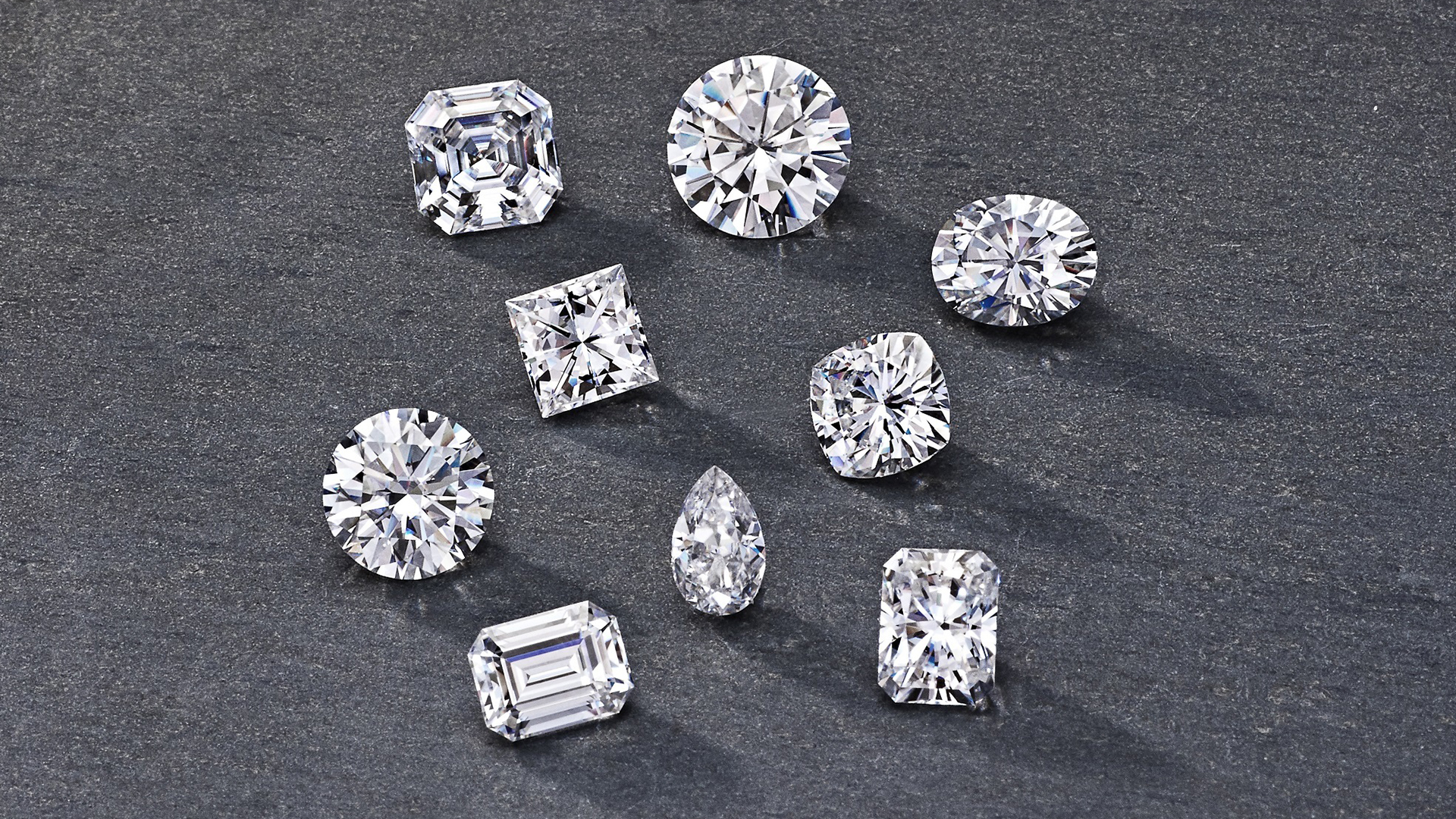
Moissanite is often marketed using 1 ct, 2 ct or 3 ct descriptions because carat-equivalent sizing is easy for consumers to understand. For jewelry manufacturing and wholesale sourcing, however, carat equivalent alone is not enough. Carat is fundamentally a unit of weight, while a jewelry setting must fit the physical dimensions of the stone. Because moissanite and diamond have different densities, the same carat language does not automatically translate into identical length, width and depth.
A better B2B specification records: Length × Width × Depth For round stones, diameter is especially important. For oval, pear, marquise, emerald and radiant shapes, the buyer should also pay attention to length-to-width proportions.
Two oval moissanites may both be marketed as 2 ct, but one may appear long and narrow while another looks wider and more rounded. Both can carry the same commercial size description while producing very different results once set into a ring.
Why Does Dimensional Consistency Matter in Bulk Production?
A jewelry setting, prongs and gemstone dimensions need to work together. If a sample is approved with one specific stone size but bulk production later uses stones with noticeably different dimensions, the change can affect prong position, stone height, overall proportions and the final appearance of the ring. For repeat orders, brands should therefore record actual millimeter dimensions at sample approval rather than relying only on a “2 ct” description. Where necessary, acceptable dimensional tolerances should also be confirmed.
4. Wholesale Buyers Should Evaluate Batch Consistency, Not Just One Impressive Stone
A consumer buying one piece of jewelry may simply ask whether the center stone looks attractive. A wholesale buyer has a different problem. If a brand orders 50 units of the same SKU, the goal is not to find one unusually brilliant moissanite. The goal is for the group to present a reasonably consistent appearance. When evaluating several stones, buyers should compare them under similar lighting and against a similar background. Look at overall outline, symmetry, facet appearance, obvious dark areas, polish and the degree of visible variation between stones. This matters even more for fancy shapes. Different length-to-width ratios can make oval stones appear either elongated or rounded. Pear shapes can vary in shoulder width and point shape. Marquise stones can look noticeably different if the two ends or the overall outline are not well balanced.
What Wholesale Buyers Really Need Is Repeatability
For a jewelry brand, the most important question is not whether one stone is exceptionally beautiful. It is whether the same product can be reproduced consistently. A successful first sample proves that the supplier can make one acceptable piece. The second order, third order and later replenishment are what reveal whether the supply relationship can maintain a stable product standard.
5. Color and Clarity Need to Become Practical Acceptance Criteria
Terms such as “Colorless,” “High Clarity” and “Premium” work well in marketing, but they can become too vague when used to inspect dozens or hundreds of units. For example, if some stones in a batch show a clearly warmer, grayish or otherwise inconsistent tone, the buyer needs to know whether that variation is acceptable. Clarity presents a similar issue. The practical question for finished jewelry is not simply whether the website says “VVS.” Buyers should consider whether there are visible inclusions, surface abrasions, chipped edges or other defects that could affect retail presentation under normal viewing conditions. Matched products require another level of control. Two stones can each be acceptable individually but still form a poor pair if their color, dimensions or proportions differ too much. This is particularly important for earrings.
Why Is an Approved Sample More Useful Than the Word “Premium”?
A previously approved sample can provide a much more practical reference than a vague quality adjective. If a brand has already accepted the color, dimensions, proportions, setting and overall finish of a sample, that piece can become a reference point for future production. The discussion then changes from: “This batch does not look as good as the last one.” to: “This batch differs from the approved sample in these specific areas.” That is a much more useful basis for B2B quality management.
6. A High-Quality Loose Stone Does Not Automatically Mean High-Quality Finished Jewelry
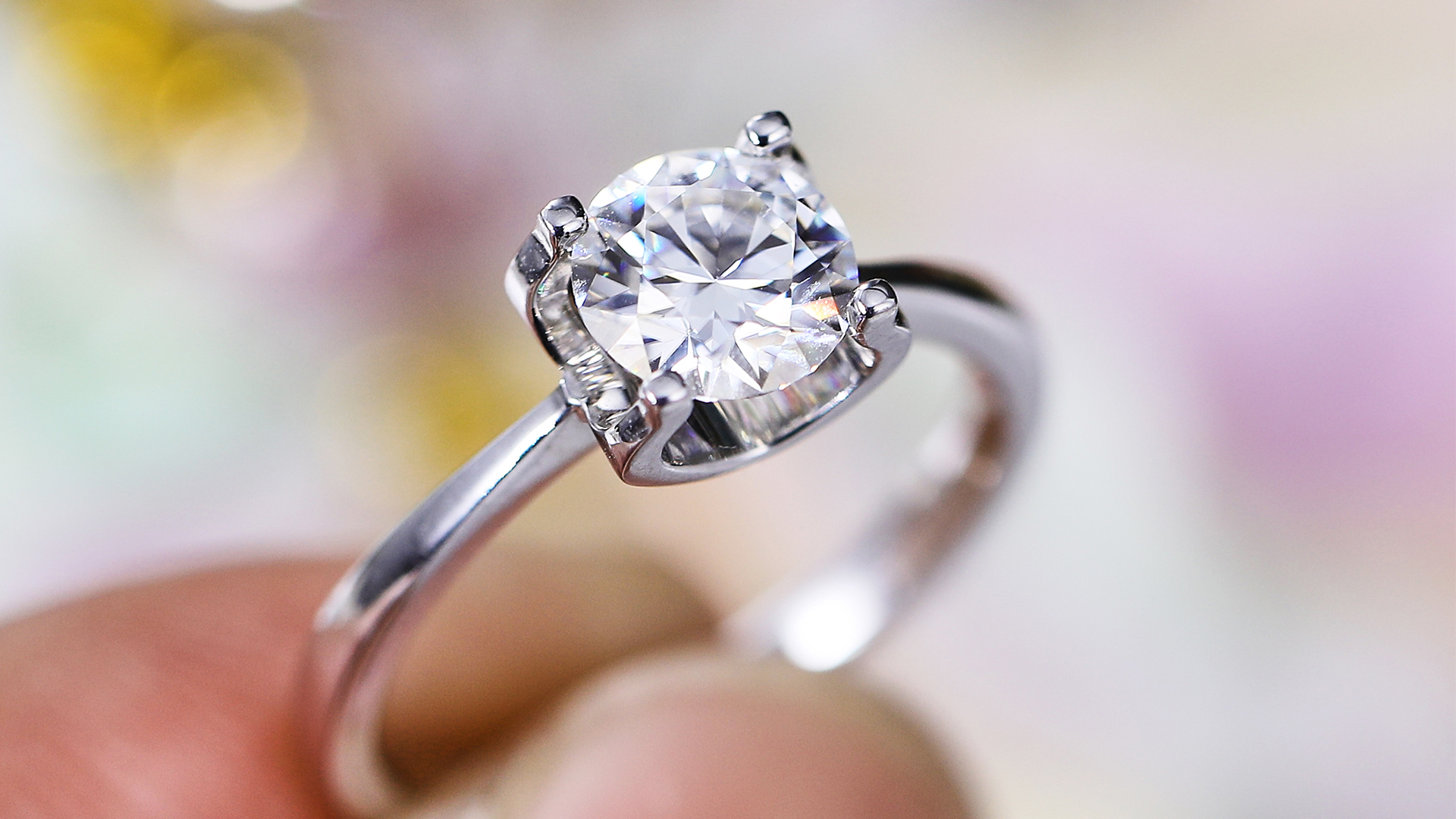
One of the most common sourcing mistakes is to focus too heavily on the center stone and not enough on the finished product. Consumers are usually not buying a loose moissanite. They are buying a ring, a pair of earrings, a necklace or a bracelet. A stone may have attractive color and optical performance, but if the prongs are loose, the stone is off-center, the ring size is wrong, the surface finish is rough or the plating color varies, the finished product may still create returns and after-sales problems. Finished-jewelry QC therefore needs to continue beyond the gemstone.
A practical inspection flow is: Stone → Setting → Metal → Finish → Size → Function → Packaging
6.1 What Should Be Checked on a Ring?
In addition to the center stone, buyers should look at setting security, stone alignment, prong symmetry, overall balance, ring size and visible surface defects. Scratches, rough areas, pits or uneven finishing may be small manufacturing details, but they can become highly visible when the product reaches retail customers.
6.2 How Are Earrings, Necklaces and Bracelets Different?
Earrings also require pair matching, post inspection and checking whether the backs function correctly. Necklaces and bracelets add other functional areas, including clasps, jump rings, solder joints and actual chain length. For a retailer, the quality of the finished product matters more than the quality of the loose gemstone alone.
7. The Real Purpose of a Sample Is to Establish a Production Reference
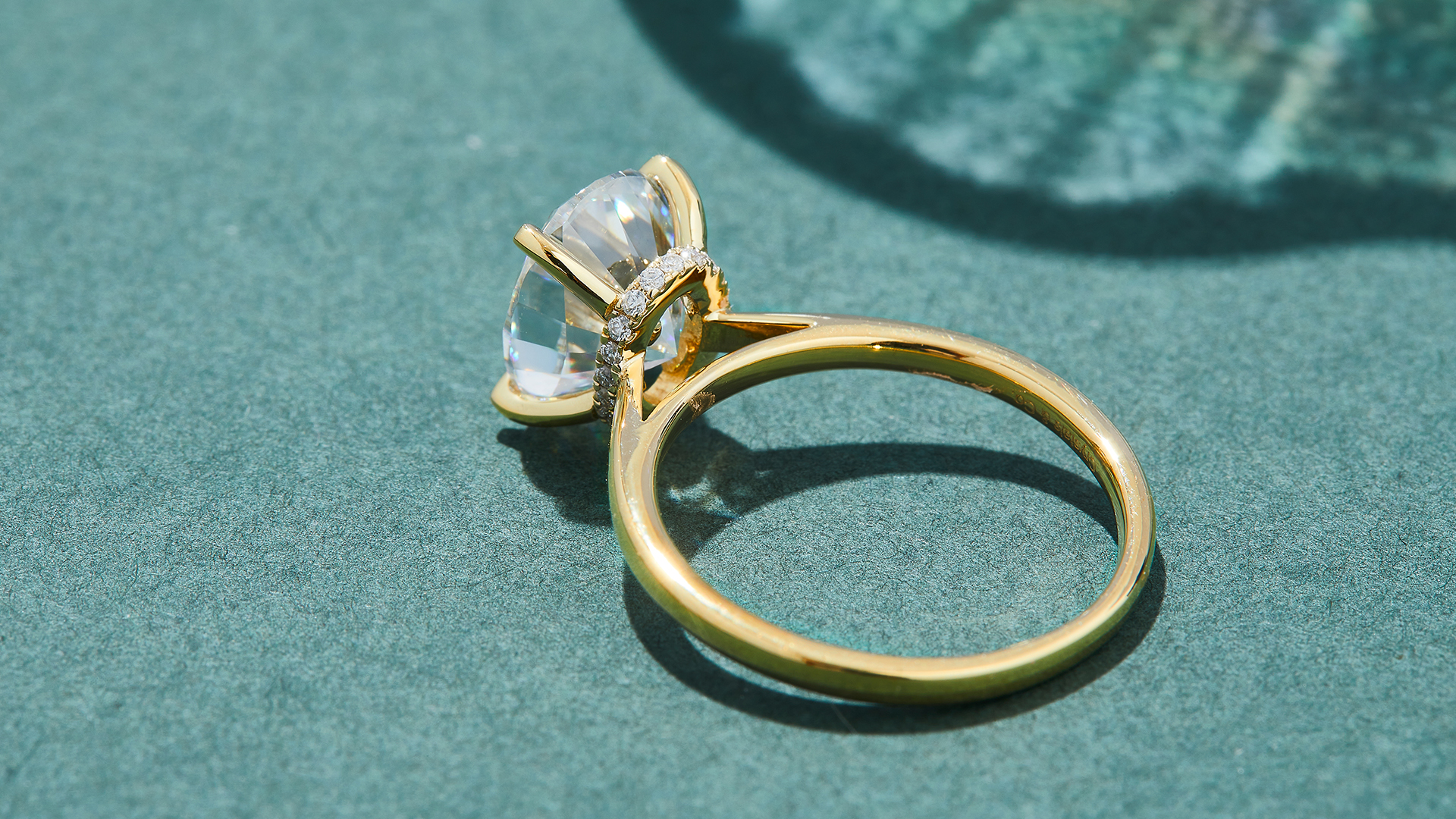
When working with a new supplier, a sample is not only proof that a product can be made. Its greater value is that it creates a version both parties can approve. MOSUP supports sample orders and OEM/ODM jewelry development. For custom projects, buyers can work from reference images, sketches, CAD files or physical samples and then confirm the product through an actual sample. Once the sample is approved, the important details should be recorded. These may include stone shape, actual millimeter dimensions, metal, surface color, ring size, chain length, setting structure, logo and packaging. If the product is later revised, the new version should also be documented.
What Is an Approved Sample or Golden Sample?
It is the product version both buyer and supplier have agreed to use as a reference for later production. This is much more useful than telling the supplier: “Make it the same as last time.”
For brands that plan to reorder regularly, an approved sample becomes especially valuable. A stable supplier relationship is not defined by one beautiful first sample. It is defined by whether the supplier can continue to reproduce the agreed product standard over later orders.
8. Certificate Requirements Should Be Managed Separately From Product Quality
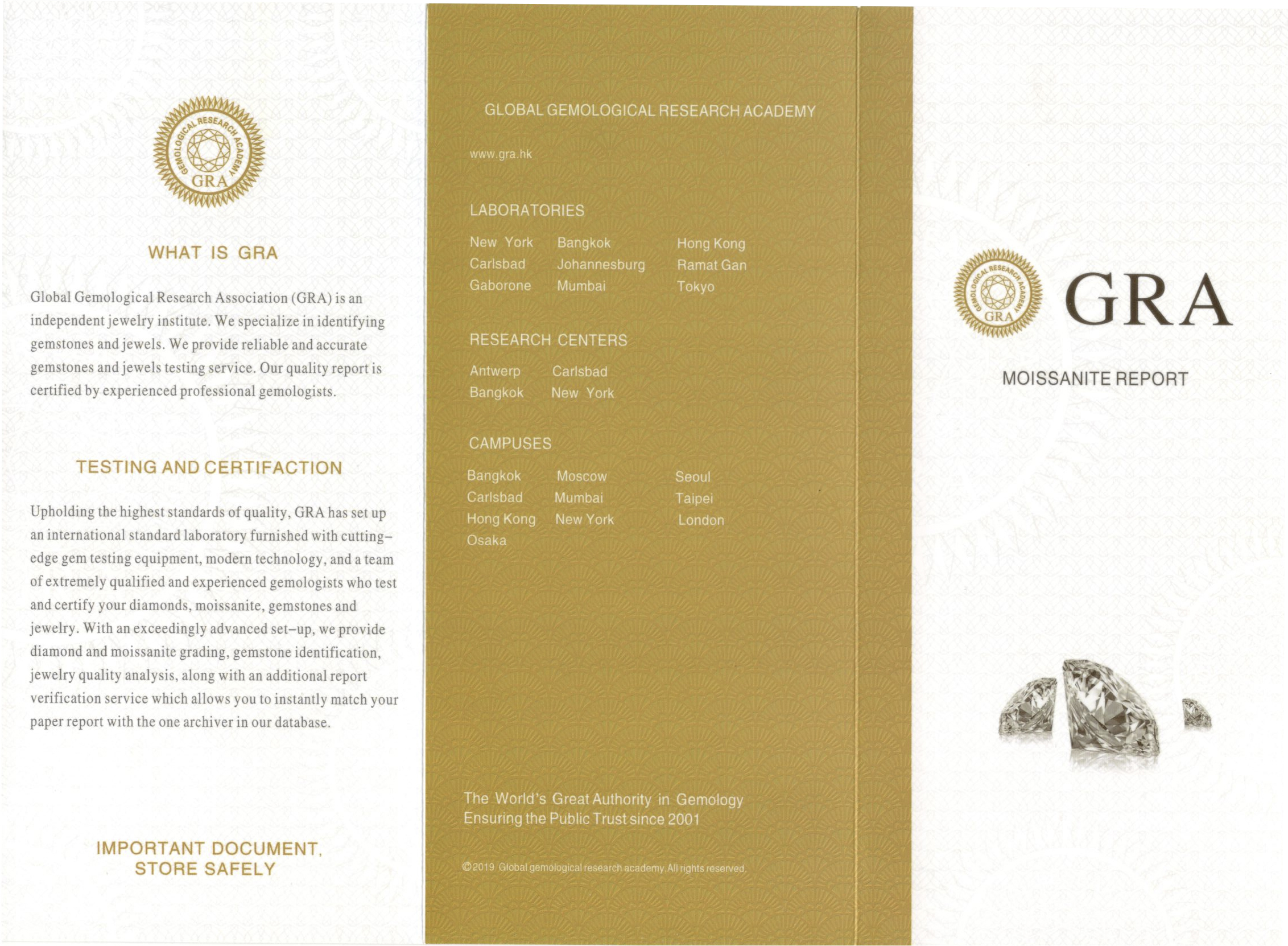
Moissanite buyers often ask whether a GRA certificate is included. This should be confirmed separately rather than assumed for every product. Some MOSUP moissanite items state that a GRA certificate is not included with the finished product by default and should be requested separately if needed. Certificate requirements should therefore be written clearly into the RFQ or order. The buyer should confirm whether a report is required, whether it applies to a loose stone or finished jewelry, whether the report number must correspond to the physical product, whether additional fees apply and whether the request affects production or delivery timing.
Why Can’t a Certificate Replace Finished-Jewelry QC?
Even when a gemstone comes with a related report, the buyer still needs to inspect dimensions, setting quality, metal, polish, sizing, clasps and packaging. A certificate addresses documentation and gemstone information. Finished-jewelry QC addresses the actual product the customer receives.
The two functions are related, but they are not interchangeable.
9. Turn “High-Quality Moissanite” Into a Specification That Can Actually Be Used
For wholesale sourcing, the most useful approach is not to add more quality adjectives. It is to convert marketing language into measurable specifications. For example, “5A Moissanite” can be expanded into gemstone identity, shape and actual millimeter dimensions. “D Color” can be linked to an agreed visual range or approved reference. “VVS” can be supplemented with a practical description of unacceptable visible defects or surface damage. “Excellent Cut” should also be supported by actual observations of symmetry, outline, polish and consistency within the batch.
The same logic applies to metal terminology. “White Gold Color” is not a substitute for identifying the actual metal. Buyers should confirm whether the product is S925 sterling silver, 10K, 14K, 18K gold or another material, together with any applicable plating or surface finish.
| Inspection Area | Too Vague | Better B2B Specification |
|---|---|---|
| Gemstone | 5A Moissanite | Moissanite + shape + actual mm dimensions |
| Color | D Color | Agreed appearance range or approved reference |
| Clarity | VVS | Define unacceptable visible inclusions or surface defects |
| Cut | Excellent | Symmetry, outline, polish and batch consistency |
| Size | 2 ct | Length × width × depth |
| Setting | High Quality | Stone security, prong position and symmetry |
| Metal | White Gold Color | Actual metal/alloy + surface finish |
| Polish | Premium Finish | Define unacceptable scratches, pits and rough edges |
| Certificate | Certified | Specify report type, scope and whether included |
| Bulk Order | Same as Sample | Approved sample + written specification |
A useful B2B specification should allow sales, sourcing, production and QC teams to understand the same product in the same way. That is far more valuable than letting every person interpret “Premium Quality” differently.
10. How MOSUP Supports Moissanite Product Testing and Development
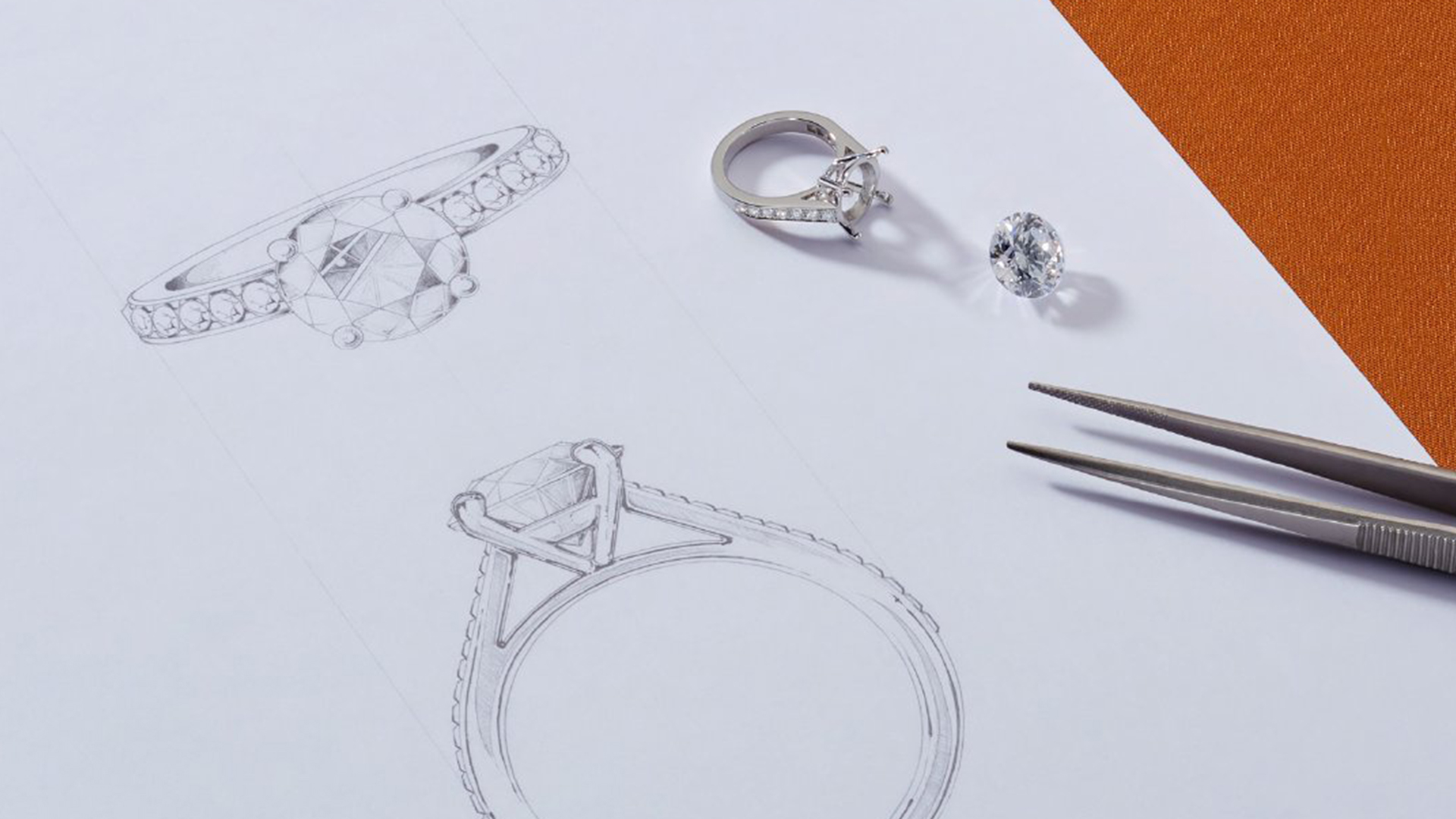
Brands looking for moissanite jewelry can begin by reviewing MOSUP's existing rings, earrings, necklaces and other ready-stock products. If demand has not yet been proven, buyers can start with samples or smaller quantities to test customer response before building deeper inventory. If an existing style is close to the brand's positioning but needs more differentiation, ODM can be used to modify selected elements such as the center stone, gemstone material, metal, finish, logo or packaging. For more original development, OEM projects can begin from reference images, design drawings, CAD files or physical samples.
How Should a Brand Move From Testing to Product Development?
For many developing jewelry brands, a more practical path is: Sample → Market Test → Approval → Reorder → ODM / OEM The level of customization can increase as real market feedback becomes clearer. When requesting a quotation, brands should provide a specific product link or reference image whenever possible, together with the gemstone type, shape, millimeter dimensions, metal, estimated quantity, target market and any requirements for logo, packaging or certificates. For custom projects, it is also useful to explain which elements must remain unchanged and which can be modified. The clearer the brief, the more likely the supplier can respond with a quotation based on the actual project rather than an undefined request for the “best price.”
11. Frequently Asked Questions About Moissanite Quality
11.1 Is 5A the Highest Universal International Grade for Moissanite?
It is better understood as a commercial quality category rather than a universal global grading standard. Different suppliers may define 3A, 5A or similar labels differently. Buyers should therefore confirm the underlying criteria for color, clarity, cut and appearance rather than comparing suppliers only by the number of “A” labels.
11.2 Should Wholesale Buyers Compare Moissanite by Carat or Millimeter Size?
Both can be recorded, but actual millimeter dimensions are more important for manufacturing and setting compatibility. For oval, pear, emerald, radiant and other fancy shapes, length, width and depth provide a much clearer technical specification.
11.3 Can MOSUP Provide a Sample Before Bulk Production?
Yes. MOSUP supports sample and custom-development projects. Sample costs, development timelines and later production quantities should be confirmed according to the actual design, metal, gemstone and manufacturing process.
11.4 Does Every MOSUP Moissanite Product Include a GRA Certificate?
No such assumption should be made. Some products do not include a GRA certificate by default, so certificate requirements should be confirmed for the specific SKU before ordering.
12. High-Quality Moissanite Should Be Something a Buyer Can Actually Inspect
For wholesale buyers, the biggest risk is not that a supplier uses too few attractive quality terms. The real risk is that both parties use many quality terms without agreeing on a standard that can actually be applied. 5A, D Color, VVS and Premium may help describe a product, but long-term sourcing depends on more practical factors: correct gemstone identity, actual millimeter dimensions, consistent appearance, secure settings, accurate metal specifications and reasonable repeatability between batches. For jewelry brands, one successful sample is only the beginning. The real test of a supply relationship comes when the product is reordered and still maintains a similar size, appearance, structure and finish.
A professional moissanite RFQ should therefore not simply say: “Please quote your best 5A moissanite.” A more useful request tells the supplier:what product you need — and how you intend to approve it.


