
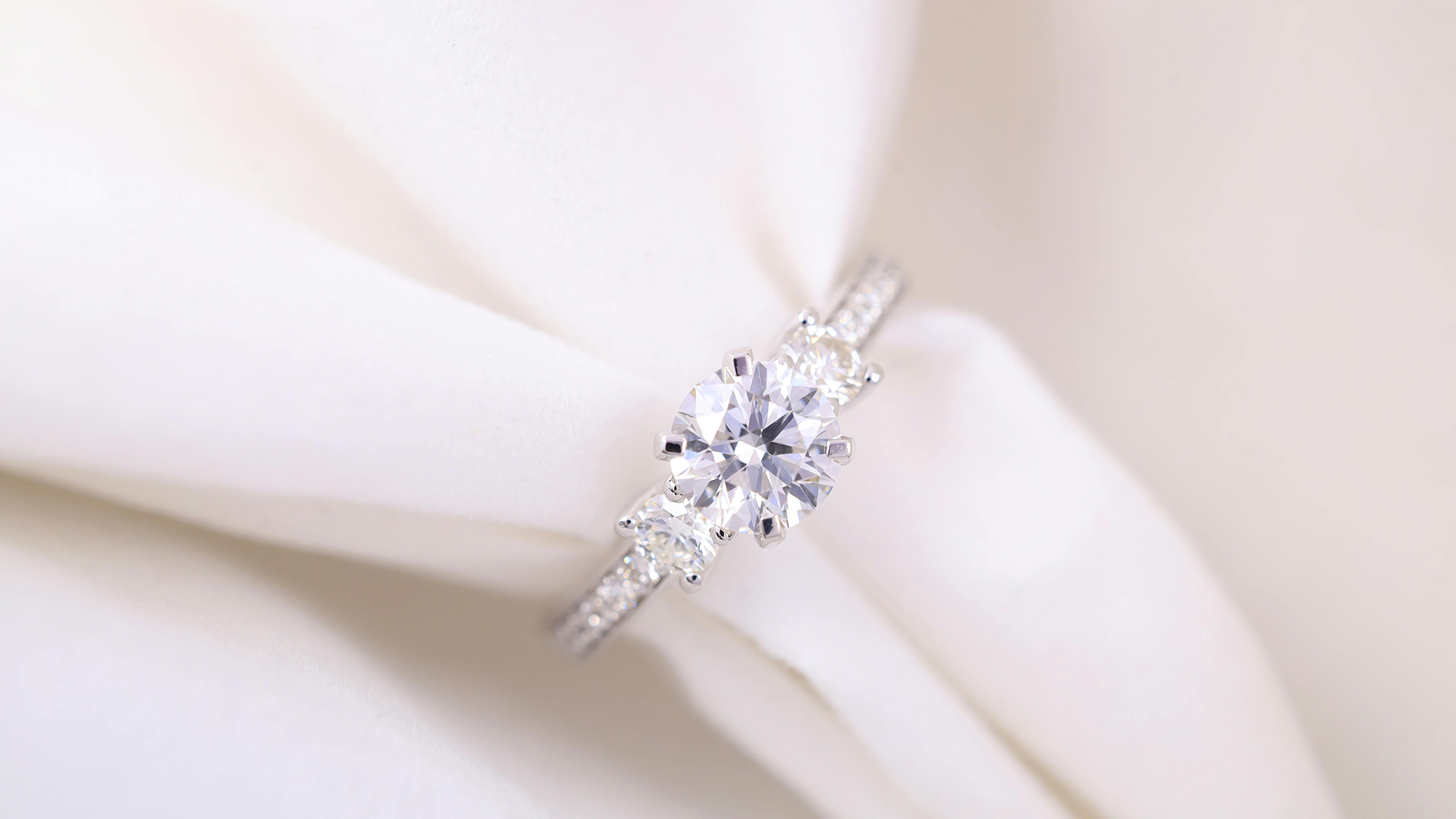
“Will this lab-grown diamond still be worth anything in a few years?” It is a reasonable question for consumers, but for jewelry brands, retailers and wholesale buyers, the business question is more complex. Resale value is only one part of the equation. Buyers also need to consider today's acquisition cost, future replacement cost, inventory exposure, retail pricing and how easily a product can be replenished if market prices change. Lab-grown diamonds are not “worthless” diamonds. They are diamonds with essentially the same chemical composition, crystal structure, and optical and physical properties as natural diamonds.
What differs is their origin: natural diamonds form through geological processes, while laboratory-grown diamonds are produced using controlled technologies such as HPHT or CVD. The more important difference for a jewelry business is economic. As production technology improves and supply expands, the wholesale price of newly produced lab-grown diamonds can change. For consumers, that can mean access to larger stones at more approachable prices. For retailers, it means inventory needs to be managed differently. So instead of asking only: “Will lab-grown diamonds hold their value?” a buyer should also ask: “How much inventory should I carry, how quickly can I replenish it, and what part of the final jewelry product gives customers a reason to buy from my brand?”
1. Lab-Grown Diamonds Can Have Resale Value, but They Should Not Be Sold as Guaranteed Investments
The first distinction to make is between having value and retaining a fixed percentage of the original retail price. When a customer buys a lab-grown diamond ring, the retail price does not represent the loose stone alone. It may also include the precious metal, setting, manufacturing, polishing, design, packaging, retail operations, service and brand positioning. Once that piece enters the secondary market, the original retail environment no longer applies. A resale buyer compares the item with what an equivalent new product would cost today.
This matters particularly for lab-grown diamonds. If a consumer purchased a 2 ct lab-grown diamond several years ago and comparable new diamonds are now available at a lower price, the resale market will usually respond to today's replacement cost rather than the historical retail price. That does not mean the diamond has no value. It means lab-grown diamonds should not be presented as assets with a guaranteed appreciation rate or fixed resale percentage. For consumers, they make more sense as jewelry purchased for wear, design and personal significance. For retailers, they are a product category that benefits from disciplined inventory management.
2. For Retailers, Replacement Cost May Matter More Than Resale Value
For a B2B buyer, the more useful question is often not: “What could this diamond sell for in five years?” but: “What might the same product cost me on my next reorder?” That is the concept of replacement cost. Imagine a retailer purchasing a batch of 2 ct lab-grown diamond rings today. If comparable wholesale stone prices are lower several months later, the next reorder may cost less. That sounds positive — and it can be. The challenge is that the first batch is still sitting in inventory at the original cost.
If competitors begin buying at the lower market price and adjust their retail pricing accordingly, older inventory may become harder to sell at the same margin. This creates a different type of sourcing risk. It does not mean retailers should avoid lab-grown diamond inventory altogether. It means they should think carefully about inventory depth. For products with changing input costs, the ability to reorder efficiently may be more valuable than buying several months of stock in advance.
3. As Diamond Prices Become Easier to Compare, the Brand Has to Create Value Elsewhere
One of the biggest changes in the lab-grown diamond market is price transparency. Consumers can easily compare several websites selling similar products: a 2 ct round lab-grown diamond, a comparable color and clarity range, a 14K gold setting and a similar ring design. If the product is presented only as: “2 ct Lab-Grown Diamond Ring” the customer has very little reason not to compare it directly with another seller. That is where brand differentiation becomes more important. The commercial value of the finished product should come from more than carat weight alone. A ring is better understood as: Lab-Grown Diamond + Precious Metal + Setting + Design + Craftsmanship + Brand Experience
The height of the setting, the proportion of the shank, the quality of the prongs, the amount of gold, the comfort of the ring and the overall visual language all affect how the finished product is perceived. Two rings may both contain a 2 ct lab-grown diamond and still be very different retail products. For brands building or expanding this category, MOSUP's lab-grown diamond jewelry collection provides a starting point for comparing rings, earrings, necklaces and bracelets across different product directions. The important shift is this: As the loose stone becomes easier to compare, design, manufacturing and brand experience become more important.
4. The Value of Finished Jewelry Also Comes From Precious Metal and Manufacturing
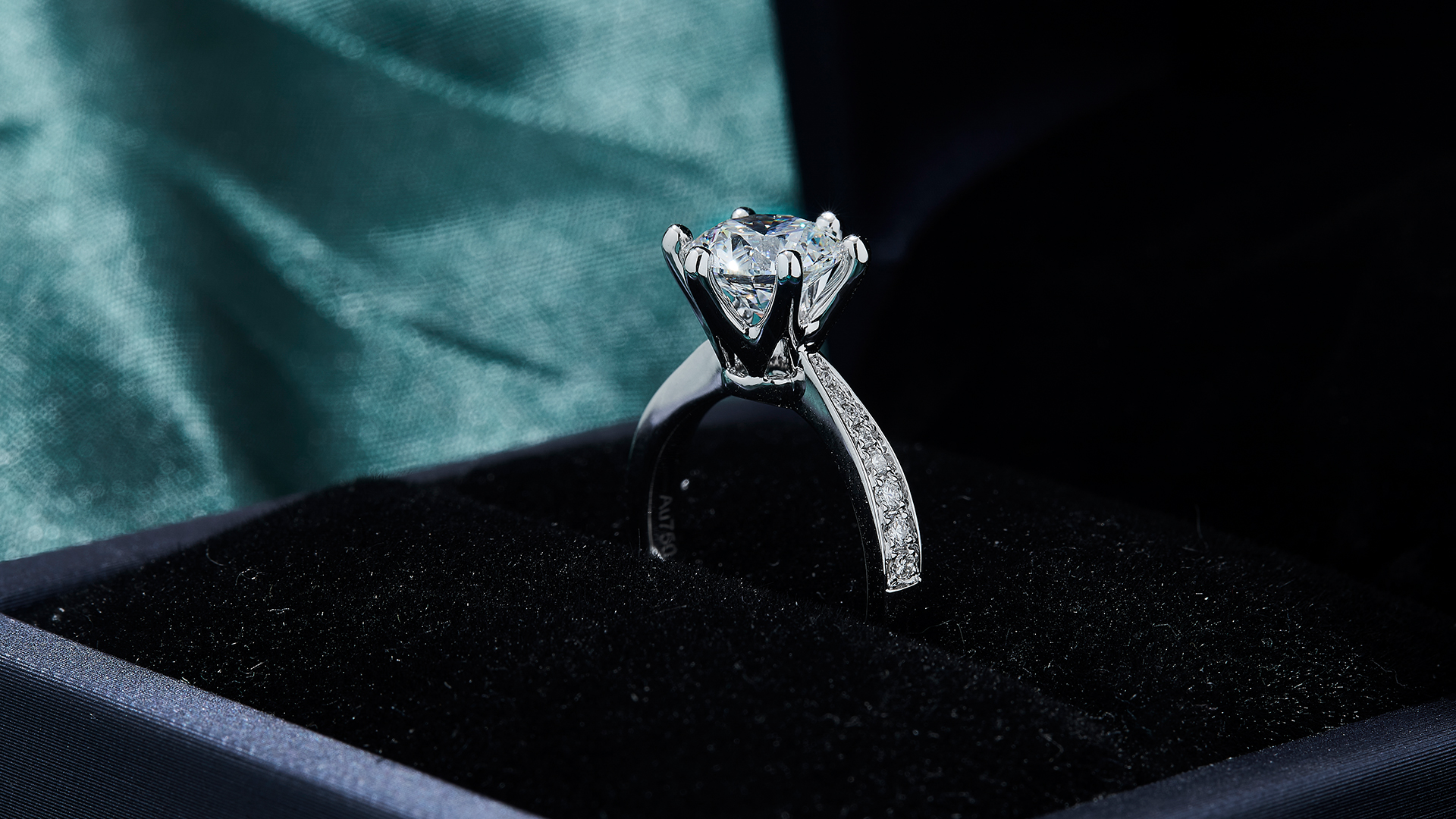
Discussions about lab-grown diamond resale value often focus too narrowly on the center stone. But most consumers do not own a loose stone. They own a finished piece of jewelry. An 18K gold lab-grown diamond ring, for example, contains more than the diamond itself. It also contains precious metal, structural engineering, stone setting, polishing and design work. Even if the market value of the center stone changes, 14K or 18K gold still has its own underlying material value. This is why product development should not focus only on getting the largest possible diamond for the lowest possible cost.
For a fine-jewelry customer, a well-proportioned 18K gold ring with a secure setting and refined finish occupies a different market position from a highly standardized product designed around the lowest possible material cost. The strategic question for a brand is therefore: Are you selling a diamond placed in a setting, or are you selling a complete piece of jewelry? That distinction affects pricing, customer perception and long-term brand positioning. For brands that want to move beyond standard ready-stock designs, MOSUP's custom jewelry service supports modifications to gemstones, metals, finishes and design details, as well as projects developed from reference images, sketches, CAD files or physical samples.
5. Certification Improves Transparency — It Does Not Guarantee Future Value
Certification is another area where expectations need to be managed carefully. An independent laboratory report can provide useful identification and grading information for an eligible lab-grown diamond. This can help buyers, suppliers and consumers work from a clearer description of the stone. For B2B sourcing, that transparency can be valuable. It helps reduce ambiguity around the product being purchased and sold.
But the function of a laboratory report is: Identification and Transparency not: Future Value Guarantee A report does not mean that a lab-grown diamond will retain a fixed resale percentage several years later. Brands should therefore avoid presenting certification as proof of guaranteed investment value. A more accurate explanation is that certification helps a customer understand what they are buying, while future resale value still depends on market conditions, product specifications, jewelry condition and the secondary market available at that time.
6. For Jewelry Brands, Inventory Depth Is More Controllable Than Future Diamond Prices
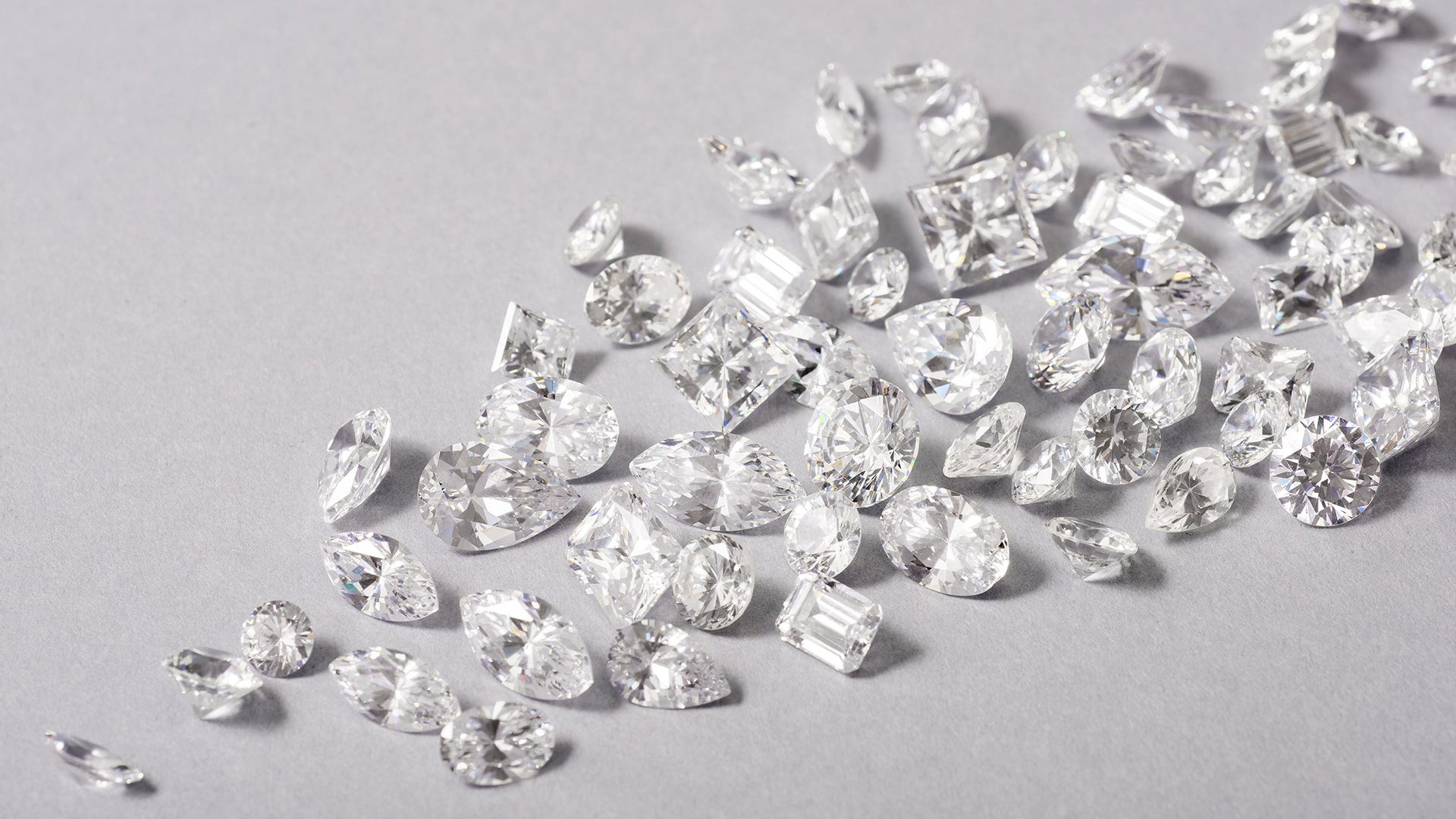
No buyer can accurately predict where lab-grown diamond prices will be in three or five years. But every buyer can decide how much inventory to carry today. That distinction matters. Imagine a new jewelry brand launching four center-stone shapes — round, oval, emerald and pear — across 1 ct, 2 ct and 3 ct options. That already creates a large number of SKUs before metal color, ring size and setting style are even considered. Before the brand has real sales data, it does not yet know whether its customers prefer 1 ct or 3 ct, round or oval, 14K or 18K, classic solitaire or vintage-inspired designs. If the business buys deeply across every SKU to secure a lower unit cost, it is effectively using cash to guess what customers will want.
A more disciplined approach is to launch a smaller representative assortment, observe actual inquiries, conversions and customer questions, and then allocate more inventory to the products that prove themselves. This is where a No-MOQ sourcing model becomes commercially useful. The value of No MOQ is not that a business should always buy one piece at a time. The value is that the brand does not have to take unnecessary inventory before demand is proven. For retailers that want to test product direction first, MOSUP offers ready-stock wholesale purchasing without a minimum order quantity, allowing buyers to choose quantities based on actual business needs.
7. Samples, Reorders and ODM Can Bridge the Gap Between Market Testing and Brand Differentiation
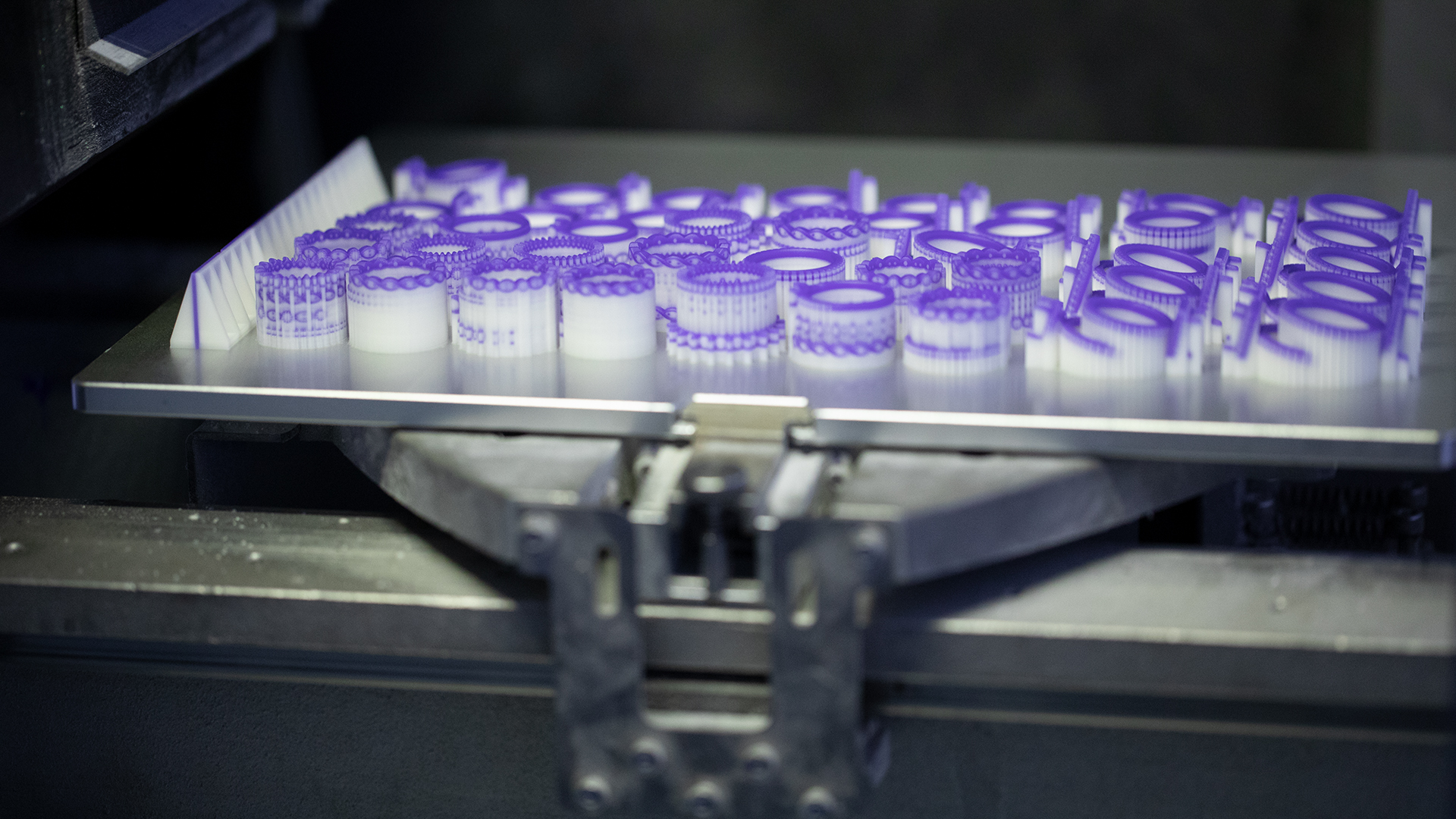
A new lab-grown diamond brand does not necessarily need to launch with twenty original designs. Original product development can be valuable, but it also requires more decisions, more development work and more capital. In many cases, the better first step is simply to validate what customers want. A brand can begin by selecting products from the MOSUP lab-grown diamond jewelry collection, testing a small assortment or ordering a sample before committing to larger quantities. A physical sample can reveal things that product photography cannot. The setting may look elegant online but feel too high when worn. The shank may appear delicate but feel thinner than expected. A metal color that looks right on screen may not fully match the brand's visual direction in person. Once a product receives positive market feedback, the next step does not always have to be a completely new OEM design. ODM can be a practical middle ground. A proven ring structure might be retained while changing the center-stone size, gemstone material, metal, finish, logo or packaging.
This allows the brand to create greater differentiation without restarting the entire product-development process. When the brand has a clearer design language and stronger market evidence, moving into OEM development becomes more logical. Through MOSUP's OEM and ODM custom jewelry service, a project can begin from a reference image, sketch, CAD file or physical sample and move into deeper product development as required. For brands that want to understand the broader development process, MOSUP's jewelry manufacturing and OEM/ODM sourcing guide explains the relationship between design input, CAD, samples, quality control and production. For many growing brands, the healthier product-development path is: Ready Stock → Sample → Market Test → Reorder → ODM → OEM rather than: Design Everything → Buy Large Inventory → Hope It Sells
8. Fast Replenishment Can Be More Valuable Than Deep Inventory
Inventory risk is also influenced by something that is easy to overlook: replenishment speed. If a supplier requires long lead times for every reorder, a retailer may feel forced to carry deeper safety stock to avoid selling out. If ready-stock inventory can be dispatched quickly, the business has more freedom to hold less inventory and replenish based on actual sales. For eligible MOSUP warehouse stock, orders can typically be prepared for global dispatch within approximately 24–48 hours. This should not be confused with 24–48-hour worldwide delivery.
International transit time still depends on destination, carrier, shipping method and customs clearance. From an inventory-management perspective, however, faster dispatch still matters. It reduces the need to buy several months of inventory simply because the retailer is afraid that the next order will take too long. In a product category where input prices can change, that flexibility becomes especially useful.
9. Falling Lab-Grown Diamond Prices Do Not Mean the Category Has Lost Its Commercial Opportunity
It is easy to look at lower loose-diamond prices and conclude that lab-grown diamonds are becoming less commercially attractive. The reality is more nuanced. A falling input price does not automatically mean falling consumer demand. It may instead change the way the category needs to be merchandised and sourced. The brands most exposed to price pressure are those that carry heavy inventory, rarely update their cost assumptions and offer little differentiation beyond larger carat weight at a lower price. A more flexible business can react differently. It can maintain lighter inventory, replenish based on sales, use stronger metal and design choices, and gradually move into ODM, OEM and private-label development once successful products have been identified.
Lower stone costs can also create opportunities. A customer who previously had to compromise on carat weight may be able to choose a larger center stone. A brand may be able to allocate more of the product budget to 14K or 18K gold, better design, upgraded packaging or a more distinctive setting. The commercial opportunity therefore does not disappear simply because the loose stone becomes less expensive. What changes is where value is created. The value begins to shift from the loose stone alone toward the complete jewelry product and the business behind it.
10. How MOSUP Supports a More Flexible Lab-Grown Diamond Sourcing Strategy
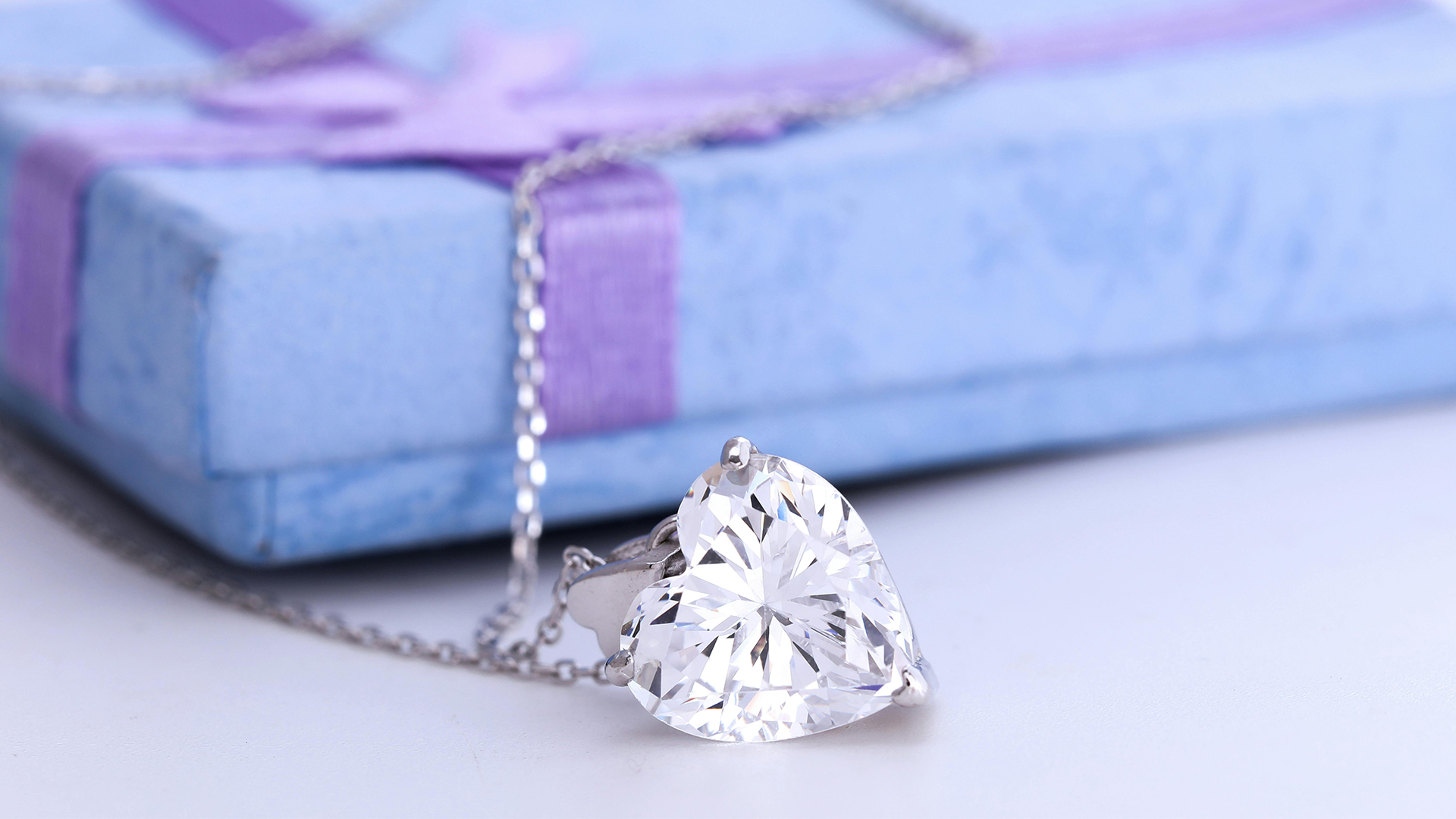
MOSUP's lab-grown diamond sourcing model allows brands to enter the category at different levels rather than requiring every buyer to begin with a large custom production order. A retailer that is still exploring the market can start by browsing the MOSUP lab-grown diamond jewelry collection and selecting products that fit its target price point and customer profile. If the business wants to validate the physical product first, it can begin with a sample order. If an existing style already meets most of the requirement, MOSUP's custom jewelry service can support changes to the center stone, gemstone material, metal, color, selected design details, logo or packaging. When a brand already has its own design direction, it can move into OEM development using a reference image, sketch, CAD file or physical sample.
Private-label projects can also include laser logo engraving, branded jewelry boxes and customized packaging. For eligible ready-stock products, warehouse orders can typically be prepared for global dispatch within approximately 24–48 hours. Custom orders and international shipments are supported by a team that follows the project and logistics process as the order progresses. This gives a jewelry business a sourcing path that can develop with real market evidence: Product Selection → Sample → Market Validation → Reorder → ODM → OEM → Private Label The brand does not need to take the maximum inventory or the most complex development route at the beginning.
11. The Real Question for Jewelry Brands Is Sourcing Discipline
“Will this lab-grown diamond still have resale value in five years?” remains a useful consumer question. But for a jewelry business, the more important questions are usually:
- How much should we buy today?
- Which designs have already proven demand?
- How might the replacement cost change?
- Can the supplier replenish quickly?
- Can a successful standard product eventually become a more differentiated branded design?
A retailer cannot control the future market price of diamonds. It can control inventory depth, product-development timing and how much capital is committed before demand is proven. In a changing market, the most resilient strategy is not to predict the future perfectly. It is to remain able to adjust. Buy selectively. Test demand. Keep inventory flexible. Scale what actually sells. That is ultimately more useful than chasing the lowest possible unit price.
12. Ready to Build or Expand Your Lab-Grown Diamond Collection?
If you are evaluating new lab-grown diamond products, start by exploring the MOSUP lab-grown diamond jewelry collection and identifying styles that fit your target market. If you already have a reference image, original design or an existing product you would like to modify, you can use the MOSUP custom jewelry service to discuss gemstone, metal, dimensions, logo, packaging and other project requirements. Brands that are still testing demand can begin with samples or small ready-stock purchases. Products that prove themselves in the market can then move into replenishment, ODM modification, OEM development and private-label branding. The goal is not to buy as much lab-grown diamond jewelry as possible. It is to invest more deeply in the products the market has already shown you are worth scaling.


