
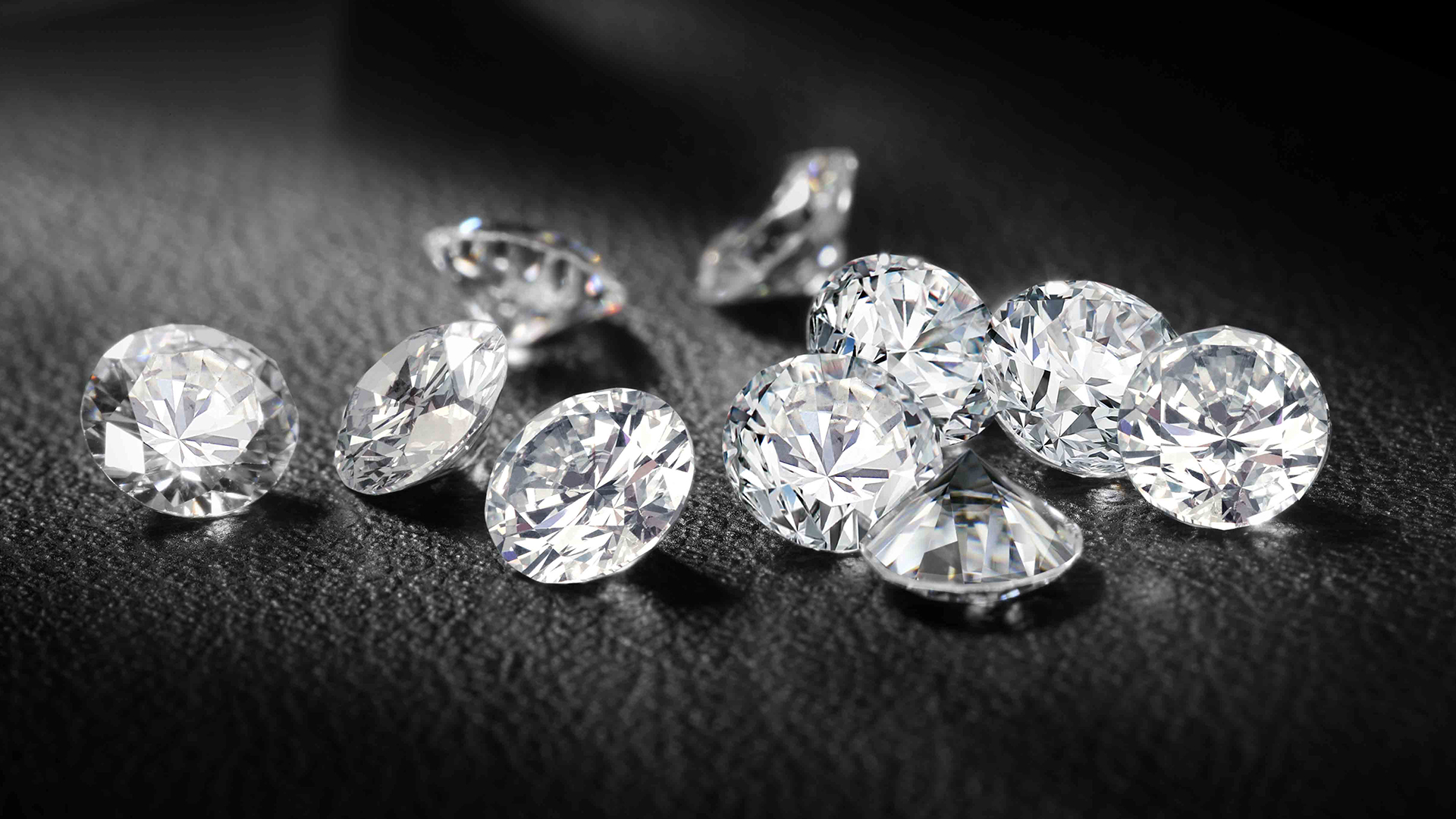
1. Lab-Grown Diamonds and Natural Diamonds Share the Same Thermal Properties
Whether produced using Chemical Vapor Deposition (CVD) or High Pressure High Temperature (HPHT) technology, lab-grown diamonds are composed of pure crystalline carbon with the same atomic structure as natural diamonds.
Because their crystal lattice is fundamentally identical, lab-grown and natural diamonds exhibit virtually the same physical, optical, and thermal properties.
Among all naturally occurring materials, diamond has one of the highest known thermal conductivity values, typically ranging from 2,000 to 2,200 W/m·K under ideal conditions. By comparison, conventional thermal interface materials used in consumer electronics generally offer thermal conductivity between 2 and 6 W/m·K, while copper and silver measure approximately 401 W/m·K and 429 W/m·K, respectively.
Unlike metals, which transfer heat primarily through free electrons, diamond conducts heat through highly organized lattice vibrations known as phonons. This unique mechanism enables rapid heat transfer while maintaining excellent electrical insulation, making diamond especially attractive for applications requiring efficient cooling without electrical conductivity.
As AI computing, high-performance processors, and advanced semiconductor packaging continue to evolve, thermal management has become one of the industry's greatest engineering challenges. Diamond is increasingly recognized as one of the most promising materials for next-generation heat dissipation technologies.
Industry investment and ongoing research into synthetic diamond wafers further reflect the growing importance of CVD diamond in advanced thermal management applications. Although industrial diamond and jewelry-grade diamond are manufactured for different purposes, they are based on the same crystalline carbon structure and therefore share the same fundamental thermal characteristics.
2. How Does Diamond Compare with Other Thermal Conductive Materials?
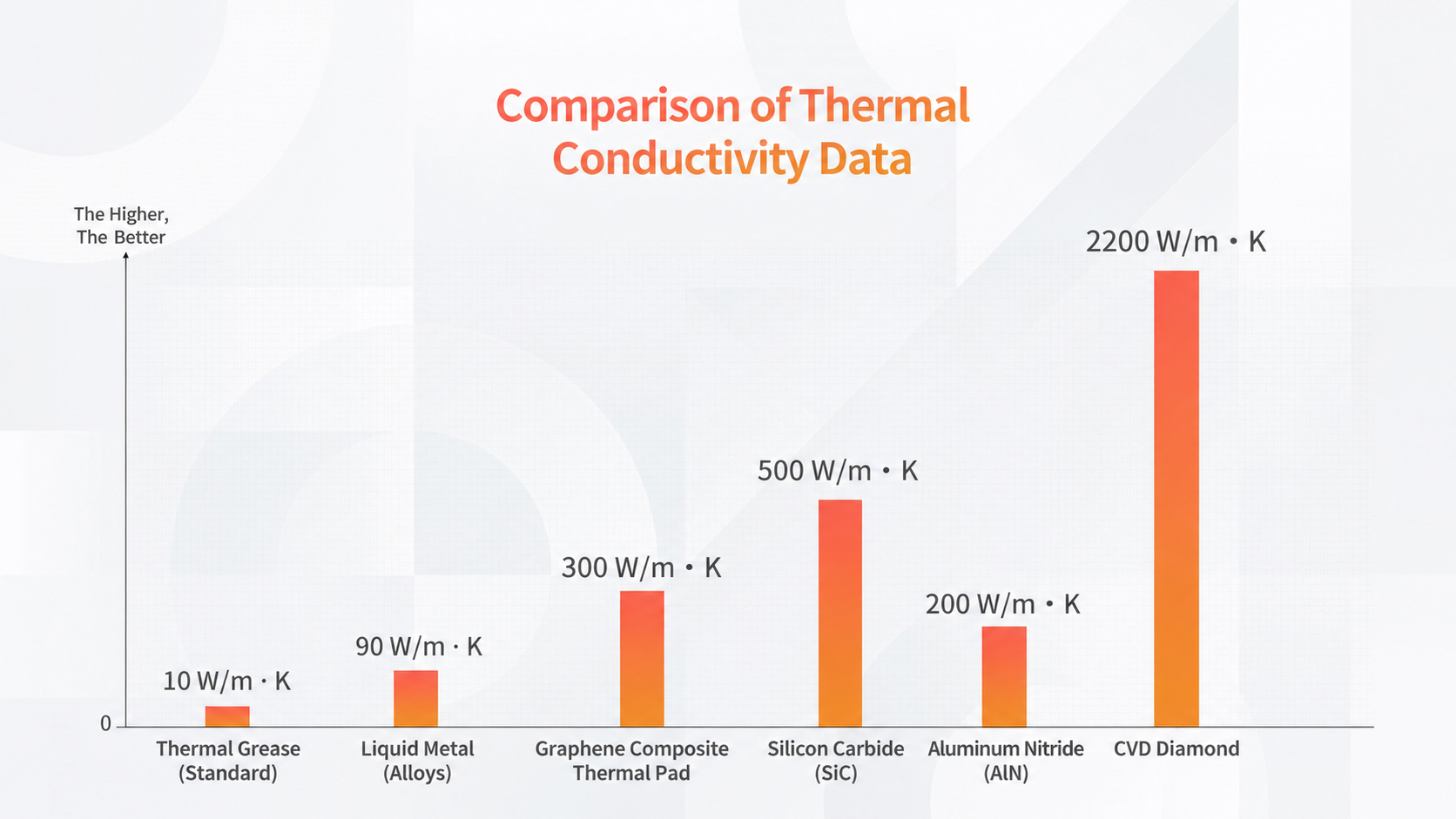
The performance difference becomes even more apparent when comparing diamond with conventional cooling materials.
| Material | Typical Thermal Conductivity (W/m·K) |
| Standard Thermal Paste | 2–6 |
| High-Performance Thermal Paste | Up to ~10 |
| Copper | ~401 |
| Silver | ~429 |
| Diamond (Natural & Lab-Grown) | 2,000–2,200 |
These figures illustrate why diamond has attracted so much attention within the electronics industry. Its thermal conductivity can exceed that of conventional thermal paste by several hundred times and is approximately five times greater than that of copper or silver.
Equally important is how diamond transfers heat.
Metal-based materials rely on electron movement, which also makes them electrically conductive. In many electronic applications, this creates additional design considerations related to electrical isolation and electromagnetic interference.
Diamond behaves differently. Heat is transported through lattice vibrations rather than electrical conduction, allowing diamond to combine exceptional thermal conductivity with excellent electrical insulation, outstanding chemical stability, high temperature resistance, and minimal thermal expansion.
These characteristics make synthetic diamond an increasingly attractive material for advanced semiconductor packaging and next-generation electronic devices.
3. Why the Semiconductor Industry Is Investing in Diamond Technology
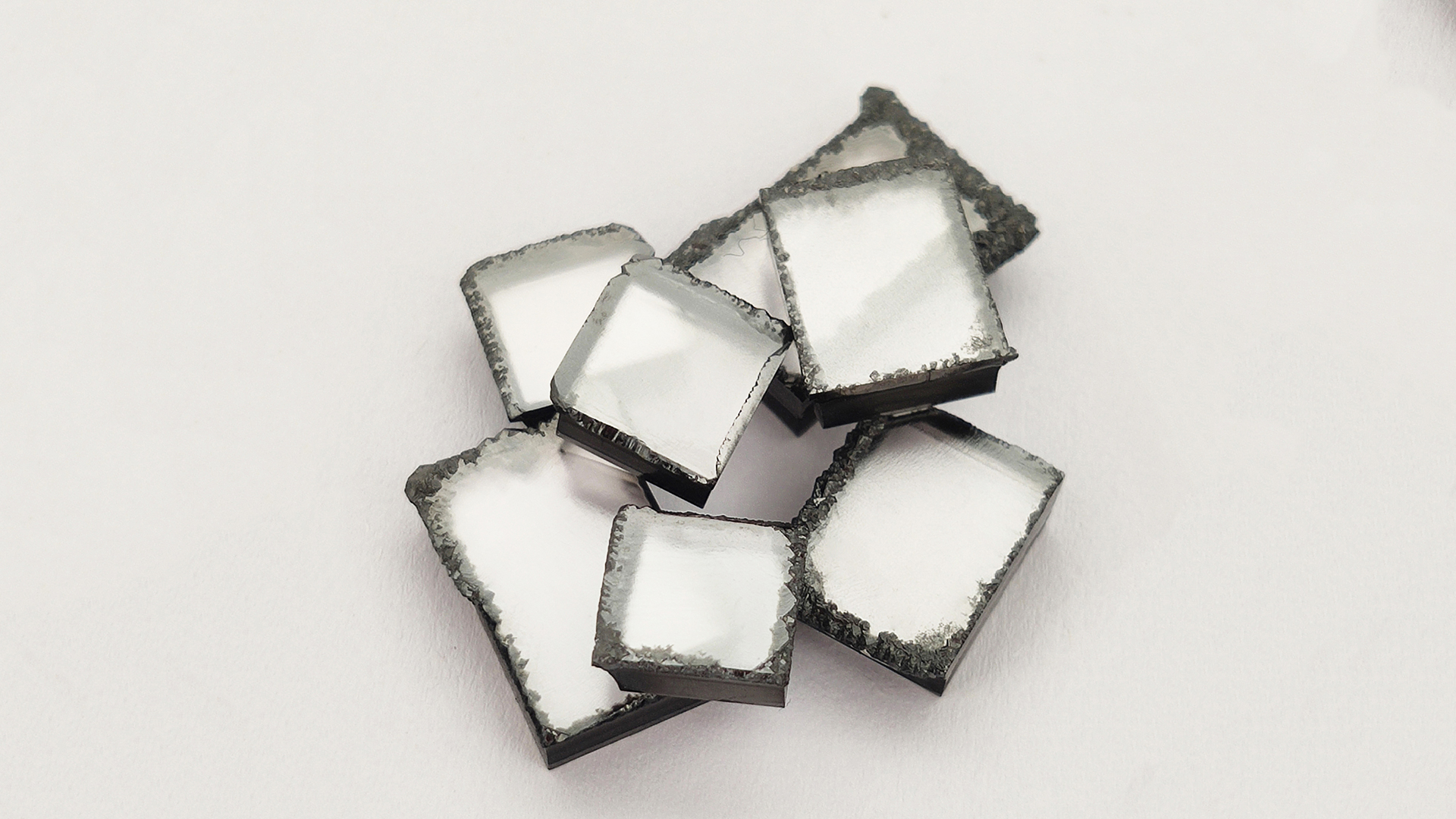
Although most consumers associate lab-grown diamonds exclusively with jewelry, engineers have been studying synthetic diamond for industrial applications for decades.
As processors become more powerful and AI workloads continue to increase, modern chips generate significantly more heat than previous generations. Conventional cooling solutions based on thermal paste and metal heat spreaders are approaching their practical performance limits in some high-power applications.
For this reason, diamond is receiving increasing attention as a next-generation thermal management material.
Across the semiconductor industry, manufacturers and research organizations continue to invest in synthetic diamond technologies for advanced packaging, heat spreaders, and diamond wafer development.
Unlike jewelry-grade stones, industrial diamonds are produced as large-area, ultra-high-purity wafers specifically designed to maximize thermal performance in electronic devices. Their purpose is not optical beauty, but efficient and reliable heat transfer for demanding computing environments.
This growing industrial interest demonstrates that lab-grown diamond is valued not only as a luxury gemstone but also as one of the world's most advanced engineering materials.
4. Jewelry-Grade vs. Industrial Lab-Grown Diamonds
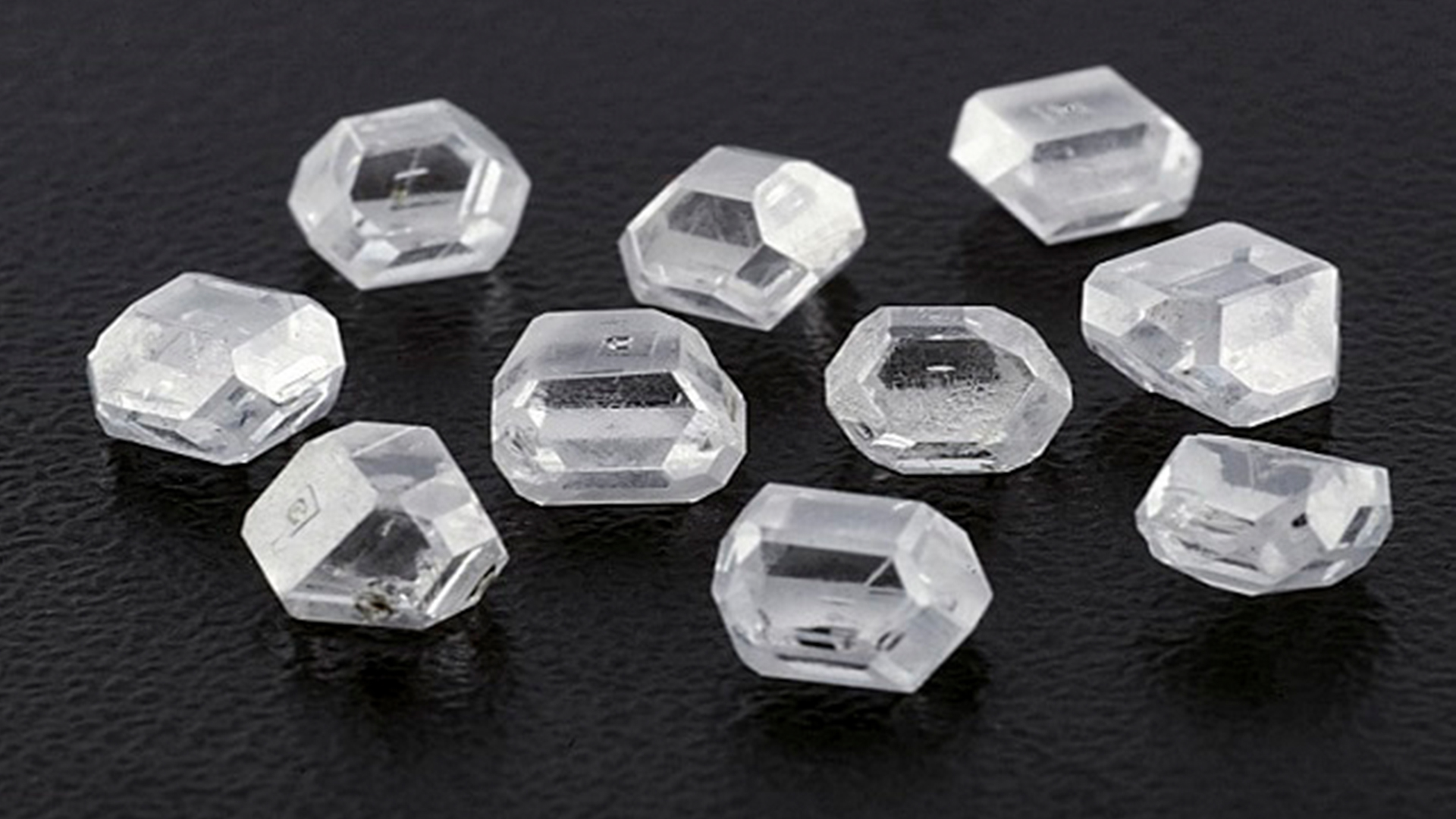
Although they serve entirely different markets, jewelry-grade and industrial lab-grown diamonds are fundamentally the same material.
Both are composed of crystalline carbon and therefore possess the same intrinsic thermal conductivity.
The primary differences lie in manufacturing specifications rather than material composition.
Industrial diamonds are engineered for maximum purity, larger dimensions, and wafer-scale production to meet the strict requirements of semiconductor manufacturing.
Jewelry-grade diamonds, by contrast, are optimized for optical performance, including brilliance, fire, clarity, and precision cutting, before being fashioned into gemstones.
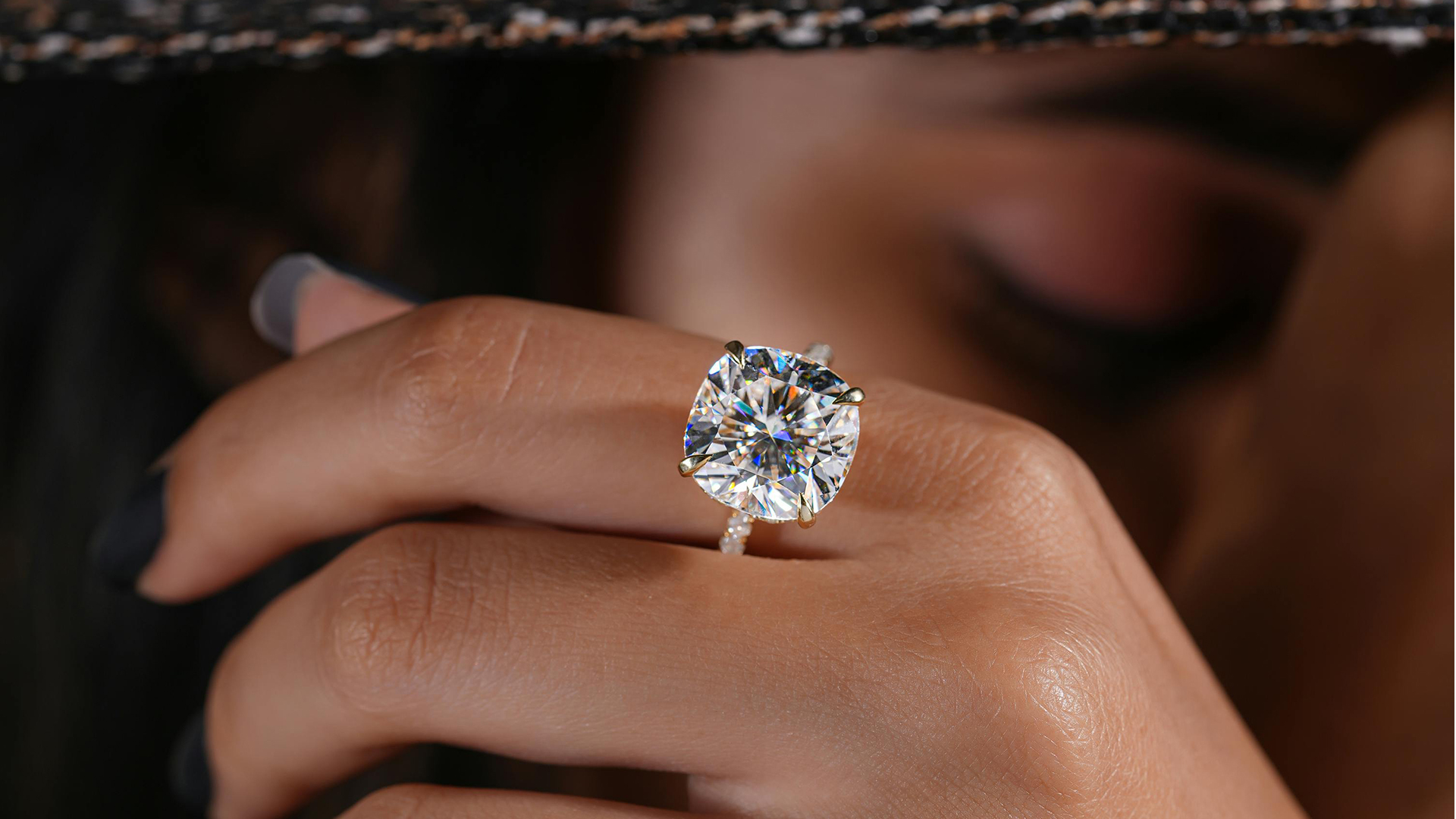
In other words, the diamond set in a ring is made from the same remarkable material used in advanced thermal management systems—it is simply manufactured in a different form for a different purpose.
For many high-end thermal applications, CVD-grown diamond is generally preferred because it can be produced with exceptional purity and uniform crystal quality. These characteristics provide highly consistent thermal performance and have made CVD diamond the dominant technology for many industrial heat dissipation applications.
Final Thoughts
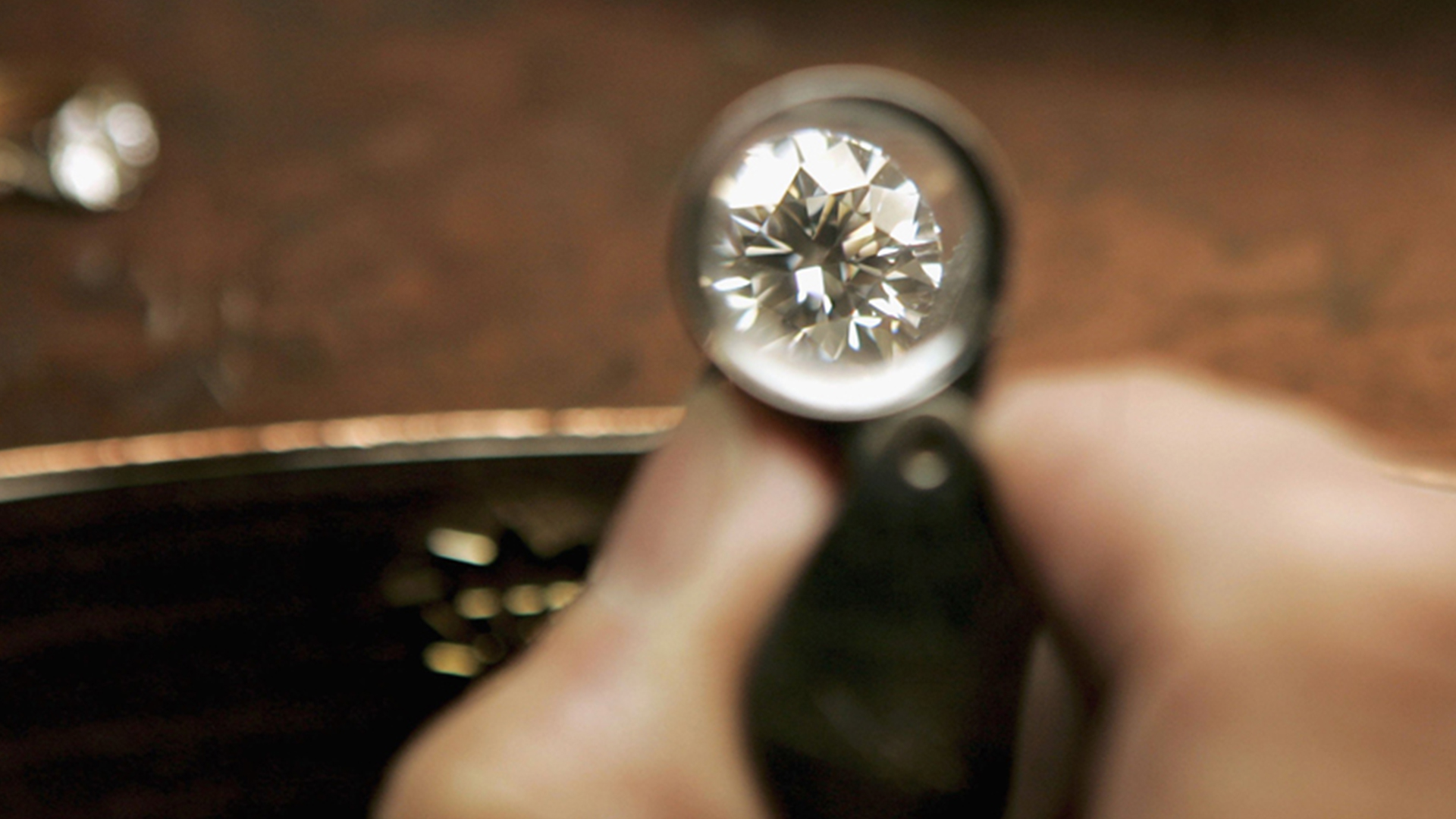
Lab-grown diamonds represent far more than an alternative to mined diamonds.
They combine outstanding beauty with one of the highest thermal conductivity values of any known solid material, making them uniquely valuable in both luxury jewelry and advanced engineering.
As demand continues to grow for AI computing, semiconductor innovation, and high-performance electronics, synthetic diamond is expected to play an increasingly important role in next-generation thermal management technologies.
For consumers, this means every lab-grown diamond tells two remarkable stories. One is a story of exceptional brilliance and craftsmanship. The other is a story of material science—where the very same crystalline carbon admired in fine jewelry is helping solve some of the world's most complex engineering challenges.


