
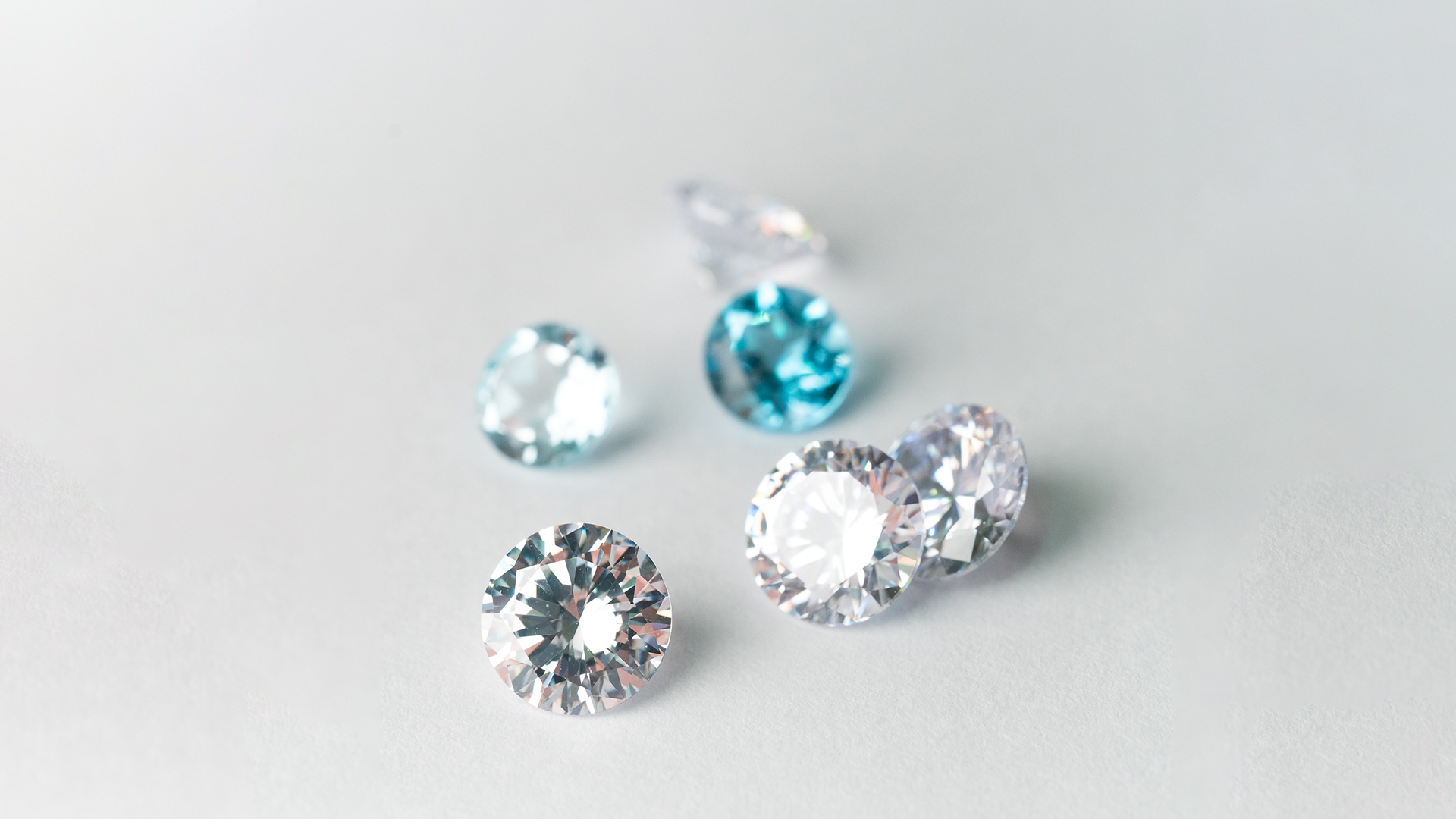
Although zircon and moissanite are both used in jewelry as diamond alternatives, they are fundamentally different gemstones with distinct chemical compositions, optical properties, and durability levels. Understanding these differences is essential when choosing the right stone for long-term wear and visual performance.
What Is Zircon?
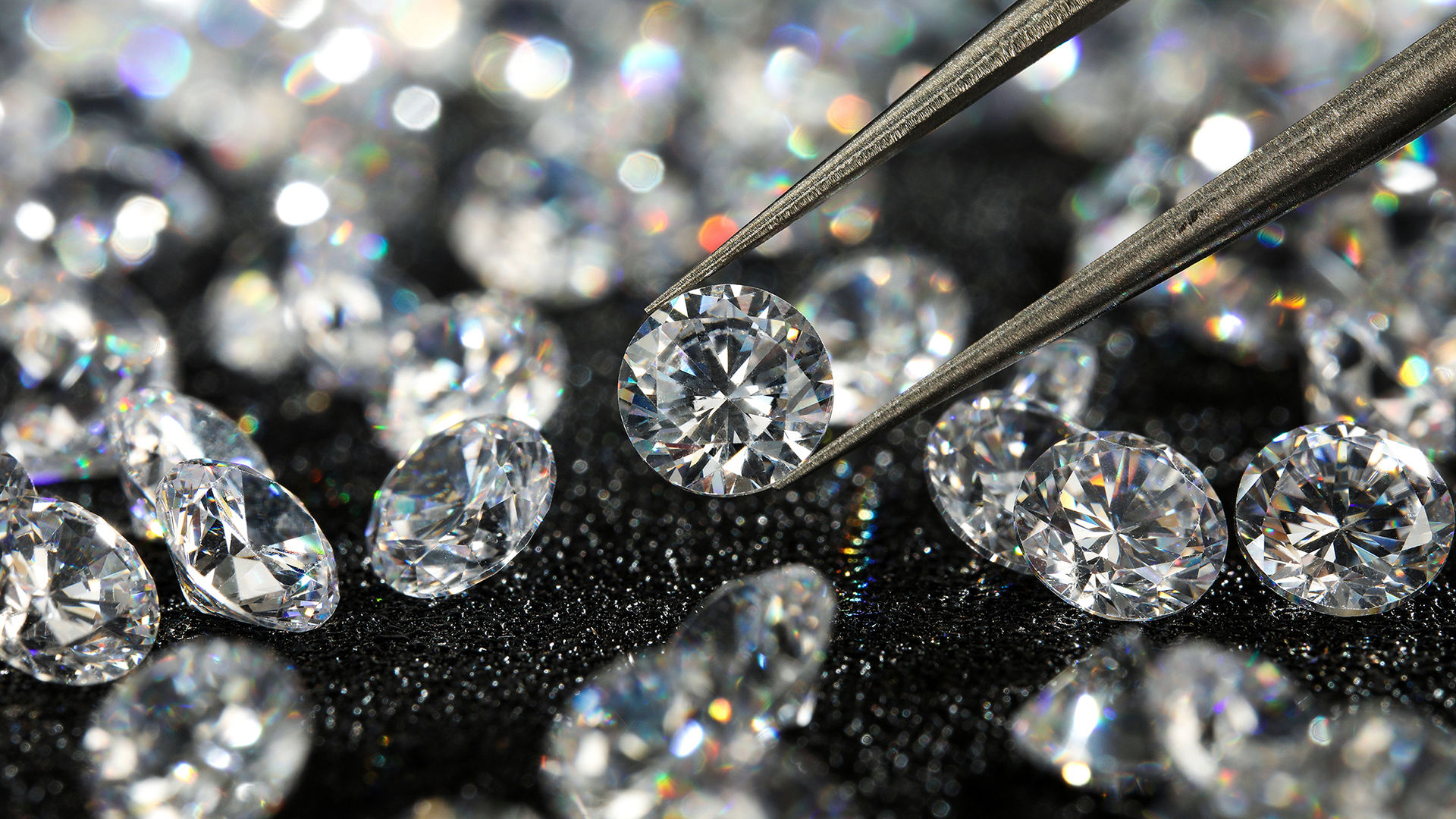
Zircon is a naturally occurring gemstone known for its strong brilliance and high dispersion. It can produce vivid flashes of light due to its optical properties, including a relatively high refractive index and noticeable fire.
One of zircon’s most distinctive characteristics is its strong birefringence, meaning light entering the stone is split into two rays. This can create a slightly doubled or textured visual effect when viewed from certain angles.
Zircon also has a relatively high density compared to many other gemstones, giving it a heavier feel when set in jewelry. Additionally, its spectral properties make it relatively easy to identify in gemological testing.
However, while zircon offers attractive sparkle, it is softer and more prone to surface wear compared to more durable gemstone alternatives.
What Is Moissanite?
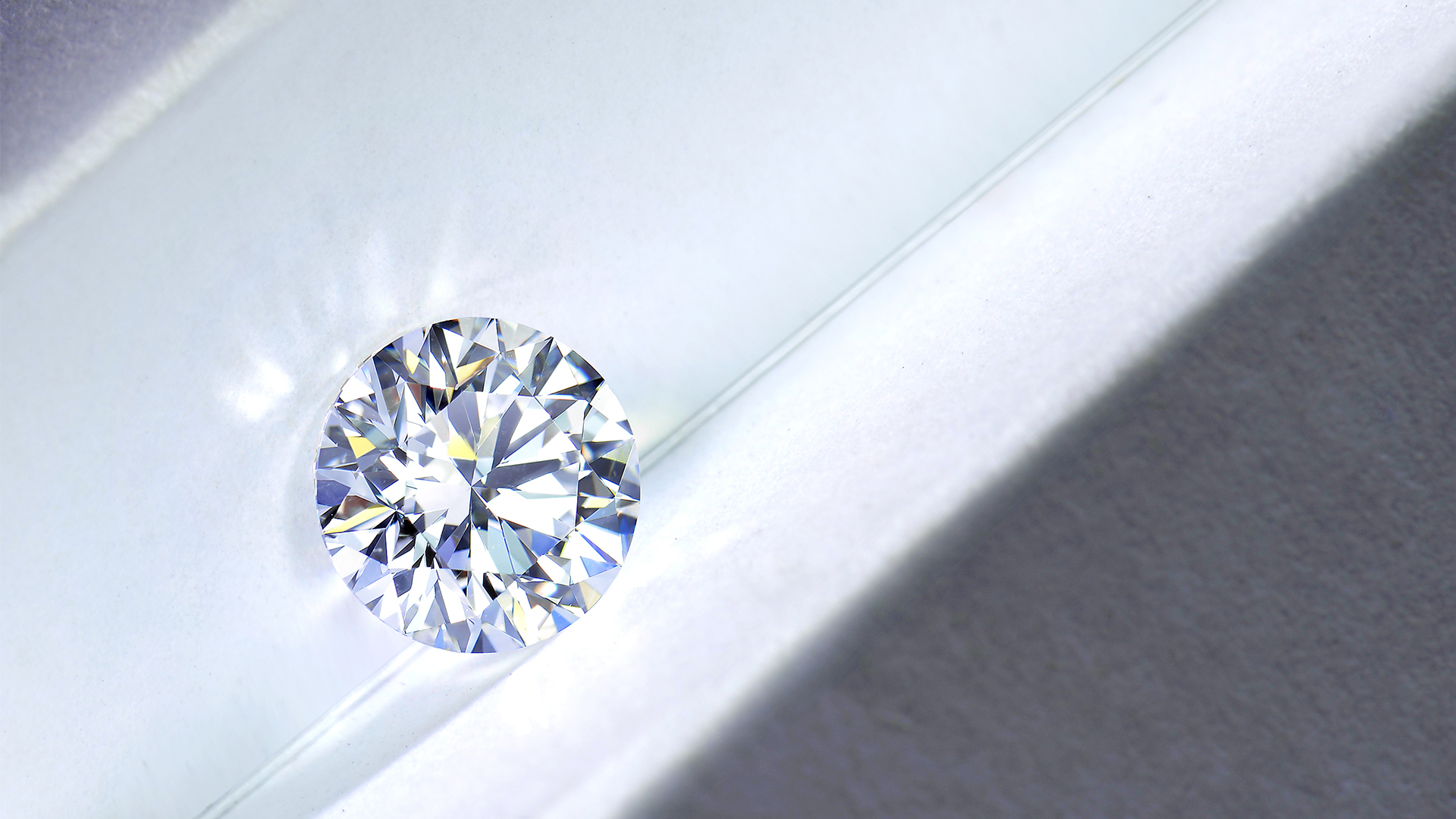
Moissanite is a lab-created gemstone composed of silicon carbide (SiC). It is widely recognized for its exceptional durability and brilliant optical performance, making it one of the most popular modern diamond alternatives.
With a hardness close to that of diamond, moissanite is highly resistant to scratching and suitable for everyday wear in engagement rings and fine jewelry.
One of its defining features is its high refractive index and strong light dispersion, which results in intense brilliance and colorful fire. Under lighting, moissanite often produces a more vivid sparkle compared to many natural gemstones.
Because of its controlled growth process and advanced manufacturing techniques, high-quality moissanite is also valued for its consistency, clarity, and long-term stabilit
Zircon vs Moissanite: Key Differences
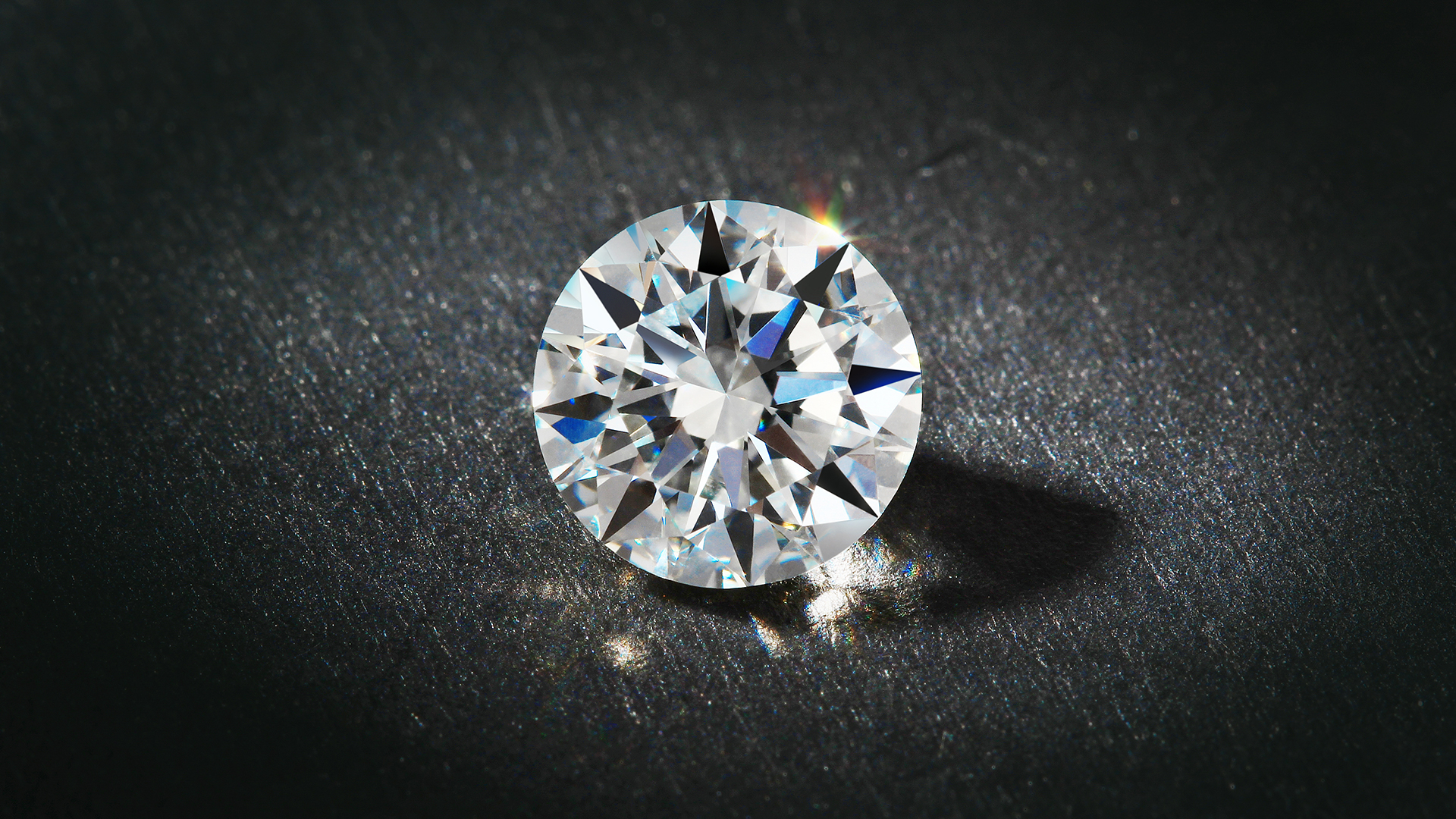
While both gemstones can appear visually appealing, their performance and durability differ significantly:
Composition: Zircon is a natural mineral, while moissanite is a lab-created silicon carbide gemstone.
Hardness: Moissanite is significantly harder and more suitable for long-term daily wear.
Optical Performance: Zircon offers bright but softer brilliance, while moissanite produces stronger fire and sparkle.
Durability: Moissanite maintains its appearance over time, whereas zircon is more susceptible to wear and surface damage.
Which One Should You Choose?
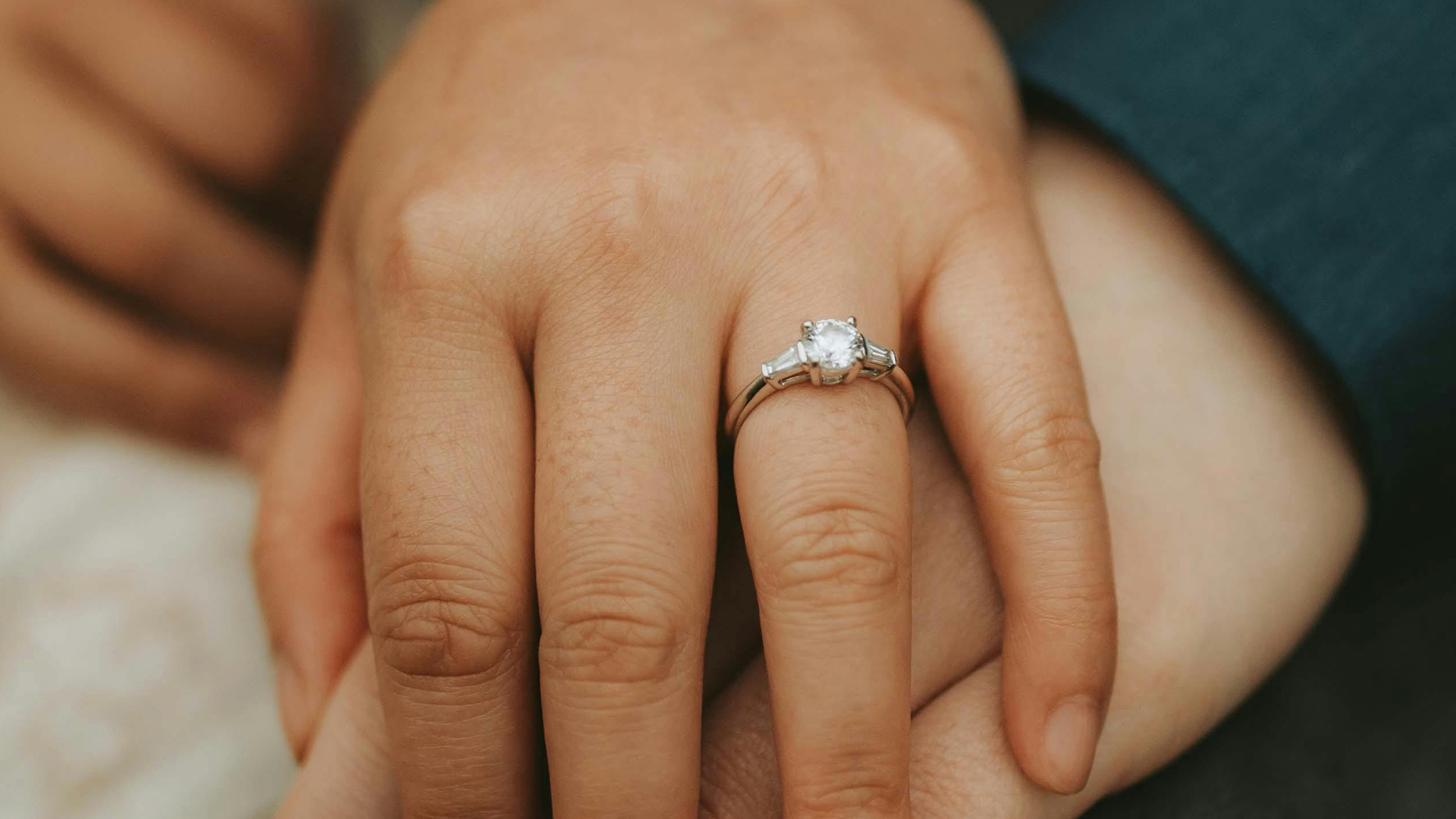
The choice between zircon and moissanite depends on your priorities.
Zircon may appeal to those seeking a natural, affordable gemstone with attractive sparkle for occasional wear. However, for buyers looking for a diamond alternative with superior durability, brilliance, and long-term stability, moissanite is generally the preferred option.
Final Thoughts
Zircon and moissanite both offer unique optical beauty, but they serve different roles in modern jewelry design. Zircon is valued for its natural origin and visual appeal, while moissanite stands out for its exceptional durability and diamond-like performance.
For consumers seeking a balance of brilliance, strength, and everyday wearability, moissanite remains one of the most compelling alternatives to traditional gemstones in today’s fine jewelry market.