
Understanding the First Step Behind Every Custom Jewelry Creation
When customers begin a custom jewelry project, they often focus on the gemstone, metal, or final design. However, behind every beautifully finished piece is a crucial first step that determines the accuracy, craftsmanship, and overall appearance of the final jewelry — jewelry prototyping (jewelry model making).
In the jewelry industry, prototyping is similar to creating an architectural blueprint before building a house. It transforms a design concept into a physical model and serves as the foundation for casting, setting, and final production.
Today, two major jewelry prototyping methods dominate the industry:
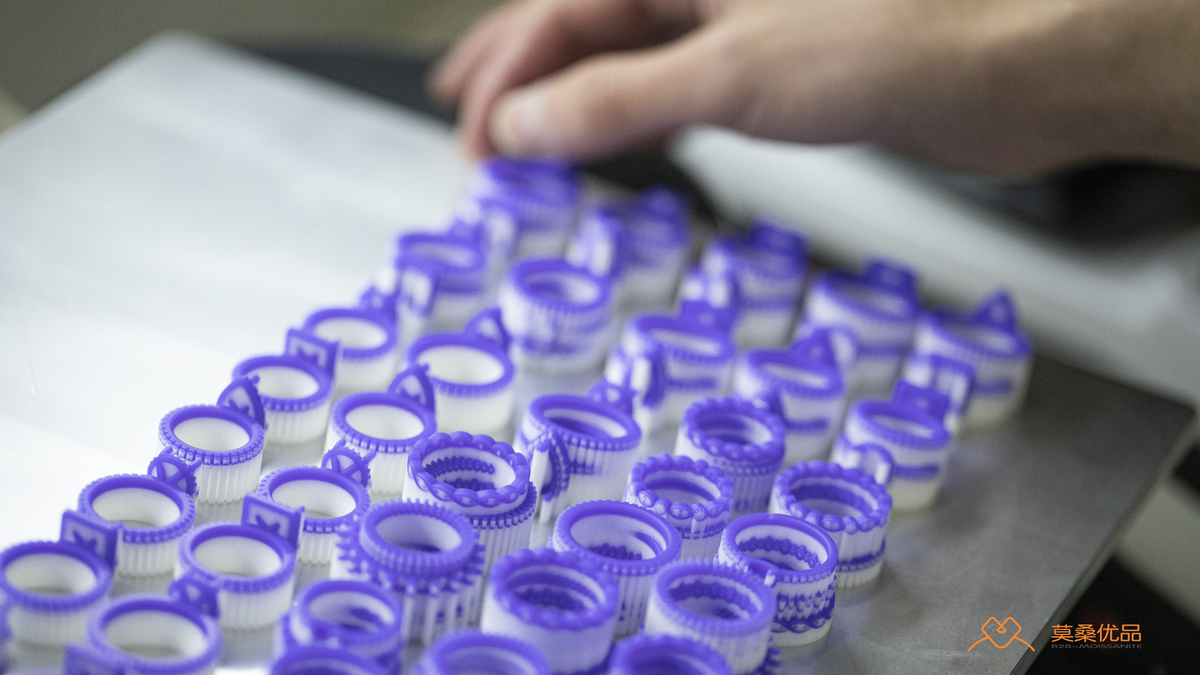
- 3D printing prototyping
- Traditional handcrafted modeling
Both methods have their own advantages. The right choice depends on the design complexity, production requirements, desired craftsmanship, and customization goals.
What Is Jewelry Prototyping?
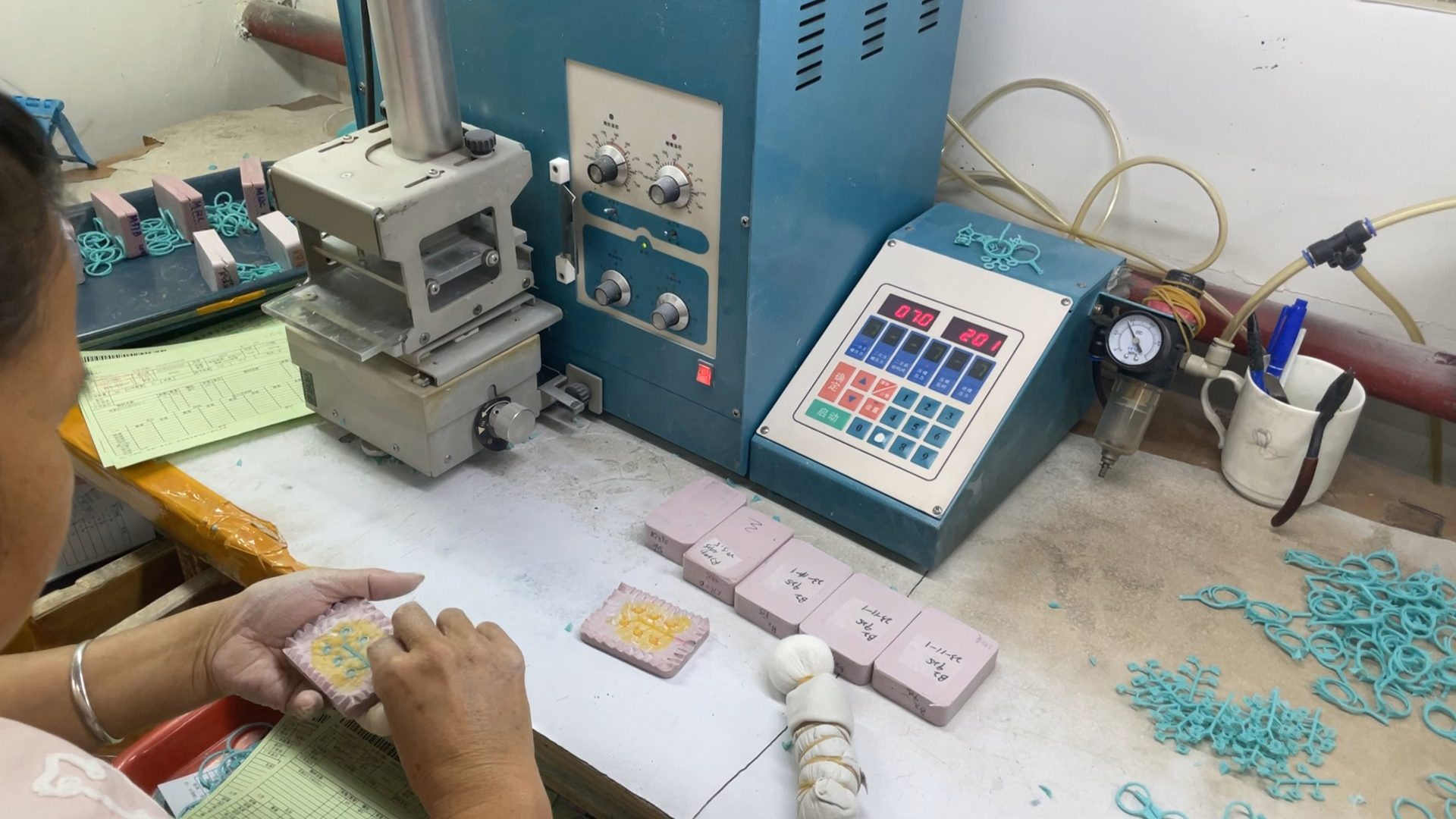
Jewelry prototyping is the process of creating an original model before producing the final jewelry piece. During this stage, designers and craftsmen transform ideas into a physical prototype, which is then used for:
- Lost-wax casting
- Metal production
- Stone setting
- Final polishing and finishing
A precise prototype ensures that the finished jewelry achieves the intended:
- Size accuracy
- Structural stability
- Gemstone placement
- Design details
- Wearing comfort
A well-made prototype is the foundation of high-quality jewelry manufacturing.
1. 3D Printing Jewelry Prototyping: Digital Precision and Efficient Production
What Is 3D Jewelry Prototyping?
3D printing prototyping is a modern digital jewelry manufacturing process.
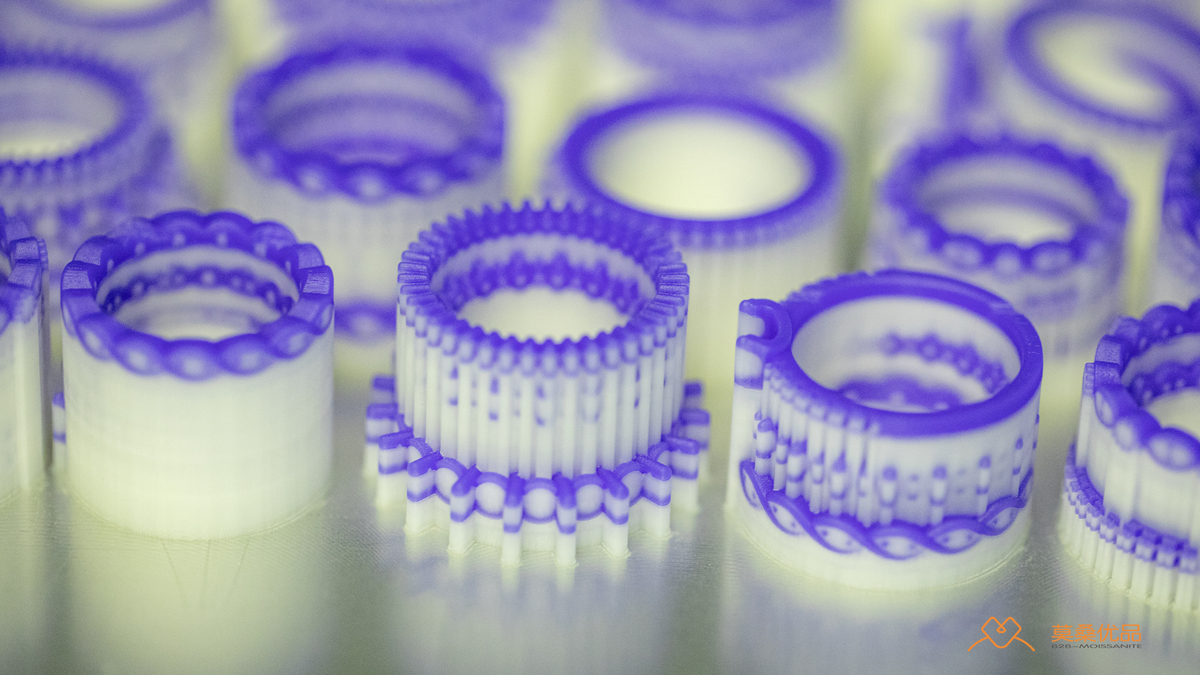
Designers first create a detailed 3D model using CAD (Computer-Aided Design) software. The digital design is then converted into a wax model using specialized 3D printing equipment.
This wax model is not the final jewelry piece. It is typically used in the lost-wax casting process, where the wax model is transformed into a precious metal jewelry piece.
Today, 3D printing has become one of the most widely used methods for modern jewelry customization and production.
Advantages of 3D Printing Prototyping
1. High Precision and Accurate Details
One of the biggest advantages of 3D printing is digital accuracy.
It can precisely reproduce:
- Complex hollow structures
- Intricate patterns
- Detailed engraving
- Accurate gemstone settings
- Symmetrical geometric designs
Because the model is created digitally, every measurement can be controlled and adjusted before production.
This greatly reduces errors during manufacturing.
2. Faster Production Efficiency
Compared with traditional handcrafted modeling, 3D printing dramatically shortens production time.
After completing the digital design, a wax model can often be produced within hours.
This makes it ideal for:
- Wholesale jewelry production
- Multiple-piece customization
- Brand collections
- Fast product development
3. Consistent Quality for Mass Production
For jewelry brands and wholesalers, consistency is essential.
3D printing allows manufacturers to create multiple identical models with:
- Same dimensions
- Same details
- Same proportions
This ensures every finished piece maintains consistent quality.
4. Easier Design Modification
Digital models are easier to revise.
Before production, designers can quickly adjust:
- Ring size
- Stone position
- Metal thickness
- Design proportions
This reduces material waste and lowers modification costs.
- Limitations of 3D Printing Prototyping
- Despite its advantages, 3D printing also has some limitations.
- Less Handmade Character
Because the model is digitally generated, the surface tends to appear more uniform and precise.
Compared with handmade models, it may lack:
- Natural craftsmanship marks
- Organic textures
- Traditional artistic warmth
- Requires Professional Digital Design Skills
The quality of a 3D printed model depends heavily on CAD design accuracy.
An imperfect digital file can directly affect:
- Wax model quality
- Casting results
- Final jewelry appearance
- Higher Equipment Requirements
Professional 3D jewelry printing requires:
- Advanced printers
- Specialized materials
- Experienced technicians
For very small custom projects, the initial cost may be higher.
2. Handcrafted Jewelry Prototyping: Traditional Craftsmanship and Artistic Detail
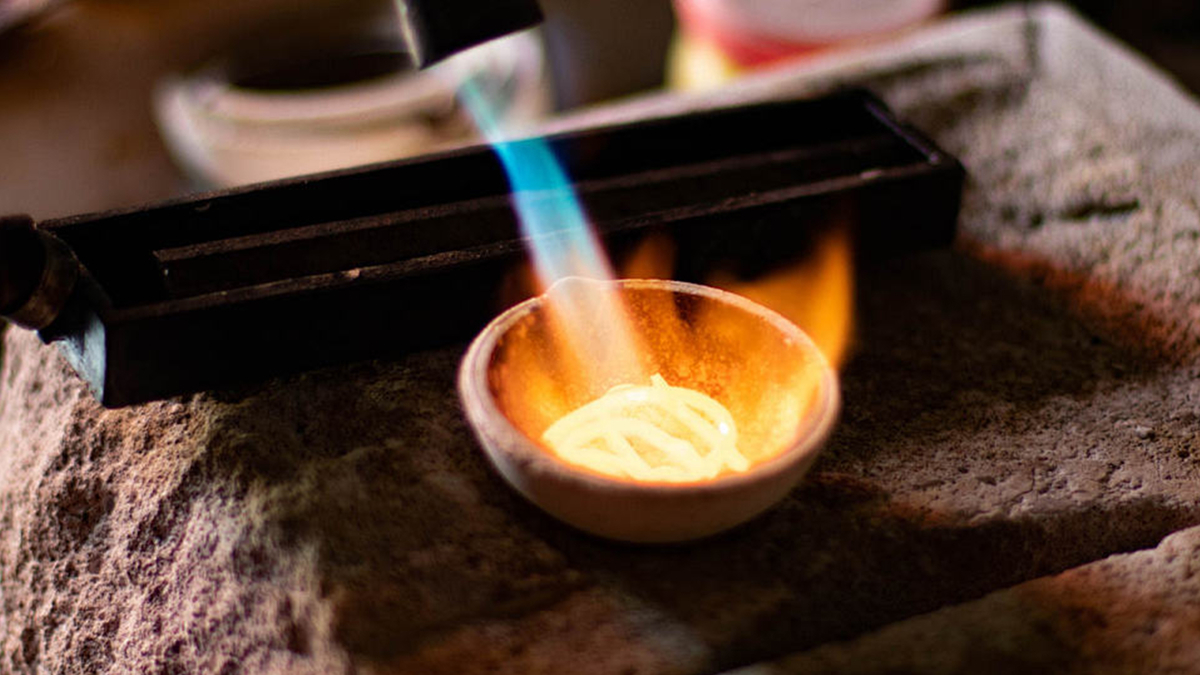
What Is Handmade Jewelry Modeling?
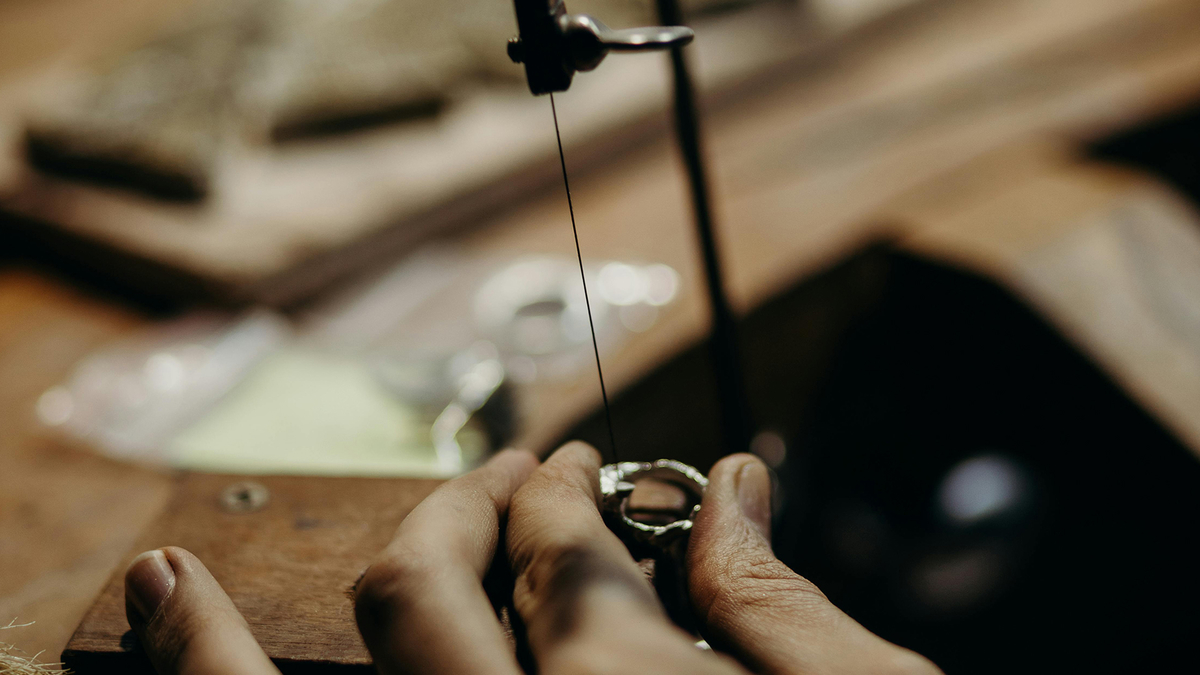
Handcrafted prototyping is a traditional jewelry-making technique where skilled artisans manually create the jewelry model using materials such as:
- Metal sheets
- Metal wires
- Wax
- Tools for carving and shaping
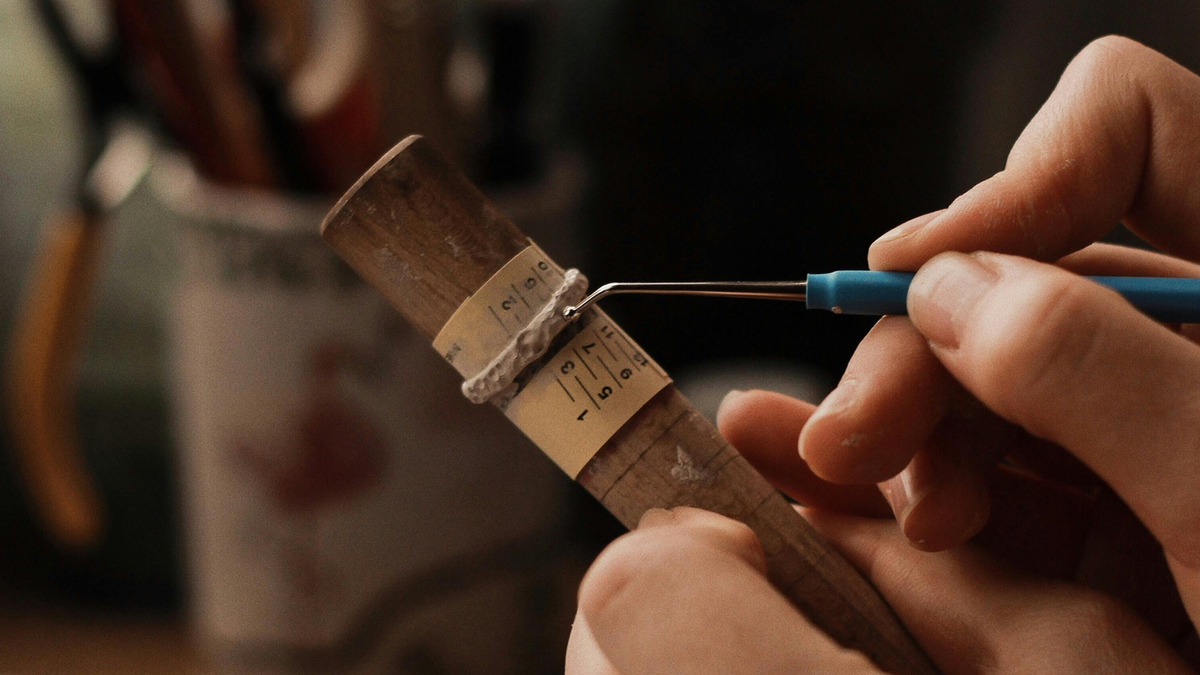
Through techniques including:
- Engraving
- Hammering
- Bending
- Filing
- Polishing
craftsmen gradually transform raw materials into a jewelry prototype.
This method represents the artistry and personal touch of traditional jewelry craftsmanship.
Advantages of Handmade Prototyping
1. Unique Handmade Texture
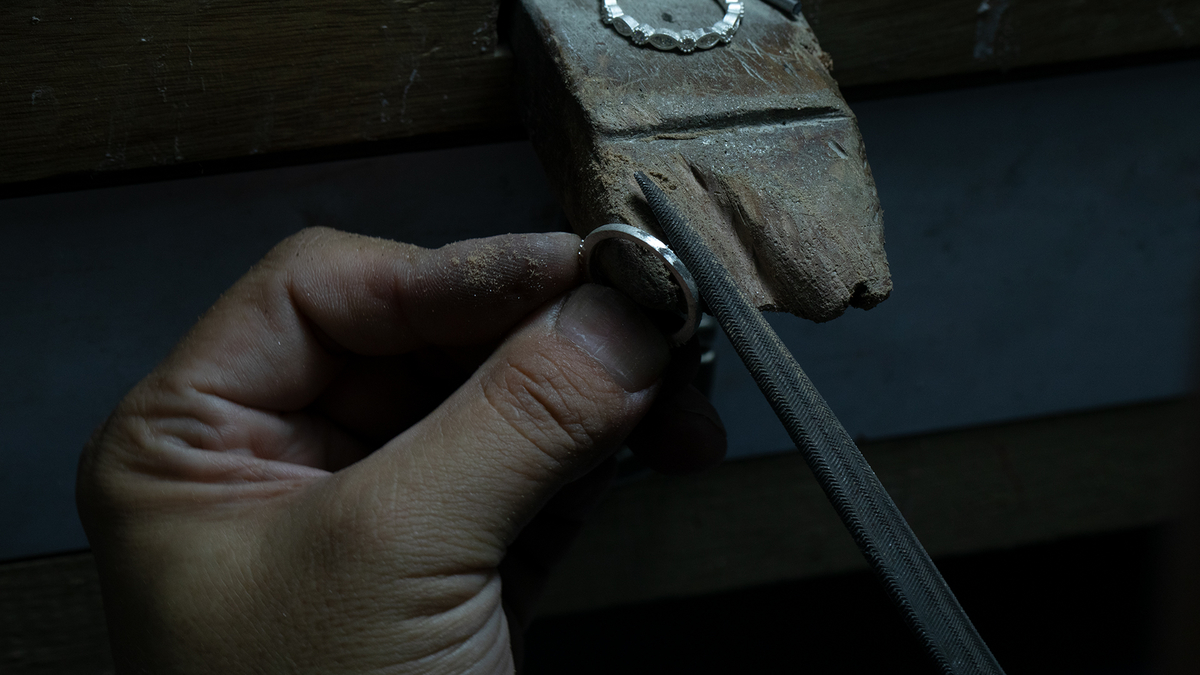
The greatest advantage of handmade modeling is its artistic character.
Each handmade prototype carries subtle craftsmanship details, creating:
- Organic textures
- Vintage appearance
- Unique visual identity
This makes it especially suitable for:
- Vintage jewelry
- Artistic designs
- Luxury custom pieces
2. High Flexibility During Creation
Experienced craftsmen can adjust designs directly during the making process.
This allows greater flexibility for:
- Personalized jewelry
- One-of-a-kind designs
- Special commemorative pieces
3. Natural and Comfortable Finishing
Hand polishing and shaping can create:
- Softer edges
- More comfortable wearing surfaces
- More refined tactile experiences
For certain classic jewelry styles, handmade finishing provides a distinctive luxury feel.
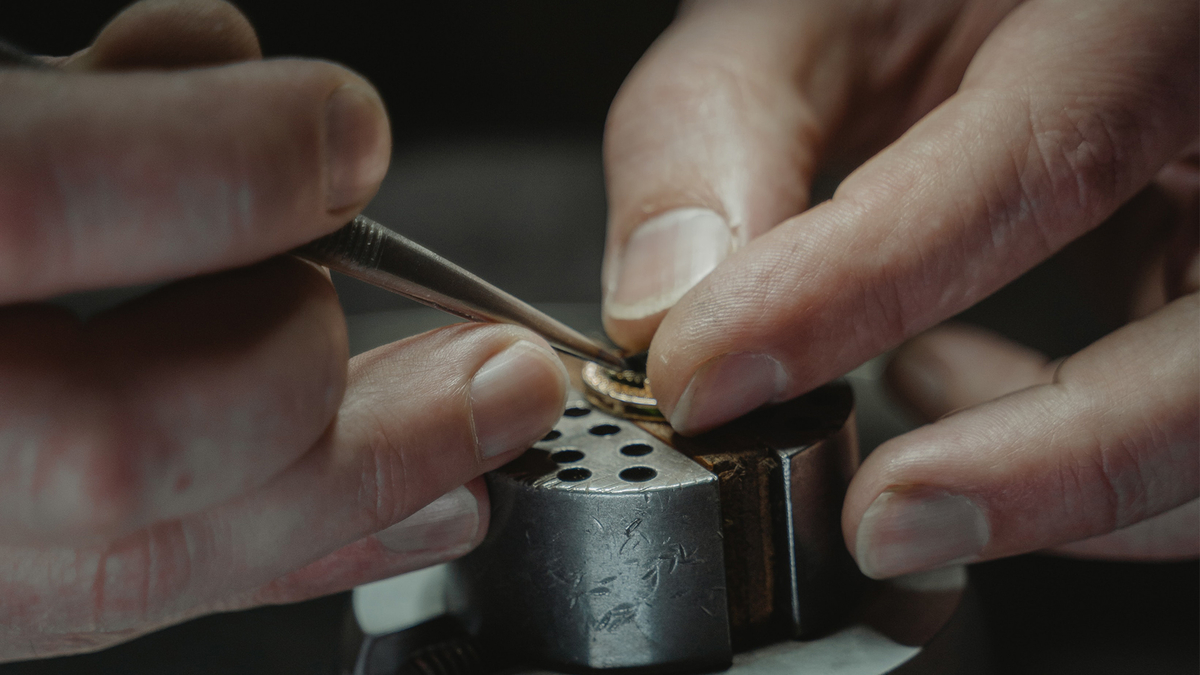
Limitations of Handmade Prototyping
1. Longer Production Time
Handmade modeling requires significant craftsmanship.
A simple prototype may take several days, while complex designs can require much longer.
It is not suitable for large-scale production.
2. Precision Depends on Artisan Skill
Because the process relies heavily on human craftsmanship, results may vary between different makers.
Potential differences include:
- Slight size variations
- Uneven symmetry
- Detail differences
3. Difficult Design Modifications
Once a handmade model is completed, major changes may require rebuilding the prototype.
This can increase:
- Labor costs
- Material waste
- Production time
3D Printing vs. Handmade Prototyping: Key Differences
Comparison 3D Printing Handmade Modeling
Precision ★★★★★ Digital accuracy ★★★ Depends on craftsmanship
Production Speed Fast Slow
Mass Production Excellent Limited
Complex Designs Excellent More challenging
Handmade Texture Limited Excellent
Custom One-of-a-kind Pieces Good Excellent
Cost Efficiency Better for volume production Better for small projects
How to Choose the Right Jewelry Prototyping Method?
There is no absolute winner between the two methods. The best choice depends on your project requirements.
Choose 3D Printing If You Need:
✔ High precision
✔ Complex designs
✔ Faster development
✔ Multiple identical pieces
✔ Wholesale production
Ideal for:
- Jewelry brands
- Retail collections
- Production orders
- Modern minimalist designs
Choose Handmade Modeling If You Need:
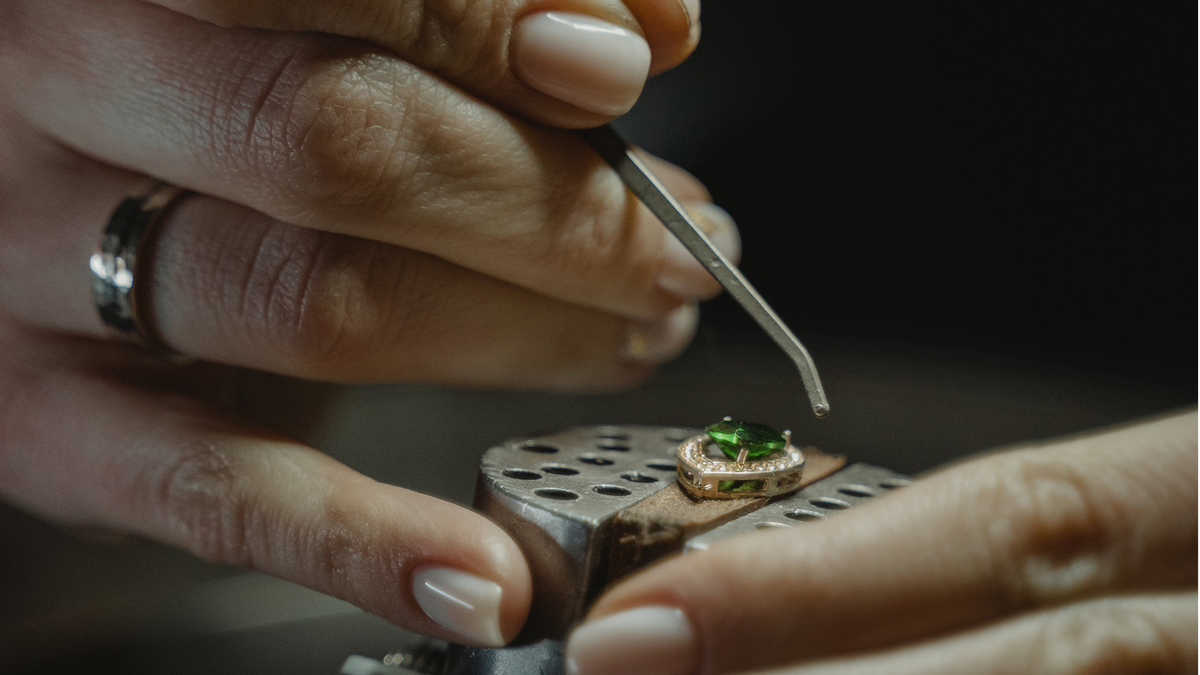
✔ Traditional craftsmanship
✔ Unique textures
✔ Vintage aesthetics
✔ One-of-a-kind jewelry
Ideal for:
- Custom engagement rings
- Anniversary jewelry
- Artistic jewelry collections
- Luxury handcrafted pieces
The Future of Jewelry Prototyping: Technology Meets Craftsmanship
Modern jewelry manufacturing is no longer limited to traditional techniques.
3D printing brings:
- Digital precision
- Faster production
- Design flexibility
while handmade craftsmanship brings:
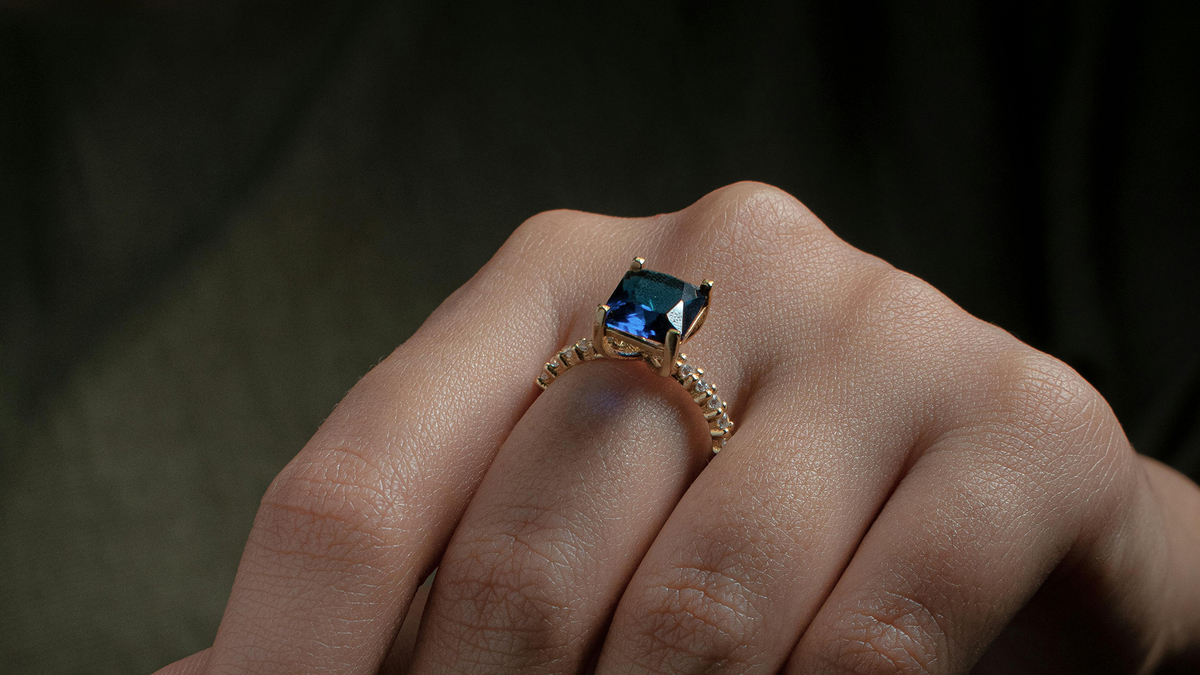
- Artistic expression
- Emotional value
- Unique character
Many high-end jewelry manufacturers now combine both methods:
Digital technology creates accuracy, while craftsmanship adds personality.
Understanding the difference between 3D printing and handmade prototyping allows customers, designers, and jewelry businesses to choose the right production method and create jewelry that perfectly balances design, quality, and individuality.