
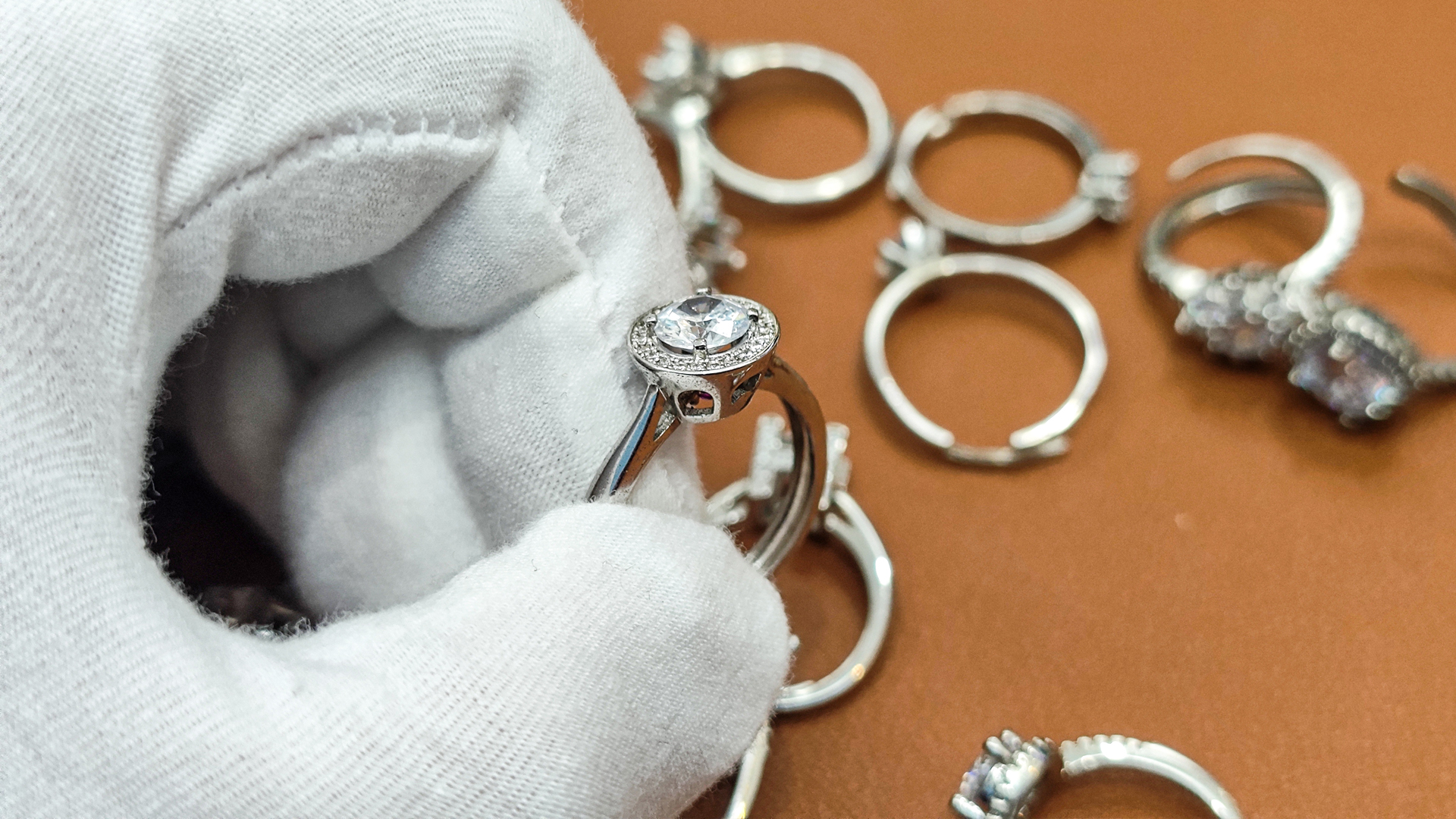
Many people own jewelry pieces that are no longer worn—not because the gemstone has lost its beauty, but because the setting has become outdated, damaged, or no longer matches their personal style. A loose gemstone may still be perfectly beautiful, while the original ring setting has become worn, bent, or outdated.
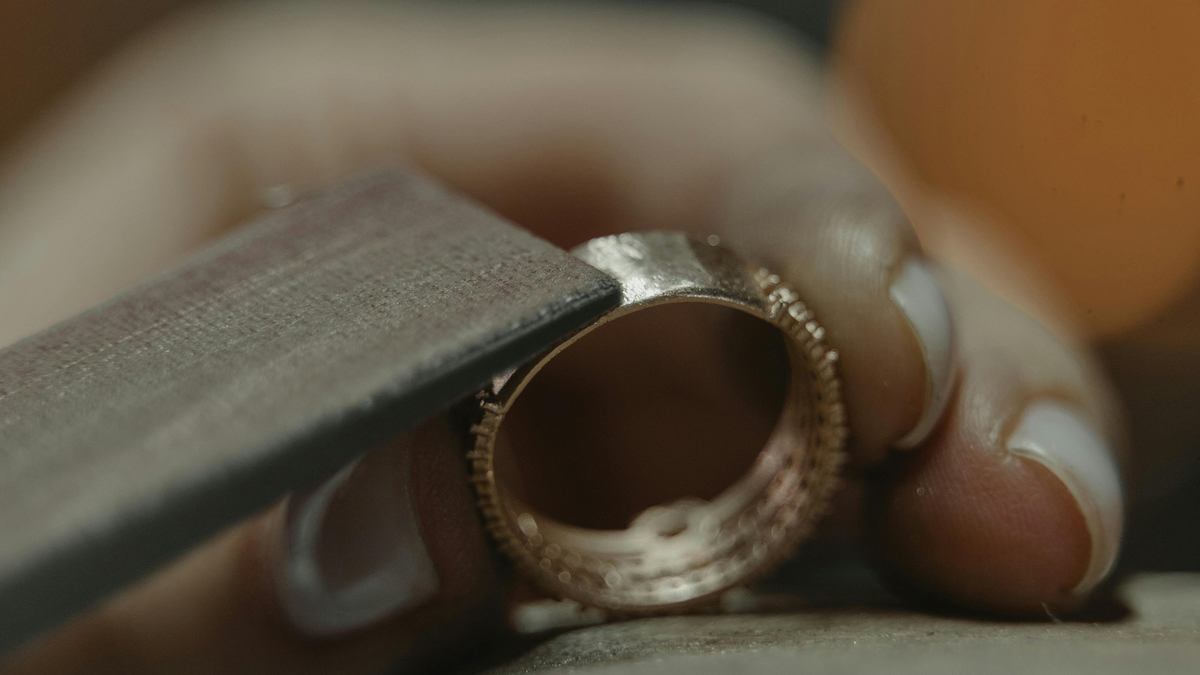
Resetting an existing gemstone into a new ring setting is an excellent way to preserve sentimental value while creating a completely refreshed piece of jewelry. However, gemstone resetting requires professional expertise. Improper removal, handling, or setting can cause scratches, chips, cracks, or even permanent damage to the stone.
In this guide, we explain which gemstones are suitable for resetting, the key techniques professionals use, and the most important precautions to consider before redesigning your jewelry.
1. Which Gemstones Are Suitable for Resetting?
Not every gemstone can be safely removed and placed into a new setting. Each gemstone has different levels of hardness, durability, and internal structure, which determine how safely it can be handled during the resetting process.
Gemstones That Are Generally Suitable for Resetting
Diamonds, Sapphires, and Rubies
Diamonds, sapphires, and rubies are among the most durable gemstones used in fine jewelry. Their excellent hardness and stable crystal structures allow them to withstand professional removal, cleaning, and re-setting procedures when handled correctly.
These gemstones are commonly chosen for jewelry redesign projects because they have a higher resistance to everyday wear and mechanical stress.
Gemstones That Require Extra Care
Emeralds and Tourmalines
Emeralds and tourmalines require a more cautious approach. Although beautiful and valuable, these gemstones often contain natural inclusions and may have greater sensitivity to pressure.
During removal, excessive force can cause edge chipping or internal fractures. For these gemstones, professionals usually recommend minimizing structural changes and avoiding frequent resetting unless necessary.
Gemstones Not Recommended for Frequent Resetting
Pearls, Amber, and Organic Gemstones
Pearls, amber, and other organic gemstones are significantly softer and more sensitive to heat and pressure.
High temperatures used during jewelry repair or soldering may damage their surface, while improper handling can cause scratches, peeling, or permanent deterioration. Once damaged, these materials are often difficult or impossible to restore.
2. Professional Techniques for Safely Resetting an Old Gemstone
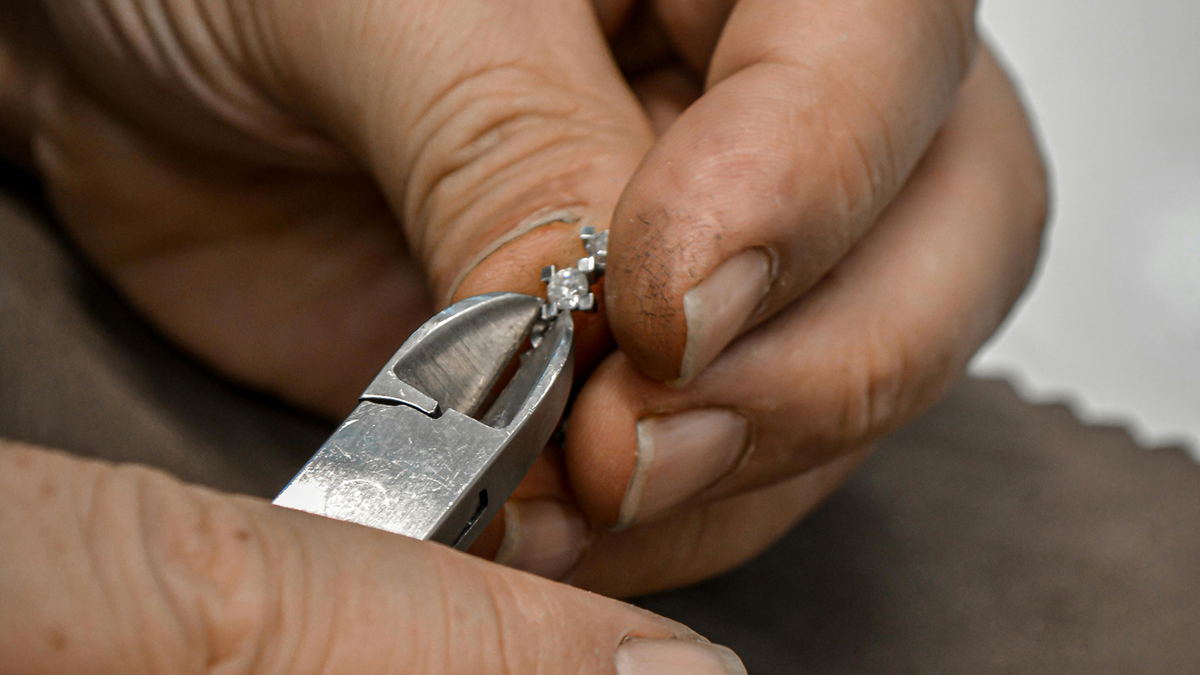
A successful jewelry redesign depends on three key factors: careful stone removal, precise setting selection, and appropriate craftsmanship.
1. Stone Removal: Gentle Handling Is Essential
Removing the original gemstone is the most critical step in the resetting process.
Professional jewelers carefully loosen the existing setting and remove the stone with controlled techniques to minimize stress on the gemstone.
Avoid aggressive methods or excessive force, as older gemstones may already contain microscopic fractures that become vulnerable during removal.
2. Choosing the Right Setting: Proper Fit Prevents Damage
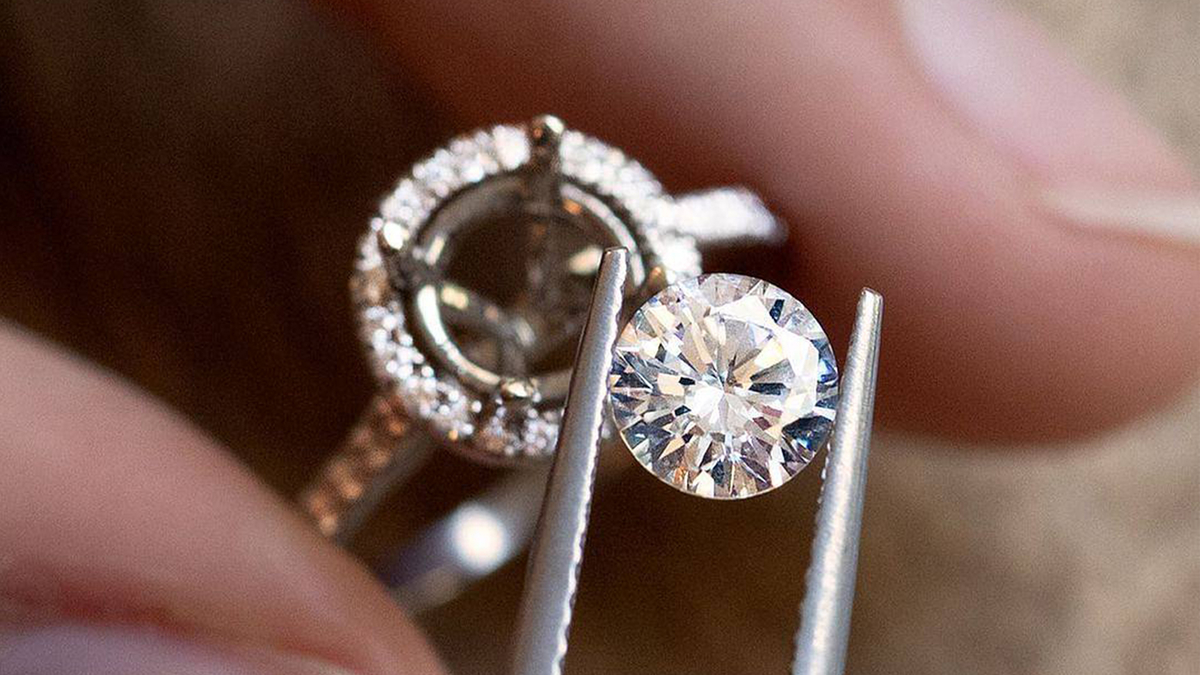
A new ring setting must be designed specifically for the gemstone’s exact measurements
Professional jewelers measure:
- Gemstone diameter
- Depth and thickness
- Shape and cutting style
- Existing wear patterns
The gemstone should never be forced into a setting that does not match its dimensions, as excessive pressure may create internal stress and lead to cracking.
For example:
- Round gemstones are often paired with classic four-prong or six-prong settings.
- Fancy-shaped gemstones are usually customized with specially designed settings to ensure balanced support.
A properly fitted setting improves both security and long-term durability.
3. Setting Technique: Hand Craftsmanship Offers Better Control
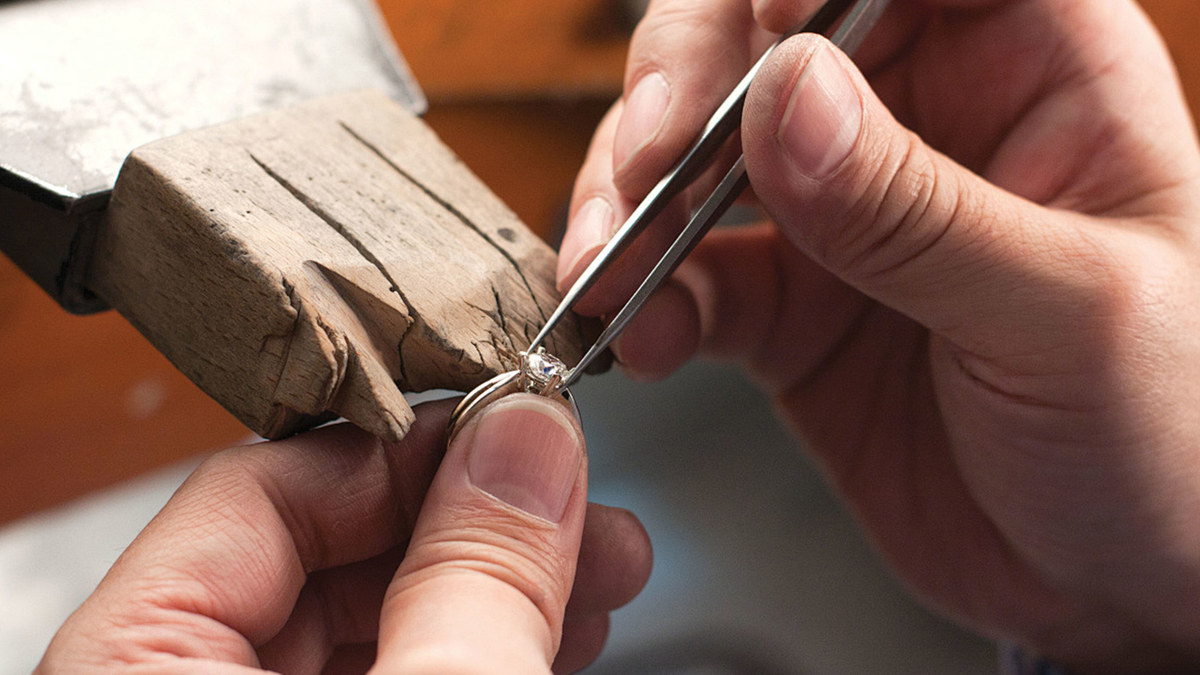
For valuable or sentimental gemstones, hand-setting techniques are often preferred.
Experienced jewelers can carefully adjust prongs and metalwork to achieve a secure fit while reducing unnecessary pressure on the gemstone.
Mass-production mechanical setting methods may create inconsistent pressure, increasing the risk of damaging older stones.
After setting, the metal edges should be carefully polished to ensure a smooth finish without sharp edges or discomfort during wear.
3. Common Mistakes to Avoid When Resetting Jewelry
1. Protect Against Gemstone Replacement Risks
When resetting valuable gemstones, always maintain proper documentation.
Recommended precautions include:
- Photographing the gemstone before repair
- Recording identifying characteristics
- Keeping original certificates and grading reports
- Verifying gemstone inscriptions or laser inscriptions when available
These steps help protect against accidental replacement or incorrect identification.
2. Avoid Excessive Heat Exposure
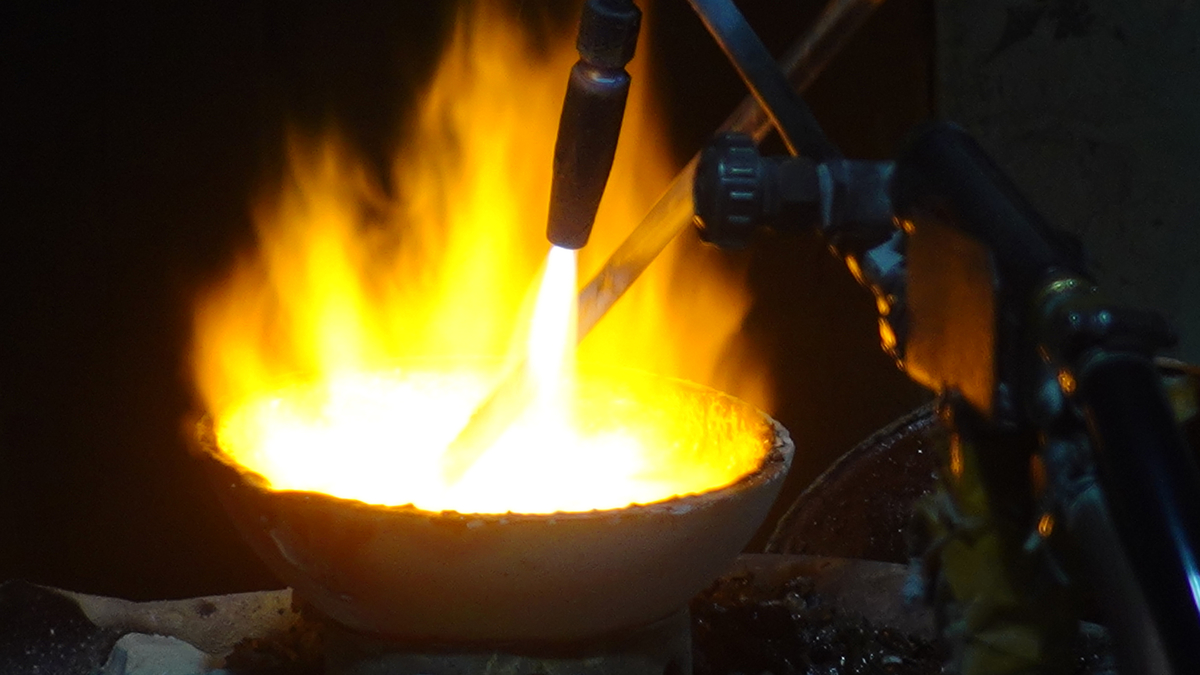
Some gemstones are highly sensitive to heat.
Emeralds, tourmalines, and other fragile stones should receive special protection during jewelry repair. Excessive heat can worsen internal fractures and permanently affect gemstone appearance.
Professional jewelers use appropriate protective techniques to minimize thermal risk.
3. Avoid Over-Polishing or Recutting Without Reason
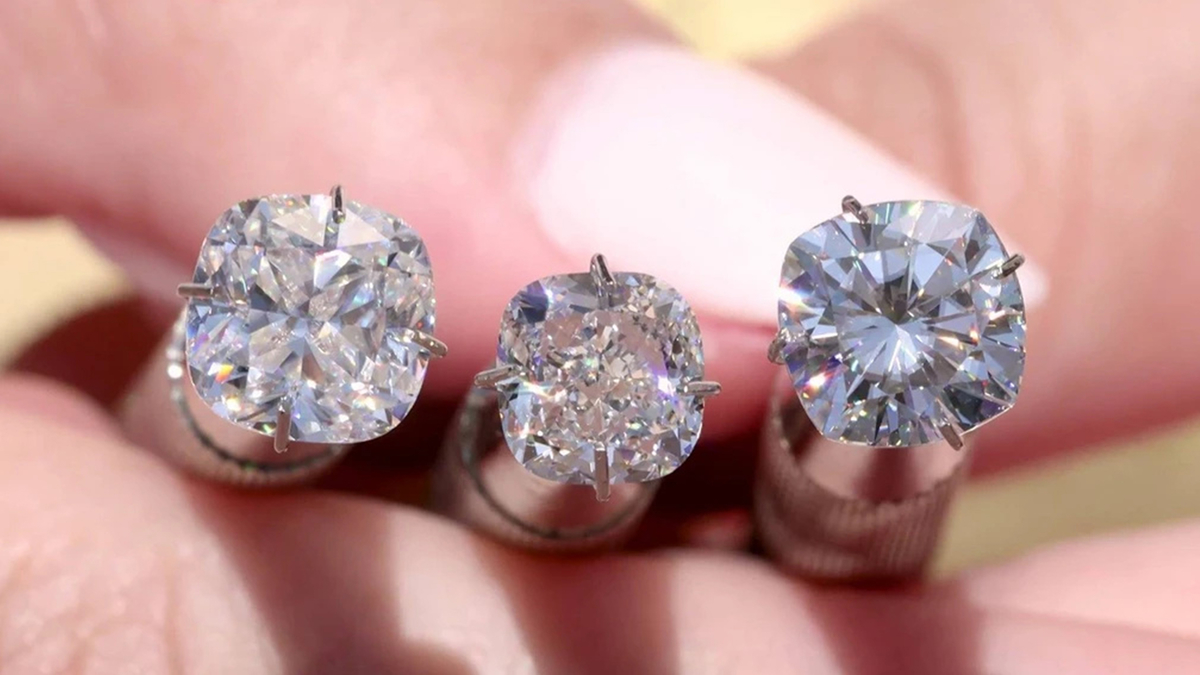
Older gemstones naturally show signs of wear over time. While polishing may improve appearance, excessive polishing can:
- Reduce gemstone weight
- Alter original proportions
- Damage historical value
- Change the original cutting style
A professional evaluation should always be completed before deciding to polish or recut an existing gemstone.
4. Choose Practical Designs for Older Gemstone
For gemstones with existing wear or minor inclusions, simpler settings are often the best choice.
Classic designs such as:
- Solitaire settings
- Four-prong settings
- Six-prong settings
provide balanced support and easier future maintenance compared with highly complex designs featuring many small stones or delicate structures.
4. Jewelry Care After Resetting
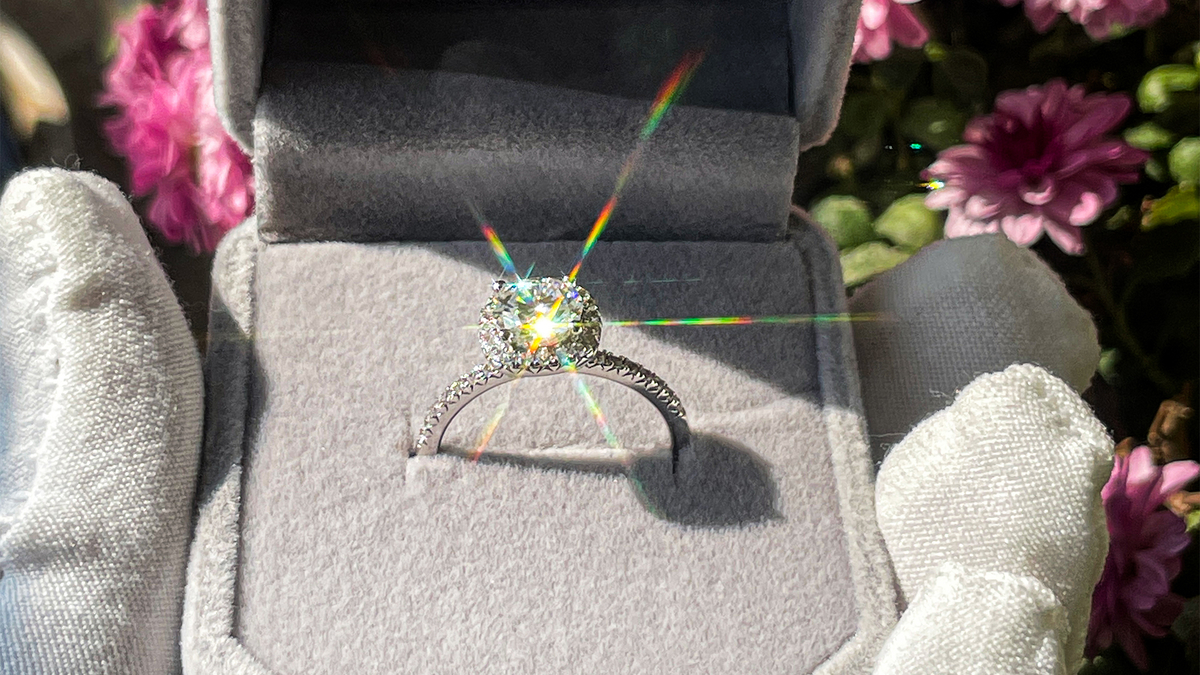
After a gemstone has been reset, proper maintenance helps protect both the stone and the new setting.
Recommended care tips:
- Avoid heavy impact and water exposure during the first week after resetting.
- Check prongs regularly to ensure the gemstone remains secure.
- Keep fragile gemstones away from harsh chemicals and household cleaners.
- Schedule professional inspections periodically for valuable jewelry.
Regular maintenance helps preserve the beauty and security of redesigned jewelry for years to come.
Final Thoughts: Resetting Old Gemstones Requires Expertise and Precision
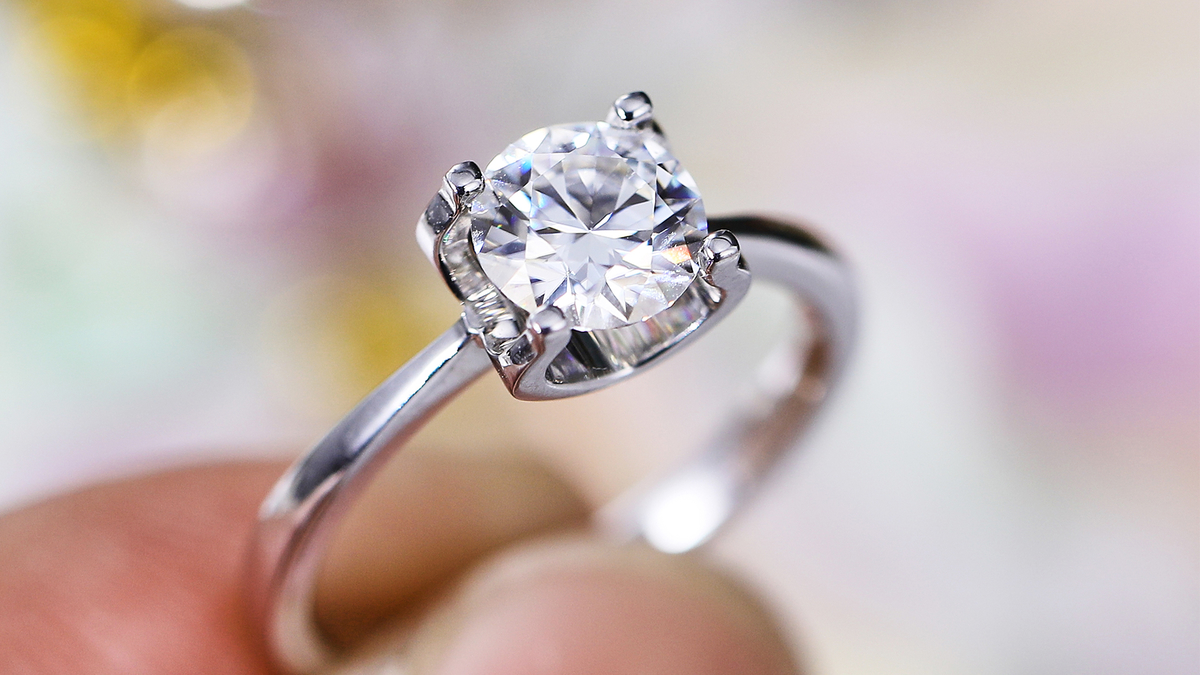
Resetting an old gemstone is more than simply changing a ring setting—it is a process that requires careful evaluation, professional craftsmanship, and respect for the original gemstone.
The key principles are simple:
Gentle stone removal + precise setting design + appropriate craftsmanship = successful jewelry transformation.
Durable gemstones such as diamonds, sapphires, and rubies can often be beautifully redesigned, while fragile gemstones require additional caution.
By choosing a trusted jeweler, preserving original gemstone records, and avoiding unnecessary modifications, you can transform an old piece of jewelry into a new design while keeping its sentimental meaning alive for generations.