
When choosing gold jewelry, many buyers have the same questions:
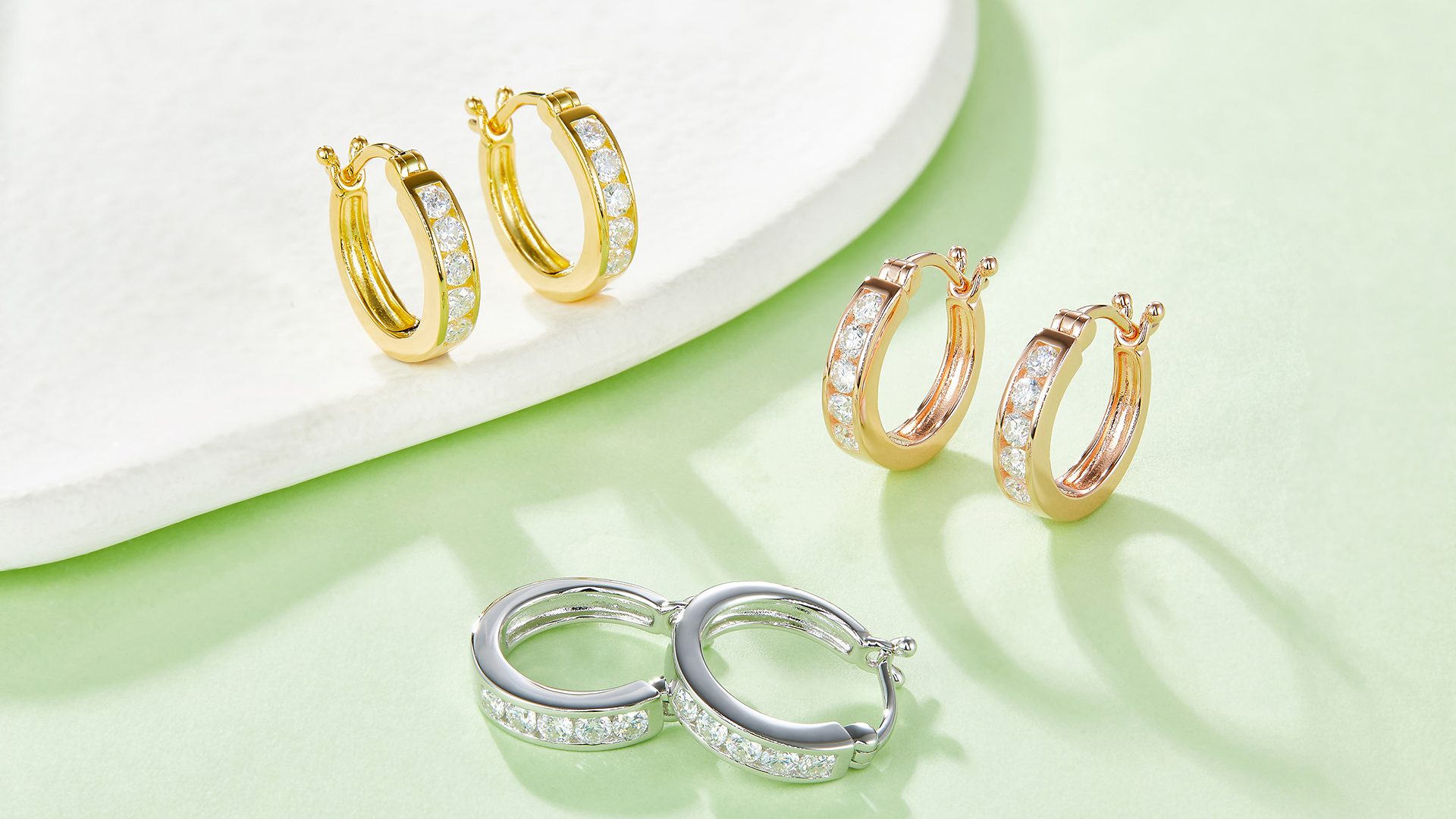
Why do some 18K gold pieces have a classic yellow tone, some appear romantic rose pink, while others feature a modern white finish?
Are they made with different gold content? Which type is more durable and less likely to change color over time?
The answer lies in gold alloy composition.
Different colors of 18K gold are not created through simple coloring or surface coating. Instead, professional jewelry manufacturers adjust the ratio of alloy metals such as copper, silver, palladium, and other elements to create different shades, improve hardness, and enhance jewelry performance.
As a professional jewelry supplier, MOSUP explores the science behind 18K yellow gold, rose gold, and white gold, helping jewelry brands, retailers, and consumers better understand material selection, durability, and long-term maintenance.
What Is 18K Gold? Understanding AU750 Gold Composition
The foundation of all 18K gold jewelry is the same:
75% pure gold + 25% alloy metals
You may see markings such as:
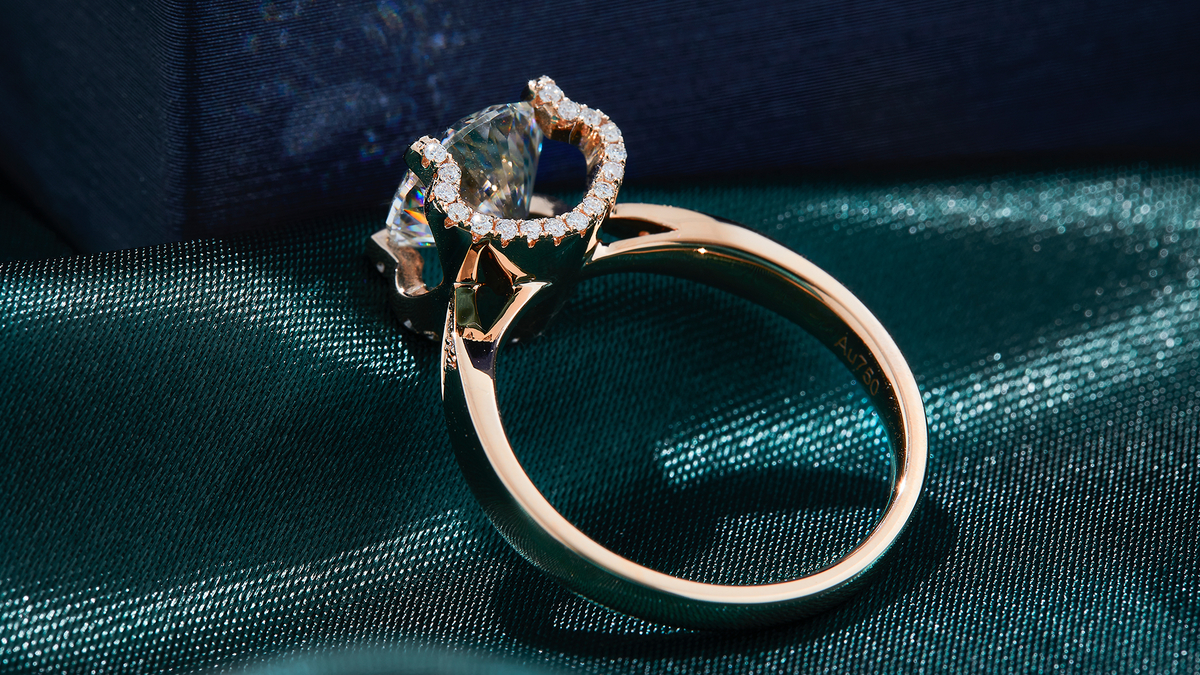
- AU750
- 750 Gold
- 18K Gold
All represent the same gold purity standard.
The remaining 25% consists of different alloy metals, which determine:
- Jewelry color
- Hardness
- Durability
- Oxidation resistance
- Overall appearance
In other words:
Gold content determines purity, while alloy composition creates the color and performance characteristics.
Pure gold (24K gold) is naturally soft and highly malleable, making it unsuitable for many detailed jewelry designs, especially gemstone settings. By adding other metals, manufacturers can create stronger and more durable jewelry while achieving different aesthetic styles.
How Are Yellow Gold, Rose Gold, and White Gold Created?
1. 18K Yellow Gold: Classic, Timeless, and Naturally Elegant
Typical Alloy Composition:
75% Gold + Silver + Copper
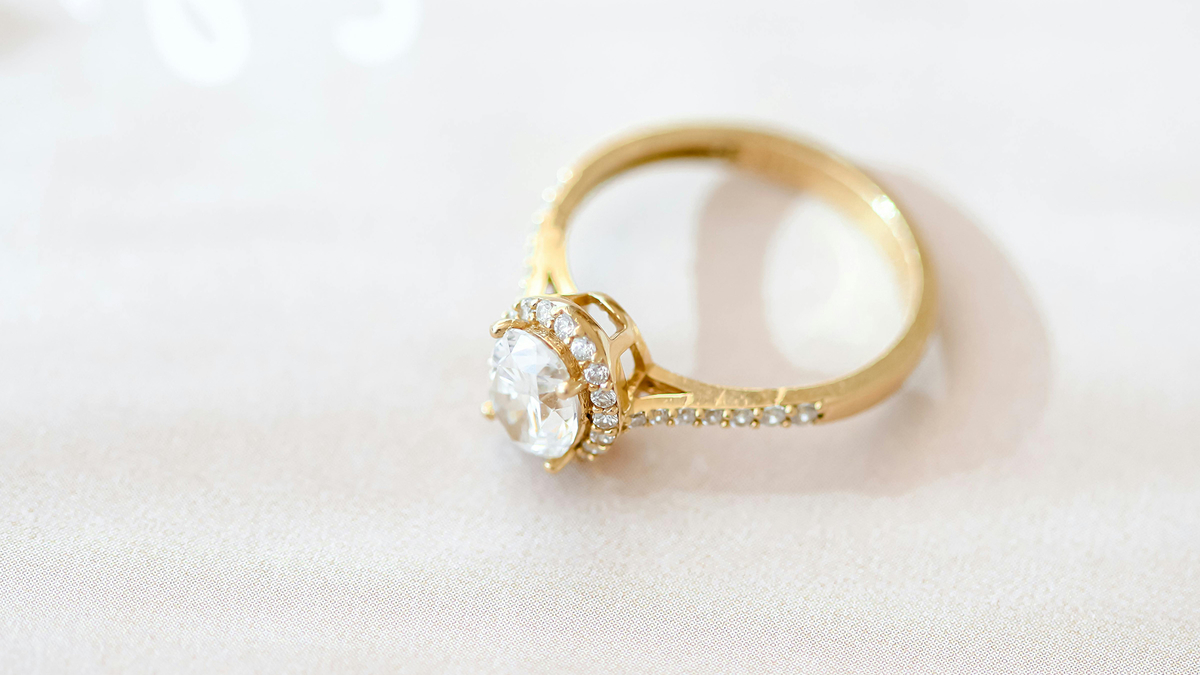
18K yellow gold maintains the natural warmth of gold while using silver and copper to improve strength and durability.
Role of alloy metals:
Silver:
Enhances brightness
Creates a cleaner golden appearance
Copper:
Improves hardness
Adds warmth and richness
The result is:
✔ Traditional golden color
✔ Natural metallic shine
✔ Classic luxury appearance
Because its color comes directly from the alloy itself, 18K yellow gold does not rely on surface plating, making it one of the most stable options for long-term wear.
Best suited for:
- Wedding rings
- Classic jewelry collections
- Everyday gold jewelry
2. 18K Rose Gold: A Romantic Color Created by Copper Ratio
Typical Alloy Composition:
75% Gold + Higher Copper Content + Small Amount of Silver
Rose gold gets its signature pink tone from copper.
- The higher the copper content:
- The stronger the pink shade
- The warmer the overall appearance
Unlike plated jewelry, rose gold is not colored on the surface. The pink tone is created throughout the entire alloy structure.
Features:
✔ Soft pink-gold appearance
✔ Romantic and fashionable style
✔ Warm luxury feeling
Rose gold has become increasingly popular in:
- Engagement rings
- Couple jewelry
- Fashion collections
- Moissanite jewelry
- Lab-grown diamond jewelry
Its warm tone creates a beautiful contrast with white gemstones and adds a modern luxury aesthetic.
3. 18K White Gold: The Premium Choice for Diamond Jewelry
Typical Alloy Composition:
75% Gold + Palladium / Silver / Nickel-Based White Metals
Many consumers assume white gold is naturally pure white. However, gold itself has a naturally yellow tone, so alloy metals can only reduce the yellow appearance.
The natural color of 18K white gold is usually:
- Soft white
- Slightly gray
- Slightly yellow-toned
To achieve the bright white appearance commonly seen in luxury jewelry, manufacturers apply:
Rhodium plating
This creates:
- ✔ Bright white surface
- ✔ Mirror-like reflection
- ✔ Premium platinum-like appearance
This is why white gold is widely used in:
- Diamond rings
- Lab-grown diamond jewelry
- High-end gemstone settings
However, the long-term color stability depends on the durability of the rhodium coating.
Yellow Gold vs Rose Gold vs White Gold: Which One Is More Durable?
Overall durability ranking:
18K Yellow Gold > 18K Rose Gold > 18K White Gold
18K Yellow Gold: The Most Maintenance-Friendly Choice
Because yellow gold’s color comes from the alloy itself, it does not require additional surface treatment.
Advantages:
✔ Excellent color stability
✔ No rhodium replacement needed
✔ Lower maintenance requirements
With proper care, yellow gold jewelry can maintain its classic appearance for many years.
It is ideal for customers who want:
- Long-term daily wear
- Minimal maintenance
- Timeless jewelry designs
18K Rose Gold: Beautiful with Natural Color Evolution
The copper content that creates rose gold’s romantic tone also affects its long-term appearance.
Over time, exposure to:
- Sweat
- Moisture
- Chemicals
may slightly deepen the warm pink tone.
This is not the same as fading or peeling. Instead, it is a natural characteristic of copper-containing alloys.
Many jewelry lovers appreciate this subtle change because it creates a more vintage and personalized appearance.
18K White Gold: Requires Professional Maintenance
White gold’s biggest advantage is its bright, modern appearance.
However, the pure white finish mainly comes from rhodium plating.
With regular wear, especially on:
- Rings
- Bracelets
friction can gradually wear away the rhodium layer.
Signs of wear may include:
- Slight yellow undertones
- Reduced brightness
- Uneven surface color
Professional replating can restore the original white finish.
How to Choose the Right 18K Gold Color?
Choose 18K Yellow Gold If You Prefer:
✔ Classic luxury style
✔ Maximum durability
✔ Easy maintenance
✔ Everyday comfort
Recommended for:
- Wedding bands
- Classic rings
- Long-term jewelry pieces
Choose 18K Rose Gold If You Prefer:
✔ Romantic aesthetics
✔ Fashion-forward designs
✔ Warm and feminine tones
Recommended for:
- Couple rings
- Moissanite jewelry
- Customized jewelry collections
Choose 18K White Gold If You Prefer:
✔ Modern luxury appearance
✔ Diamond-like brilliance
✔ Cool-toned jewelry styles
Recommended for:
- Engagement rings
- Lab-grown diamond rings
- High-end gemstone jewelry
How to Maintain 18K Gold Jewelry?
Regardless of color, proper maintenance helps extend jewelry life and preserve its beauty.
1. Avoid Chemical Exposure
Minimize contact with:
- Perfume
- Cosmetics
- Household cleaners
- Chlorinated water
Chemicals can affect metal surfaces and reduce shine over time.
2. Remove Jewelry Before Showering or Exercising
Sweat contains salts and acids that may gradually affect jewelry surfaces.
This is especially important for:
- Rings
- Bracelets
- Frequently worn pieces
3. Store Jewelry Properly
- When not wearing your jewelry:
- Keep pieces separately stored
- Use jewelry pouches or boxes
- Avoid contact with harder metals
This helps prevent scratches and unnecessary surface wear.
MOSUP Jewelry Manufacturing Insight: Why Alloy Selection Matters
At MOSUP, we understand that jewelry quality begins with material selection.
As a professional jewelry wholesale platform specializing in moissanite and lab-grown diamond jewelry, MOSUP works with experienced manufacturing partners to provide:
✔ Professional jewelry sourcing solutions
✔ OEM/ODM customization services
✔ Custom jewelry design development
✔ Reliable supply chain support for global brands and retailers
For jewelry production, alloy selection is not only about appearance. It directly affects:
- Product durability
- Customer wearing experience
- Collection positioning
- Long-term brand value
From material selection to finished jewelry production, every detail contributes to creating jewelry pieces that are beautiful, durable, and market-ready.
Final Thoughts: Choosing the Right Gold Is About Lifestyle, Not Just Color
18K yellow gold, rose gold, and white gold all contain the same:
75% pure gold content.
Their differences come from alloy composition:
Yellow Gold
→ Classic, stable, and easy to maintain
Rose Gold
→ Romantic, fashionable, and warm-toned
White Gold
→ Elegant, modern, and requires occasional maintenance
There is no universally “best” gold color. The right choice depends on personal style, wearing habits, and jewelry purpose.
For consumers, understanding gold alloys helps make smarter purchasing decisions.
For jewelry brands and wholesalers, understanding material characteristics helps create better collections, improve customer satisfaction, and build stronger market competitiveness.