
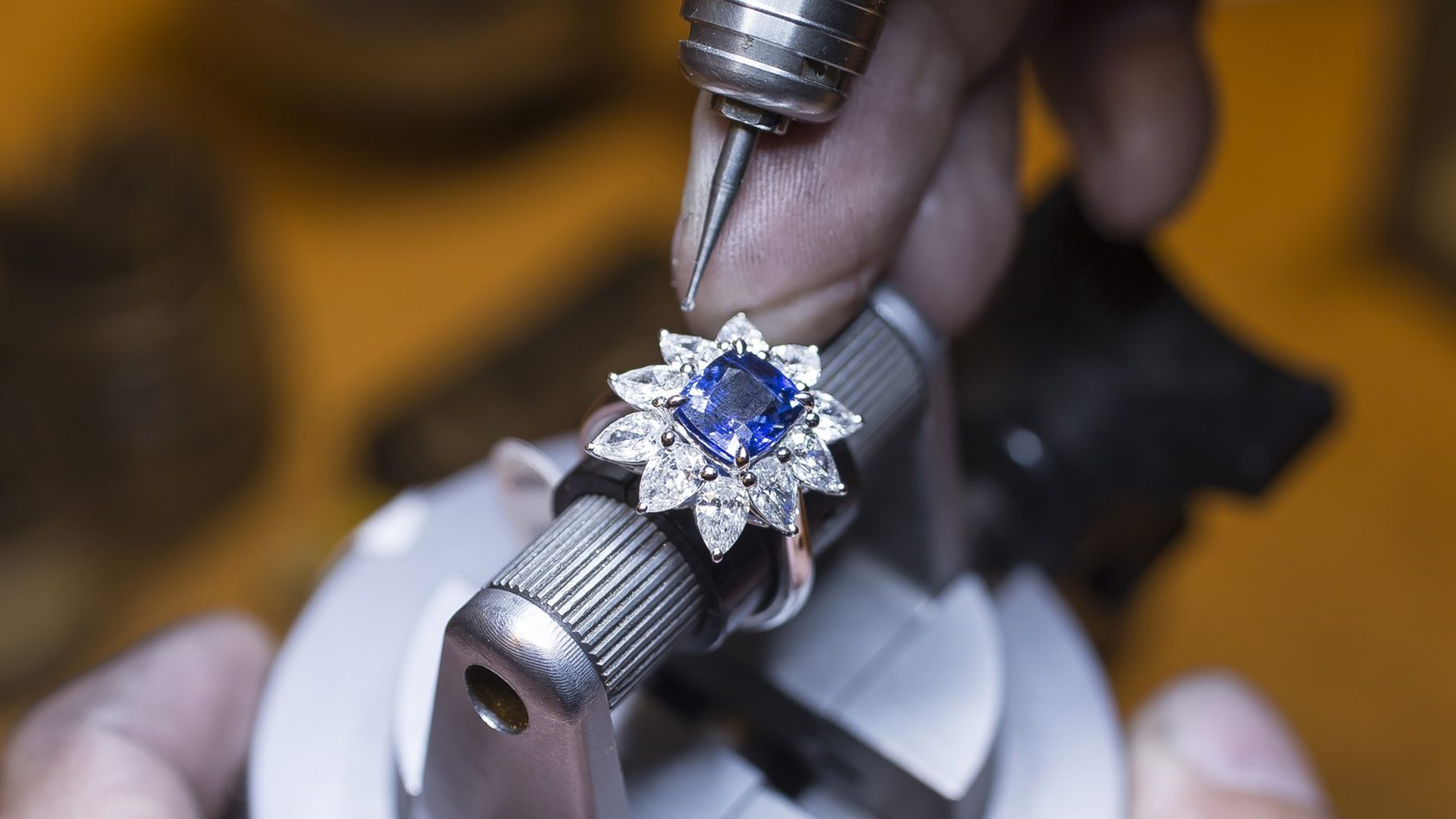
The Truth Behind Closed-Back Jewelry Settings: Enhancement, Protection, and Design Logic
When shopping for gemstone jewelry, many customers notice an interesting detail: some gemstone settings have their backs completely covered by metal, while others leave the gemstone bottom fully exposed.
A closed-back setting may look like a simple design choice, but in professional jewelry manufacturing, it serves a much deeper purpose. It can enhance gemstone color, protect fragile stones, and improve the overall appearance of certain gems.
However, not every gemstone benefits from a closed back. For some stones, exposing the bottom is essential to maximize brilliance, transparency, and optical performance.
So, why do some gemstones need closed-back settings while others should never be covered?
In this guide, MOSUP explains the professional logic behind gemstone backings, helping jewelry buyers, retailers, and brands better understand gemstone setting techniques.
What Is a Closed-Back Jewelry Setting?
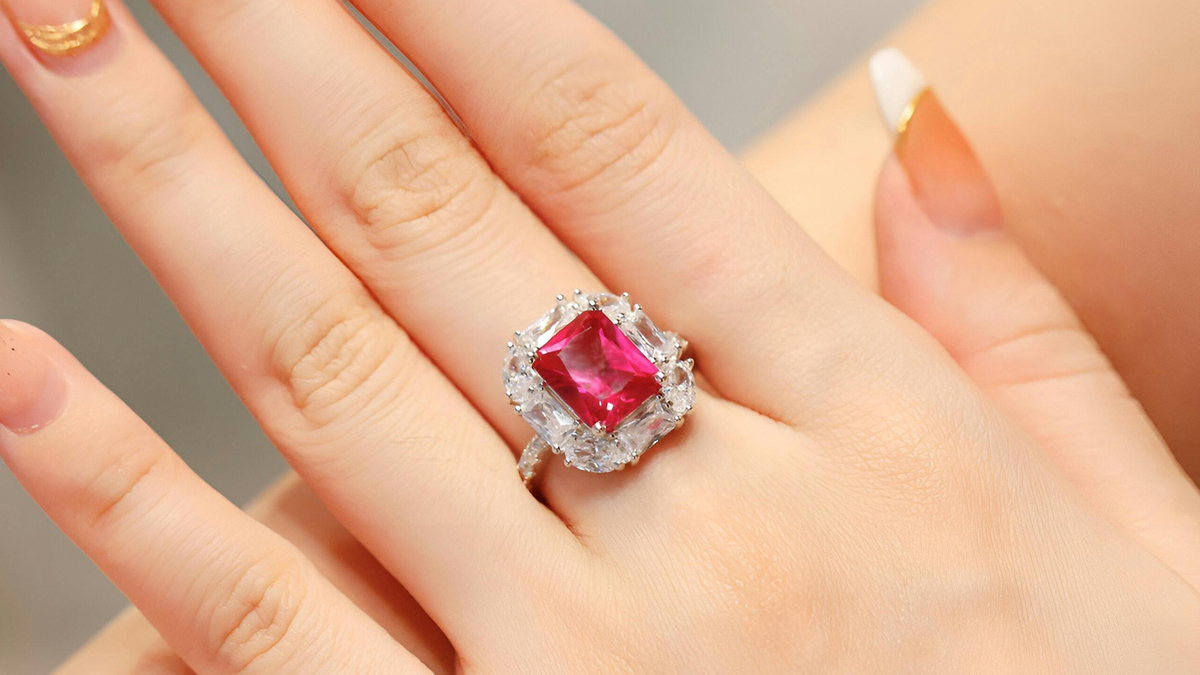
A closed-back jewelry setting refers to a mounting technique where the metal setting partially or completely covers the underside of a gemstone.
Unlike simply adding a metal cover, a closed-back setting is designed according to the gemstone’s optical properties, durability, and structural characteristics.
Its main purposes include:
- Enhancing gemstone color
- Improving visual depth
- Protecting fragile gemstone surfaces
- Covering unavoidable natural inclusions
- Increasing durability during daily wear
There are two common types of closed-back settings:
1. Full Closed Back Setting
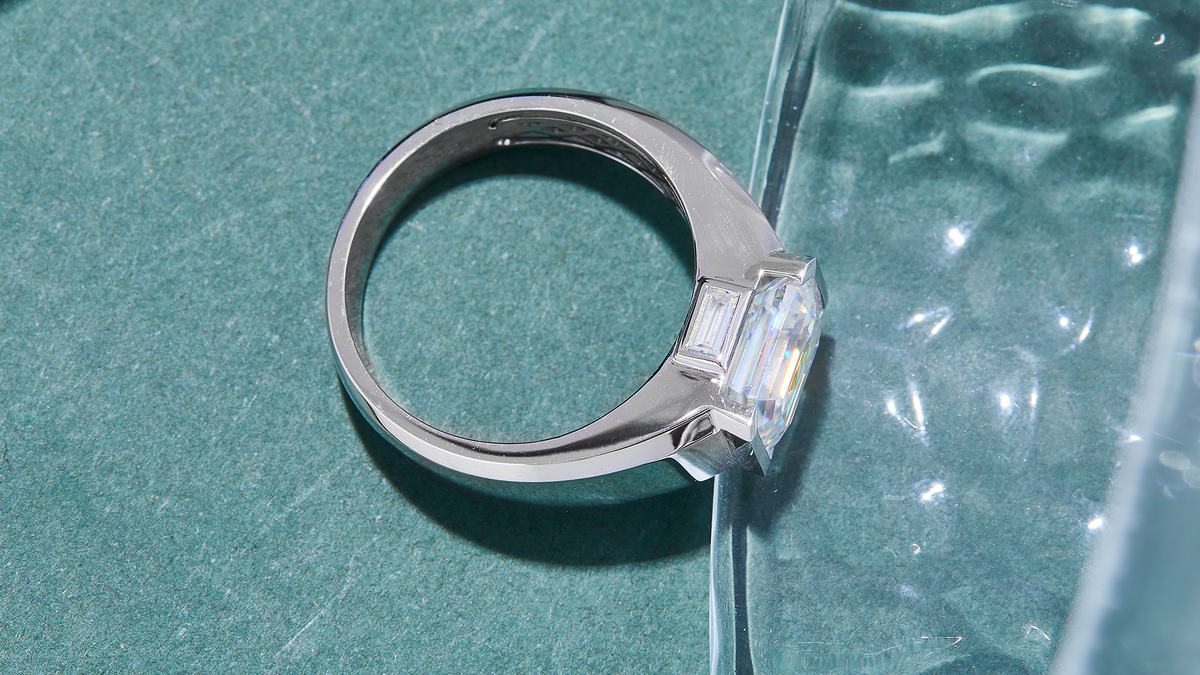
The entire underside of the gemstone is covered by metal.
Advantages:
- Strong protection
- Better color enhancement
- Helps conceal minor bottom imperfections
Commonly used for:
- Colored gemstones
- Cabochon stones
- Certain jade jewelry
2. Semi Closed-Back Setting
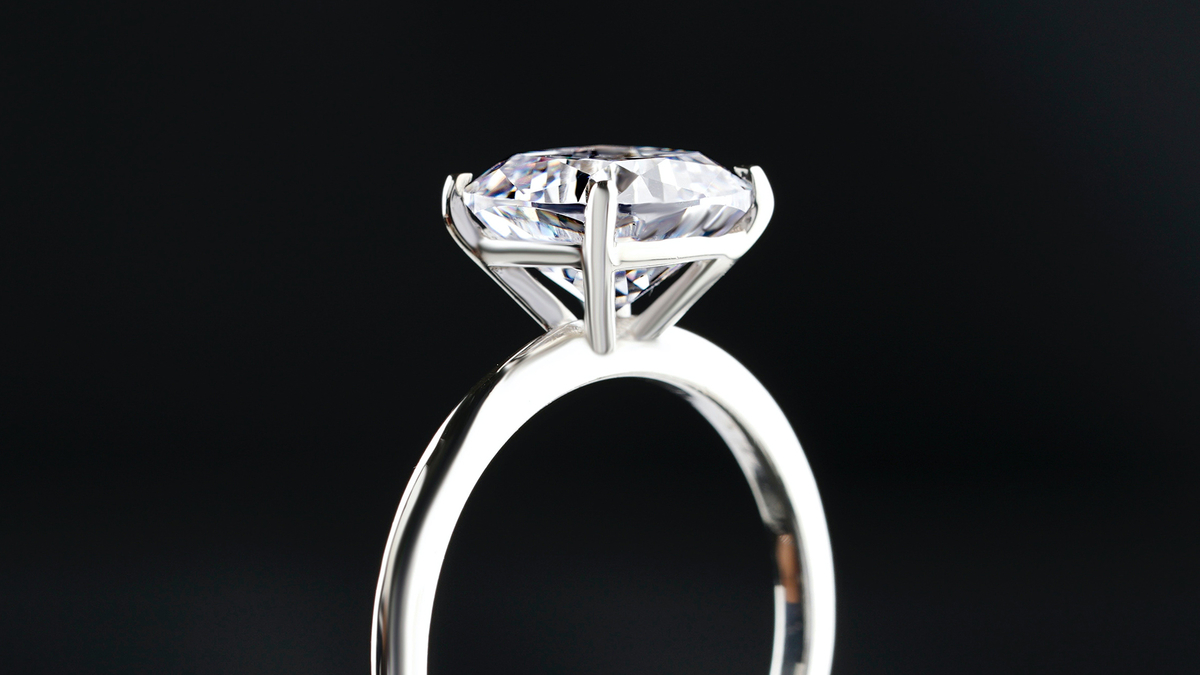
Only part of the gemstone bottom is covered, while openings remain for light access and visibility.
Advantages:
- Balances protection and light reflection
- Allows gemstone inspection
- Maintains better brilliance
This style is often used when both durability and optical performance are important.
Which Gemstones Benefit From Closed-Back Settings?
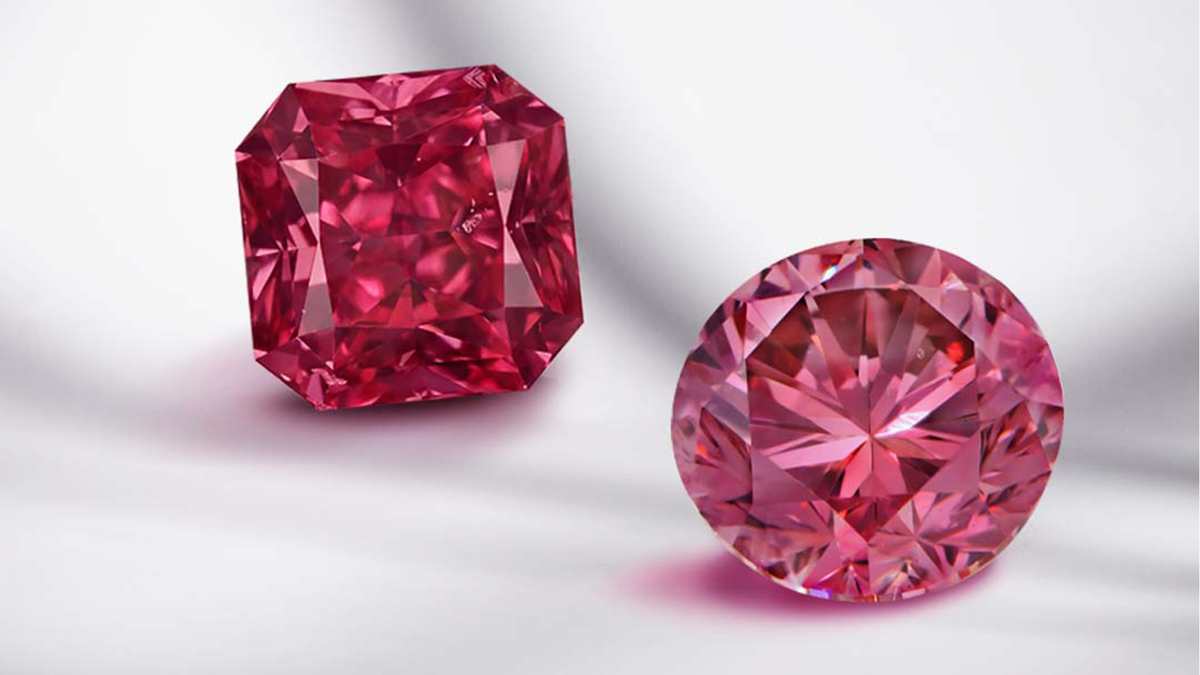
Not every gemstone requires a closed back. Generally, gemstones with weaker color performance, fragile structures, or visible inclusions benefit the most.
1. Light-Colored Gemstones: Closed Back Can Enhance Color
Some gemstones naturally have lighter tones or weaker saturation.
Examples include:
- Light-colored sapphires
- Certain rubies
- Some emerald varieties
- Pale jadeite
A closed-back setting creates a reflective surface behind the gemstone. Light entering the gemstone reflects against the metal backing, making the color appear:
- Deeper
- More saturated
- More vibrant
For example, a pale green jade cabochon may appear richer and more evenly colored after being set with a reflective backing.
This is why many jade and colored gemstone jewelry designs use closed-back techniques.
2. Gemstones With Bottom Inclusions: Closed Back Can Improve Appearance
Natural gemstones often contain internal characteristics formed during geological growth.
Common examples include:
- Mineral inclusions
- Internal fractures
- Cloud-like structures
Some inclusions may be concentrated near the bottom of the gemstone.
A closed-back setting can reduce the visibility of these imperfections when viewed from the top, improving overall appearance.
However, professional jewelers should never use closed backs to hide major damage or misrepresent gemstone quality.
A proper closed-back design should enhance the beauty of a gemstone — not conceal serious problems.
3. Fragile Gemstones: Closed Back Provides Protection
Some gemstones are beautiful but relatively delicate.
Examples:
- Emerald
- Tourmaline
- Certain colored gemstones with internal fractures
Because their structures may contain natural weaknesses, direct impact on the gemstone underside can increase the risk of:
- Chips
- Scratches
- Edge damage
A closed-back setting creates an additional protective layer, reducing daily wear risks and helping extend the jewelry’s lifespan.
Which Gemstones Should Avoid Closed-Back Settings?
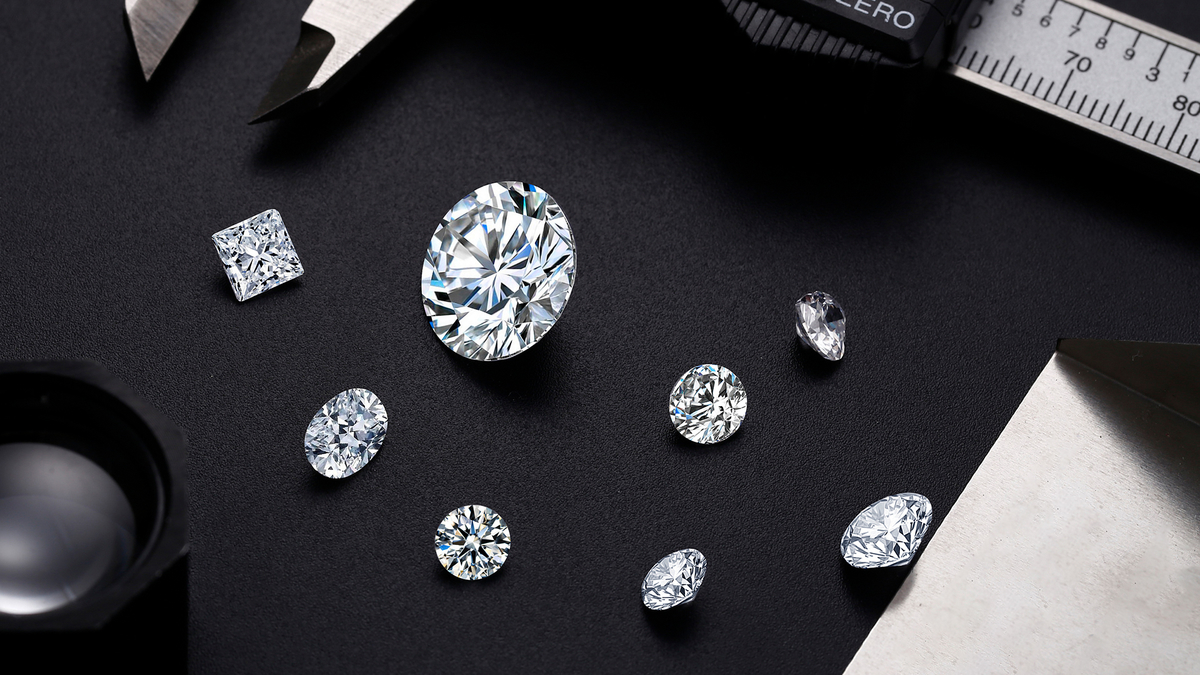
While closed backs benefit many colored gemstones, some gemstones rely heavily on light reflection and transparency.
For these stones, covering the bottom may reduce their beauty.
1. Diamonds: Light Performance Requires Open Settings
Diamonds are famous for their:
- Brilliance
- Fire
- Scintillation
These optical effects depend on how light enters and reflects inside the diamond.
If the bottom is completely covered, it may reduce light return and make the diamond appear:
- Less bright
- More closed
- Less lively
That is why most diamond jewelry uses:
- Prong settings
- Open-back settings
- Halo settings with light exposure
These designs allow maximum light interaction.
2. Highly Transparent Gemstones: Let Natural Beauty Shine
Some gemstones already have excellent transparency and strong color saturation.
Examples:
- High-quality sapphires
- Transparent quartz varieties
- Fine gemstones with glass-like clarity
These stones do not need additional color enhancement.
A closed back may:
- Reduce transparency
- Block natural internal reflections
- Make the gemstone appear less vibrant
For premium transparent gemstones, an open setting usually provides the best visual result.
3. Cabochon and Organic Gemstones: Preserve Natural Texture
Some gemstones are valued for their soft, natural appearance rather than brilliance.
Examples:
- Pearl
- Amber
- Jade cabochon
Their beauty comes from:
- Smooth surface quality
- Warm texture
- Natural luster
A closed-back design may make these gemstones appear less natural and reduce their unique visual character.
Closed Back Does Not Always Mean Better Quality
One common misunderstanding among buyers is:
“Closed-back gemstones must be higher quality.”
This is incorrect.
A closed-back setting is a technical design choice, not a quality indicator.
Some sellers may misuse closed-back settings to hide:
- Severe cracks
- Artificial treatments
- Poor gemstone quality
- Uneven coloration
When purchasing gemstone jewelry, buyers should focus on:
- Gemstone authenticity
- Certification
- Transparency
- Color quality
- Craftsmanship
The setting style alone does not determine gemstone value.
How Professional Jewelers Choose Between Closed and Open Settings
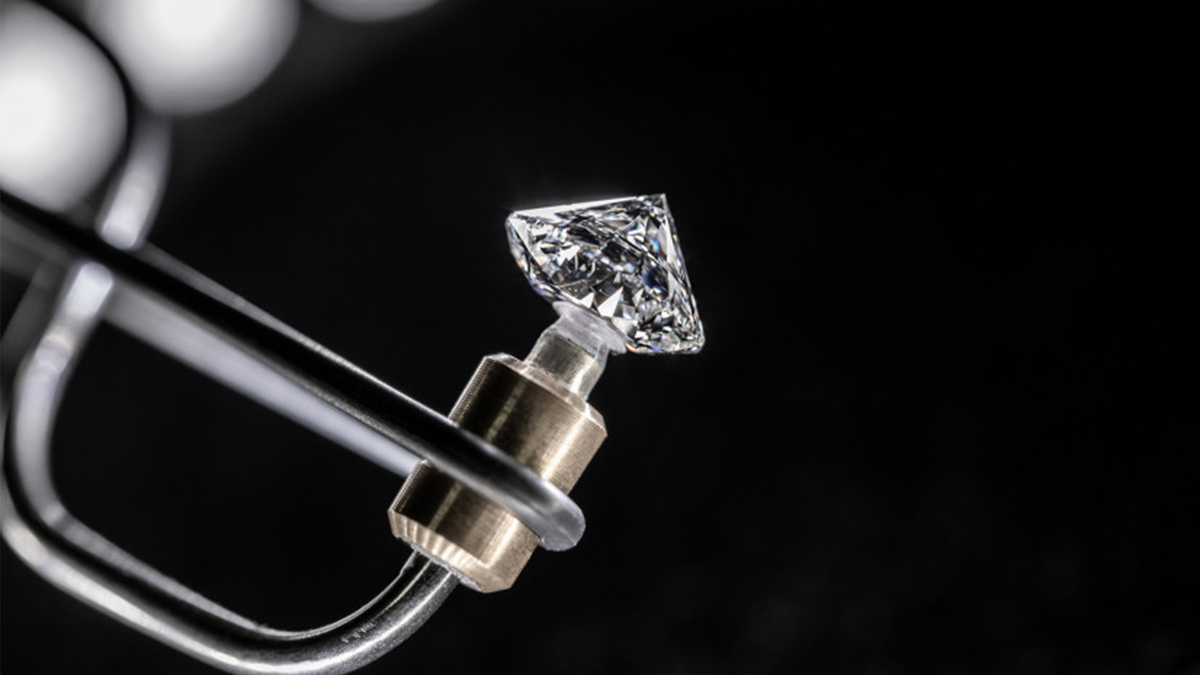
The correct setting depends on three factors:
1. Gemstone Optical Properties
Does the gemstone need more light or more color enhancement?
- Diamonds → usually open settings
- Colored gemstones → sometimes closed settings
2. Gemstone Durability
Does the gemstone require additional protection?
Fragile stones may benefit from more coverage.
3. Jewelry Usage Scenario
Daily-wear jewelry may prioritize protection, while high-end display pieces may prioritize maximum optical performance.
Professional jewelry design always balances:
- Beauty
- Durability
- Comfort
- Long-term maintenance
MOSUP Jewelry Manufacturing Approach: Matching Craftsmanship With Gemstone Characteristics
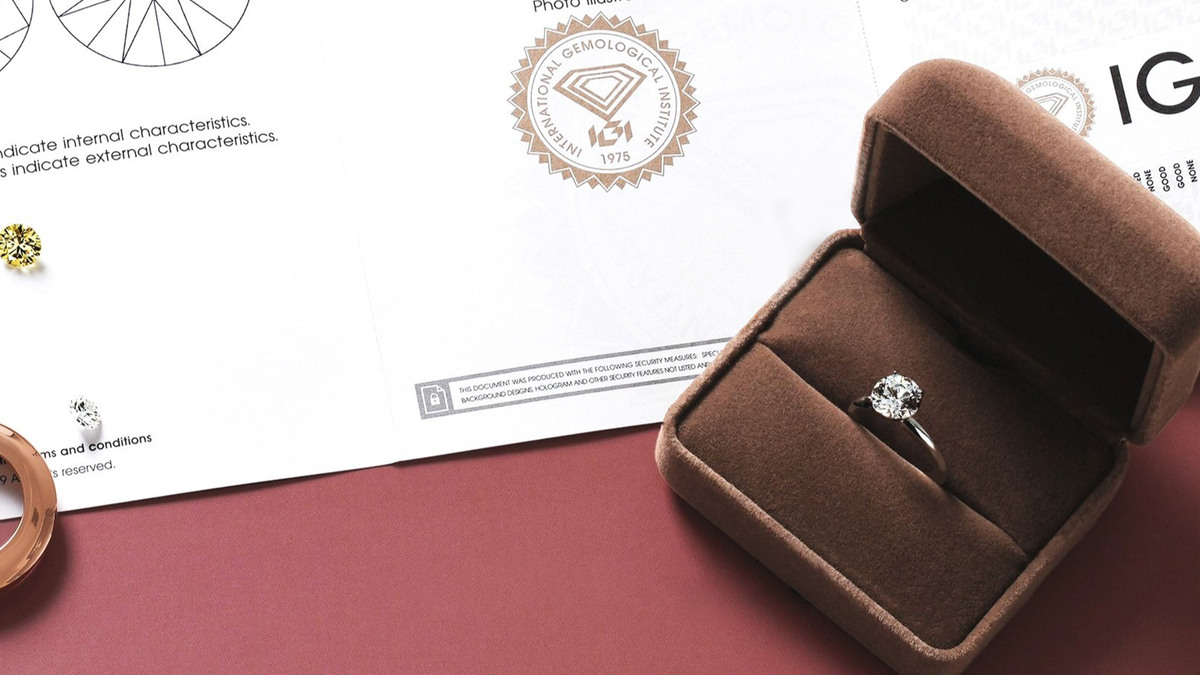
At MOSUP, gemstone setting is not simply about securing a stone — it is about creating the best presentation for each gemstone.
Through professional jewelry manufacturing experience, MOSUP provides:
✓ Customized gemstone setting solutions
✓ Moissanite and lab-grown diamond jewelry expertise
✓ OEM/ODM jewelry development services
✓ Precision craftsmanship and quality inspection
✓ Wholesale jewelry production support
Every gemstone has its own personality. The right setting technique allows each stone to reveal its maximum beauty.
Final Thoughts: The Best Setting Is the One That Fits the Gemstone
Closed-back and open-back settings are not about which one is better.
The true principle of professional jewelry design is:
Enhance when enhancement is needed.
Protect when protection is needed.
Expose when light performance matters.
Understanding gemstone setting techniques helps buyers make smarter decisions and allows jewelry brands to create pieces with better appearance, durability, and value.
A well-designed jewelry setting does not hide a gemstone — it helps the gemstone shine in the way it was meant to.