
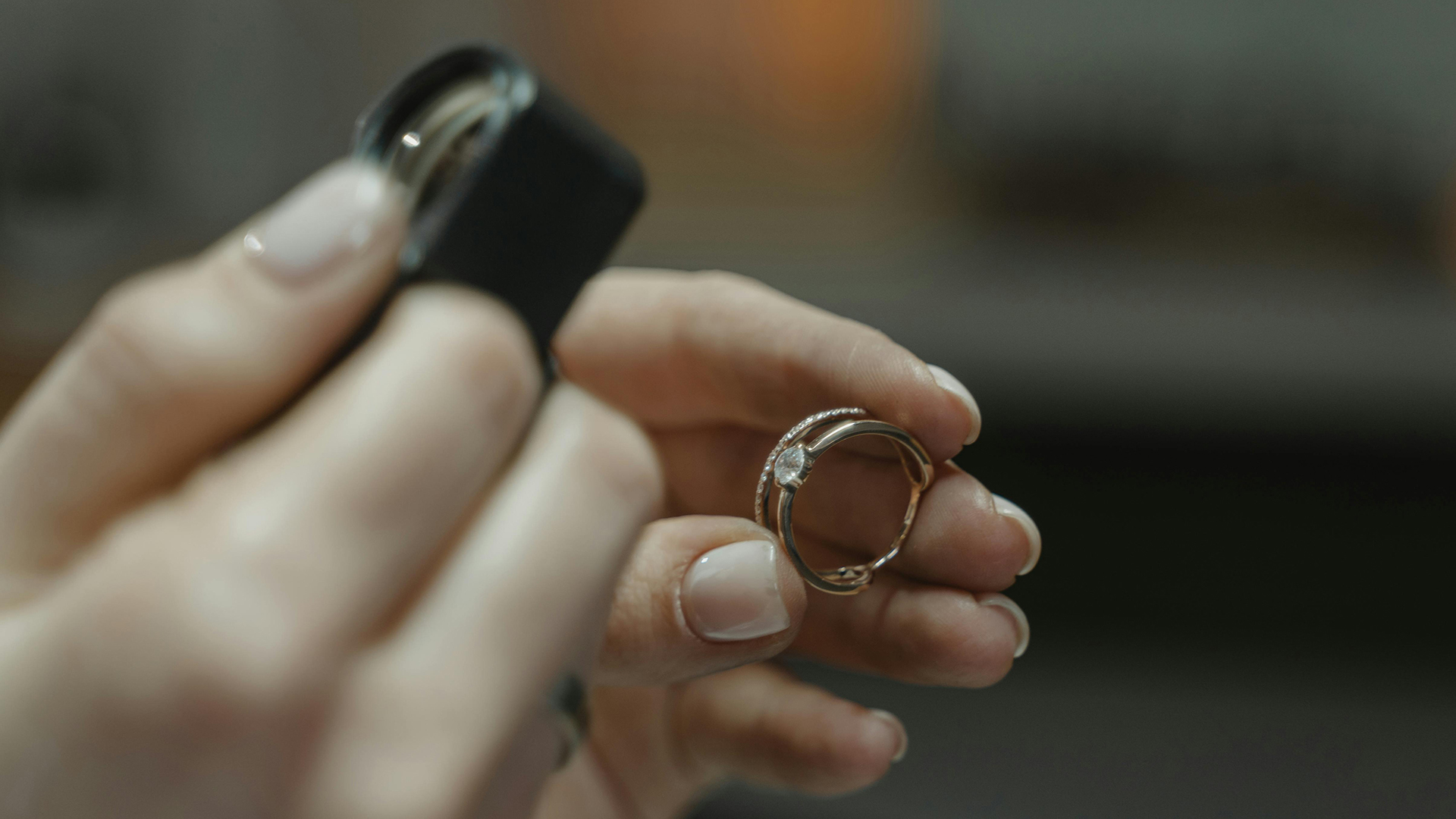
The Hidden Craft Behind Fine Jewelry Finishing
When people purchase jewelry, they often focus on the most visible elements — the gemstone, metal quality, design style, and overall appearance. However, behind every refined piece of jewelry lies a series of intricate craftsmanship processes that determine its final beauty, durability, and wearing comfort.
Among these processes, jewelry filing (also known as jewelry bench work or finishing work) is one of the most important yet frequently overlooked steps.
Even with a precise jewelry design, advanced 3D modeling, and expert gemstone setting, a piece of jewelry can still fail to achieve premium quality without skilled filing and finishing. This hidden craftsmanship is what transforms a rough jewelry casting into a polished piece ready for the market.
At MOSUP, we believe that exceptional jewelry is created not only through innovative design but also through meticulous craftsmanship at every stage of production.
What Is Jewelry Filing? The Essential Finishing Process Before Setting
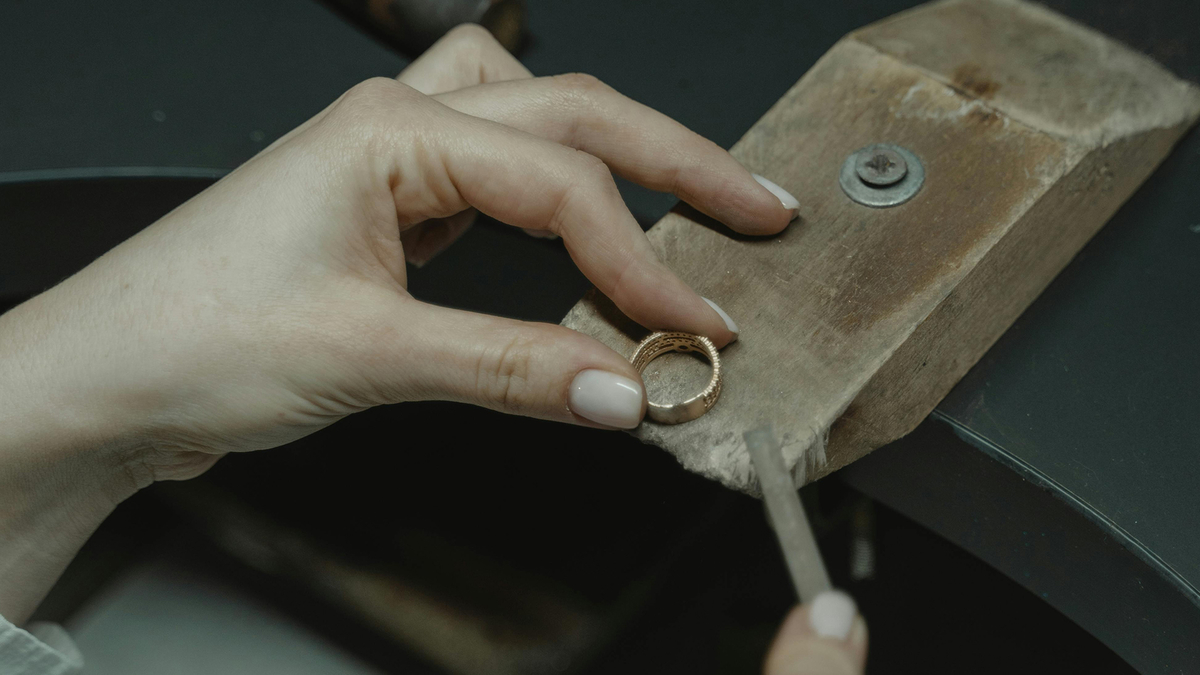
Jewelry filing is a professional hand-finishing technique performed after the jewelry casting process and before gemstone setting and final polishing.
Simply explained:
- Design and modeling create the shape
- Casting creates the jewelry structure
- Jewelry filing refines every detail
After a jewelry piece is cast, small imperfections may remain, including:
- Casting marks
- Uneven edges
- Excess metal from casting channels
- Rough surfaces
- Slight asymmetry
- Imperfect gemstone setting areas
Skilled jewelry craftsmen use specialized tools such as files, sanding equipment, and polishing instruments to carefully refine these details, ensuring the jewelry meets professional quality standards.
Although jewelry filing is not the stage that defines the design concept, it plays a critical role in determining the final texture, comfort, and craftsmanship level of the finished piece.
Why Jewelry Filing Matters: The Three Key Benefits
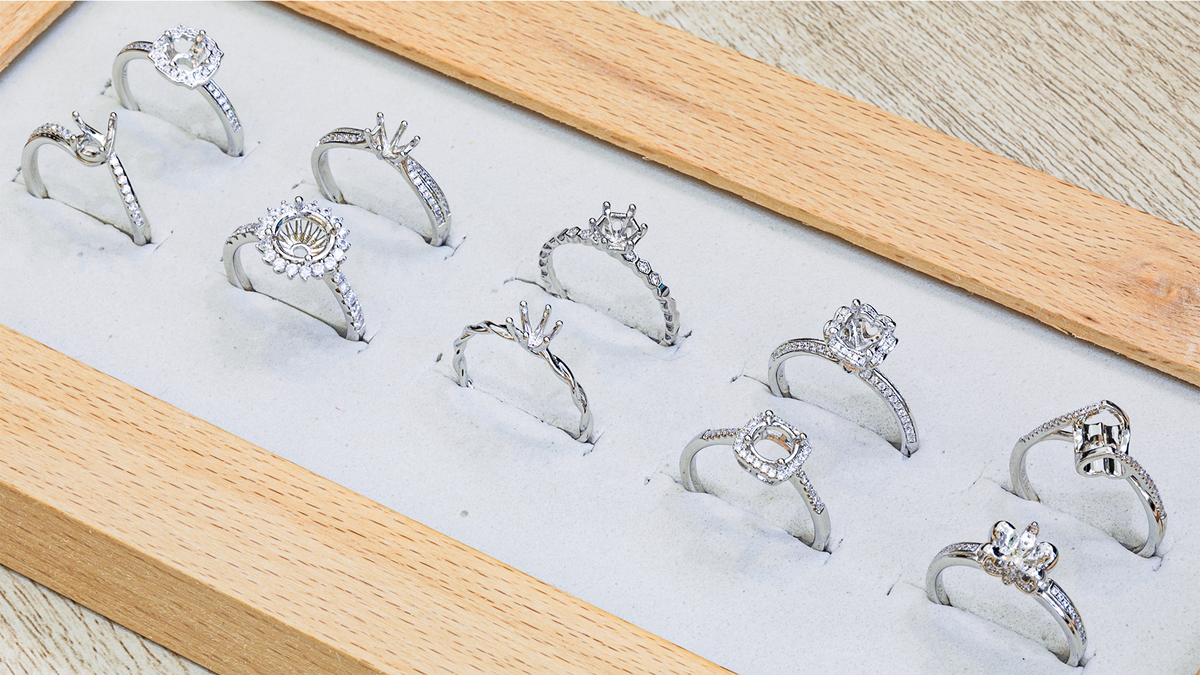
1. Enhancing Jewelry Appearance and Design Accuracy
Whether a jewelry piece is created through traditional hand carving or modern 3D printing technology, casting processes can create minor imperfections.
For example:
- Uneven ring edges
- Blurred patterns
- Incorrect symmetry
- Rough gemstone settings
- Visible casting marks
Professional jewelry filing corrects these issues by carefully refining every surface and contour.
Experienced craftsmen adjust:
- Ring profiles
- Decorative patterns
- Prong structures
- Stone-setting areas
- Metal transitions
The result is a smoother silhouette, cleaner details, and a more premium visual appearance.
A high-quality jewelry piece should not only look beautiful from a distance — it should also withstand close inspection.
2. Improving Wearing Comfort and Jewelry Safety
Many customers experience discomfort when wearing jewelry, such as:
- Sharp edges scratching the skin
- Rings feeling uncomfortable during movement
- Rough inner surfaces causing irritation
In many cases, these problems are caused by insufficient finishing work.
During the filing process, craftsmen carefully refine areas that directly contact the skin, including:
- Ring interiors
- Bracelet edges
- Necklace clasps
- Earring posts
- Metal corners
The goal is to create:
✓ Smooth edges
✓ Comfortable contact surfaces
✓ Better ergonomic fitting
✓ Reduced risk of scratching or irritation
This is why two jewelry pieces with identical materials and designs can feel completely different when worn.
3. Creating a Strong Foundation for Gemstone Setting
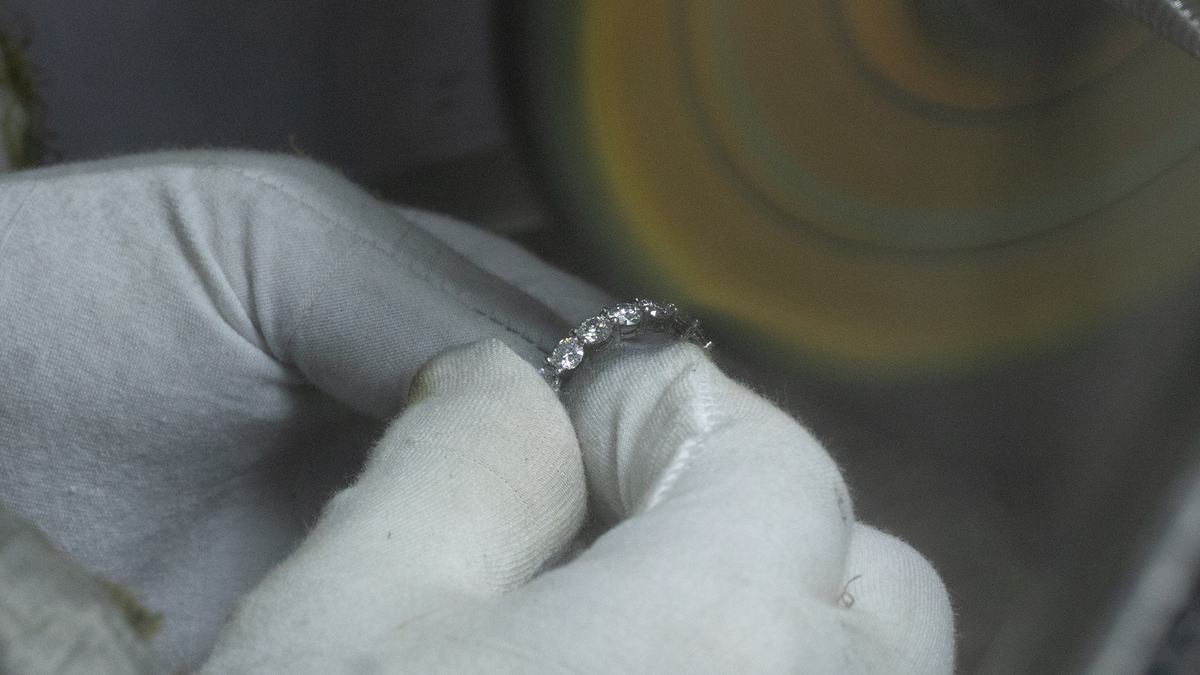
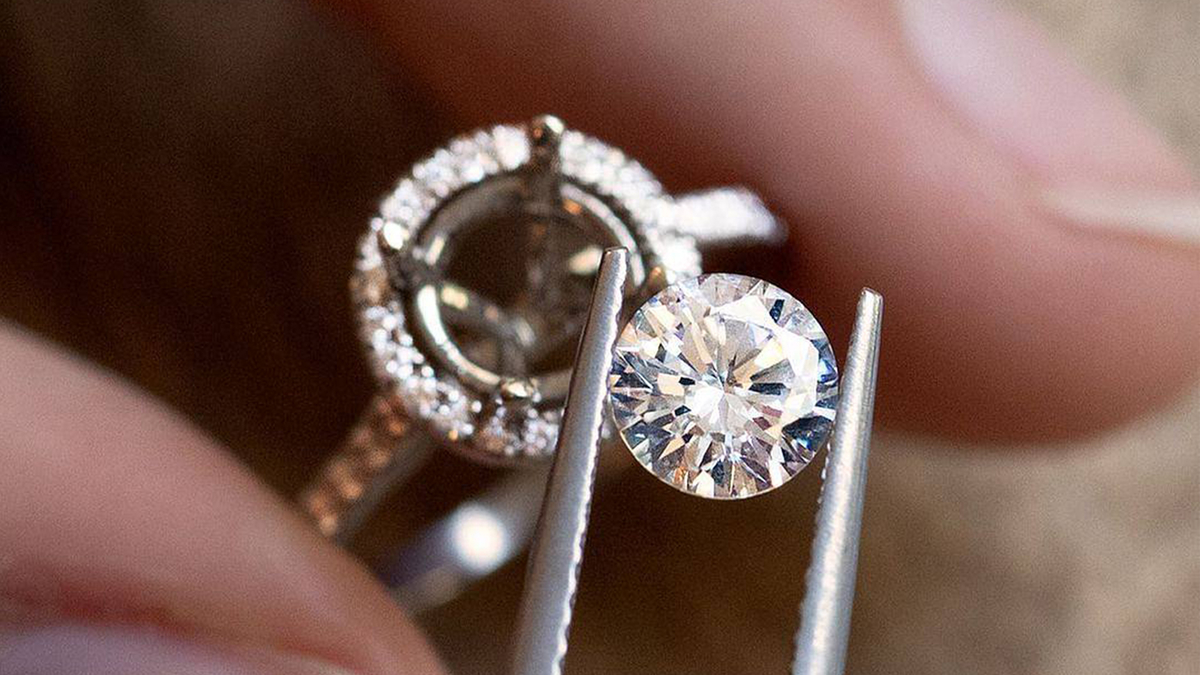
For diamond, moissanite, and colored gemstone jewelry, precision filing is especially important.
Before gemstone setting, craftsmen must ensure:
- Prong positions are accurate
- Stone seats are properly shaped
- Metal thickness is balanced
- Structural strength meets requirements
A poorly finished setting may lead to:
- Loose gemstones
- Uneven stone alignment
- Weak prongs
- Increased risk of stone loss
Professional jewelry filing provides the necessary foundation for secure and durable gemstone mounting.
The Jewelry Filing Process: From Rough Correction to Fine Finishing
High-quality jewelry filing usually includes three major stages.
1. Rough Filing — Removing Casting Imperfections
The first stage focuses on correcting major flaws.
Craftsmen remove:
- Excess metal
- Casting seams
- Uneven surfaces
- Visible imperfections
The goal is to establish the correct basic shape.
2. Precision Filing — Refining Structure and Details
At this stage, craftsmen focus on accuracy.
They refine:
- Symmetry
- Design lines
- Decorative elements
- Gemstone setting areas
This step requires experience because excessive filing can reduce metal thickness and affect durability.
3. Final Finishing — Preparing for Polishing
The final stage creates a smooth surface before polishing.
Craftsmen carefully refine:
- Edges
- Curves
- Inner surfaces
- Contact areas
After finishing, the jewelry can move on to polishing, plating, and gemstone setting processes.
Jewelry Filing vs. Modern Manufacturing: Why Skilled Craftsmanship Still Matters
With the development of technologies such as:
- CAD jewelry design
- 3D printing
- Digital modeling
Modern jewelry production has become more precise and efficient.
However, technology cannot completely replace skilled craftsmanship.
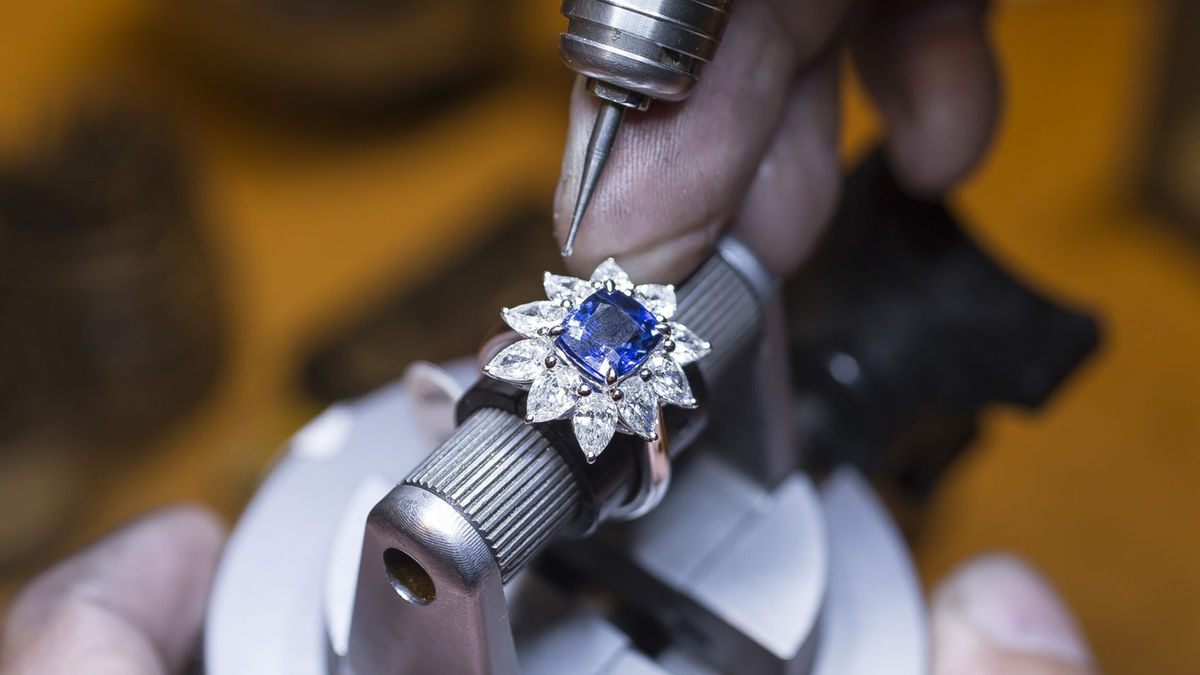
3D technology can create highly accurate jewelry models, but manual finishing is still essential for:
- Surface refinement
- Comfort adjustment
- Structural optimization
- Premium craftsmanship details
The best jewelry production combines advanced technology with experienced craftsmanship.
MOSUP Craftsmanship Advantage: Precision Manufacturing From Concept to Finished Jewelry
As a professional jewelry manufacturing and wholesale platform, MOSUP focuses on delivering high-quality jewelry solutions through a complete production system.
Our capabilities include:
✓ Professional jewelry design development
✓ Advanced CAD and 3D modeling technology
✓ Skilled craftsmanship and finishing processes
✓ Moissanite and lab-grown diamond jewelry expertise
✓ OEM/ODM customized jewelry production
✓ Strict quality inspection before delivery
From the first design concept to final quality inspection, every production stage is carefully controlled to ensure consistency, durability, and premium appearance.
For jewelry brands, retailers, and wholesalers, reliable craftsmanship is the foundation of long-term success.
Final Thoughts: The Value of Jewelry Lies in the Details
Jewelry filing may not be the most visible part of jewelry manufacturing, but it is one of the most important craftsmanship steps that defines quality.
A truly premium piece of jewelry is not only about precious materials or beautiful designs — it is about the precision behind every curve, every edge, and every detail.
Understanding the role of jewelry filing helps buyers, retailers, and brands recognize the difference between ordinary jewelry and professionally crafted jewelry.
At MOSUP, we believe every detail matters. Because true craftsmanship is built where others cannot see.