
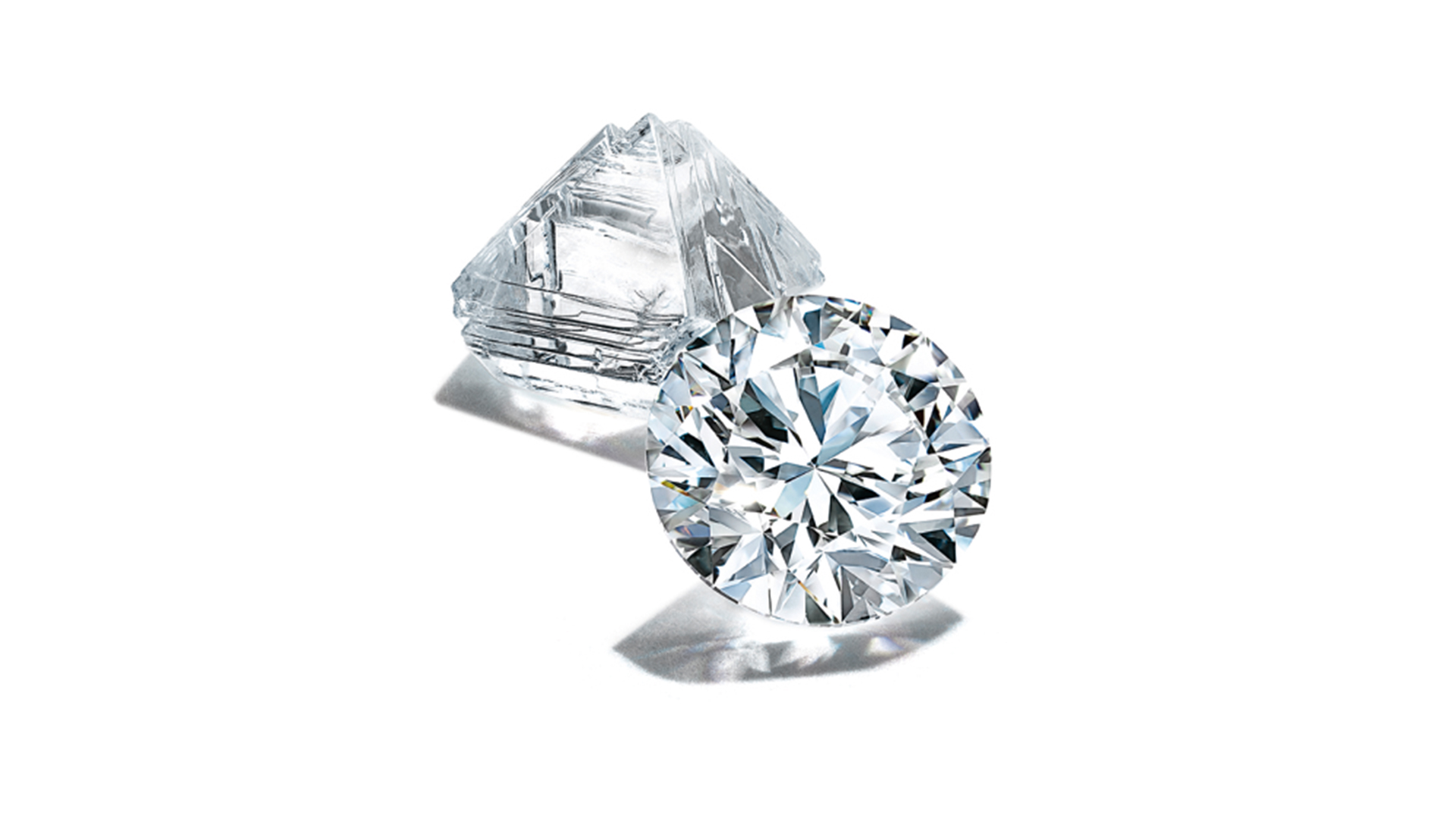
When shopping for moissanite jewelry, you've probably come across conflicting opinions.Some people say moissanite looks almost identical to a diamond.
Others claim it appears "plastic," "glassy," or even "artificial." So what's the truth?
The answer is surprisingly simple: Not all moissanite is created equal.
The perceived "plastic look" has very little to do with moissanite itself. Instead, it is primarily determined by crystal transparency, crystal growth quality, and precision cutting.
As a professional jewelry manufacturer serving global brands, wholesalers, and OEM/ODM partners, MOSUP evaluates gemstone quality long before a stone reaches the polishing stage.
One of the biggest differences we observe is crystal transparency—a factor that directly affects brilliance, depth, and the overall luxury appearance of finished jewelry.
In this guide, we'll explain why some moissanite appears cloudy while premium stones display exceptional brilliance comparable to fine diamonds.
"Plastic Look" Is a Visual Issue—Not a Material Defect
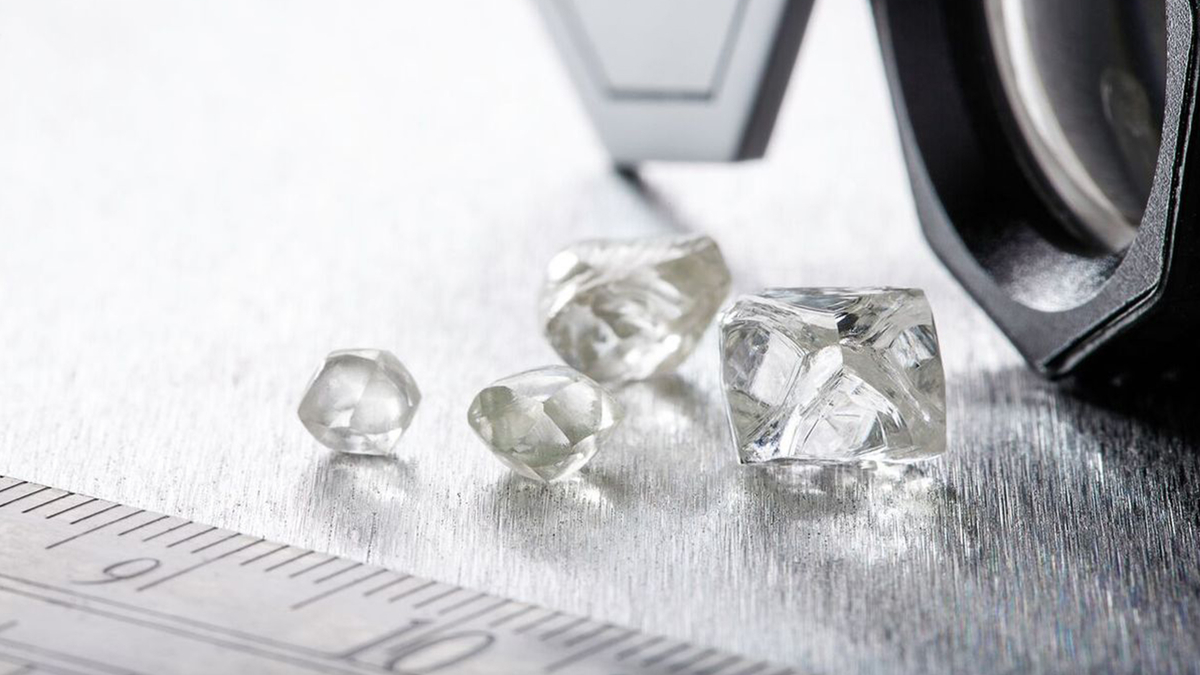
The term "plastic look" is not a gemological classification. Instead, it describes a visual impression caused by poor light performance.
Consumers often use this term when a stone appears:
- Milky instead of transparent
- Soft rather than crisp
- Dull under natural light
- Lacking depth
- Similar to glass or acrylic instead of a fine gemstone
These characteristics are not inherent to moissanite.
Rather, they indicate that the crystal itself contains structural imperfections that interfere with how light travels through the stone.
Crystal Transparency Is the Foundation of Premium Moissanite
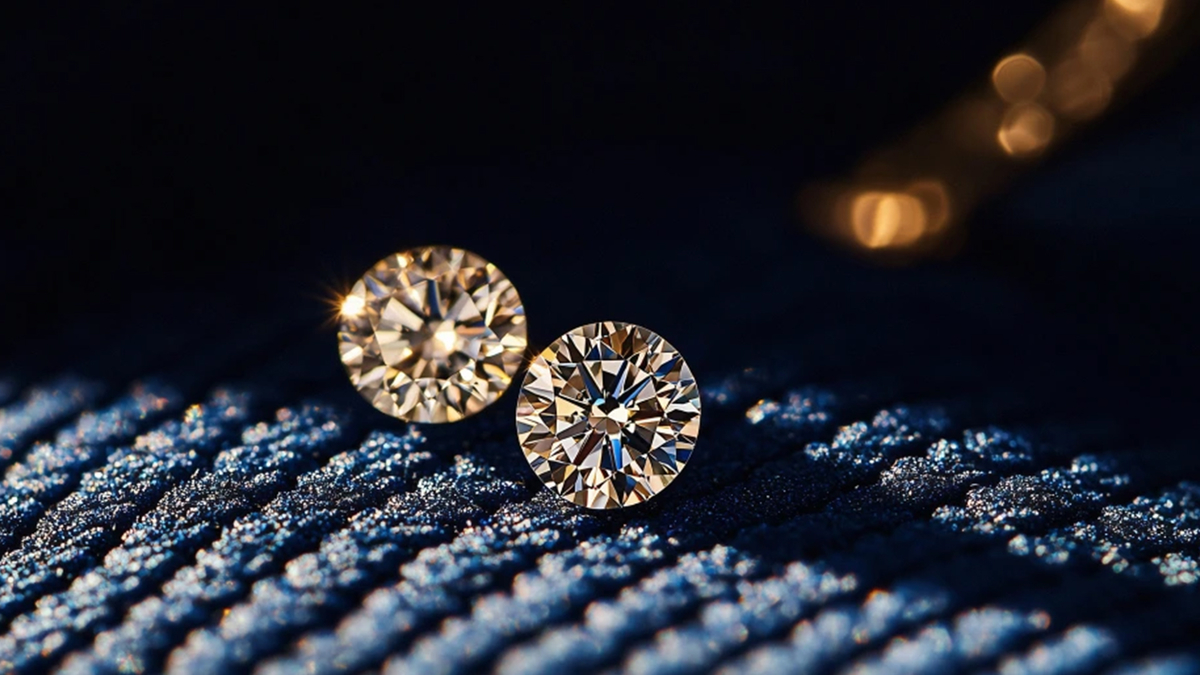
Moissanite is composed of silicon carbide (SiC), one of the hardest and most optically brilliant materials used in jewelry.
When light enters a high-quality crystal, it travels through a clean, uniform internal structure before reflecting and dispersing back toward the viewer.
The result is:
- Exceptional brilliance
- Sharp reflections
- Strong fire
- Excellent transparency
However, when the crystal contains internal defects, light becomes scattered before it can exit the stone efficiently.
Instead of crisp brilliance, the gemstone appears cloudy or hazy.
This scattering effect is the real reason behind what consumers describe as a "plastic appearance."
Where Does Cloudiness Come From?
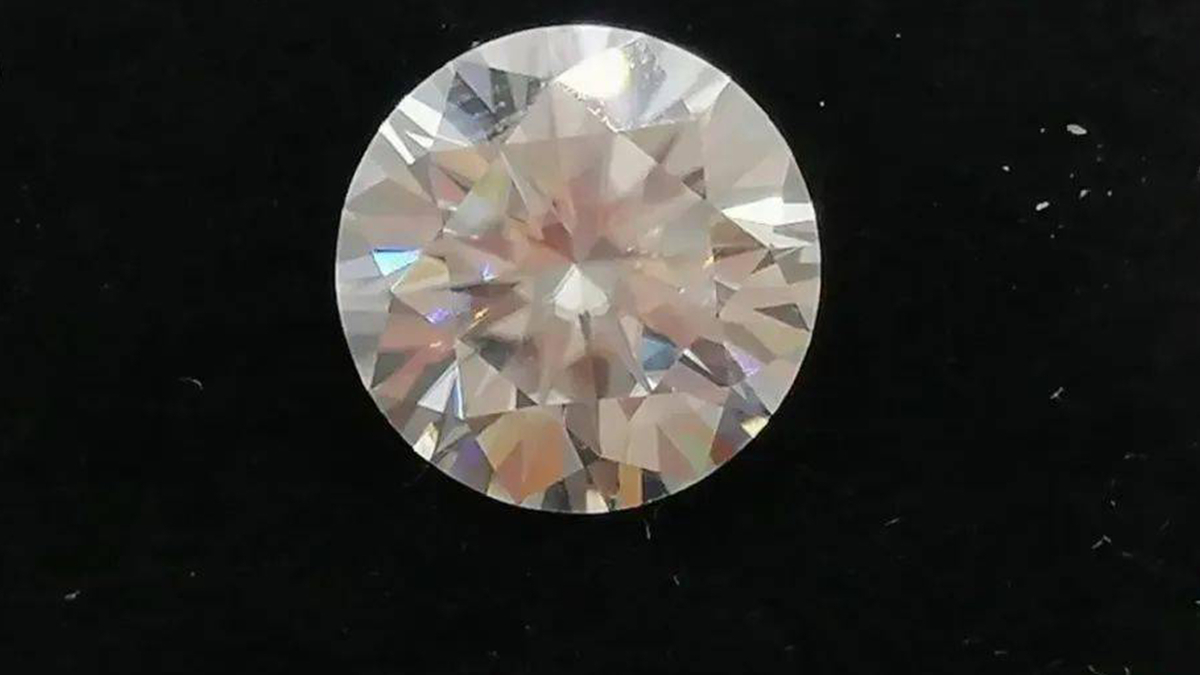
The answer lies inside the crystal. Lower-quality moissanite often contains microscopic imperfections formed during crystal growth, including:
- Micro voids
- Crystal dislocations
- Growth lines
- Tiny inclusions
- Structural inconsistencies
Although many of these defects are invisible to the naked eye individually, together they interrupt the normal path of light.
Instead of reflecting cleanly, light becomes diffused throughout the crystal.
This creates:
- Reduced transparency
- Lower contrast
- Softer brilliance
- Less defined fire
The gemstone may still sparkle, but it lacks the crisp optical performance associated with premium jewelry.
Understanding Moissanite Transparency Grades
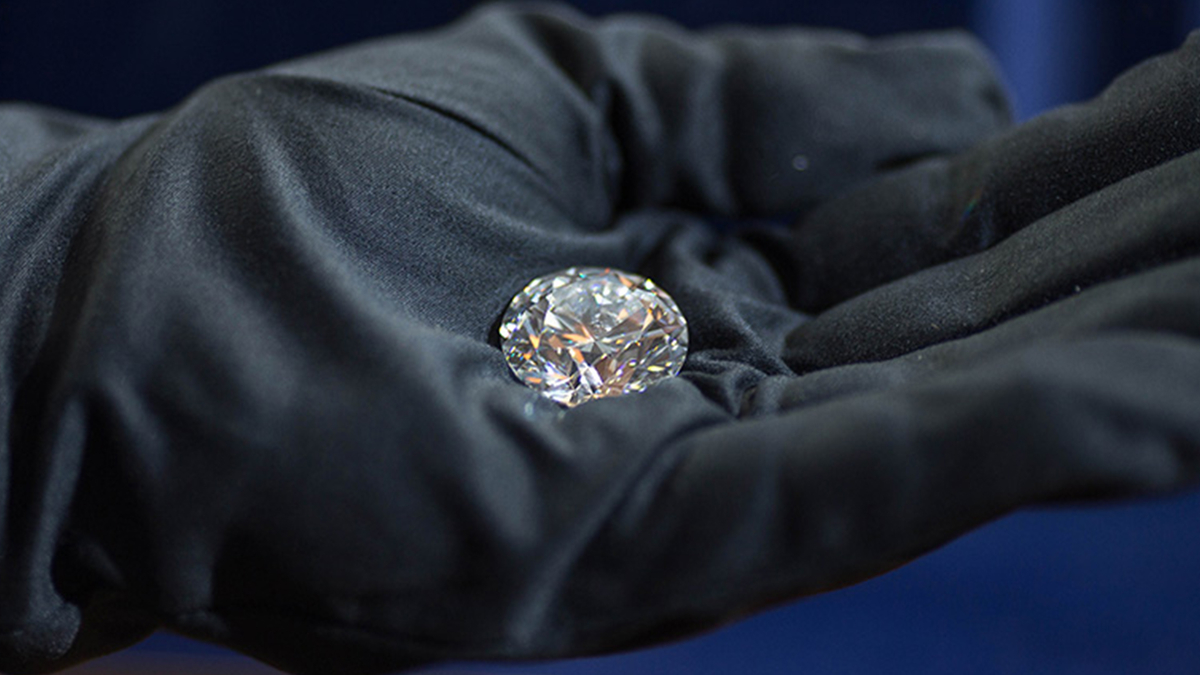
Within the jewelry manufacturing industry, crystal quality generally falls into several practical categories.
While grading terminology varies among suppliers, the visual differences are remarkably consistent.
Grade One: Commercial Quality
Commercial-grade moissanite is commonly found in low-cost fashion jewelry and mass-produced accessories.
Characteristics include:
- Noticeable internal haze
- Lower transparency
- Softer brilliance
- Less defined reflections
At close viewing distances, these stones often appear flat or slightly milky, creating the visual effect many consumers describe as "plastic."
Although suitable for entry-level products, they rarely meet the standards expected by premium jewelry brands.
Grade Two: Standard Jewelry Quality
This level represents the majority of mid-range jewelry available on today's market.
Compared with commercial-grade material, transparency improves significantly.
Most stones appear clean under normal viewing conditions, although slight haze may still become visible under strong lighting or side angles.
For everyday jewelry, this quality level performs well.
However, it still differs noticeably from premium stones when compared side by side.
Grade Three: High Transparency Quality
High-transparency moissanite represents the standard preferred by many fine jewelry manufacturers.
These crystals exhibit:
- Excellent clarity
- Minimal internal defects
- Bright reflections
- Strong brilliance
- Well-balanced fire
At normal viewing distance, the gemstone appears exceptionally clean and vibrant without the cloudy appearance associated with lower-quality material.
This quality level offers one of the best balances between performance and value.
Grade Four: Premium Glass-Clear Quality
At the highest end of the market are premium glass-clear crystals.
These stones feature:
- Exceptional transparency
- Extremely low internal defects
- Outstanding optical consistency
- Maximum light transmission
Viewed from the side, the crystal appears almost perfectly transparent, resembling flawless optical glass while maintaining the intense fire unique to moissanite.
This quality is typically selected for:
- Luxury engagement rings
- Designer jewelry collections
- High-end OEM manufacturing
- Premium private-label brands
Crystal Growth Technology Makes the Difference
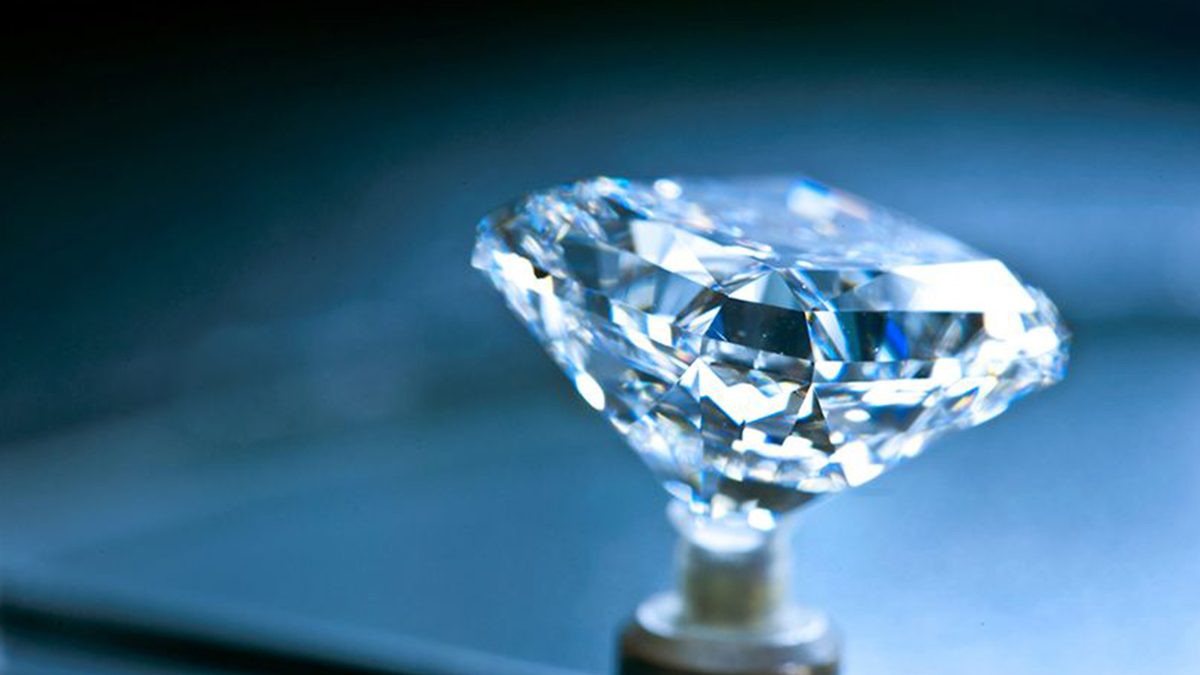
Transparency begins long before cutting and polishing.
It starts with crystal growth.
One of the most important factors behind premium moissanite is the production method used to grow the crystal.
High-quality manufacturers generally favor PVT (Physical Vapor Transport) crystal growth technology because it produces more stable crystal structures over a longer growth cycle.
Compared with faster production methods, PVT-grown crystals typically achieve:
- Better lattice consistency
- Fewer internal imperfections
- Higher transparency
- Improved optical performance
No amount of polishing can eliminate structural defects formed during crystal growth.
Crystal quality must be established from the very beginning.
Excellent Cutting Unlocks the Crystal's Full Potential
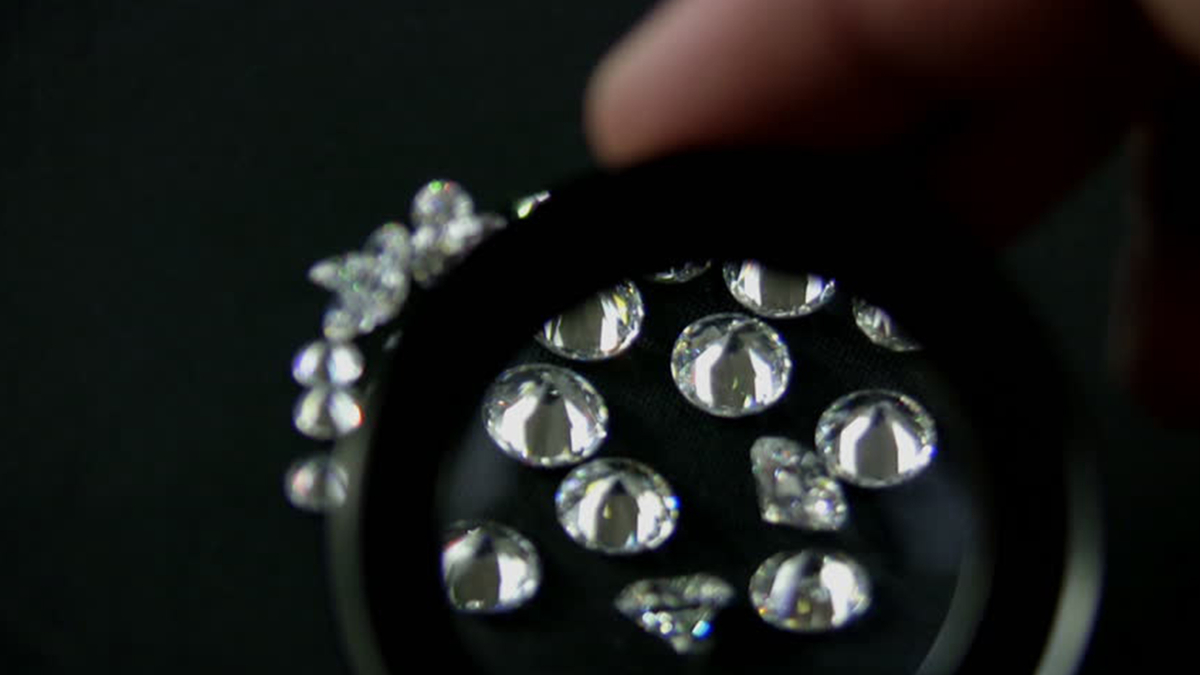
Even the finest crystal cannot perform well without precision cutting.
Professional cutting maximizes light return by carefully controlling:
- Table size
- Crown angle
- Pavilion depth
- Facet symmetry
- Polish quality
Poor cutting may cause:
- Light leakage
- Reduced brilliance
- Uneven sparkle
- Dull appearance
A premium moissanite requires both an exceptional crystal and expert craftsmanship.
Neither can compensate for shortcomings in the other.
How MOSUP Selects Premium Moissanite
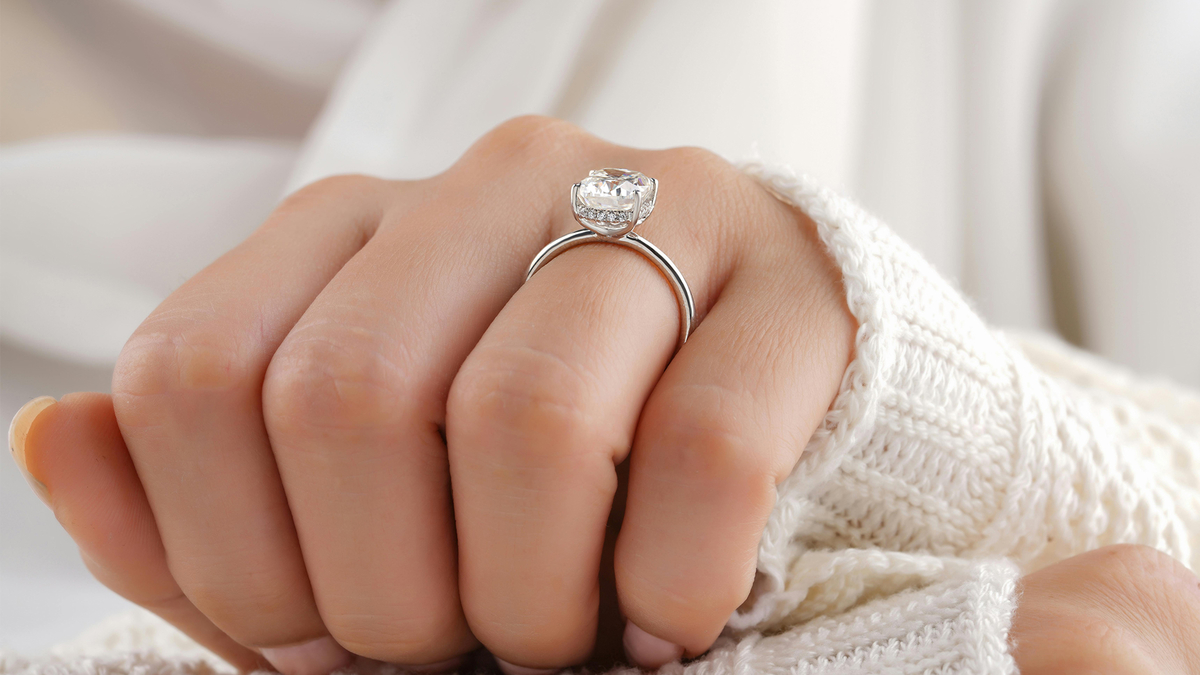
At MOSUP, gemstone selection begins before jewelry manufacturing ever starts.
Rather than focusing solely on color and carat weight, we evaluate each crystal based on the characteristics that determine long-term optical performance.
Our quality standards include:
- Carefully selected high-transparency crystals
- Strict screening for internal clarity
- Precision cutting and polishing
- Consistent quality control across production batches
- Multiple quality levels tailored for different brand positioning
Whether producing private-label collections, OEM jewelry, or wholesale programs, we believe consistency is just as important as beauty.
Reliable crystal quality helps our partners reduce returns, strengthen customer satisfaction, and build lasting brand value.
How to Choose Moissanite Without the "Plastic Look"
If you're looking for premium-quality moissanite, consider these factors before making a purchase:
- Choose stones with excellent transparency rather than focusing only on size.
- Ask about the crystal growth technology used by the manufacturer.
- Evaluate the precision of the cut—not just the clarity grade.
- Purchase from manufacturers with established quality control systems and transparent sourcing.
A well-made moissanite should appear bright, crisp, and full of life—not cloudy or artificial.
The "plastic look" often associated with moissanite is not caused by the material itself.
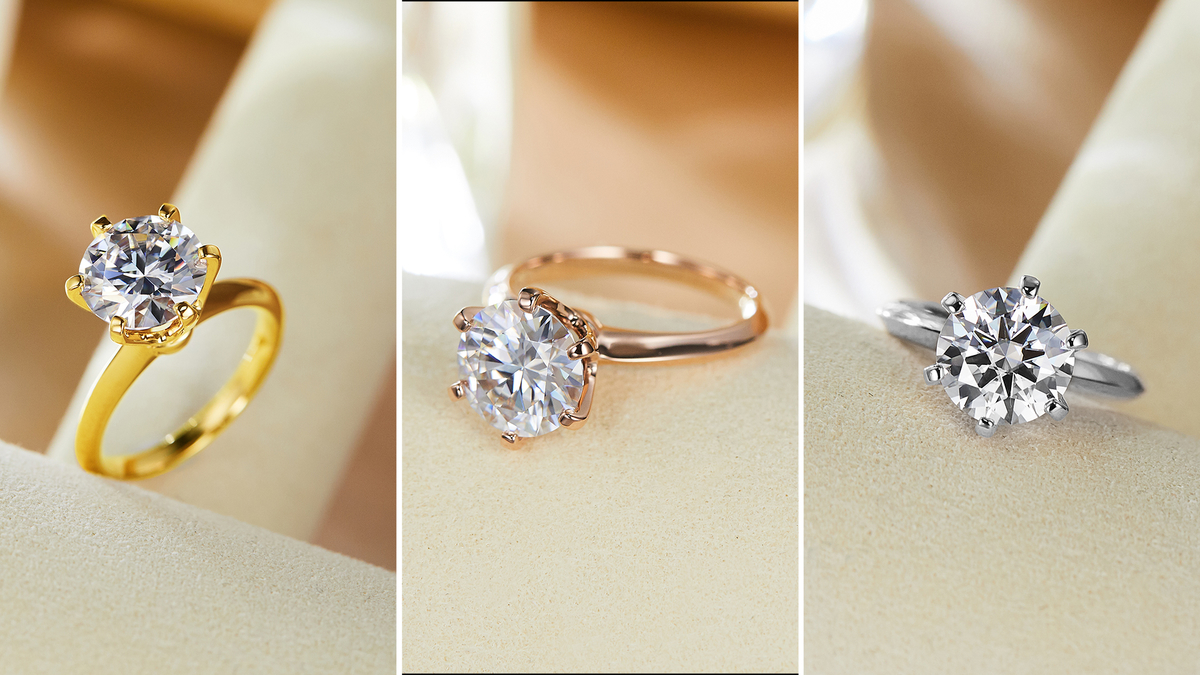
Instead, it reflects differences in crystal transparency, growth technology, internal crystal quality, and cutting precision.
Premium moissanite combines a clean crystal structure with expert craftsmanship to deliver outstanding brilliance, exceptional fire, and a luxurious appearance that rivals much more expensive gemstones.
For jewelry brands, wholesalers, and consumers alike, understanding these factors makes it easier to identify genuine quality—and to appreciate why not all moissanite performs the same.
At MOSUP, we believe exceptional jewelry begins with exceptional materials. By selecting high-quality crystals and applying rigorous manufacturing standards, we help our global partners create moissanite jewelry that looks refined, performs beautifully, and earns lasting customer trust.