
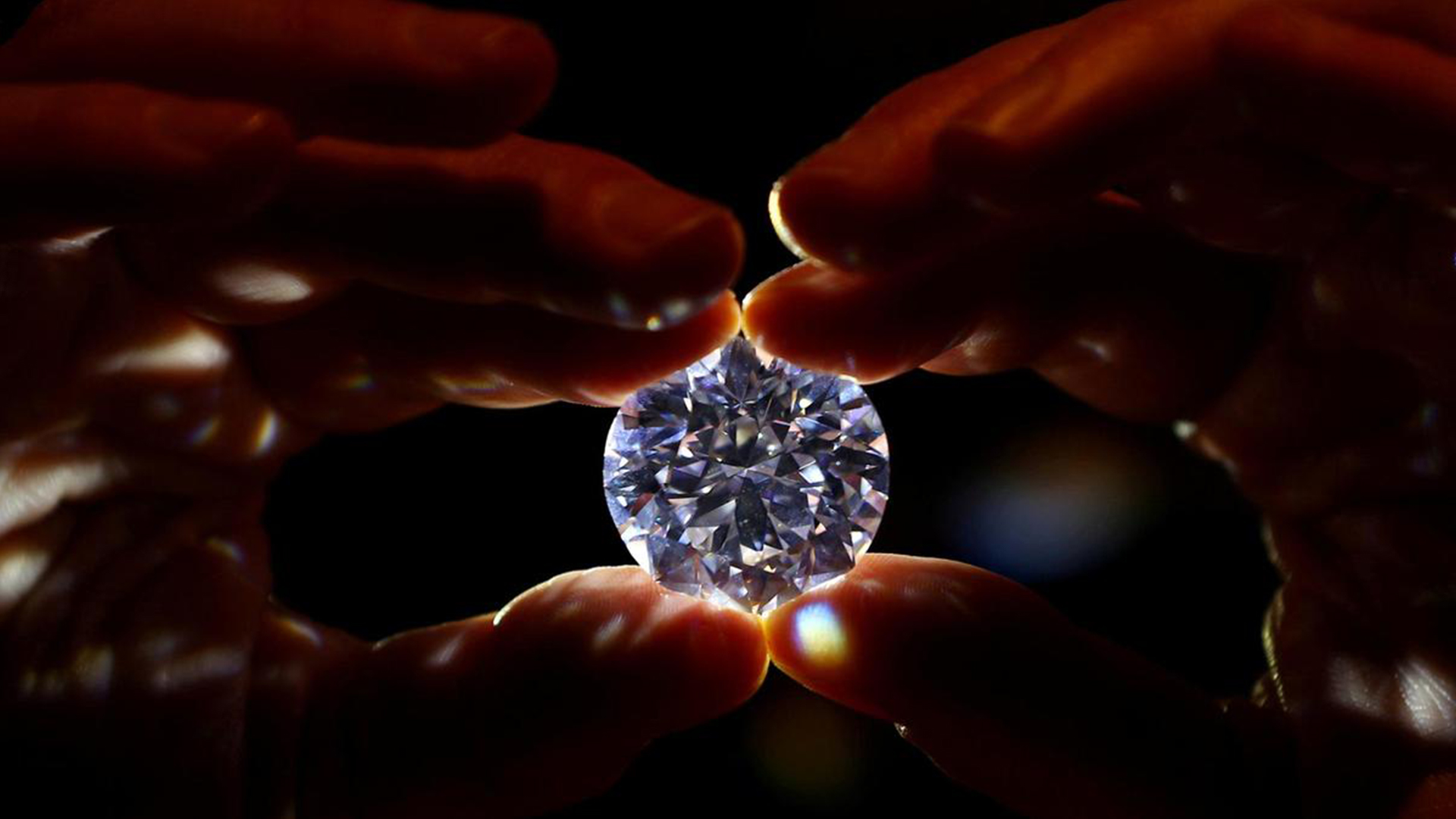
Moissanite has become an established gemstone category in the international jewelry market, particularly in engagement rings, fine jewelry and fashion collections positioned around brilliance, durability and accessible luxury.
Yet one question is still frequently misunderstood:How is moissanite actually made?
Moissanite is not laboratory-grown diamond. It is not another form of diamond, either. The gemstone used in modern jewelry is primarily synthetic silicon carbide (SiC), a material with its own crystal structure, optical characteristics and manufacturing technology.
Natural moissanite does exist, but it is extraordinarily rare and occurs in extremely small quantities. The crystals discovered in meteorite-related material were not suitable for producing the commercial-sized gemstones used in jewelry today.
As a result, the moissanite sold for jewelry is laboratory-created. ([Charles & Colvard][1])
For buyers, wholesalers and jewelry brands, this leads to a more useful question: If most jewelry moissanite is lab-created, what actually separates higher-quality material from lower-quality material?
The answer is not simply the word “lab-grown.” It lies in crystal growth, defect control, rough selection, cutting precision and final quality control.
1. Moissanite Is Silicon Carbide — Not Diamond
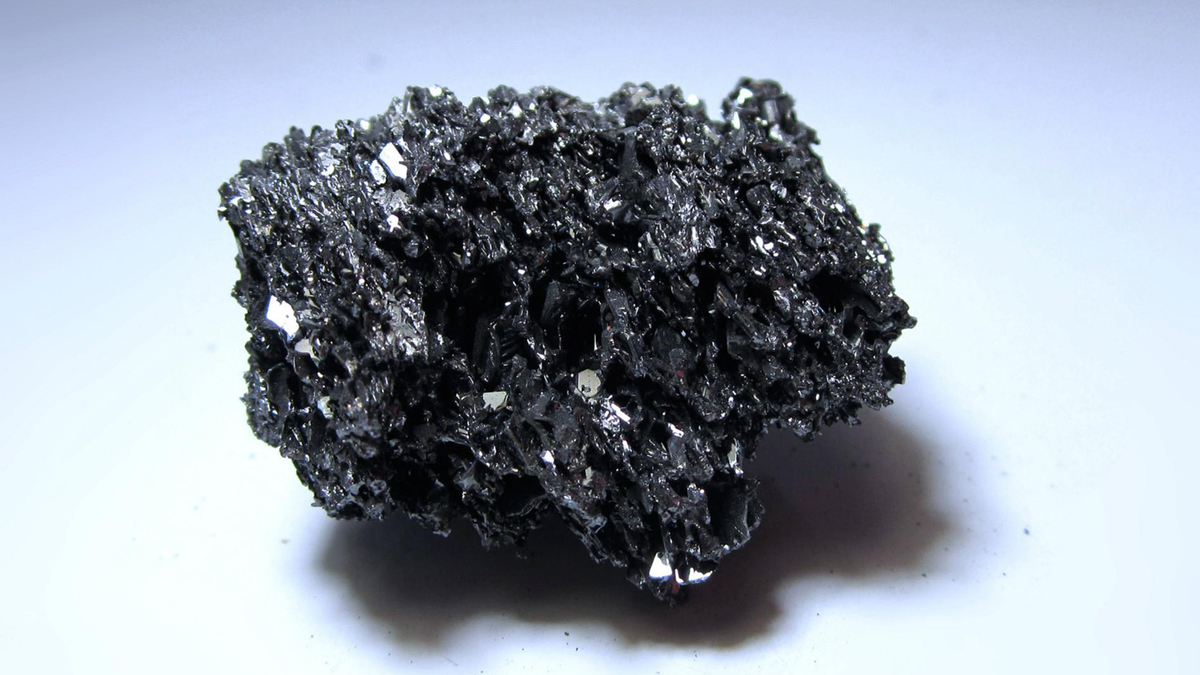
The first step in understanding moissanite quality is to understand what the gemstone actually is.
Diamond is crystalline carbon.
Moissanite is crystalline silicon carbide (SiC).
This distinction matters because the two materials have different optical and physical properties.
According to gemological research published by the Gemological Institute of America, synthetic moissanite has a refractive index around 2.648–2.691, dispersion of approximately 0.104,
and a Mohs hardness of about 9¼. Its optical properties are sufficiently different from diamond that specialized gemological testing can distinguish the two materials.
Modern moissanite is therefore better understood as a distinct gemstone category, rather than simply a cheaper version of diamond.
Its strong optical performance is one reason it has become popular in jewelry. Modern premium moissanite can exhibit exceptional brilliance and pronounced spectral fire, while maintaining excellent everyday durability. Charles & Colvard, for example, lists a refractive index of approximately 2.65–2.69 and a Mohs hardness of 9.25 for its moissanite.
2. Why Crystal Growth Matters More Than Most Buyers Realize
When consumers compare moissanite stones, they often focus on:
Color
Clarity
Carat-equivalent size
Cut
Price
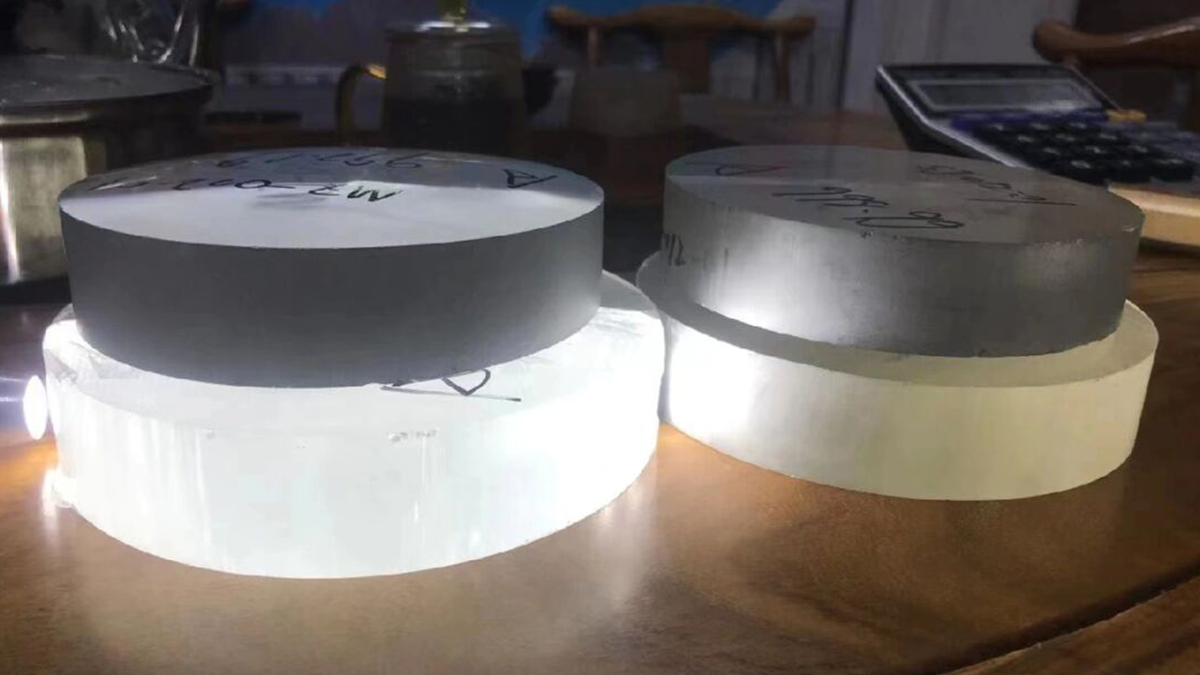
But before a cutter ever touches the rough crystal, another factor has already determined much of the stone's potential:the quality of the crystal itself.
A gemstone cutter can optimize proportions, symmetry and polish, but cutting cannot completely eliminate structural defects that originated during crystal growth.
This is why the manufacturing process is important.
A high-quality crystal-growth environment needs to control variables such as:
Temperature
Pressure
Chemical environment
Growth rate
Crystal orientation
Thermal gradients
Impurities and defects
The objective is to produce a sufficiently uniform single-crystal material that can later be cut into clean, attractive gemstones.
In other words: The cutter can reveal the potential of a crystal — but cannot manufacture crystal quality that was never there.
3. PVT: One Important Technology in SiC Crystal Growth
One of the important technologies associated with silicon-carbide single-crystal growth is Physical Vapor Transport (PVT).
The principle is fundamentally different from the high-pressure/high-temperature process used to create laboratory-grown diamond.
In a PVT system, high-purity silicon-carbide source material is heated in a controlled environment. Under carefully managed thermal conditions, material is transported through the vapor phase toward a seed crystal, where crystalline growth takes place.
The process is technically demanding because the growth environment must remain highly controlled.
Researchers studying SiC crystal growth have demonstrated how factors such as temperature gradients can influence the shape of the growth interface and the formation or movement of crystal defects. ([arXiv][4])
That point is important for jewelry manufacturing.
Crystal growth is not simply a matter of “heating the material until a gemstone appears.”
The growth conditions influence the resulting crystal's structural quality, which subsequently affects how much clean rough material can be obtained and how effectively it can be cut.
4. The Real Quality Difference: Defect Control
This is where the discussion becomes particularly relevant to jewelry wholesalers and manufacturers.
Two moissanite stones can both be described as “silicon carbide” and still look noticeably different.
Why? Because material identity and material quality are not the same thing.
Potential issues can include:
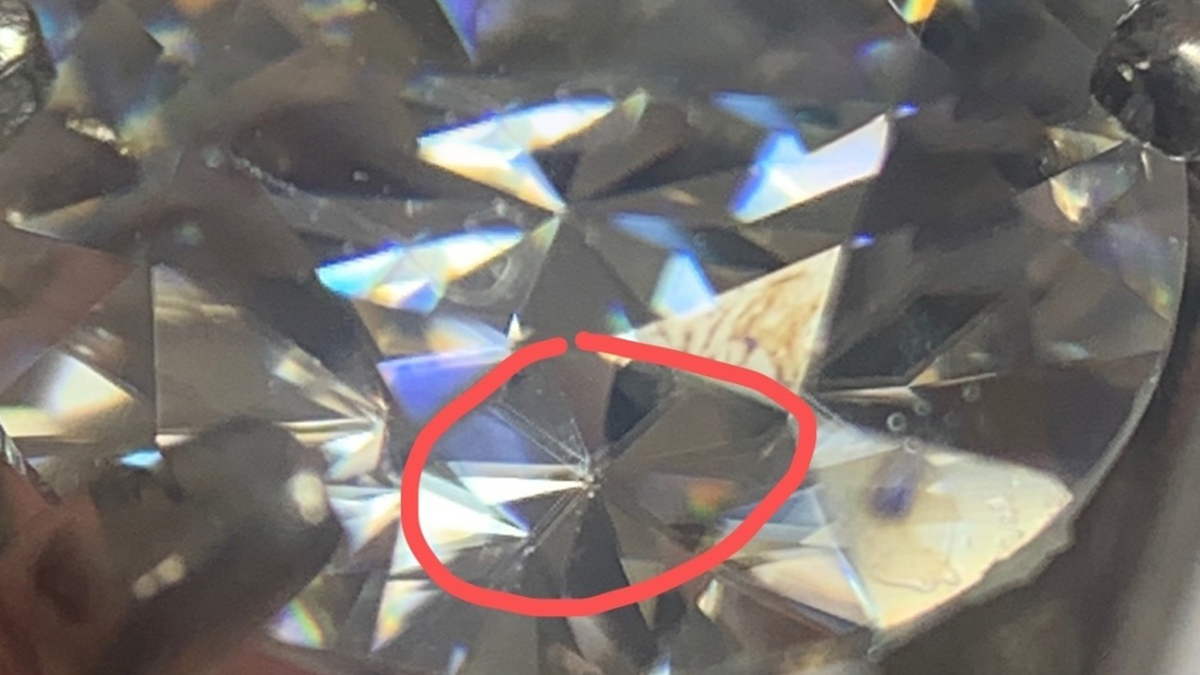
Internal inclusions
Growth-related defects
Color irregularities
Structural imperfections
Poor transparency
Surface damage
Inconsistent cutting
A high-quality manufacturing process therefore focuses not only on producing a crystal, but on producing a crystal with enough usable material for precision gemstone cutting.
This creates a chain:
Crystal Growth → Rough Quality → Cutting Potential → Finished Gemstone Quality
That is one of the most important concepts for professional buyers to understand.
5. From Crystal to Gemstone: The Manufacturing Journey
A commercial moissanite gemstone does not come directly out of a growth furnace looking like a finished engagement-ring stone.
There is a substantial manufacturing process between the crystal and the finished gemstone.
Step 1: Raw Material Preparation
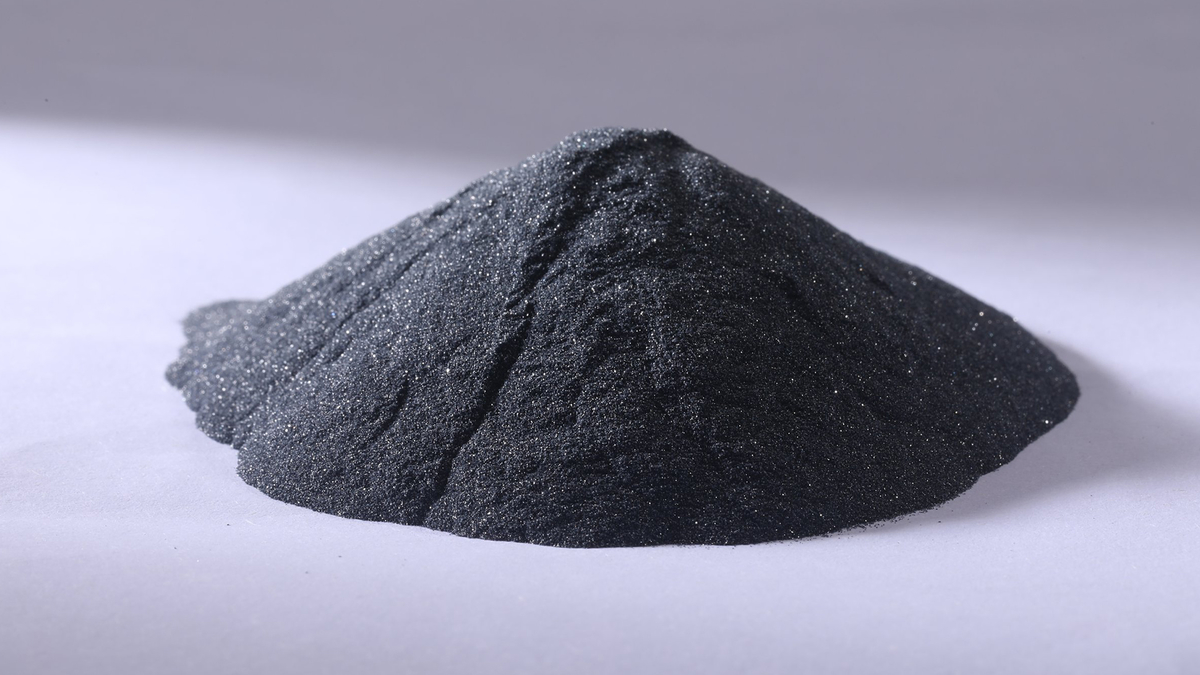
High-purity silicon-carbide source material and an appropriate seed crystal are prepared for the growth process.
Material purity is important because unwanted impurities can influence the crystal's appearance and structural quality.
Step 2: Controlled Crystal Growth
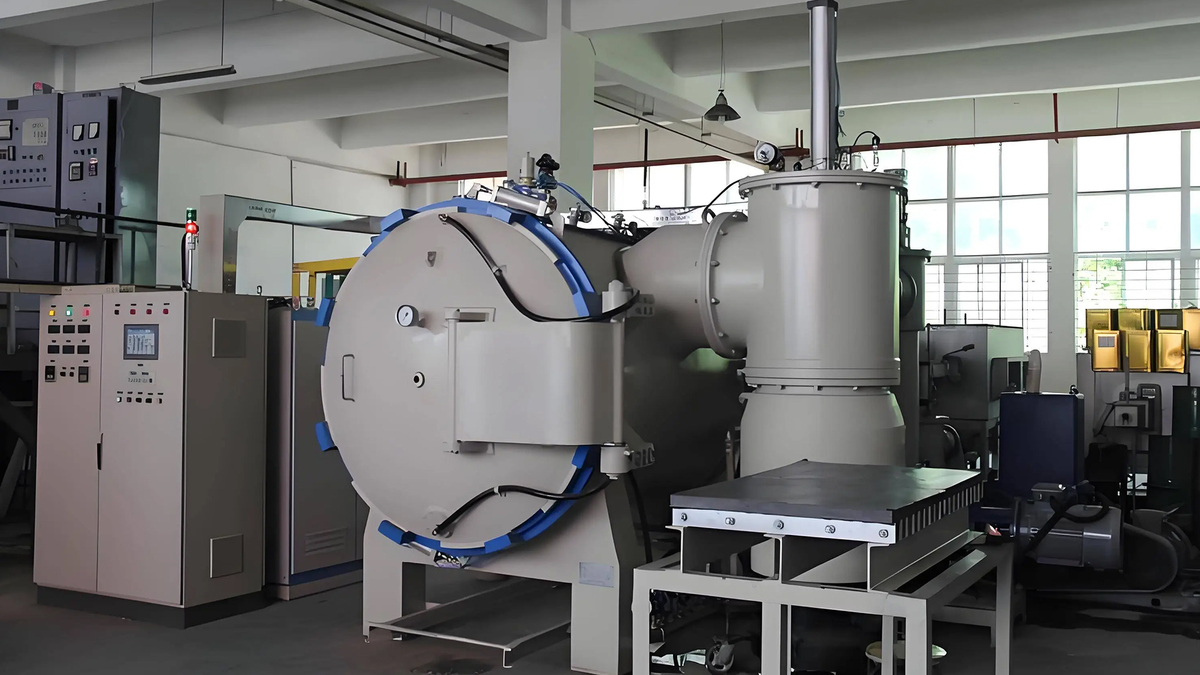
The material is placed inside specialized growth equipment.
Depending on the production technology, the crystal is grown under carefully controlled thermal and atmospheric conditions.
For PVT-based SiC growth, vapor transport and deposition onto a seed crystal gradually build the single-crystal structure.
Step 3: Cooling and Crystal Stabilization
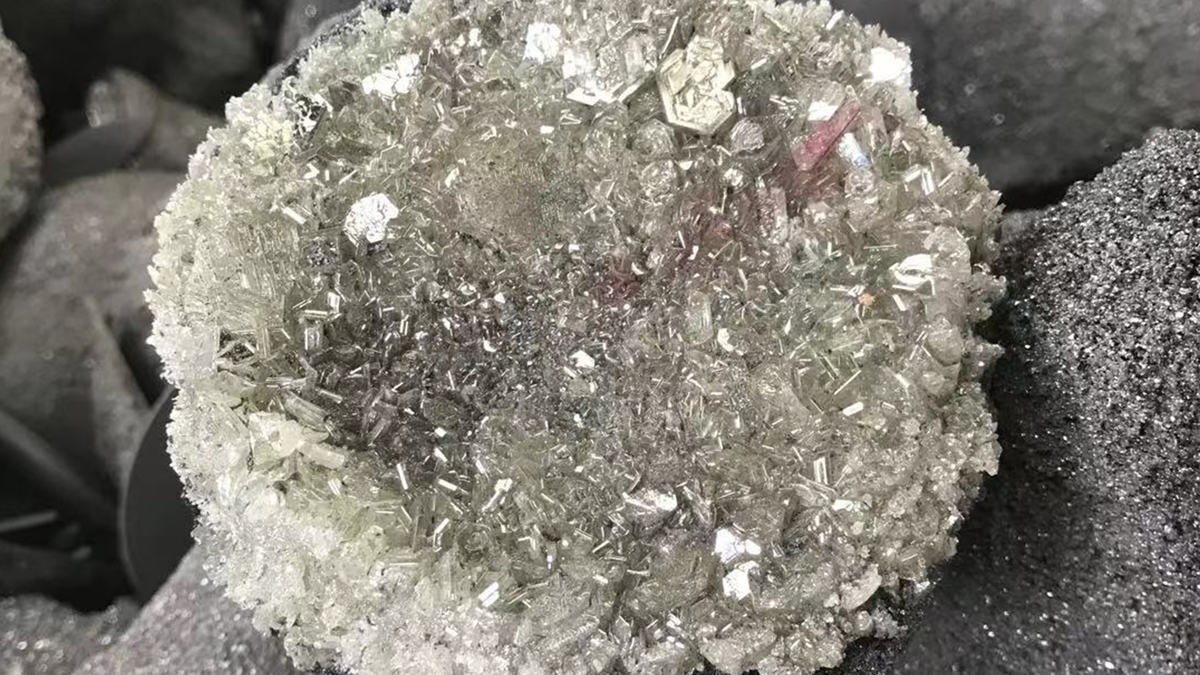
After growth, the crystal cannot simply be removed and rapidly cooled.
Thermal stress can affect crystal integrity, so controlled cooling is an important part of industrial crystal processing.
Step 4: Rough Crystal Inspection
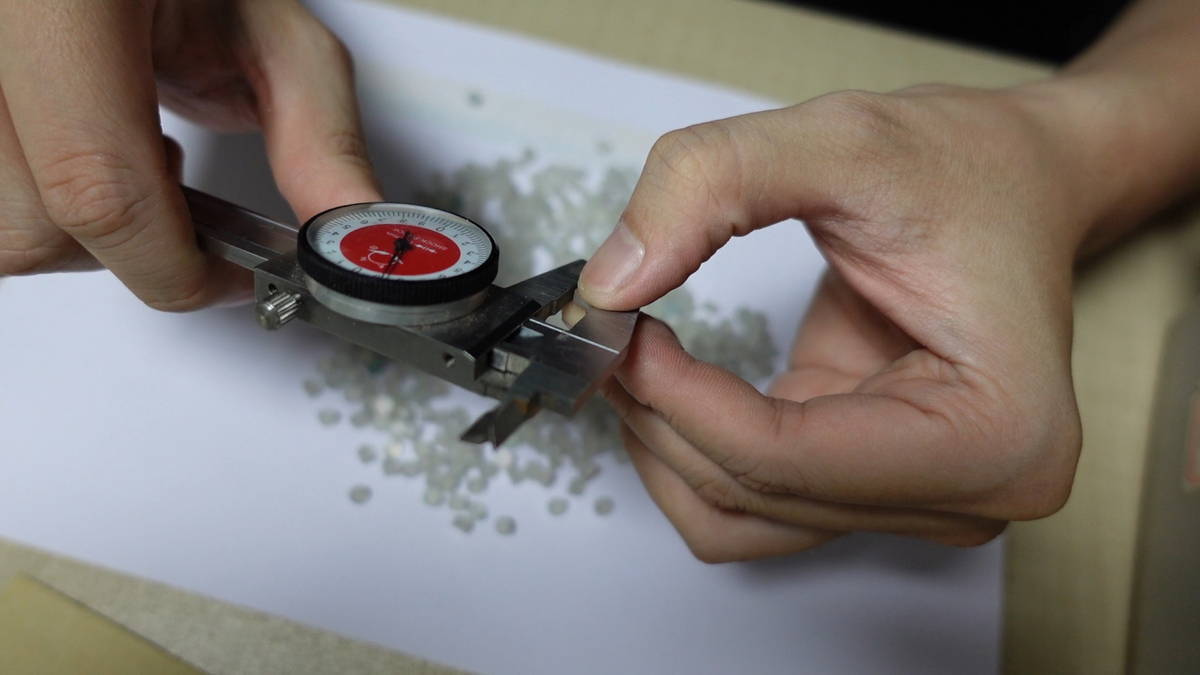
The resulting crystal is inspected and evaluated.
Manufacturers identify usable areas and reject sections with undesirable defects or insufficient quality.
This stage is particularly important because not every part of a large crystal necessarily has identical quality.
Step 5: Sawing and Preforming
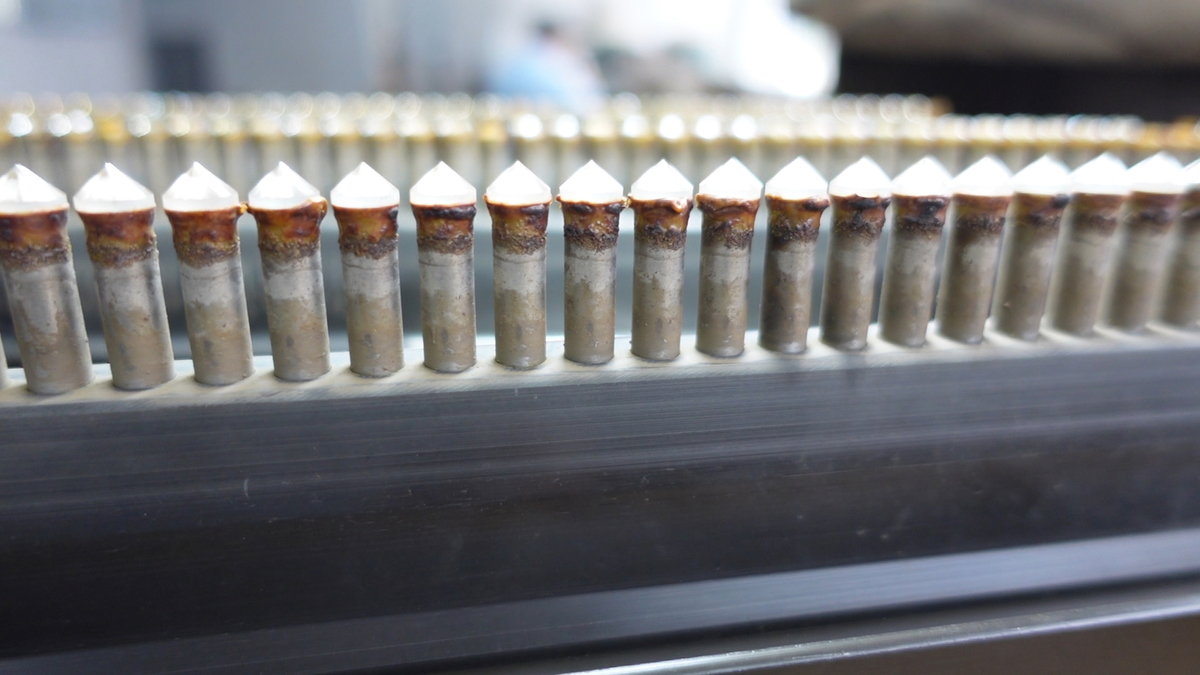
The selected rough material is cut into workable pieces.
The objective is to maximize yield while preserving the material needed for the intended gemstone shape and size.
Step 6: Precision Cutting
This is where the gemstone begins to acquire its visual identity.
The cutter determines:
Facet geometry
Crown and pavilion proportions
Symmetry
Table size
Polish quality
Optical performance
Moissanite has strong dispersion, meaning its fire can be particularly noticeable. As a result, cutting design has a significant influence on how that optical effect is perceived.
Step 7: Polishing and Final Inspection
The finished gemstone is polished and inspected for:
Surface quality
Facet symmetry
Polish
Transparency
Color appearance
Internal characteristics
Overall visual performance
Only after this stage does the material become a finished jewelry gemstone.
6. Why Two “Moissanite” Stones Can Look Completely Different
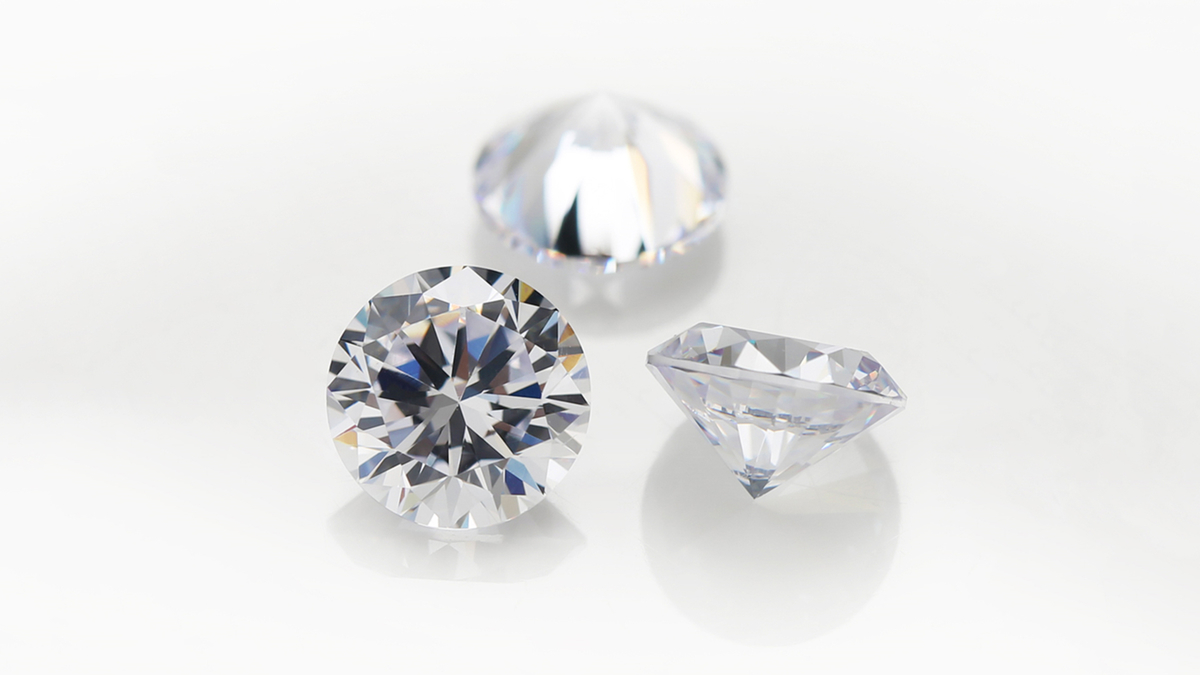
This is one of the most useful points for international buyers.
If two stones are both made from silicon carbide, why can one appear exceptionally bright while another looks dull or hazy?
Because “moissanite” describes the gemstone material, not a universal finished-gem quality grade.
The final appearance can be influenced by several variables.
Crystal Quality
Cleaner, more uniform crystal material provides a stronger foundation for gemstone production.
Color
Moissanite can be produced across different color appearances. Premium commercial ranges commonly distinguish colorless and near-colorless categories. ([Charles & Colvard][1])
Cutting
Even excellent rough material can perform poorly if the faceting is inaccurate.
A poorly proportioned stone may fail to return light effectively.
Polish
Fine polishing is essential because surface quality directly affects the way light interacts with the facets.
Stone Geometry
A round brilliant, oval, cushion or emerald-cut moissanite will interact with light differently.
Therefore, judging quality solely from a “carat-equivalent” number is not enough.
7. Moissanite Is Not Graded Exactly Like Diamond
This is another common source of confusion.
Moissanite is sometimes marketed using terminology familiar from diamond purchasing, including color and clarity descriptions.
However, consumers should not assume that a moissanite's grading system is identical to the standardized grading framework used for natural diamonds.
For example, some commercial moissanite suppliers use color categories corresponding broadly to diamond color ranges, such as colorless and near-colorless. ([Charles & Colvard][1])
For professional sourcing, the better approach is to evaluate the stone using several dimensions:
Material + Color + Clarity + Cut + Polish + Optical Performance
rather than relying on one marketing grade.
8. The Most Important Quality Indicators for Wholesale Buyers
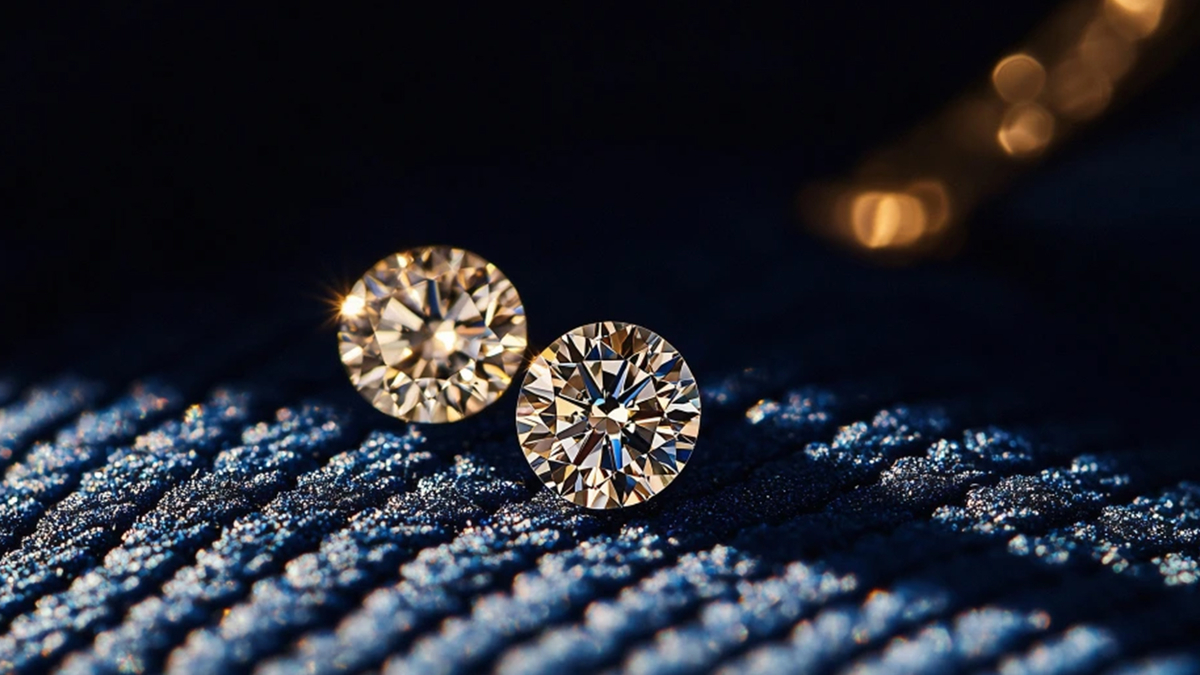
For jewelry wholesalers and OEM/ODM buyers, the question is slightly different from that of an individual consumer.
The objective is not simply to find a beautiful stone.
It is to find a consistent supply of beautiful stones.
That means evaluating:
① Batch Consistency
Can the supplier maintain similar color, clarity and cutting standards across multiple production batches?
② Rough Material Quality
Is the supplier controlling the quality of the incoming crystal material?
③ Cutting Precision
Are facet proportions, symmetry and polish consistent?
④ Size Availability
Can the manufacturer provide stable supply across popular shapes and sizes?
⑤ Quality Control
Are stones inspected before they enter jewelry production?
⑥ OEM/ODM Capability
Can the supplier match the stone specification to different jewelry designs?
For a wholesale business, these factors can be more important than simply finding the lowest stone price.
9. Moissanite vs. Lab-Grown Diamond: Do Not Confuse the Two
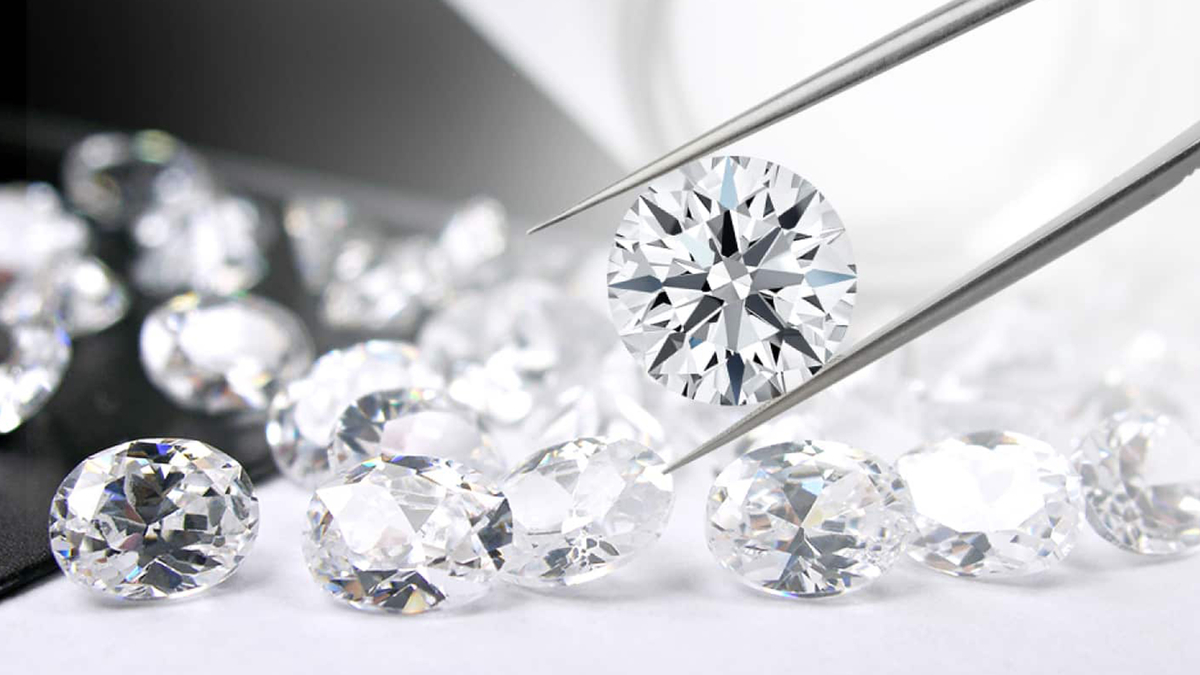
Moissanite and laboratory-grown diamond increasingly appear in the same jewelry collections, but they are fundamentally different materials.
| Feature | Moissanite | Lab-Grown Diamond |
|---|---|---|
| Chemical composition | Silicon carbide (SiC) | Carbon |
| Material category | Moissanite | Diamond |
| Production | Laboratory-created | Laboratory-grown |
| Mohs hardness | Approx. 9.25 | 10 |
| Optical behavior | Strong brilliance and fire | Diamond optical characteristics |
| Natural occurrence | Extremely rare | Natural diamond occurs widely |
| Relationship to diamond | Diamond simulant / alternative gemstone | Diamond |
The distinction is important for accurate product descriptions and responsible international marketing.
Moissanite should be sold and described as moissanite, not as a laboratory-grown diamond.
This is not merely a technical distinction; it is also important for consumer transparency and product compliance.
10. What Does “Premium Moissanite” Really Mean?
For professional buyers, “premium” should not simply mean: “The stone looks very sparkly.”
A stronger definition is:
Premium moissanite combines reliable crystal material, controlled manufacturing, precise cutting, high-quality polishing and consistent quality control.
The strongest suppliers should therefore be able to discuss more than the stone's appearance.
Ask about:
Material composition
Crystal-growth technology
Rough selection
Cutting standards
Color consistency
Clarity consistency
Quality-control procedures
Size and shape availability
Production capacity
This is particularly important for brands developing private-label jewelry collections.
11. The Bigger Picture: Moissanite Is Becoming a Manufacturing Story
The evolution of moissanite is interesting because its value proposition is not based exclusively on imitation.
Modern moissanite represents a broader shift in the jewelry industry:
advanced materials + controlled manufacturing + precision cutting + accessible luxury.
Its appeal comes from a combination of optical performance, durability, design flexibility and price positioning.
For jewelry brands, that creates opportunities beyond traditional engagement rings.
Moissanite can be incorporated into:
Bridal jewelry
Fashion rings
Tennis necklaces
Earrings
Pendant collections
Personalized jewelry
Stackable rings
Colored gemstone-inspired designs
OEM/ODM private-label collections
This makes the material particularly interesting for manufacturers and wholesalers looking to develop scalable jewelry collections.
12. What Buyers Should Look for When Sourcing Moissanite
If you are purchasing moissanite for a jewelry business, do not start with the question:
“How cheap is the stone?”
Start with:
“How consistent is the stone?”
A reliable supply chain should provide consistent specifications from rough crystal through finished gemstone.
For commercial jewelry, a slightly higher material cost can be justified if it delivers:
Better visual consistency
Lower rejection rates
More stable color
Better cutting
Fewer manufacturing defects
More predictable finished-jewelry quality
In other words:
The cheapest stone is not necessarily the lowest-cost stone.
For wholesalers, the real cost includes returns, rework, inconsistent batches, customer complaints and lost repeat orders.
Final Thoughts: The Quality of Moissanite Starts Before the Cutting Wheel
The most important lesson is simple: Moissanite quality begins with the crystal, not the polishing machine.
Modern jewelry moissanite is laboratory-created silicon carbide, developed through specialized crystal-growth technologies and subsequently transformed through precision cutting and polishing.
PVT is an important technology in the broader field of SiC single-crystal growth, but it should not be treated as a universal label for every jewelry moissanite supplier or as a guarantee of finished-gem quality. What ultimately matters is the complete manufacturing chain—from crystal growth and rough selection to cutting, polishing and quality control.
For consumers, this means looking beyond sparkle.For wholesalers, it means looking beyond price.
And for jewelry manufacturers, it means understanding that consistent crystal quality + precision cutting + disciplined QC is what turns laboratory-created silicon carbide into a commercially valuable gemstone.
That is the real story behind modern moissanite.