
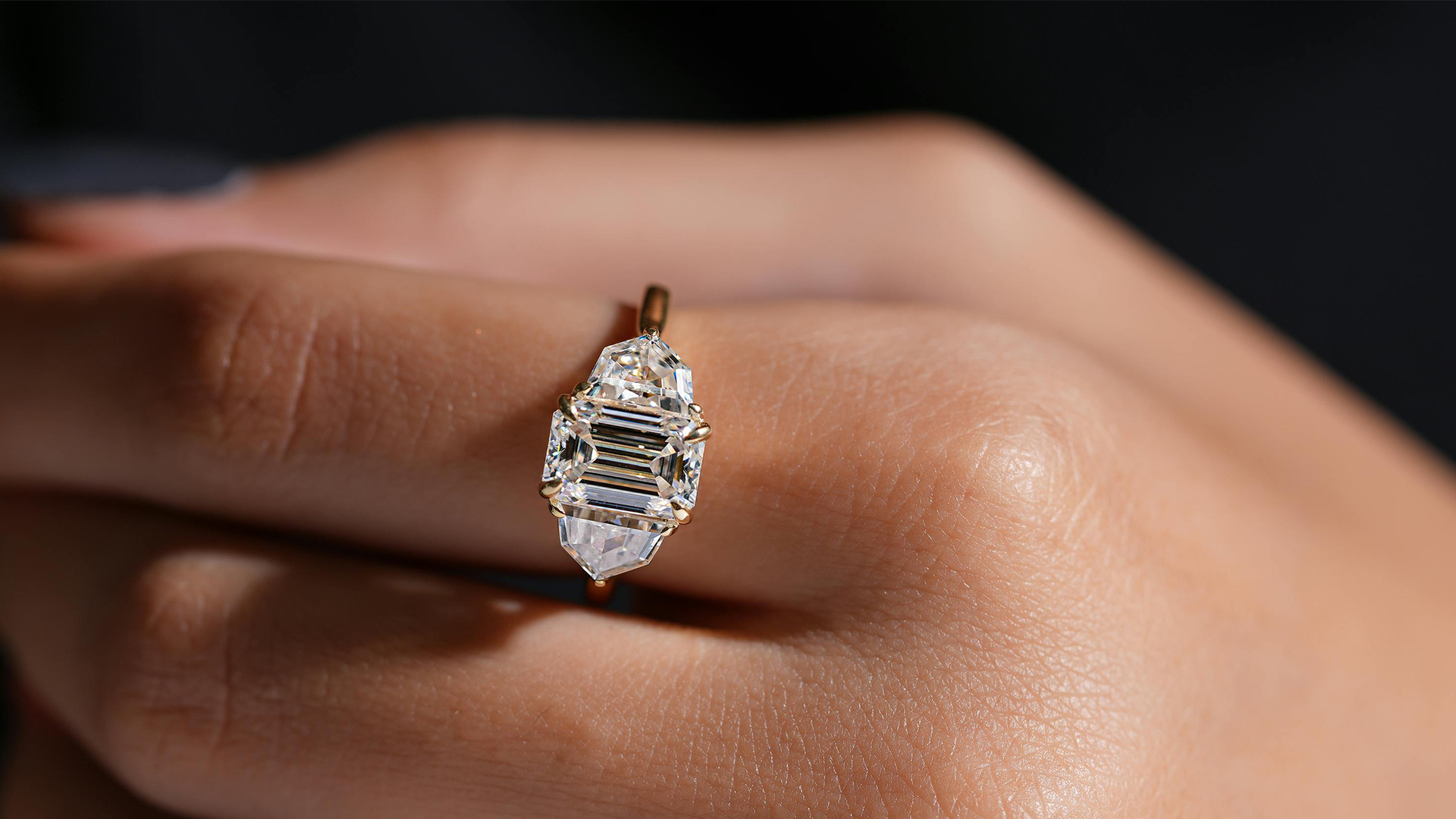
What Counts as Moissanite Fine Jewelry? Materials, Construction and Long-Term Value
The word "fine" should help a buyer understand what a piece is made from and how it is built. Yet online jewelry pages often mix material terms, design language and mood words. A polished image may be described as luxury even when the base metal, plating, stone treatment or repair options are unclear. A better way to judge Moissanite Fine Jewelry is to separate measurable construction from marketing tone.
This article provides that framework. It also explains how Moissanite Luxury Jewelry can be positioned honestly: not as a promise based on packaging or price alone, but as a combination of disclosed materials, disciplined workmanship, thoughtful wear and appropriate aftercare.
Fine jewelry is a materials-and-construction category
There is no single worldwide definition that covers every market, so product pages should not expect the label to do all the work. Buyers need the base metal, metal fineness, surface layer, gemstone identity, dimensions and construction details. Those facts let them compare pieces across brands and price levels.
For MOSUP, the practical SEO opportunity is to answer the definition question while sending shopping intent to a collection. The blog can explain what to inspect; the collection can show available styles and product-specific material information.
Read the base metal before the color name
"White," "yellow" and "rose" describe appearance, not composition. Sterling silver, gold alloys and plated products can share similar colors while behaving differently in wear, maintenance and repair. A useful description starts with the base metal and fineness, then explains any applied surface layer.
In the United States, sterling silver describes material that is 92.5 percent silver, commonly marked 925. Gold karat marks describe the proportion of gold in a 24-part system. Other markets have their own rules, so international sellers should align copy with local requirements. The editorial principle is universal: state composition clearly and place qualifications close to the claim.
Surface finish and plating need plain-language disclosure
High polish, matte and brushed surfaces change how a piece reflects light. Plating changes surface color and may change maintenance needs. Neither is inherently good or bad, but neither should be hidden behind a broad color label.
A strong product page names the base metal, names the surface treatment when applicable, and gives realistic care guidance. It should not promise that every finish is permanent. Friction, chemicals, wear pattern and layer thickness all affect how a surface changes over time.
Stone information should identify, not imitate
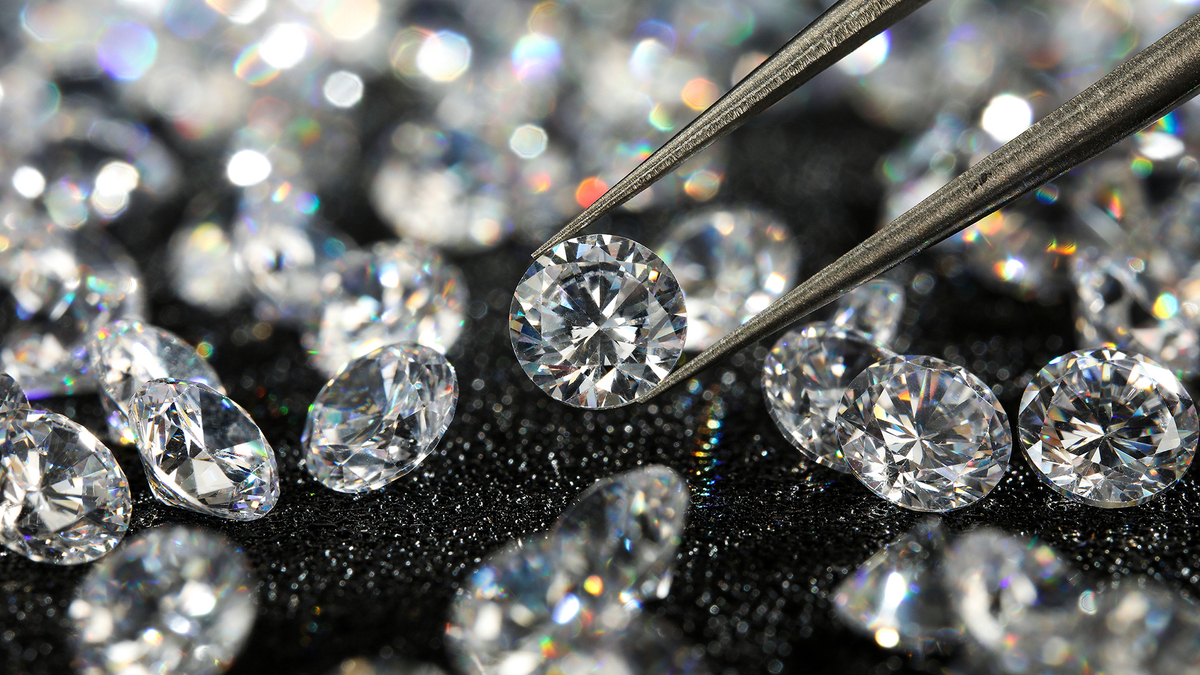
Moissanite is a laboratory-created silicon carbide gemstone with its own optical character. Product copy should call it moissanite and avoid language that could make readers think they are buying diamond. Shape, millimeter dimensions, color appearance and any treatment that materially affects care are more useful than an unexplained quality badge.
When stones are used in a pair or row, matching becomes part of the finished quality. Look for consistent outline, face-up size, color appearance and alignment. In earrings and jewelry sets, small mismatches can be more noticeable because the pieces are viewed together.
Construction determines whether the design works in motion
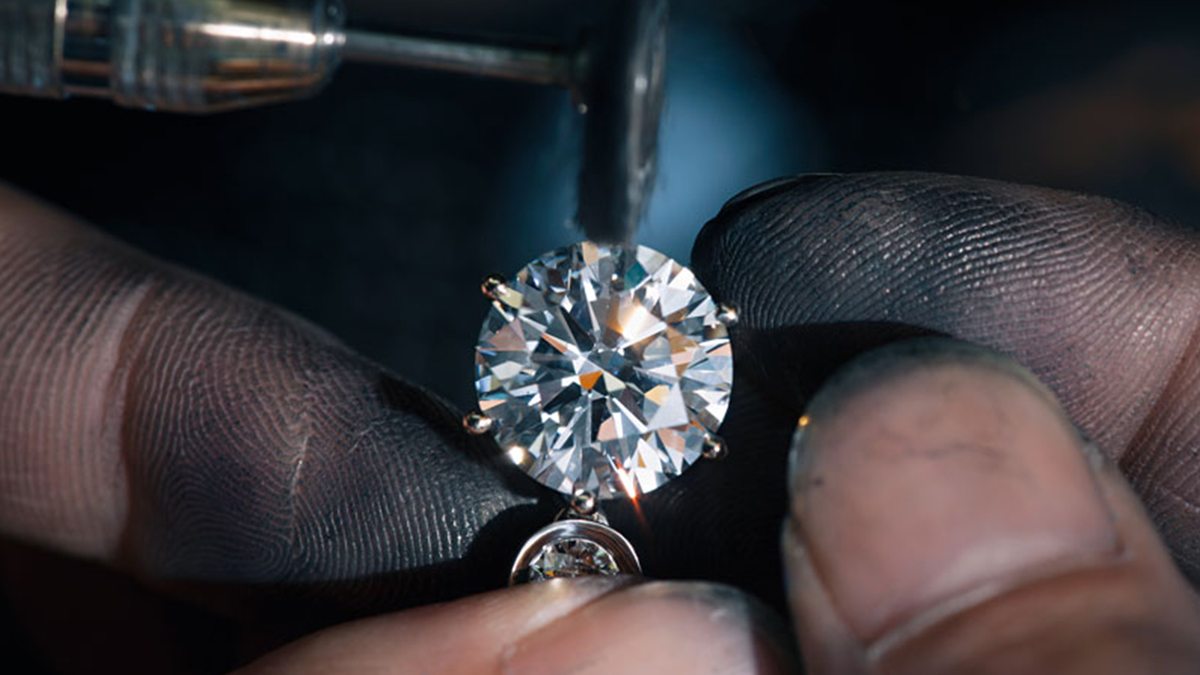
Inspect the points that carry load: prongs, bezels, solder joints, posts, bails, hinges, links and clasps. They should be proportionate to the design and finished smoothly. Very fine components can create an elegant look, but they still need enough metal and accurate alignment for the intended use.
A stone setting should hold the stone evenly without obvious gaps or unfinished edges. A clasp should close positively. A pendant should hang face-forward. A ring should feel smooth between adjacent fingers. These are functional outcomes, not decorative extras.
Serviceability is an overlooked quality signal
Jewelry eventually needs cleaning, inspection, polishing, clasp adjustment or stone-setting attention. Designs that allow a qualified jeweler to access components and understand the material are easier to maintain responsibly. Buyers should know whether a ring can be resized, whether a surface layer may need renewal and whether replacement backs or chains are standard sizes.
Serviceability does not mean every piece must last forever or support every repair. It means the seller can explain reasonable maintenance and limitations before purchase. That transparency strengthens trust and reduces disappointment later.
What Moissanite Luxury Jewelry should communicate
Luxury is best treated as a design and service position, not a substitute for specifications. Refined proportion, clean finishing, consistent stone matching, thoughtful packaging and responsive support can all elevate the experience. They should sit on top of clear material disclosure, not replace it.
If two products share a similar photograph but differ sharply in price, compare metal weight and fineness, stone quantity and matching, setting labor, component complexity, finishing, inspection and service. A higher price is not proof of better construction, but those variables explain where genuine cost differences often arise.
A buyer's documentation checklist
Before adding a piece to a personal collection or retail assortment, confirm the following information. If the product page does not answer it, ask before ordering.
· Base metal and fineness or alloy description
· Plating or surface treatment, if present
· Gemstone identity, shape and millimeter measurements
· Overall dimensions, closure and key construction details
· Care guidance, return terms and available after-sales support
Keep the blog and collection roles separate
This article should rank for the definition and evaluation question. It should link to the MOSUP collection with an anchor that signals shopping intent, while the collection page retains the exact commercial target and displays category breadth.
For readers who want the production sequence, link to MOSUP's existing manufacturing article. That page explains design, casting, setting and finishing stages; this one stays focused on how a buyer interprets the finished result. The separation keeps Moissanite Fine Jewelry from becoming a duplicate theme across multiple blogs.
Frequently Asked Questions
Is sterling silver considered fine jewelry?
Usage varies by market and seller. Sterling silver is a precious-metal alloy, but the label alone does not describe plating, construction or serviceability. Read the full material and product details.
Is luxury jewelry always made from solid gold?
No. Luxury can describe design, craft, brand experience or service. Material composition should still be stated separately and precisely.
What is the difference between Moissanite Fine Jewelry and fashion jewelry?
The most useful distinction is disclosed precious-metal content, gemstone identity, construction, finish and expected service. Avoid relying on price or photography alone.
What should Moissanite Luxury Jewelry product copy avoid?
Avoid vague permanence claims, undisclosed plating, diamond-like identity language and unsupported quality superlatives. Specific materials, measurements and care information are more persuasive.