
A Simple Guide to Diamond Testing, Thermal Properties, and Moissanite Identification
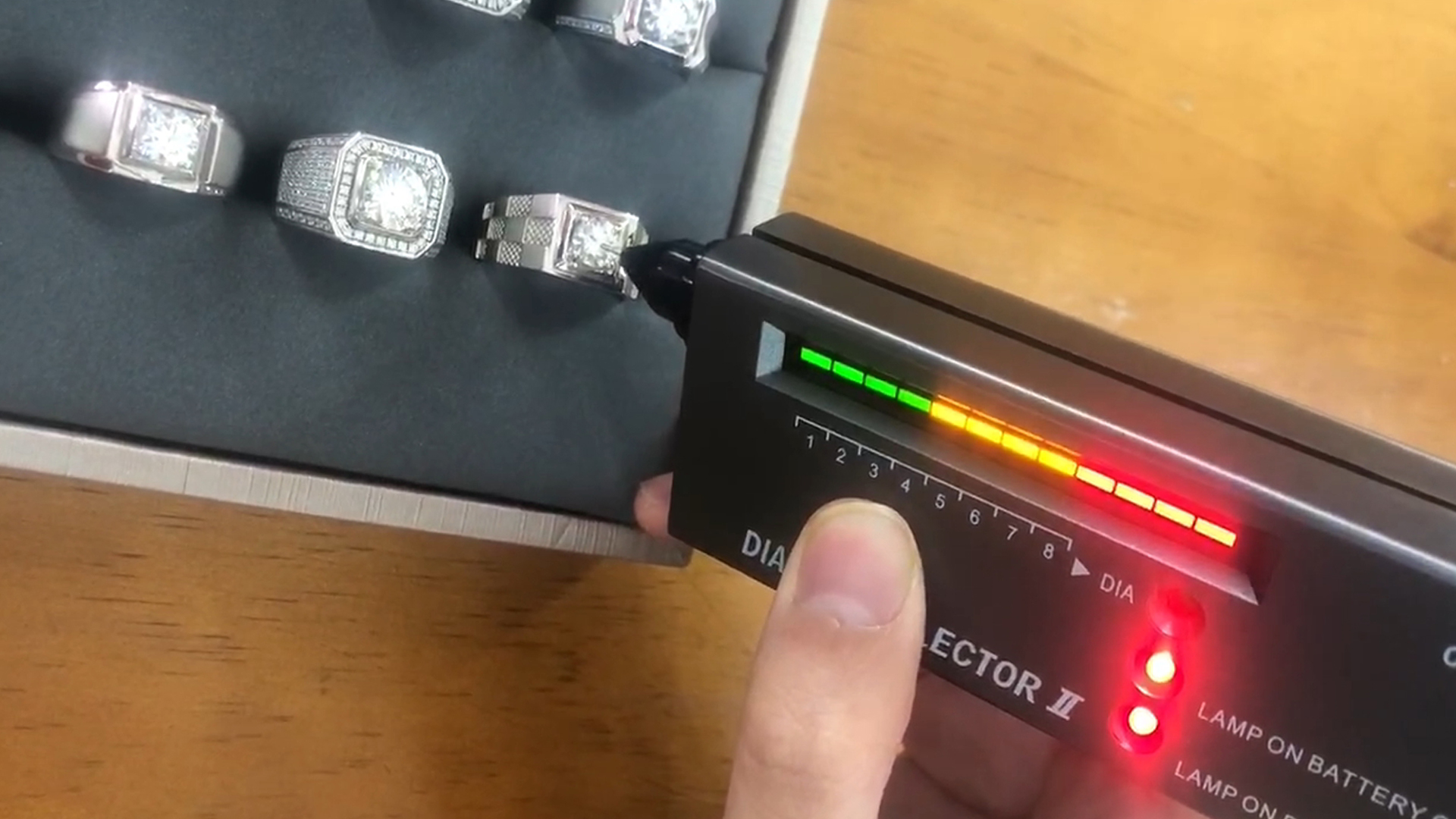
If you've ever visited a jewelry store, you've probably seen a small handheld device called a diamond tester.
A jeweler touches the probe to a gemstone, waits a few seconds, and the device gives a reading.
But how does a diamond tester actually work? And more importantly, can it tell the difference between a diamond and moissanite?
The answer is not as simple as many online guides suggest.
Traditional diamond testers primarily evaluate the thermal properties of gemstones. However, synthetic moissanite can have thermal behavior similar enough to diamond that some traditional testers may identify it as diamond.
That's why professional gemstone identification often requires more than one testing method.
1. How Does a Diamond Tester Work?
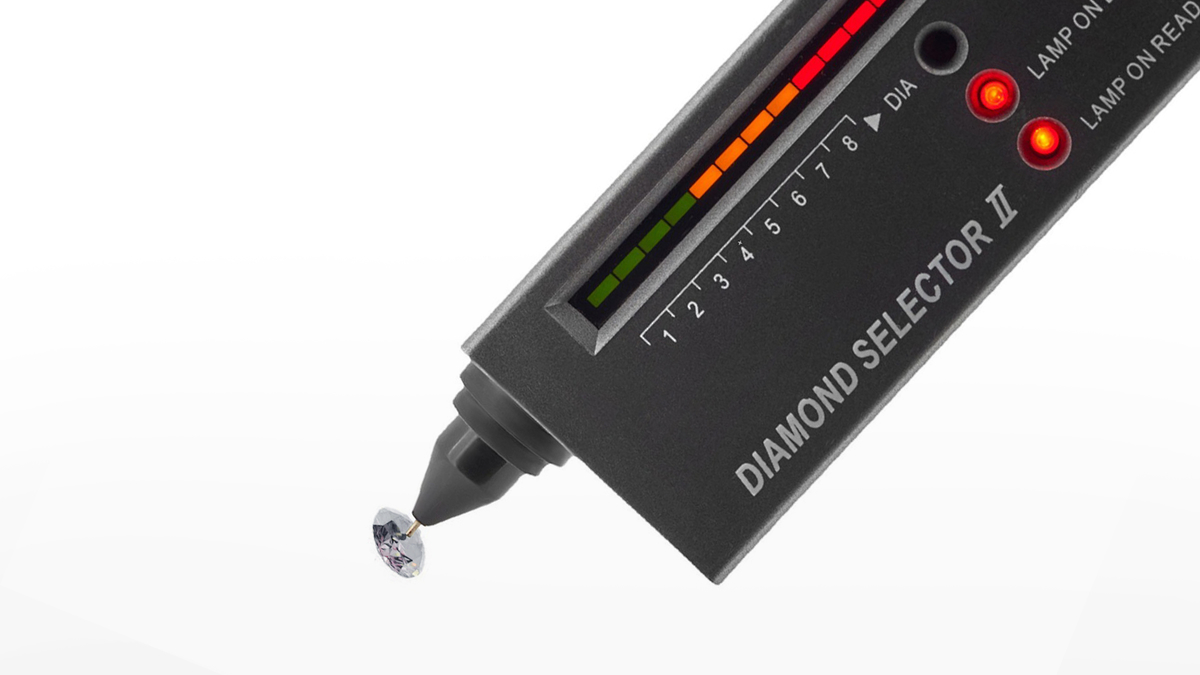
A traditional thermal diamond tester measures how a gemstone responds to heat.
The probe contains a heated tip and a temperature-sensing system. When the probe touches the gemstone, the device monitors how heat moves through the material and compares the response with calibrated reference values.
This is commonly described as thermal conductivity testing.
However, some traditional testers actually measure or compare thermal inertia rather than directly measuring absolute thermal conductivity.
In simple terms:
Different gemstones transfer and respond to heat differently, which produces different readings on a thermal tester.
This makes thermal testing useful for quickly screening many common diamond simulants.
2. Why Does Diamond Test as “Diamond”?
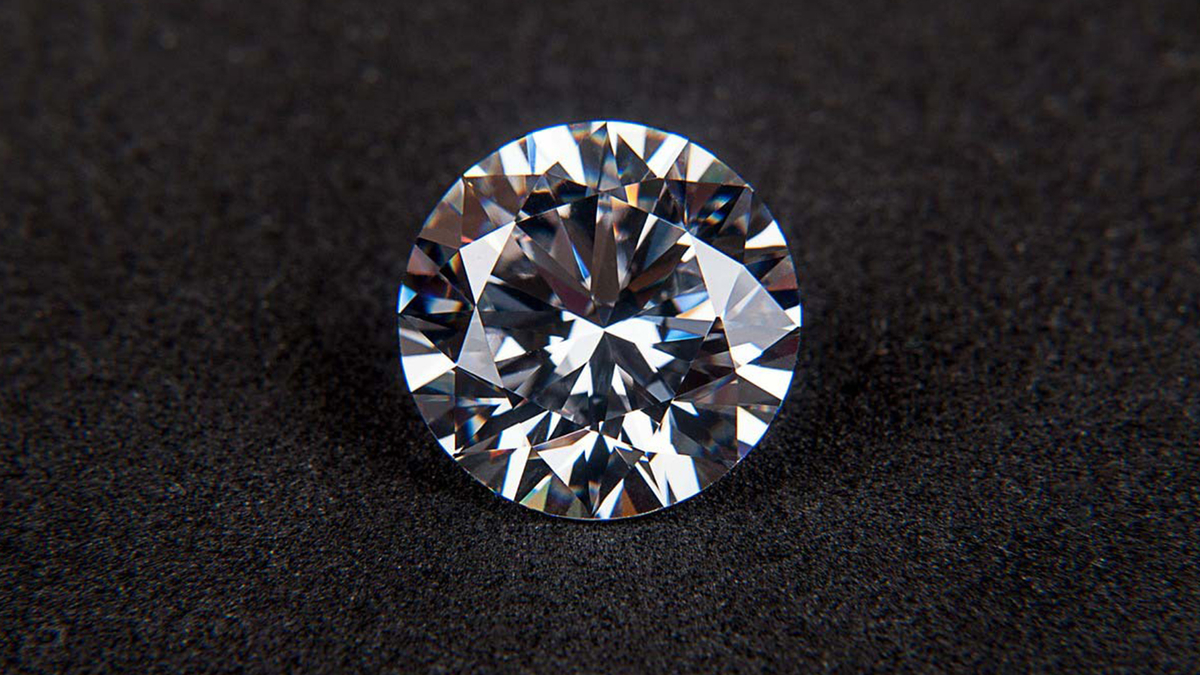
Diamond has exceptionally high thermal conductivity.
Its crystal structure consists of carbon atoms arranged in a highly organized three-dimensional lattice. This structure allows heat energy to move efficiently through the crystal.
This unusual thermal behavior is one of the reasons thermal testing became such a useful tool in gemstone identification.
However, a thermal reading does not automatically tell you whether a stone is a natural diamond.
It only tells you that the material shows a particular thermal response.
3. Can a Diamond Tester Detect Moissanite?
This is one of the most common questions about diamond testers.
Not always.
Moissanite is made from silicon carbide (SiC) rather than carbon. It has a different chemical composition and crystal structure from diamond.
However, synthetic moissanite also has strong thermal properties. As a result, some traditional thermal diamond testers may produce a diamond-like reading when testing moissanite.
This means:
A “diamond” reading on a traditional thermal tester does not necessarily mean the stone is diamond.
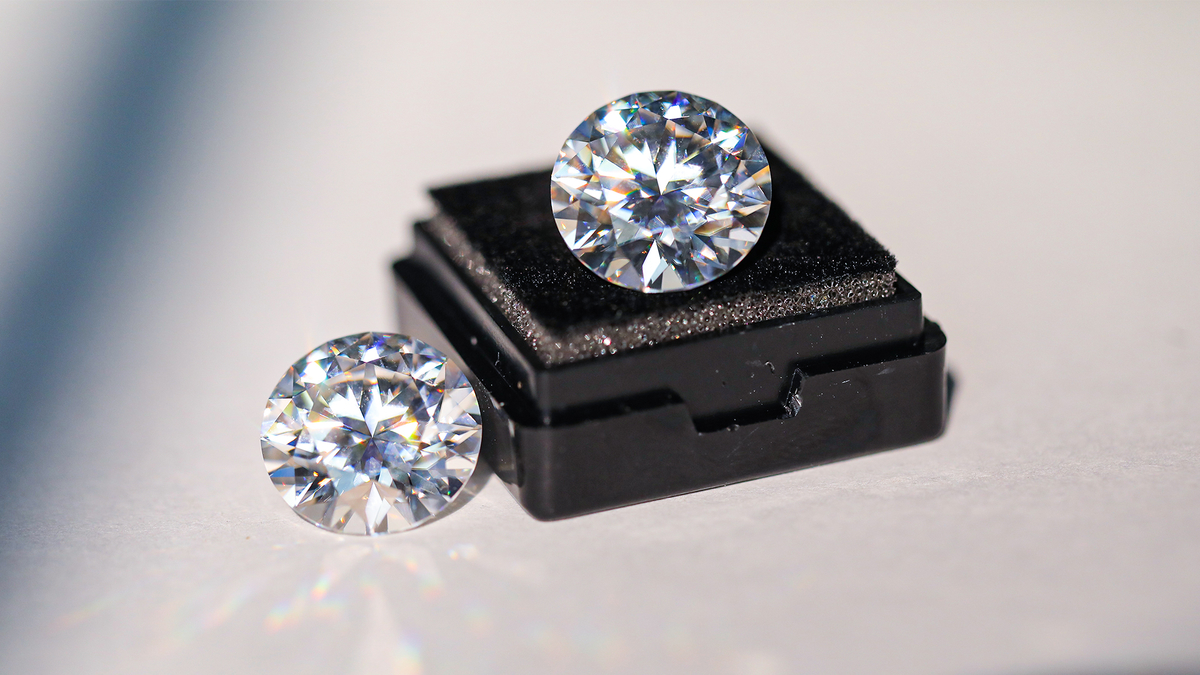
This is especially important when testing colorless moissanite, which can visually resemble diamond.
4. Diamond vs. Moissanite: What Is the Difference?
Diamond and moissanite are different gemstone materials with different physical and optical properties.
| Property | Diamond | Moissanite |
| Composition | Carbon | Silicon Carbide (SiC) |
| Mohs Hardness | 10 | Approx. 9.25 |
| Refraction | Single refraction | Double refraction |
| Dispersion | Approx. 0.044 | Approx. 0.104 |
| Thermal Properties | Extremely high thermal conductivity | High thermal conductivity |
| Appearance | Strong brilliance | Strong brilliance with more noticeable fire |
One of the most noticeable differences is dispersion.
Moissanite has higher dispersion than diamond, which can create stronger colorful flashes of fire.
Under magnification, its optical properties can also produce visible doubling of facet junctions.
So while diamond and moissanite can look similar, they are not the same material.
5. How Do Professionals Identify Moissanite?
Because thermal testing alone may not be enough, professional identification can combine several testing methods.
Depending on the instrument and application, testing may include:
- Thermal testing
- Electrical conductivity testing
- Optical examination
- Magnification
- Spectroscopic analysis
For example, some specialized instruments combine thermal and electrical testing to help distinguish moissanite from diamond.
The basic principle is:
- Thermal testing → Initial screening
- Optical / electrical testing → Further identification
- Laboratory analysis → Conclusive identification when required
For valuable gemstones or uncertain results, professional laboratory testing is the most appropriate option.
6. Can a Diamond Tester Tell Natural Diamonds from Lab-Grown Diamonds?
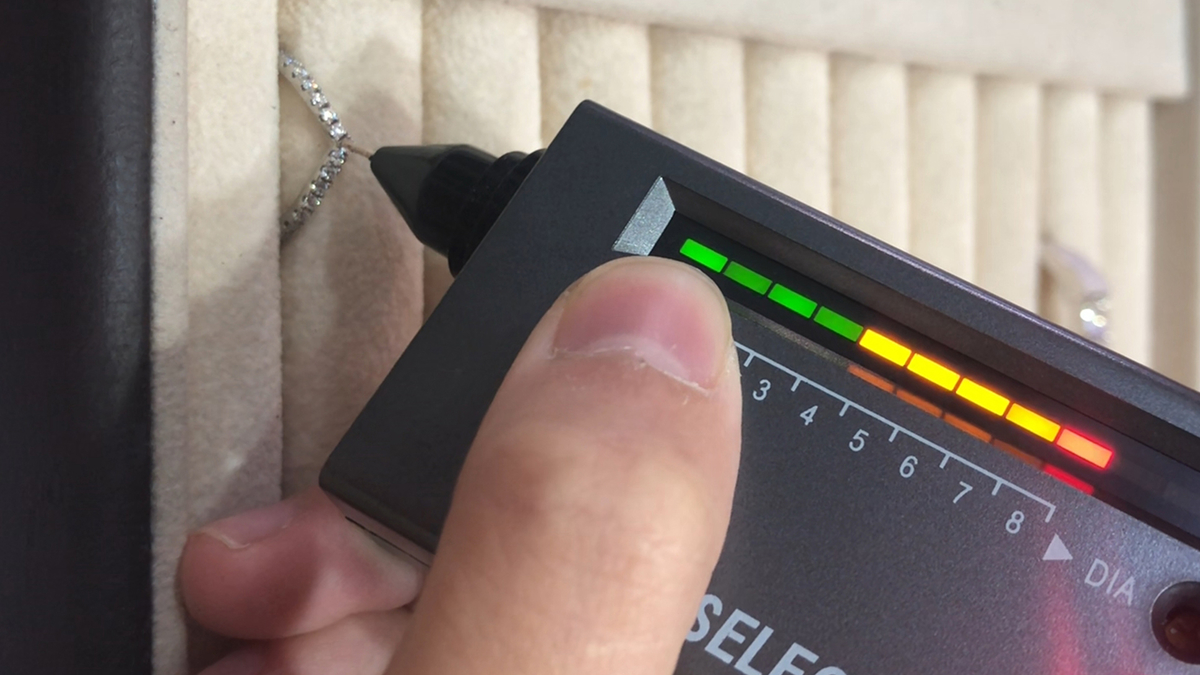
No. A basic thermal diamond tester cannot reliably distinguish natural diamonds from laboratory-grown diamonds.
Natural diamonds and lab-grown diamonds are both diamond at the material level. They are composed primarily of carbon and share the same basic crystal structure.
Therefore, a conventional thermal tester is not designed to determine whether a diamond was mined from the earth or grown in a laboratory.
Specialized instruments and laboratory analysis may be required to identify the growth origin of a diamond.
This is an important distinction:
Diamond vs. Moissanite
→ Different materials, but traditional thermal testing may not always distinguish them.
Natural Diamond vs. Lab-Grown Diamond
→ Both are diamond, so basic thermal testing cannot determine their origin.
7. What About CZ and Other Diamond Simulants?
Thermal diamond testers can still be useful for screening many common diamond simulants.
These include:
- Cubic Zirconia (CZ)
- Glass
- Synthetic Spinel
- Other diamond imitations
Many of these materials have thermal properties that differ significantly from diamond.
However, moissanite is an important exception because its thermal behavior can be relatively close to diamond.
That's why knowing what type of tester you are using—and what materials it is designed to distinguish—is important.
8. Is a Diamond Tester Safe for Jewelry?
Thermal testing is generally considered a non-destructive testing method when the tester is used correctly.
For accurate and safe testing:
Keep the probe clean
Follow the manufacturer's instructions
- Avoid excessive pressure
- Test an appropriate surface of the gemstone
- Be aware of the metal setting
- Use additional testing when the result is unclear
Testing a loose gemstone and testing a mounted piece of jewelry may also produce different conditions because metal can affect some thermal or electrical readings.
9. The Most Important Thing to Remember
A diamond tester is a screening tool, not a laboratory.
A reading of “diamond” does not automatically mean:
- Natural diamond
- High-quality diamond
- Not moissanite
- Not laboratory-grown diamond
The correct testing method depends on what you are trying to identify.
For example:
Thermal Test
Useful for initial gemstone screening.
Thermal + Electrical / Optical Testing
Provides more information when distinguishing diamond from moissanite.
Advanced Laboratory Testing
May be required when determining whether a diamond is natural or laboratory-grown.
10. Why This Matters When Buying Moissanite Jewelry
For consumers and jewelry brands, understanding gemstone testing can help avoid common misconceptions about moissanite.
Moissanite is not simply “fake diamond.”
It is a distinct gemstone with its own:
- Chemical composition
- Crystal structure
- Optical properties
- Hardness
- Dispersion
- Thermal characteristics
Its combination of durability, brilliance and fire is one reason moissanite is widely used in Moissanite Rings, Moissanite Engagement Rings, Moissanite Earrings and Moissanite Bridal Jewelry.
Instead of asking whether moissanite “passes” a diamond tester, a better question is:
What gemstone is this, and which testing method is appropriate for identifying it?
Final Takeaway
Diamond testers are useful tools, but they should not be treated as universal gemstone identification devices.
The key points are:
- Diamond has exceptionally high thermal conductivity.
- Traditional thermal testers evaluate thermal behavior rather than necessarily measuring absolute thermal conductivity.
- Moissanite can produce diamond-like readings on some conventional thermal testers.
- A basic thermal tester cannot distinguish natural diamonds from lab-grown diamonds.
- Additional optical, electrical or laboratory testing may be required for reliable identification.
Whether you're buying a gemstone, sourcing Moissanite Jewelry, or developing a jewelry collection, understanding the testing method is just as important as understanding the test result.
Don't judge a gemstone by one test alone. Understand the material, understand the testing method, and use professional identification when needed.