
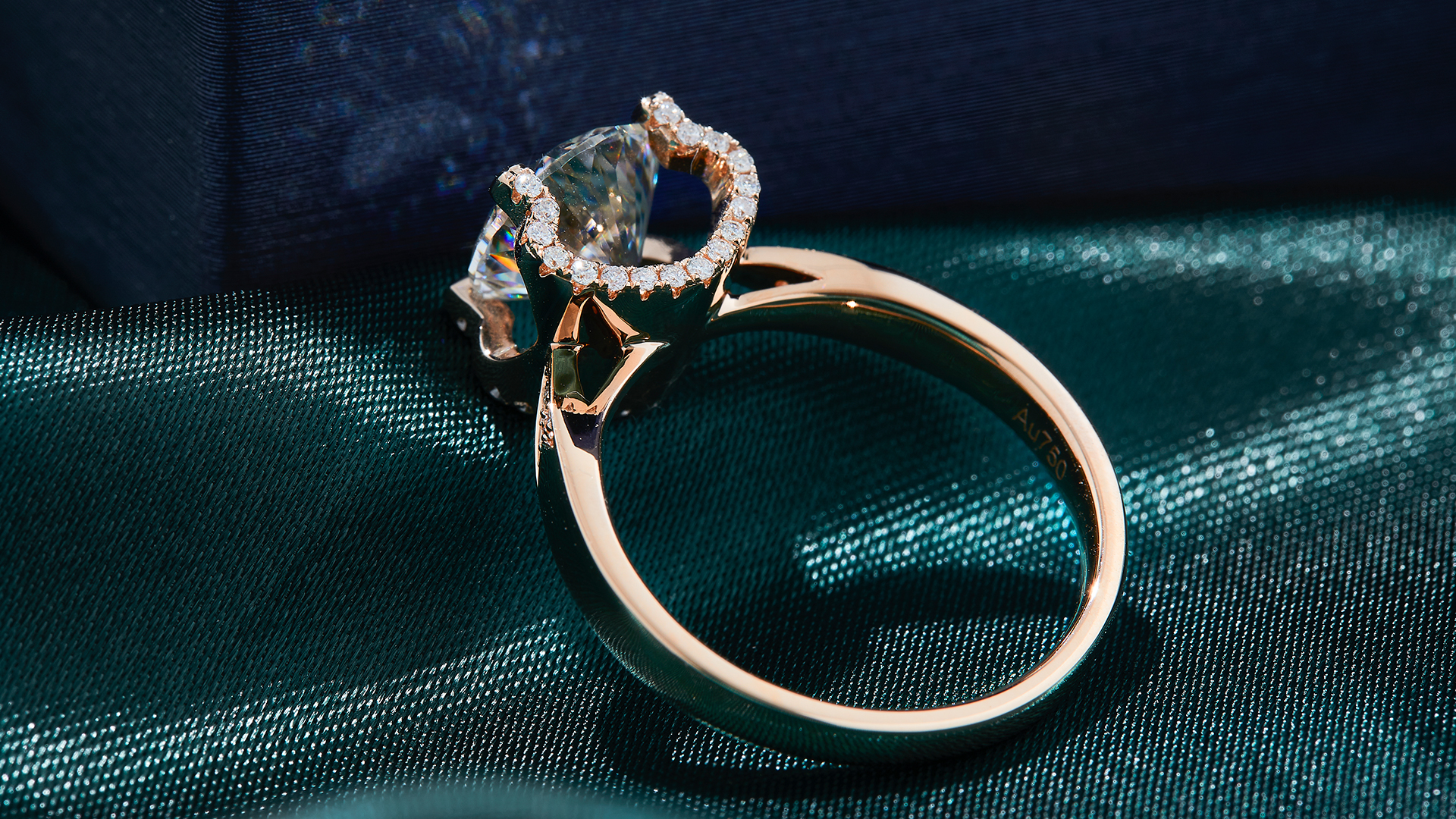
Large moissanite rings have become increasingly attractive to jewelry brands because they offer impressive brilliance, bold visual impact, and greater flexibility in product positioning. But when developing a ring with a 2-carat, 3-carat, or even larger center stone, choosing the stone is only part of the process.
The setting matters just as much.
One common question we hear from jewelry businesses is:
Should a large moissanite stone be set in sterling silver or gold?
Sterling silver can be an excellent choice for affordable moissanite jewelry, particularly for smaller stones and fashion-oriented collections. However, when the center stone becomes larger, we generally recommend considering 14K or 18K gold, together with a properly engineered setting.
The reason is not simply that gold is more expensive. It comes down to durability, structural stability, setting design, product positioning, and the expected life of the finished jewelry.
1. Larger Stones Place Greater Demands on the Setting
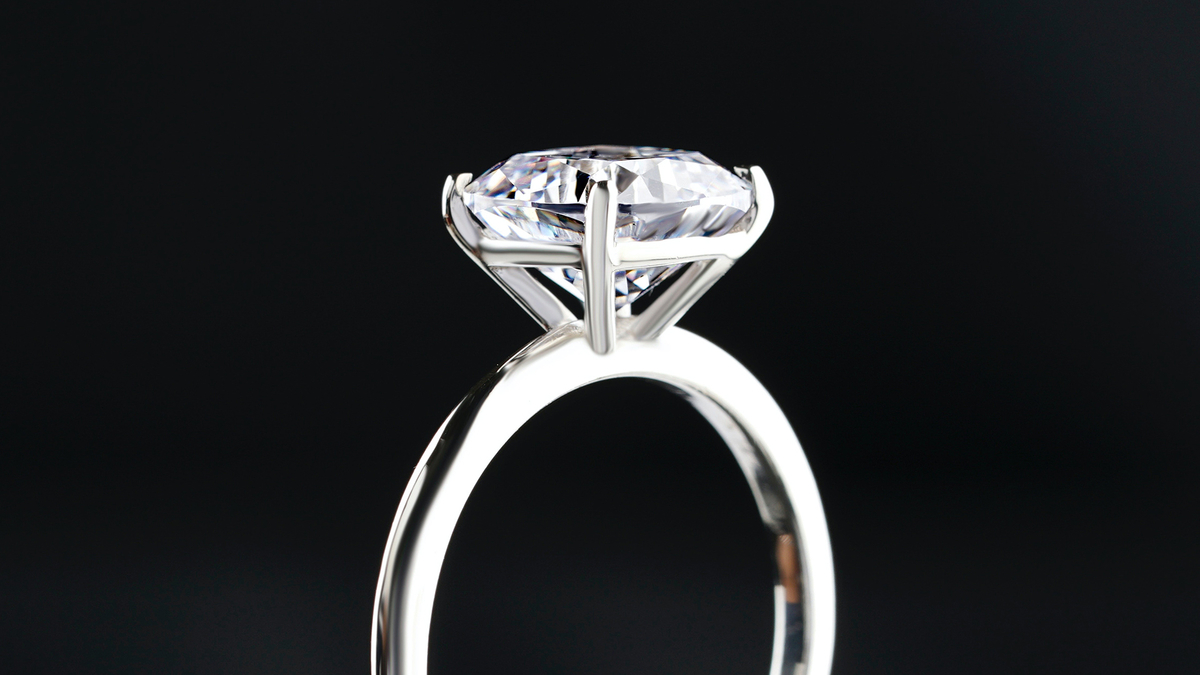
A 0.5- or 1-carat-equivalent moissanite center stone is relatively compact. With a well-designed setting, sterling silver can work very well for this type of jewelry.
As the stone becomes larger, however, the entire ring structure changes.
A larger center stone sits higher and occupies more space. Depending on the design, this can increase leverage on the prongs and setting when the ring experiences everyday knocks, pressure, or accidental impact.
This means that a large-stone ring should not simply be treated as a scaled-up version of a small solitaire.
The manufacturer needs to consider several factors together:
- prong thickness and geometry
- basket or gallery construction
- height of the center stone
- width and thickness of the shank
- stone-to-setting proportions
- metal choice
- intended retail price and customer expectations
For jewelry brands, these structural details can make the difference between a ring that looks impressive in product photography and one that continues to perform well after months or years of wear.
2. When Does Sterling Silver Make Sense?
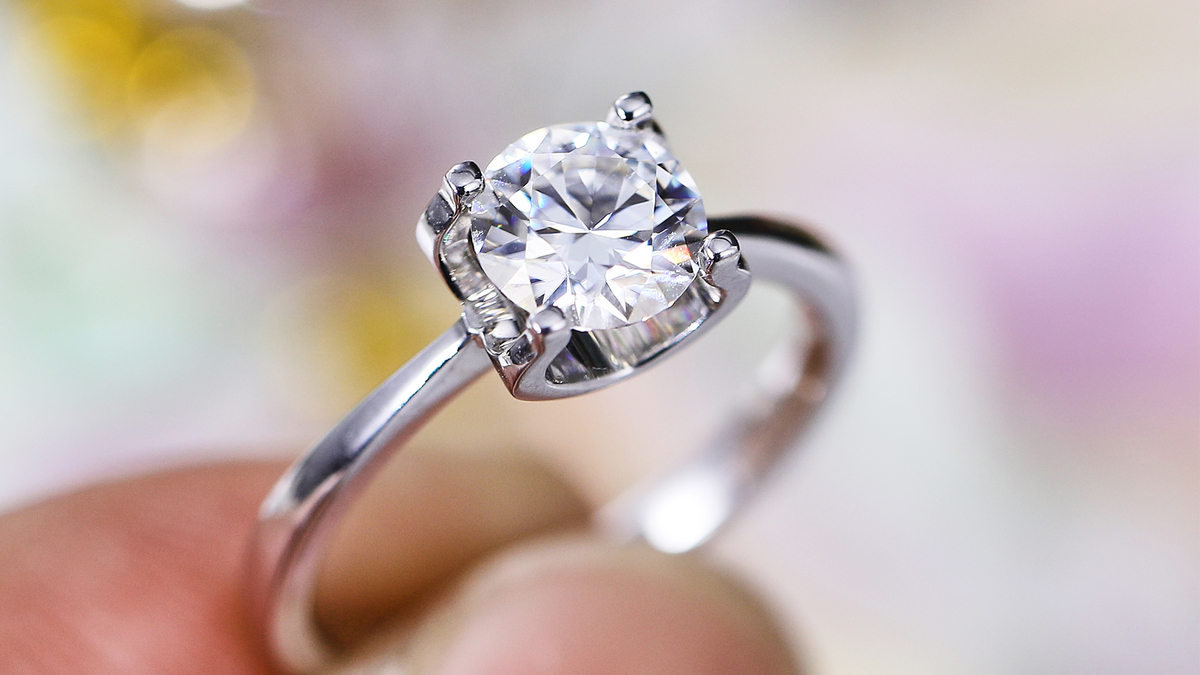
Sterling silver remains an important material for moissanite jewelry.
For smaller center stones, lightweight rings, trend-driven designs, and accessible price points, S925 sterling silver can provide an excellent balance between appearance and cost.
It allows jewelry brands to develop attractive moissanite collections at a lower initial product cost, which can be particularly useful when testing new designs or targeting entry-level price segments.
However, silver is generally softer and more susceptible to deformation than many commonly used gold alloys.
With larger center stones, the construction therefore becomes increasingly important.
If the ring shank or prongs are too thin, repeated pressure or accidental impact may gradually affect the alignment of the setting. Sterling silver can also tarnish over time, meaning additional care and cleaning may be required to maintain its appearance.
This does not mean that a large moissanite stone can never be set in sterling silver.
Rather, brands should avoid choosing silver purely because the center stone itself is affordable.
The setting should be selected according to the engineering requirements of the finished ring, not simply the cost of the gemstone.
3. Why We Often Recommend 14K or 18K Gold for Large Moissanite Rings
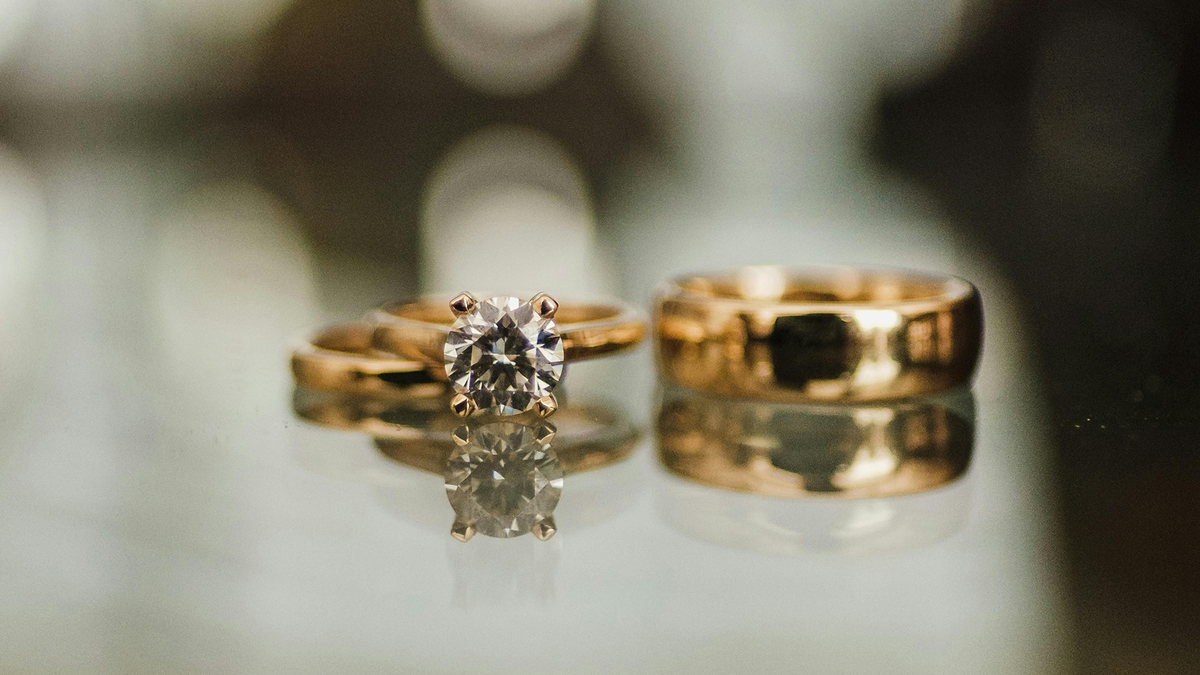
For premium moissanite rings with larger center stones, gold alloys offer several practical and commercial advantages.
Gold used in jewelry is alloyed with other metals to achieve the desired color and mechanical properties. Depending on the design, both 14K and 18K gold can be excellent choices for fine jewelry settings.
A properly designed gold setting can provide the structural stability needed for a substantial center stone while maintaining refined proportions.
For large moissanite rings, this is particularly valuable around the prongs, basket, shoulders, and shank — the areas responsible for holding the center stone securely and maintaining the shape of the ring.
Gold also offers advantages in terms of product positioning.
A large heart-cut, oval, emerald-cut, radiant-cut, pear-cut, or round moissanite already creates considerable visual presence. Combining that center stone with a well-finished gold setting can help the finished product feel more consistent with a fine-jewelry collection.
For brands, that can support stronger perceived value and more flexible retail pricing.
4. The Setting Design Is Just as Important as the Metal
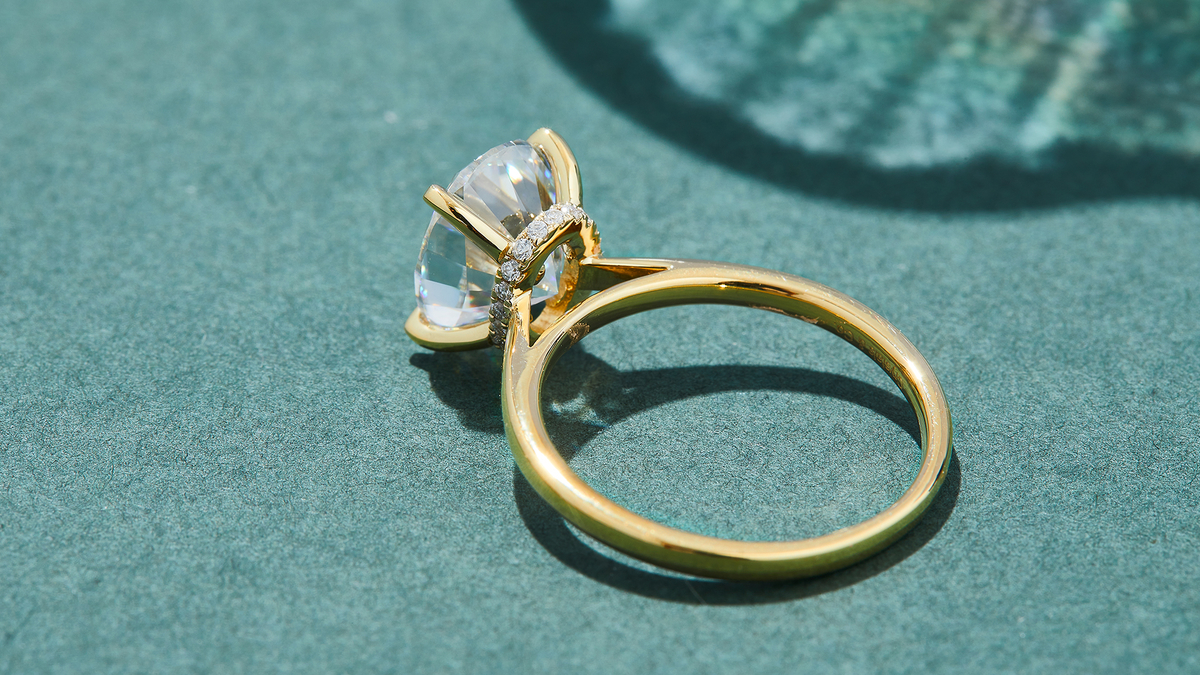
Choosing 18K gold does not automatically guarantee a secure ring.
A poorly engineered gold setting can still create problems.
This is why, at Mosup, we look at the complete construction of a ring rather than recommending materials in isolation.
For example, when developing a large moissanite solitaire, we may evaluate whether the design requires additional support beneath the center stone, whether the prongs need to be reinforced, or whether the shank should be adjusted to maintain comfortable proportions while providing sufficient structural strength.
Different stone shapes also create different setting requirements.
An elongated oval does not behave exactly like a heart shape. A large pear-shaped stone may require particular attention around its pointed end, while an emerald-cut stone may require a different visual and structural approach.
For jewelry brands developing custom collections, these details should ideally be considered during the CAD and sampling stages — not after mass production has already begun.
5. A Practical Material Strategy for Jewelry Brands
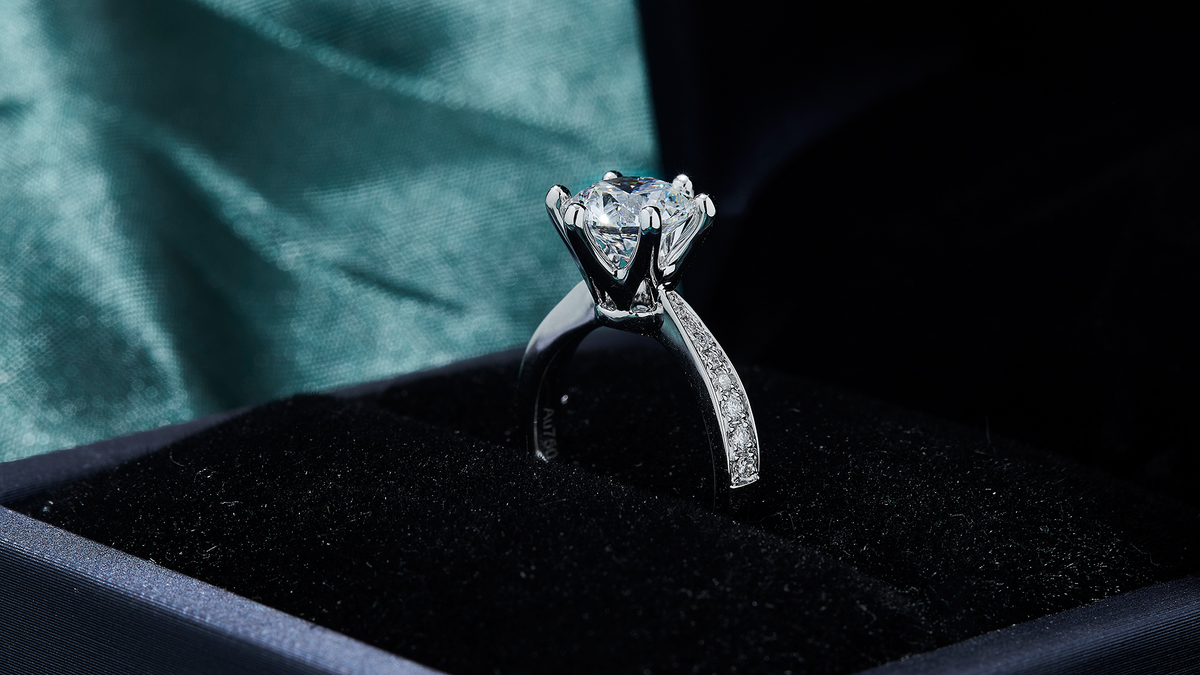
There is no single metal that is right for every moissanite product.
Instead, the material should match the product's size, design, target price, customer profile, and intended positioning.
For smaller moissanite jewelry, sterling silver can be highly effective, especially when the goal is to create accessible products with attractive margins.
For larger center stones and more premium collections, 14K or 18K gold is often worth considering because it allows the manufacturer to develop a more robust fine-jewelry structure while supporting a higher-end market position.
This also gives brands an opportunity to build different tiers within the same collection.
For example, a brand might offer selected designs in S925 silver as an accessible entry point, while offering the same concept or larger center-stone versions in 14K or 18K gold.
That creates clearer product segmentation and gives customers more choice.
6. Don't Choose the Setting Based Only on the Stone's Cost
Moissanite has changed the economics of large-stone jewelry.
Consumers can achieve a dramatic visual effect without paying the price associated with a comparable natural diamond. But this can sometimes create the mistaken assumption that the setting should also be as inexpensive as possible.
For jewelry brands, that approach can create unnecessary problems.
If an under-engineered setting bends, loosens, or requires repair, the cost is not limited to replacing a ring. There may also be customer-service costs, return shipping, repairs, replacement inventory, negative reviews, and damage to brand trust.
A slightly higher manufacturing cost at the development stage may therefore be more economical than dealing with repeated after-sales issues later.
Building Large Moissanite Jewelry with Mosup
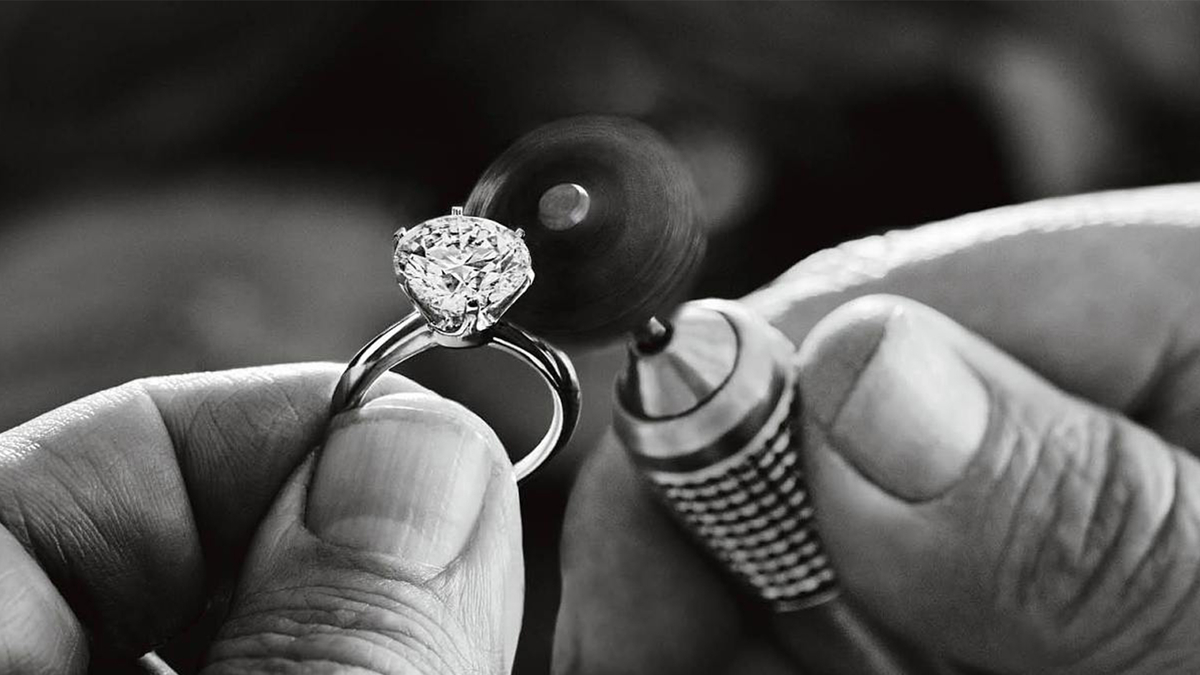
At Mosup, we manufacture moissanite, lab-grown diamond, and lab-grown gemstone jewelry for jewelry brands, wholesalers, retailers, and private-label businesses.
Our role is not simply to place a stone into a setting.
We help clients consider the relationship between stone size, metal, setting construction, target price, product positioning, and production volume before moving into larger-scale manufacturing.
For brands entering a new market or testing a new collection, Mosup can also support small-batch production, allowing businesses to validate designs before committing to larger inventory.
Once a product proves successful, production can then be scaled according to actual demand.
Whether you are developing an affordable sterling silver moissanite collection or a premium 18K gold line featuring large center stones, the goal is the same:
Choose the right material for the right design.
A beautiful center stone attracts attention.
A well-engineered setting is what helps turn that stone into a jewelry product customers can confidently wear — and a product your brand can confidently sell.