
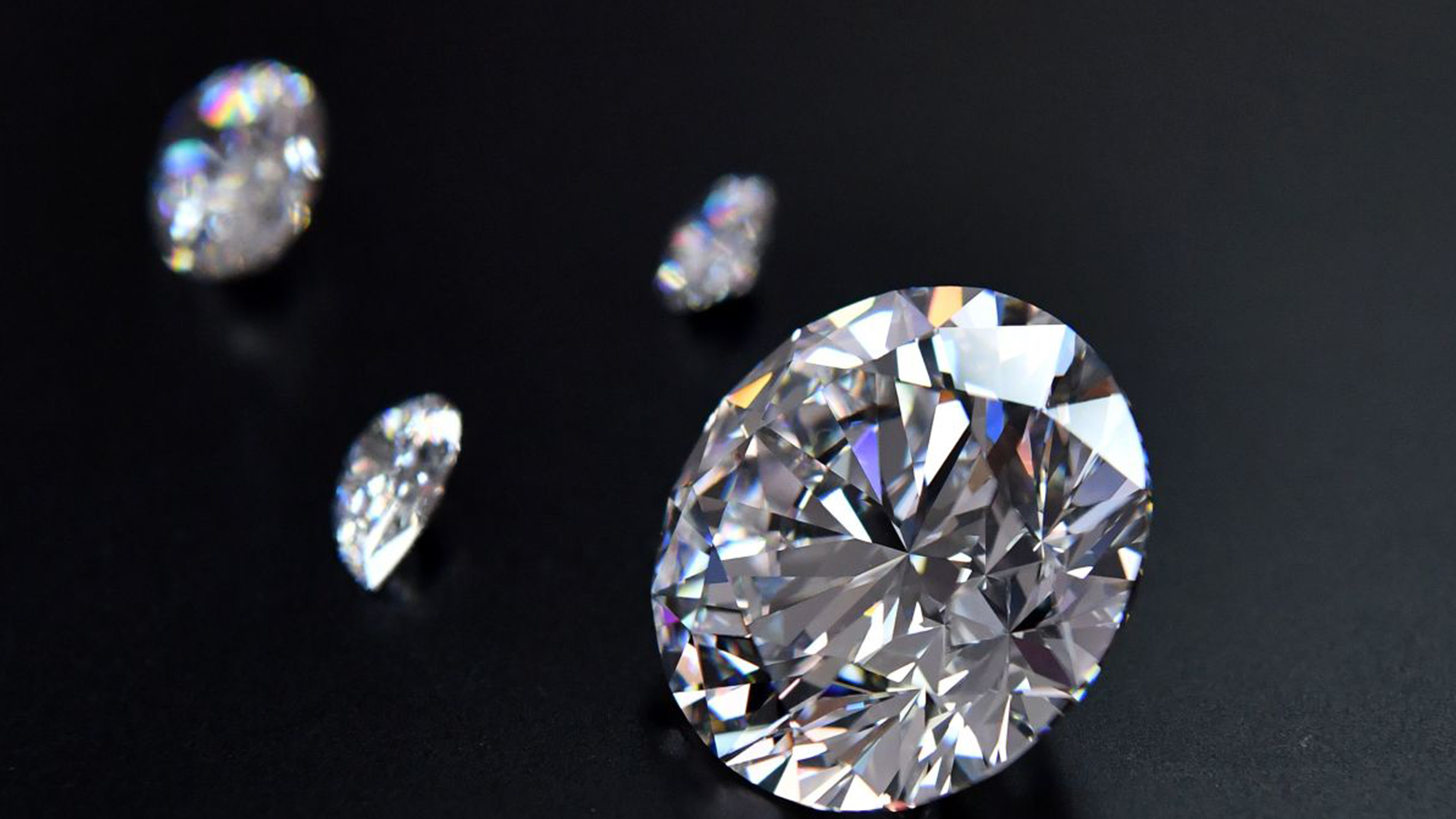
In reality, diamond becoming cloudy is one of the most common jewelry care issues. In most cases, the diamond itself is not damaged—the loss of brilliance is usually caused by oil, dirt, and residue buildup on the surface.
This guide explains why diamonds lose their sparkle, common cleaning mistakes to avoid, and professional tips to keep your diamond jewelry looking bright and brilliant for years.
1. Why Do Diamonds Become Cloudy? Understanding the Science Behind It
Diamonds have a unique physical property: they are oleophilic (oil-attracting) and hydrophobic (water-repelling).
In simple terms, diamonds easily attract and hold onto oils but do not easily bond with water.
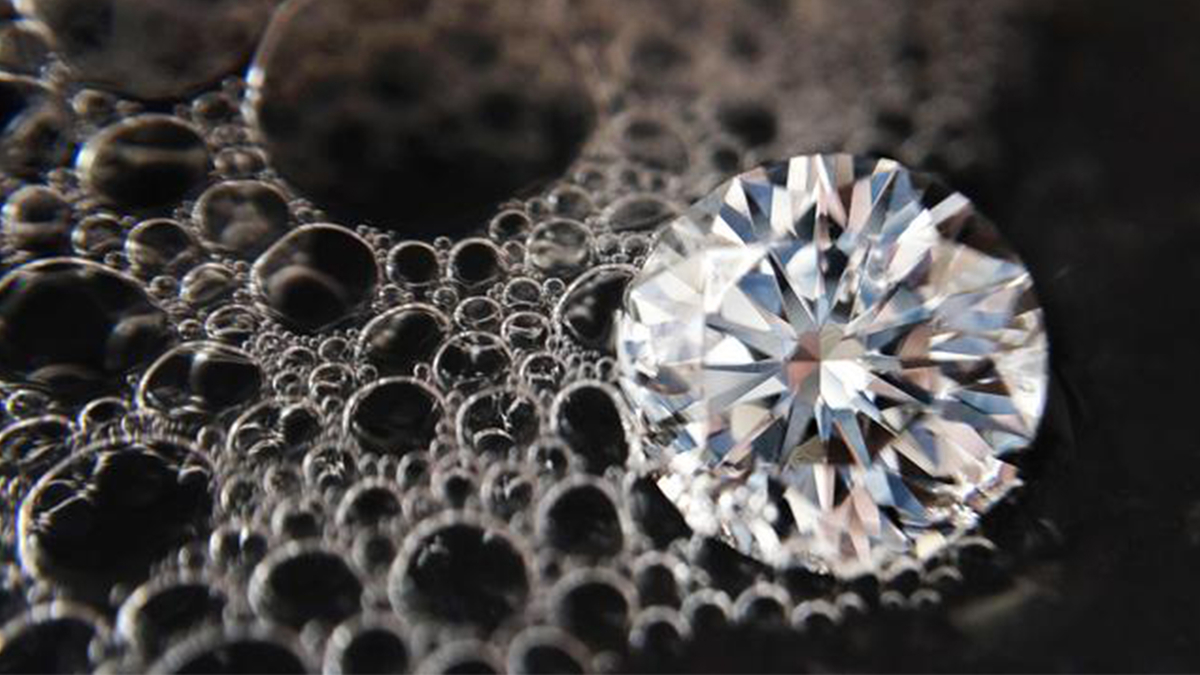
During daily wear, diamonds naturally come into contact with:
Natural oils from your skin
Hand creams and skincare products
Makeup residue
Perfume
Soap and shower products
Sweat
Cooking oils and airborne grease
Over time, these substances form a thin film on the diamond’s surface. This invisible layer blocks light from entering and reflecting properly through the stone, reducing:
Transparency
Fire
Brilliance
Light performance
As a result, the diamond may appear:
White and hazy
Grayish
Less vibrant
Less sparkly than when it was new
Dust and environmental particles can also contribute to the cloudy appearance, but oil buildup remains the primary cause.
It is important to understand that diamond cloudiness is usually not caused by scratches or wear. Diamonds are one of the hardest natural materials on Earth, and normal daily wear rarely damages their surface.
2. Common Diamond Cleaning Mistakes: Why Some Methods Make It Worse
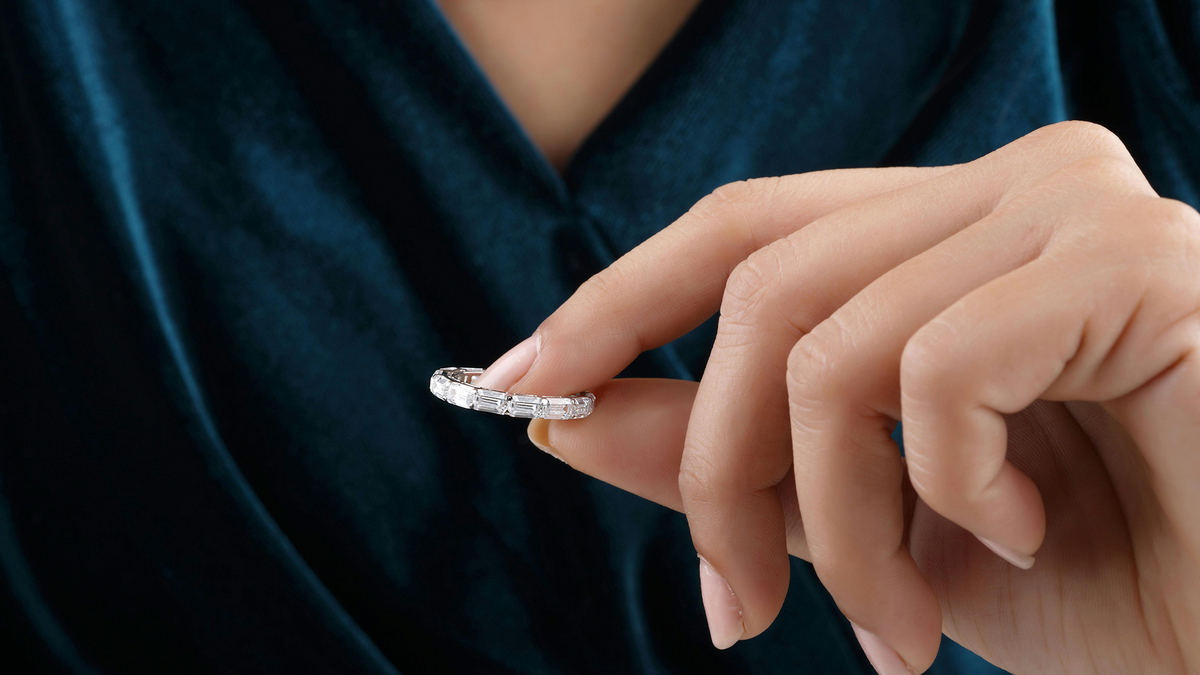
Many people try to clean their diamonds but accidentally make the problem worse.
Mistake 1: Only Rinsing with Water
Simply washing a diamond with water may remove loose dust, but it cannot dissolve stubborn oils and cosmetic residue.
Because diamonds repel water, grease can remain attached to the surface even after rinsing.
Mistake 2: Wiping with Tissue or Dry Cloth
Using paper towels, tissues, or dry fabrics to aggressively rub a diamond is not recommended.
These materials may:
Leave tiny fibers behind
Spread oil residue across the facets
Push dirt deeper into setting gaps
Instead of restoring brilliance, repeated dry wiping may make the diamond appear even more dull.
Mistake 3: Using Harsh Chemicals
Avoid cleaning diamonds with:
Alcohol
Disinfectants
Bleach
Strong alkaline cleaners
Household chemical solutions
Although diamonds themselves are highly durable, jewelry settings are often made from gold, platinum, or plated metals. Harsh chemicals may damage:
Metal finishes
Plating layers
Prongs and settings
This can affect the overall appearance and durability of your jewelry.
3. How to Clean a Cloudy Diamond at Home
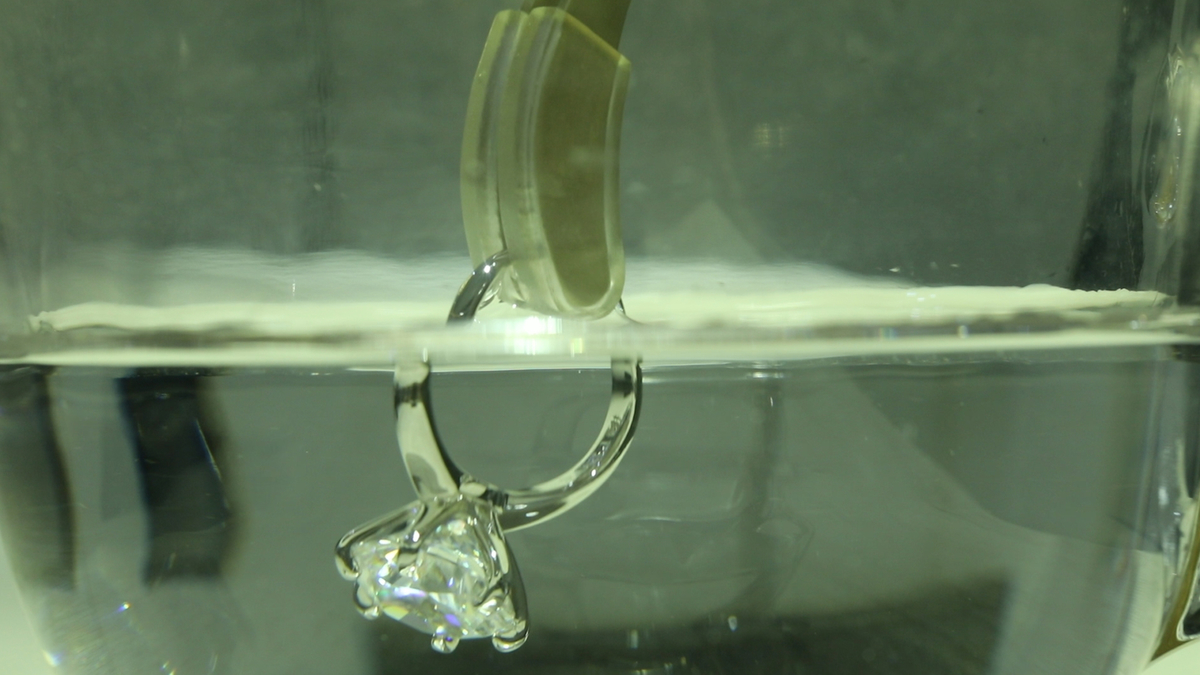
A proper home cleaning routine can easily restore your diamond’s brilliance.
What You Need:
Warm water
Mild dish soap
Soft toothbrush
Lint-free microfiber cloth
Step-by-Step Cleaning Method:
Step 1: Prepare a Cleaning Solution
Fill a small bowl with warm water and add a few drops of mild dish soap.
Avoid extremely hot water, especially for jewelry with delicate settings or treated gemstones.
Step 2: Soak the Jewelry
Place your diamond jewelry into the solution and soak for approximately 10–15 minutes.
This helps loosen:
Oil residue
Makeup buildup
Dirt trapped around the setting
Step 3: Gently Brush the Diamond
Use a soft toothbrush to carefully clean:
The diamond surface
The underside of the stone
Around the prongs
Small areas where dirt accumulates
The bottom of the diamond is especially important because it directly affects light reflection and brilliance.
Step 4: Rinse and Dry
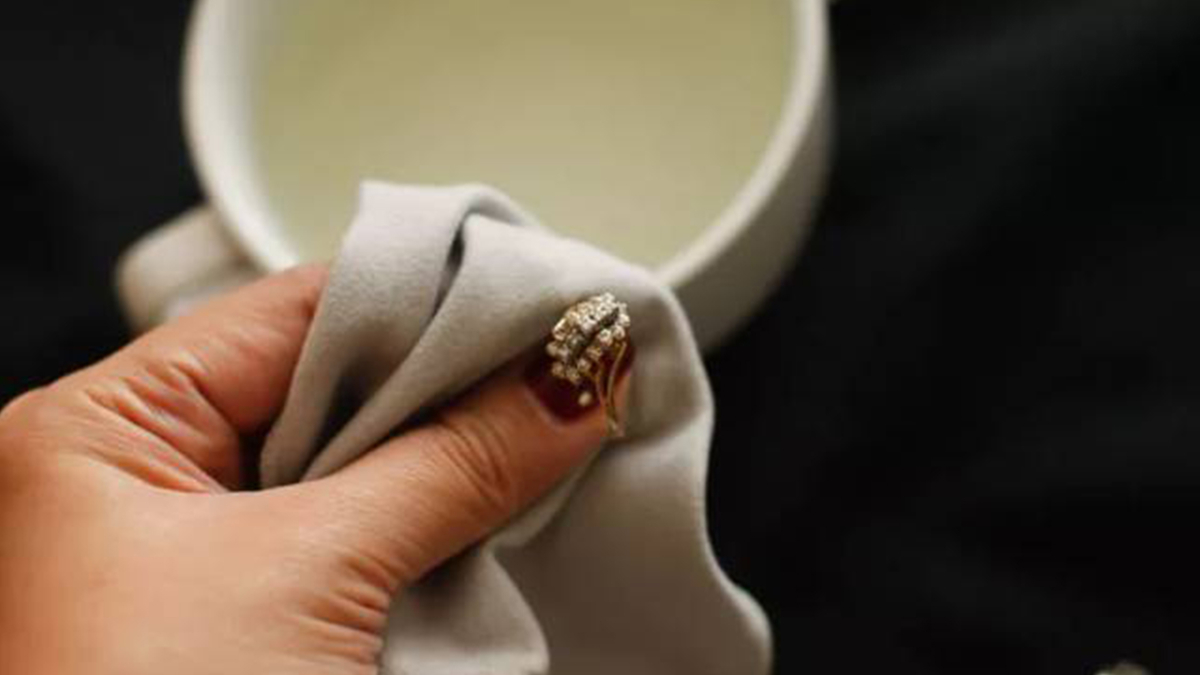
Rinse thoroughly with clean water to remove all soap residue.
Then gently pat dry using a lint-free cloth and allow the jewelry to air dry completely.
After cleaning, most diamonds will regain their original:
Crystal clarity
Brightness
Fire
Sparkle
For everyday jewelry, cleaning once every two weeks is a good maintenance routine.
4. Daily Diamond Care Tips: Prevent Cloudiness Before It Happens
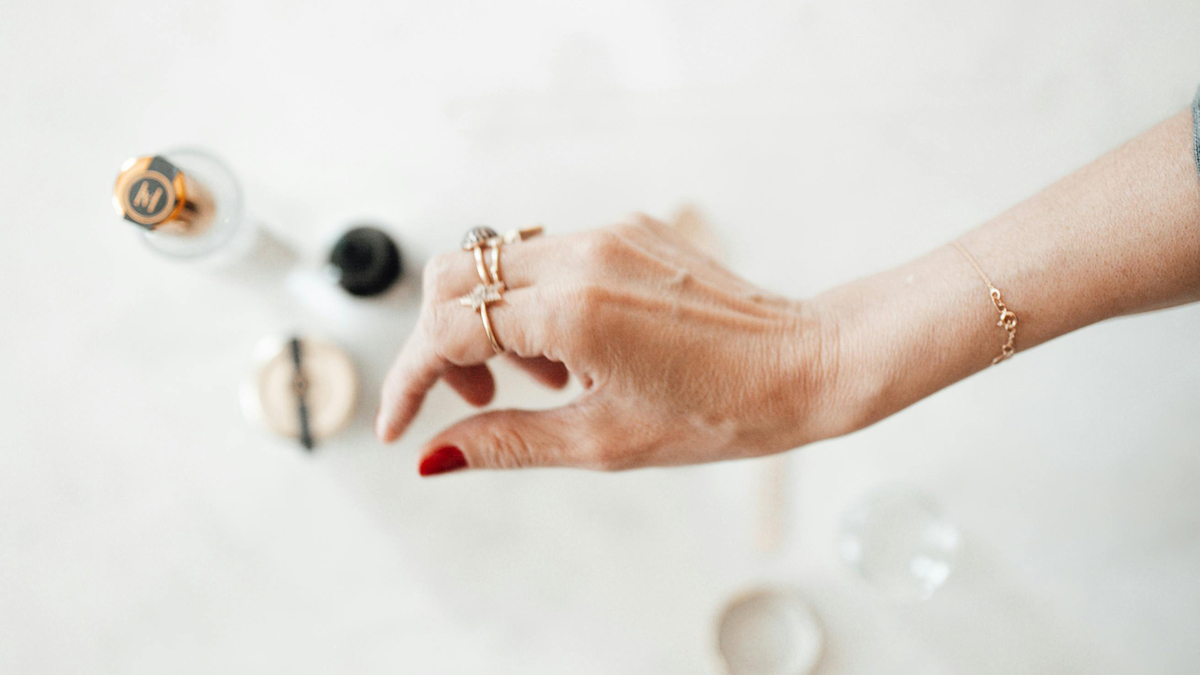
Regular maintenance is the best way to keep diamonds shining.
1. Put Jewelry On Last, Remove It First
Avoid wearing diamond jewelry when:
Applying makeup
Using skincare products
Spraying perfume
Cooking
Cleaning the house
This prevents oils and chemicals from accumulating on the diamond surface.
2. Remove Jewelry Before Water Activities

Take off diamond jewelry before:
Showering
Swimming
Exercising
Long-term exposure to sweat, soap residue, and moisture can accelerate buildup and may affect the metal setting over time.
3. Store Diamonds Separately
When not wearing your jewelry:
Keep it in an individual jewelry box
Avoid contact with other pieces
Although diamonds are extremely hard, they can scratch other jewelry materials. Separate storage also helps reduce exposure to dust and environmental contaminants.
4. Schedule Professional Cleaning
For valuable diamond jewelry, professional maintenance every 6–12 months is recommended.
Jewelry professionals can use:
Ultrasonic cleaning
Steam cleaning
Professional inspection
This helps remove deep dirt that household cleaning may not fully eliminate and allows experts to check:
Loose prongs
Setting damage
Overall jewelry condition
Final Thoughts
A diamond becoming cloudy, white, or less brilliant after long-term wear is usually a normal maintenance issue—not a quality problem or damage to the stone.
The main reason diamonds lose their sparkle is simple: oil and residue block light performance.
With proper cleaning habits and regular care, your diamond jewelry can maintain its original brilliance and remain beautiful for many years.
A well-maintained diamond is not only a precious gemstone—it is a piece of jewelry that can continue shining through generations.