
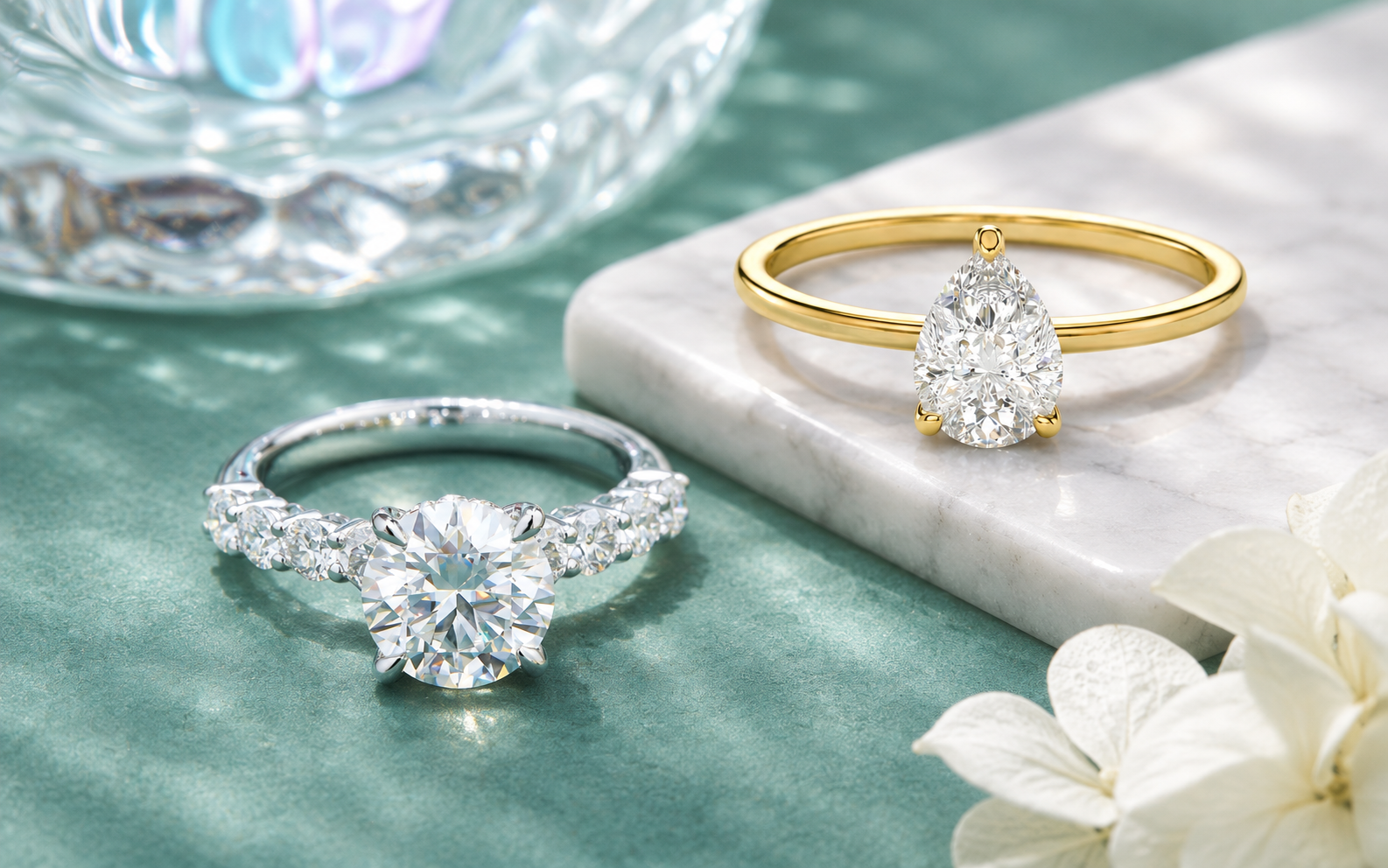
For jewelry brands, choosing between S925 sterling silver and 14K gold is not simply a matter of deciding which metal is “better.” The two materials serve different commercial purposes, and the right choice depends on how the finished product will be priced, positioned, stocked and reordered.
A lab-grown diamond ring developed for an entry-level ecommerce collection may need a very different metal strategy from a bridal ring designed to remain in a brand's core assortment for several years. The center stone may be similar, but the metal changes the product's cost structure, perceived value, inventory exposure and customer expectations. For B2B buyers, the more useful question is therefore not: “Is 14K gold better than S925?” It is: “Which metal gives this product the right balance of retail position, margin, customer expectation and reorder potential?” That is the framework this guide uses.
1. Why Metal Choice Matters in Lab-Grown Diamond Jewelry Sourcing
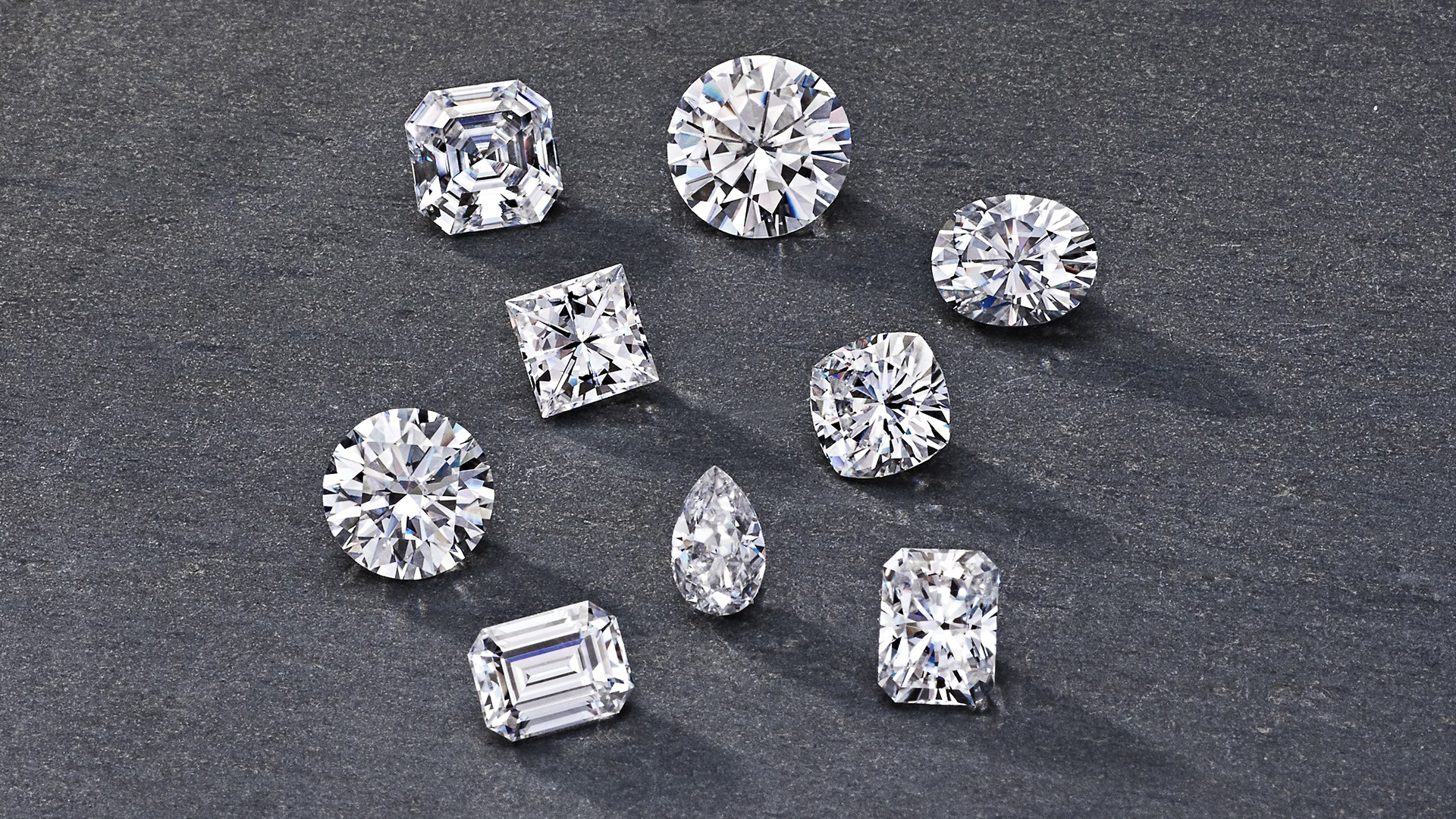
In lab-grown diamond jewelry, buyers often spend most of their attention on the stone specification: carat weight, measurements, shape, color, clarity and grading report. Those factors matter, but the metal surrounding the stone plays an equally important role in how the finished product is positioned commercially.
Metal affects material cost, retail price, how much inventory capital is tied up in each SKU and how customers perceive the product. It also influences the type of collection a brand can build. A silver-based product line can make it easier to test more designs with a smaller initial investment, while a gold collection may support a stronger fine-jewelry or bridal position but requires more capital per unit. This is why metal should be decided as part of the product strategy rather than added as an afterthought once the diamond specification has already been chosen.
1.1 S925 and 14K Are Different Material Systems
Sterling silver marked 925 contains 92.5% silver, with the remaining portion typically made up of other metals added to improve practical performance. The FTC notes that products described as sterling silver should contain at least 925 parts silver per thousand. Gold fineness is expressed differently. Fourteen-karat gold contains 14 parts gold out of 24, or approximately 58.3% gold by weight, with the remainder consisting of alloying metals. GIA and FTC guidance both use this relationship when explaining 14K gold composition.
That difference in precious-metal content is one of the main reasons the two materials occupy different cost and retail positions.
2. Compare S925 and 14K Gold From a Commercial Perspective
A buyer should not compare the two materials only by raw metal price. The more useful comparison looks at how each material affects the complete product strategy.
| Factor | S925 Sterling Silver | 14K Gold |
|---|---|---|
| Precious Metal Content | 92.5% silver | Approx. 58.3% gold |
| Initial Product Cost | Generally lower | Significantly higher |
| Inventory Capital | Lower per SKU | Higher per SKU |
| Typical Positioning | Accessible fine/fashion jewelry, testing | Fine jewelry, bridal, higher-ticket products |
| Market Testing | Well suited to broader SKU testing | Better once demand is clearer |
| Custom Development | Suitable for samples and selected test collections | Strong for validated or premium designs |
| Retail Price Potential | Lower to mid range | Mid to premium range |
| Reorder Decision | Easier to test more styles | Usually requires stronger sales confidence |
| Metal Value in Product | Lower | Higher |
| Best Use | Testing demand, broader assortment | Long-term core designs, bridal, premium collections |
The table makes one point clear: the decision is less about technical superiority and more about how much commercial commitment the buyer wants to make to a design.
3. Use S925 When the Priority Is Market Testing and Assortment Breadth
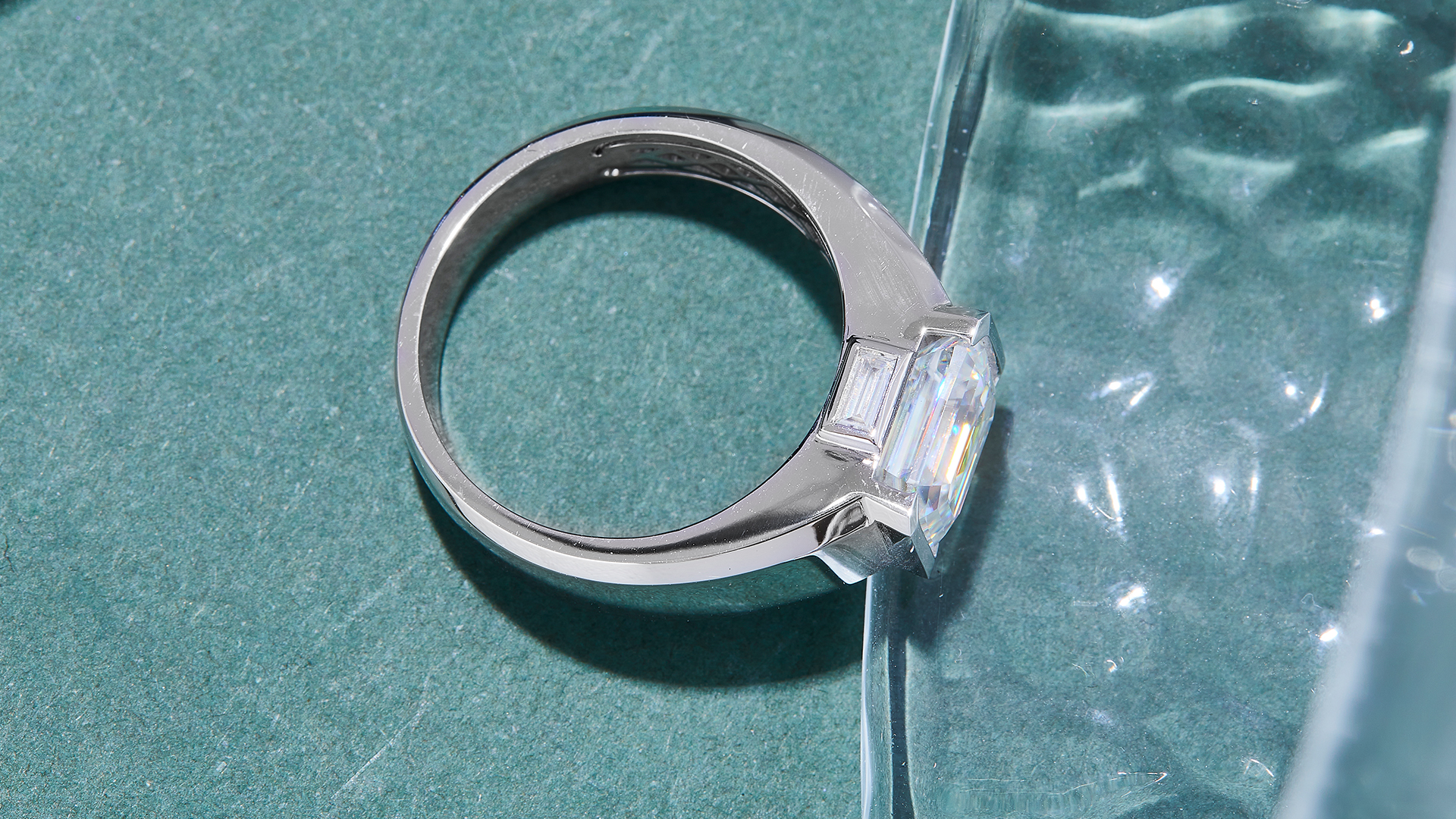
For a developing jewelry brand, S925 can be particularly useful when the business still needs to learn which designs customers actually want.
A brand launching a lab-grown diamond collection may have several unanswered questions. Will customers prefer round or oval center stones? Are solitaire rings stronger than halo styles? Which price point converts best? Are earrings easier to sell than rings? These questions are difficult to answer through product research alone because actual customer behavior often differs from expectations.
Using sterling silver for selected test products allows a buyer to explore more designs without placing the same amount of capital into each SKU.
That does not mean S925 should be treated as a disposable or low-quality option. It means the material can serve a different commercial role.
3.1 Lower Inventory Exposure Can Improve Product Testing
Suppose a brand wants to evaluate ten new lab-grown diamond designs. Developing every style in 14K gold creates a substantially larger inventory commitment before the business knows which designs will become repeat sellers. Using S925 for selected market tests can reduce the cost of learning.
Once sales data begins to show which stone shapes, settings and price points customers respond to, the strongest designs can be reordered or developed into higher-value versions. This creates a much more disciplined product-development path: Test Demand → Identify Winners → Improve the Design → Upgrade Material Where Appropriate
MOSUP's current platform includes ready-stock jewelry, low-quantity purchasing and lab-grown diamond categories that allow brands to begin with existing products before moving deeper into customization. The company also states that in-stock wholesale products can be dispatched within about 48 hours, making ready-stock sourcing useful for faster product testing.
4. Choose 14K Gold When the Product Needs a Stronger Fine-Jewelry Position
Fourteen-karat gold becomes more attractive when the metal itself is an important part of the product's value proposition. This is particularly relevant for bridal jewelry, engagement rings, anniversary pieces and other products expected to remain part of a customer's long-term jewelry collection. In these categories, buyers are not only purchasing a diamond. They are also evaluating the precious metal, construction and long-term positioning of the piece.
GIA notes that 14K gold consists of approximately 58.3% gold and is widely used in jewelry because pure 24K gold is relatively soft and is therefore alloyed with other metals for practical use. From a B2B perspective, the important issue is not simply that gold costs more. The higher metal value can support a different retail strategy, particularly when paired with a larger or more tightly specified lab-grown diamond.
4.1 Gold Makes More Sense After the Product Direction Is Clear
A 14K development becomes easier to justify when the brand already understands what customers want. For example, if an oval halo ring has already performed well in a test collection, developing a 14K version may allow the brand to create a higher-positioned SKU without starting from an untested design. This is one reason a staged sourcing strategy can be commercially stronger than launching every product in gold from the beginning. The buyer can first validate the product concept, then decide whether the sales potential justifies the higher material cost.
5. Do Not Compare Metals Without Considering Retail Price and Margin
The most expensive metal does not automatically produce the most profitable product. A successful wholesale buyer needs to look at the relationship between landed product cost, target retail price, gross margin, advertising cost, returns and the amount of capital held in inventory.
If a 14K version pushes the retail price beyond what the brand's existing customer is willing to pay, upgrading the metal may actually weaken conversion. In another market, the opposite may be true: customers may expect gold at a certain price point and view sterling silver as inconsistent with the brand's positioning. This is why metal selection should begin with the target customer rather than with a universal material hierarchy.
5.1 Think in Terms of Product Architecture
A jewelry brand does not necessarily need to choose one metal for its entire collection. A more flexible assortment might use S925 for accessible everyday pieces and product testing, while 14K gold is reserved for bridal, larger center stones or designs that have already demonstrated repeat demand.
That creates a product ladder. Customers can enter the brand at a lower price point while higher-value products provide an upgrade path. At the same time, the buyer avoids placing the same amount of inventory capital into every design. For wholesale sourcing, that is usually a more useful approach than asking whether silver or gold is “better.”
6. Consider Durability, Finish and After-Sales Before Finalizing the Metal
Material choice also affects how a product should be manufactured, described and serviced. Sterling silver and gold alloys behave differently, and surface treatments add another layer to the decision. A sterling-silver piece may be sold in its natural silver color or receive plating depending on the design. White-gold products may also involve finishing processes depending on the alloy and desired appearance.
For buyers, the important point is to define the actual metal and finish clearly rather than using vague terms such as “white gold color” or “gold tone” when the base material matters commercially. The FTC emphasizes accurate representation of metallic content and distinguishes sterling silver, gold alloys and plated products in its Jewelry Guides.
6.1 Base Metal and Surface Finish Should Be Separate RFQ Fields
A professional RFQ should distinguish between: Base Metal: S925 Sterling Silver / 10K / 14K / 18K Gold and: Finish or Color: White / Yellow / Rose / Rhodium or other specified treatment
This avoids one of the most common sourcing problems: two suppliers appearing to quote the same product when the actual material construction is different. For repeat orders, this distinction also helps production teams reproduce the same finish instead of relying on visual descriptions alone. MOSUP's current manufacturing information describes multi-stage polishing and plating processes and lists 9K, 10K, 14K and 18K gold among supported material and finishing options.
7. Use Ready Stock, Samples and Custom Production at Different Stages
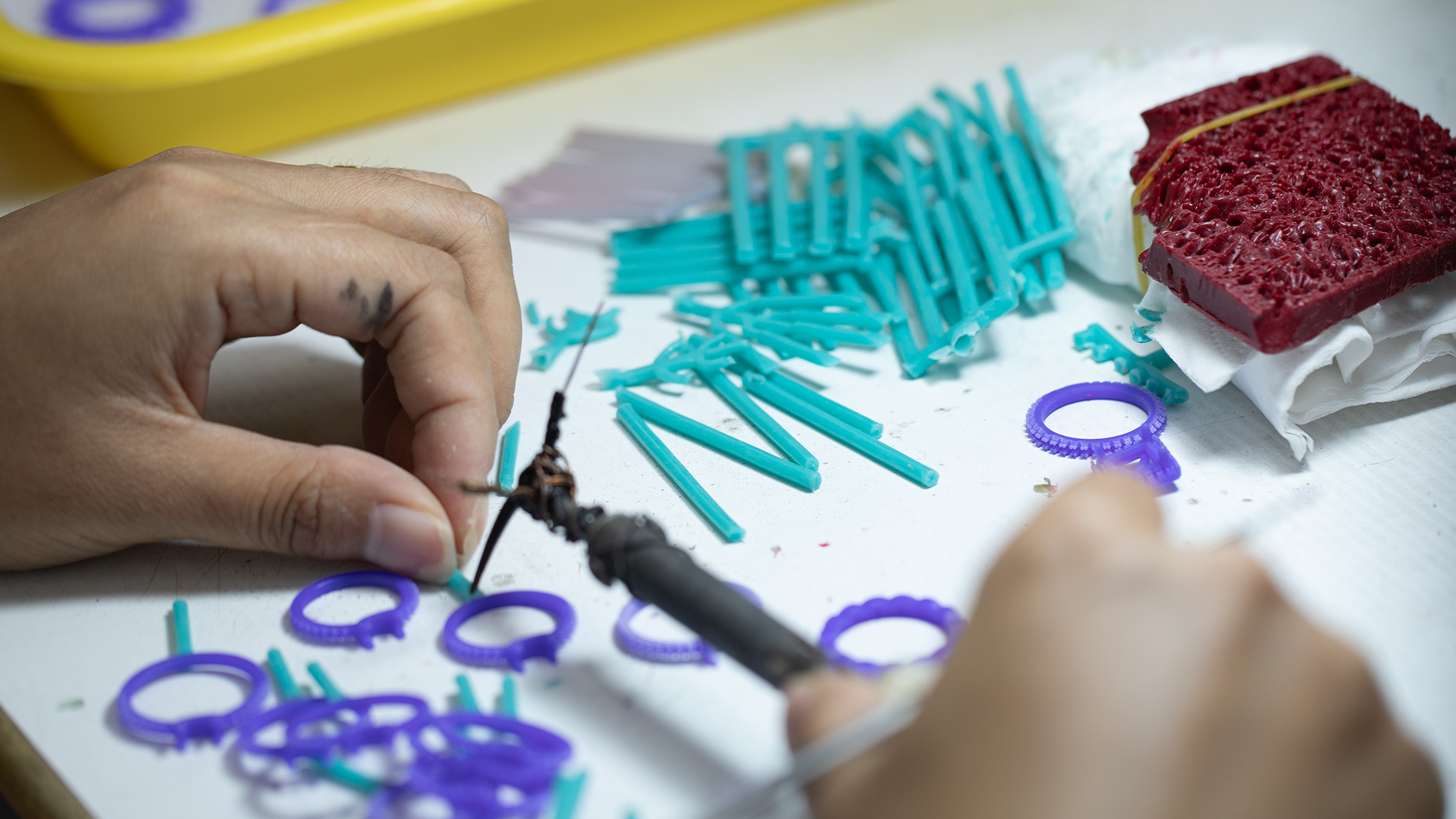
Metal choice becomes easier when buyers stop treating ready stock and custom manufacturing as competing options. They can be different stages of the same sourcing strategy. A new brand might begin with available S925 products to evaluate demand. After identifying a strong design, it can request a sample with modified stone specifications, metal or branding. Once the sample and commercial position are validated, the product can move into ODM or OEM production.
A more established brand may start much further along the process because it already knows its customer and can justify immediate 14K development. The correct route depends on how much market information the buyer already has.
7.1 A More Practical Development Path
For many brands, the process can look like this: Ready Stock → Small Test Order → Sales Feedback → Sample Development → 14K or Other Material Upgrade → ODM/OEM → Reorder
This structure reduces the risk of spending heavily on custom development before the market has provided any evidence that the design is commercially viable. MOSUP currently supports ready-stock wholesale alongside OEM/ODM development. Its website describes a development workflow that can begin from a reference image, physical sample or original design, followed by quotation, CAD, confirmation, sample production, QC, bulk manufacturing and shipment.
For custom pieces, the platform also supports Jewelry CAD/ZB/Rhino modeling and high-resolution 3D wax printing, with suitable designs capable of being developed from a single sample rather than requiring an immediate large production run.
8. Build the Metal Decision Into the RFQ and Sample Approval
Many sourcing problems happen because the metal specification is treated as obvious. A buyer may request a “14K white gold ring,” but the final product specification still needs to confirm the metal color, target weight or structural requirements, diamond dimensions, ring size, finish, engraving, logo and packaging. For an S925 project, plating or surface finish should also be defined clearly where applicable. The material choice should therefore appear in the RFQ, quotation, CAD or sample record and final production specification—not only in a chat message.
When a sample is approved, the buyer should also record the exact version that was approved. If the first sample is S925 but the production order later changes to 14K, the product should be reviewed again because the material change can affect cost, weight, manufacturing details and final positioning. This is particularly important for repeat orders. The supplier should not need to reconstruct the original metal and finish requirements from old messages months later.
For a wider sourcing framework covering stone specification, reports, samples, QC and reorder consistency, this section should link to MOSUP's Wholesale Lab-Grown Diamond Jewelry Sourcing Guide.
9. How MOSUP Supports S925 and K-Gold Lab-Grown Diamond Projects
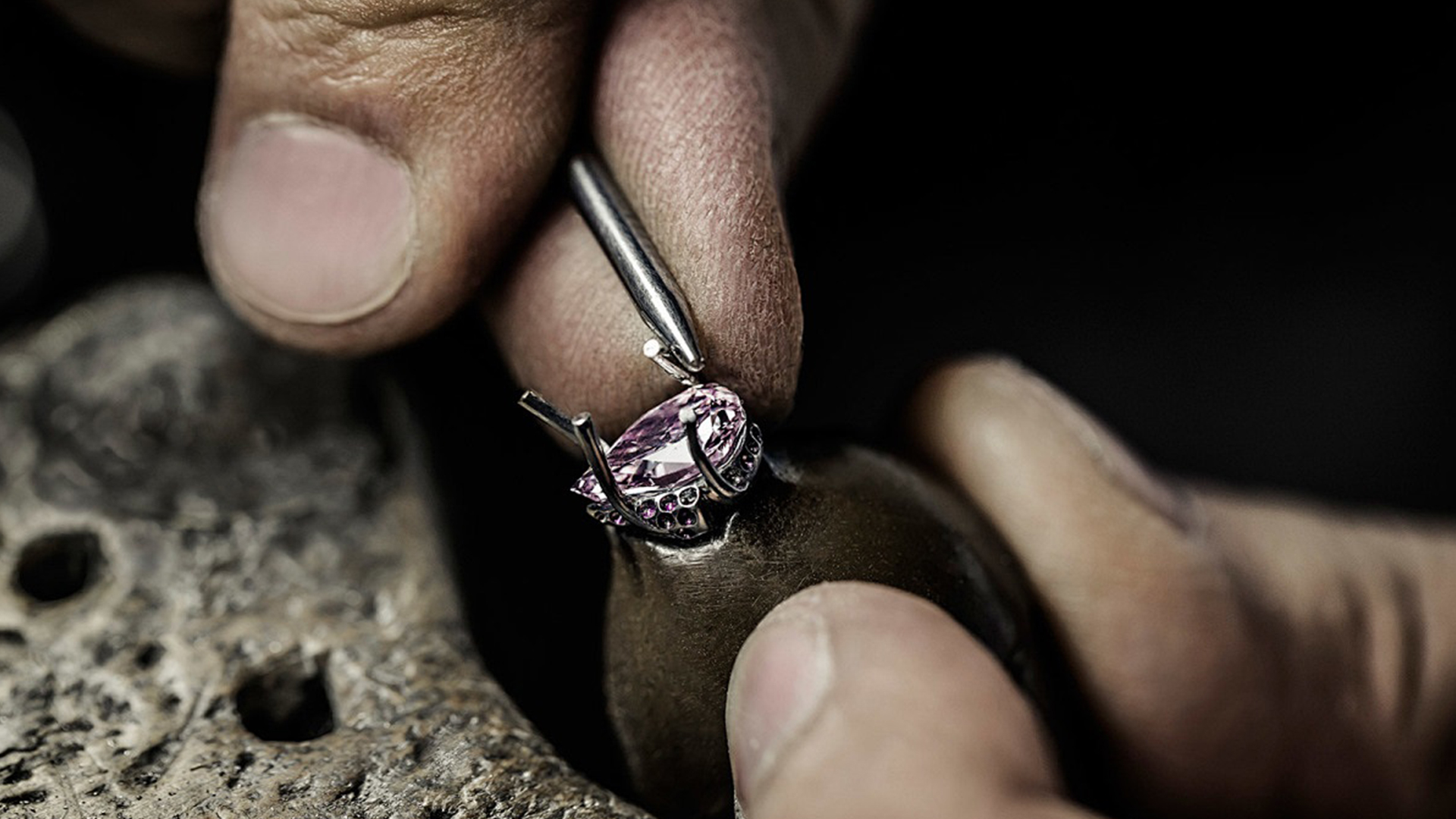
MOSUP's current B2B platform combines ready-stock wholesale with custom jewelry development. Its public website lists S925 silver, 10K and 14K product categories and describes CAD/ZB/Rhino modeling, drawing- and sample-based design development, 3D wax printing, hand stone setting, polishing and plating among its manufacturing services.
For buyers who are still validating demand, MOSUP's ready-stock assortment can be used to test product categories and price points with lower development commitment. In-stock silver products are generally the faster route, while K-gold projects should be treated as production orders whose timing, stone specification, sample requirements and quantity need to be confirmed for the specific design.
Once a product direction has been validated, buyers can move into modification or full custom development. MOSUP supports changes to metal, center-stone specifications and design details, as well as CAD development, sample production, logo engraving, private-label requirements and custom packaging. Its published manufacturing workflow also includes QC before bulk production and shipment.
This gives brands several ways to use the two materials strategically rather than treating them as mutually exclusive.
A startup may begin with selected S925 lab-grown diamond products.
A retailer may upgrade its strongest sellers into 14K.
A bridal brand may begin directly with K-gold because its customer and price architecture are already established.
The right decision depends on where the business is in its product-development cycle.
For buyers, the final rule is straightforward: The right metal is not simply the more expensive one. It is the metal that fits the product's retail position, target margin, customer expectation and reorder strategy. When those four factors are clear, choosing between S925 and 14K gold becomes much easier—and the supplier can quote, sample and manufacture the product against a much more precise commercial brief.


